 Written by Sophie Clarke
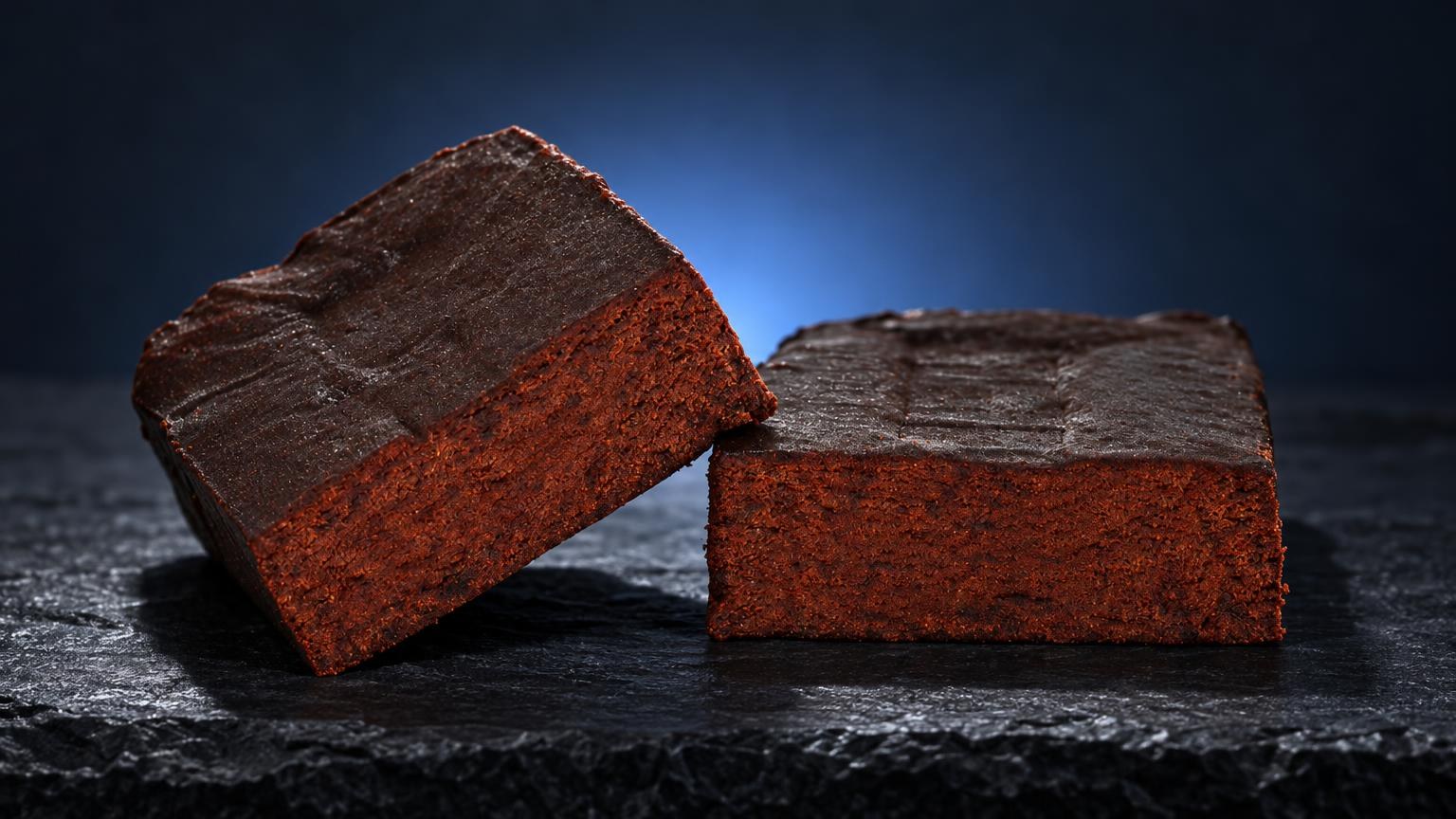
Hemp hash is the pressed resin of low-THC hemp trichomes, offering the flower’s full aromatic profile in a denser, solid format. Unlike CBD flower or hemp-derived CBD oil, this selection of high-quality resin concentrates cannabinoids and terpenes without leaf material, distinguishing dry sift, ice-o-lator and pressed hash.
Contents7 sections
Hemp hash (also written hemphash or CBD hemp hash) is the concentrated resin of hemp trichomes, collected from low-THC varieties of the plant Cannabis sativa and pressed into a dense, aromatic block rich in CBD and terpenes.
Trichomes are the tiny crystal-like glands that frost a cannabis flower and carry most of its cannabinoids and aroma. Hash is that resin, separated from the plant matter and compacted: butter is to cream what CBD hash is to the flower. It comes from the same species as marijuana but has a very different chemical profile, because hemp is grown for CBD rather than THC.
- CBD flower: the whole dried bud, airy and sticky, with leaf material still wrapped around the resin.
- CBD oil: an extract blended into a carrier oil, liquid and mild in aroma.
- Hash oil: a thick, sticky extract in which the plant’s original texture is gone.
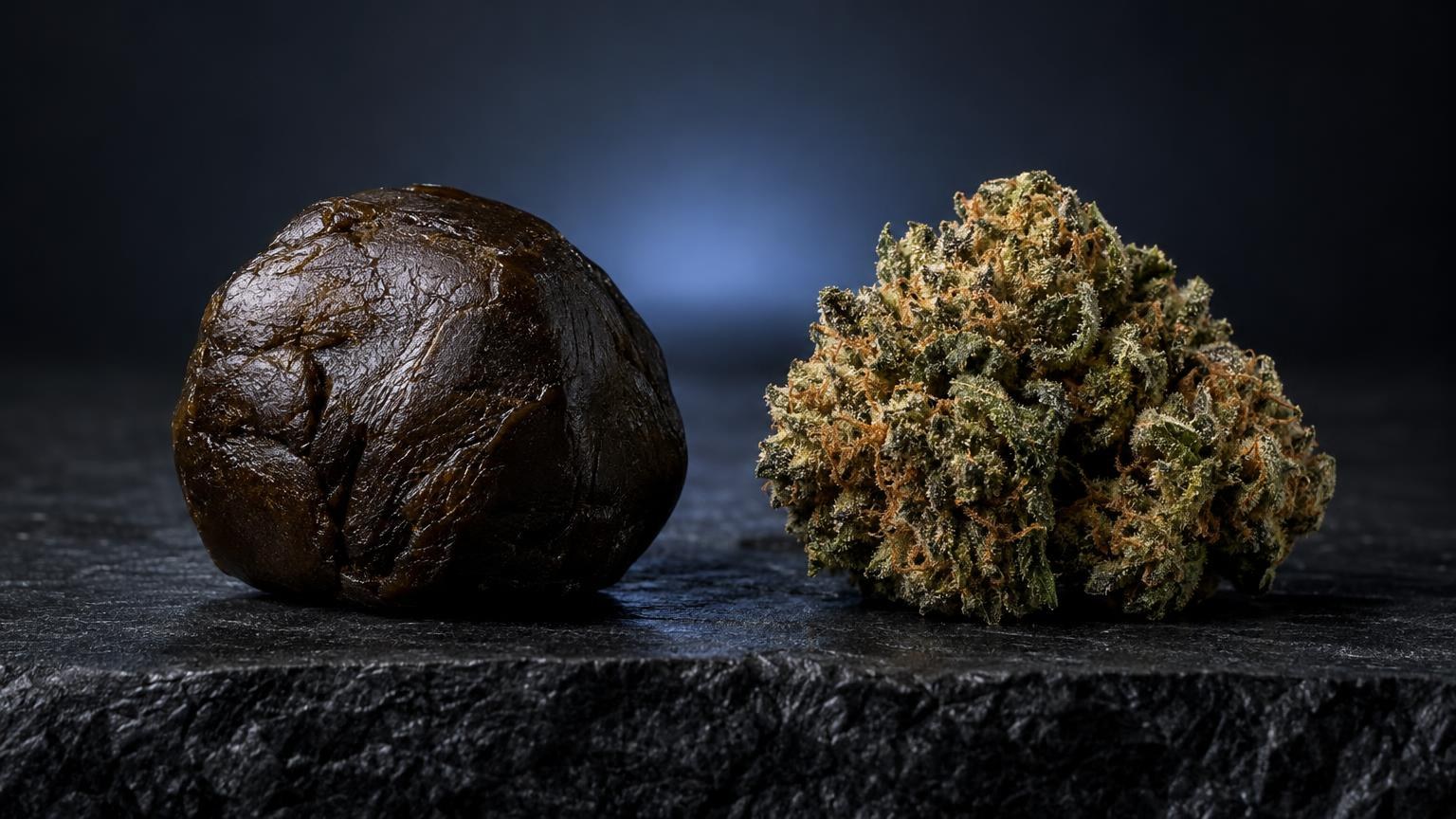
- Hemp hash: the resin itself, solid and dense, keeping the plant’s full aromatic profile.
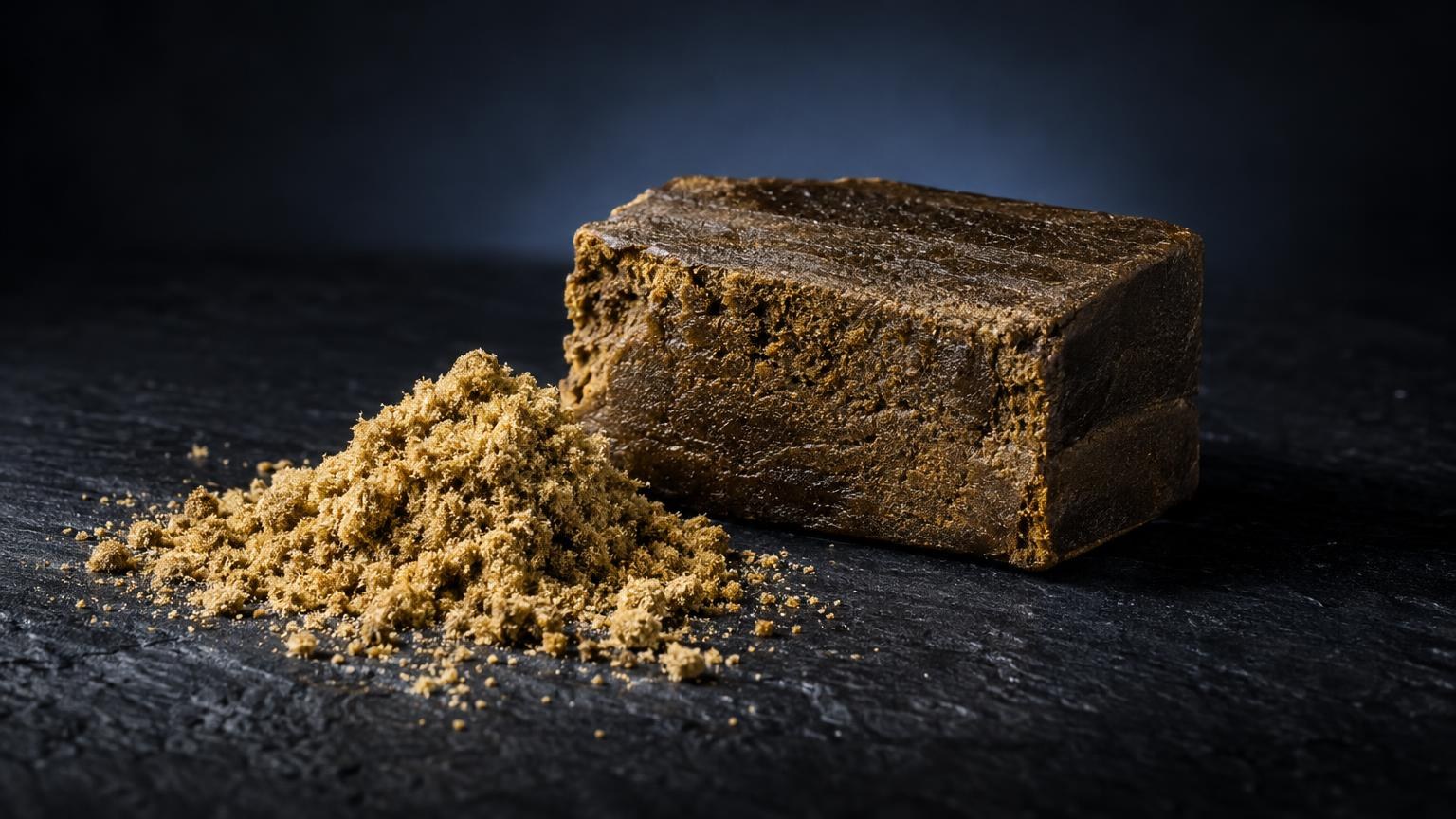
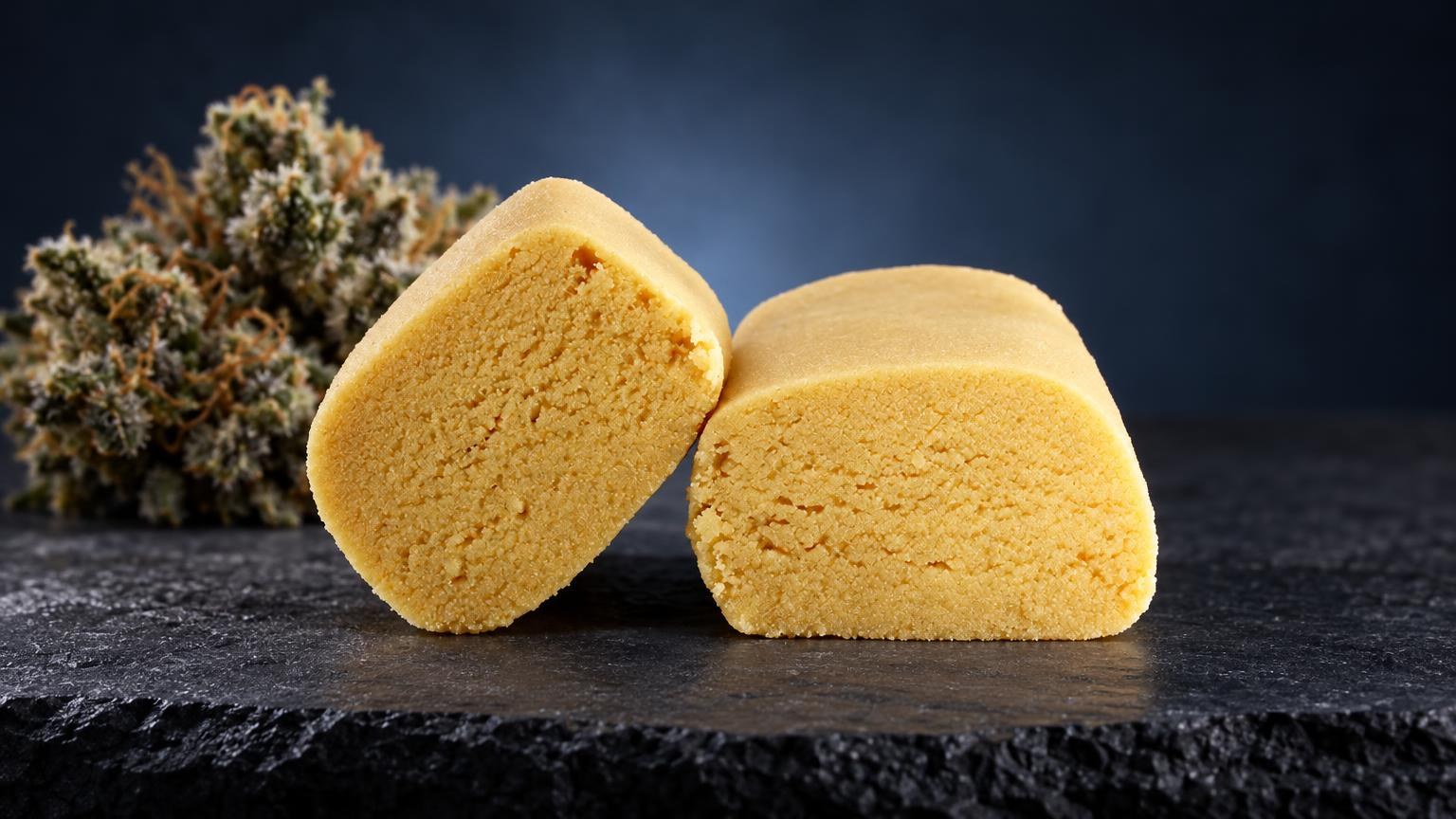
A piece can range from sandy blond to deep brown and from crumbly to soft and pliable. Depending on its terpenes, it smells earthy, spicy or fruity. If you’ve browsed a CBD flower shop or a legal cannabis store and wondered what that dark block on the shelf really is, this guide is for you.
Next, you’ll follow the resin from trichome to block, see how it compares with THC hash, learn the three main types and get a checklist for judging a piece against the quality requirements CBD products should meet, and for storing it. If you’re interested in where the word itself comes from, our article on hachis vs hash covers the linguistics. This guide is all about the product.
What is hemp hash? CBD hash explained
Hemp hash, also sold as CBD hash or hemphash, is resin gathered from the trichomes of low-THC hemp and compacted into a solid piece. It keeps the cannabinoids and terpenes of the flower but leaves most of the leaf and stem behind, so you get the plant’s aroma in a denser, more concentrated format.
That density sets it apart from other hemp-derived CBD products. Picture four formats side by side in a CBD shop window: same plant, very different objects in your hand.
| Format | What it is | Texture | Aroma |
|---|---|---|---|
| CBD flowers | Dried, trimmed buds | Fluffy to dense, often sticky | The full bouquet of the strain |
| Hemp hash | Resin separated from the plant, then pressed | Sandy to pliable | Concentrated: earthy, spicy or fruity |
| CBD oil | Extract diluted in a carrier oil | Liquid | Mild, often softened by the carrier |
| Hash oil | Thick extract made from the resin | Viscous, tar-like | Intense and resinous |
Hash is the solid concentrate of the plant, while oil and hash oil leave the solid world behind entirely.
If you’re curious where the word itself comes from, our piece on hachis vs hash and what the word means covers it. As for legality where you live, that’s set by national rules; here we stay on the product itself.
How it's made: from trichomes to resin
Knowing what’s in the block is one thing. Getting it there is a short chain of steps, and every shortcut shows in the finished piece. Here’s the process that turns loose trichomes into a pressed block of hashish, as the Government of the Netherlands describes it[4].
- Start cold and dry. Harvested hemp flowers and small sugar leaves are dried first. The colder and drier the material, the more cleanly the trichome heads snap off.
- Separate. Dry sifting shakes the material over fine mesh screens, while the ice-water route uses gentle agitation to knock frozen heads loose. Both aim to free the trichomes and leave the leaf behind.
- Collect and dry. What comes through is a fine powder (kief), dried carefully so no moisture stays trapped inside.
- Press. Gentle heat and pressure weld that powder into a block, like dough kneaded until it holds together.
The payoff is concentration. A general reference on cannabis, ScienceDirect’s overview of hashish, puts cannabis resin at 3–6% THC, against 1–3% in the flowering tops[5].
Those figures describe cannabis in general, not hemp hash. What carries over is the principle: separating resin from plant matter concentrates everything the trichome carries, including the hemp-derived CBD and terpenes. That’s why a hemp hash smells far louder than the CBD flower it came from.
The same logic explains why two pieces of CBD hemp hash can feel worlds apart. The method sets the ceiling for quality, long before anyone judges the block by eye.
Hemp hash vs THC hash: what changes
Once the resin is pressed, what separates hemp hash from THC hash is the potency it concentrates. Resin tends to pack more THC than plant material: the potency study cited here measured a median THC content of 2.1% for herbal material and 3.5% for resin[6].
Effects follow the same split. CBD isn’t described as producing the psychoactive effects associated with THC, according to the available sources[1], though reported effects vary from one person to another. For adults only (18+), and never drive after use.
CBD is not a medicine and is not a substitute for medical advice or treatment. If in doubt, consult a healthcare professional. If you’re managing any diseases or take regular medication, consult your doctor before trying hemp concentrates.
Then there’s a third family with its own offer. Our Golden Hash, Kashmir Hash and the pre-rolled Royal Hash joint are THCX resins, a category apart from classic CBD hash, with the strength shown on each product page. THCX is a trade name, not a molecule: every batch is lab-tested for classified molecules and none are detected.
The full THCX hash collection gathers the rest of the range. The lab analysis of each batch is available on request from customer service.
The main types: static (dry sift), ice-o-lator and pressed hash
Each extraction method predicts how a piece will look, feel and smell. Every hemp hash falls into one of three families. Sieving, ice-o-lator and pressing work without chemical solvents, unlike hash oil, a cannabinoid concentrate obtained by solvent extraction of the plant material or resin[2].
Static and dry sift is resin shaken through fine screens, sometimes with static electricity pulling the trichomes from the plant matter. The result is sandy, blond and loud on the nose, but fragile: handle it too much and it crumbles and loses aroma.
Ice-o-lator, also called bubble hash, comes from ice water and fine mesh bags. It’s often pliable, softens when warmed between your fingers and opens new layers of aroma as it does, carrying the least plant material. Our take: this is the cleanest family, filter coffee next to a cup with the grounds still floating in it.
Pressed hash covers the traditional style and pressed pollen: a dense, even block, the most consistent and accessible of the three, with an earthier taste and sometimes more plant matter.
| Family | Texture | Colour | Purity | Aroma | Best for |
|---|---|---|---|---|---|
| Static / dry sift | Sandy, crumbly | Blond to light gold | High | Bright, terpene-forward | Aroma hunters |
| Ice-o-lator | Pliable, soft | Gold to light brown | Highest | Clean, true to the strain | Purists |
| Pressed | Dense, firm | Brown to dark brown | Variable | Earthy, spicy | Everyday consistency |
How to judge and store a piece of CBD hash
Knowing your family tells you what to expect, but the piece still has to live up to it. Start with your senses, then check the paperwork.
- Smell: a clean, open terpene note. Musty, damp or chemical is a pass.
- Texture: it should match the type announced. A dry sift that feels greasy, or an ice-o-lator that crumbles like chalk, doesn’t add up.
- Colour: even throughout, with no visible plant debris or specks.
- Warmth test: malleable resins should soften slightly between your fingers.
The documents matter as much as your nose. Good quality CBD hash comes with a clear description of the extraction method, a stated CBD content and reviews you can actually read on the product page. A vague “premium” claim is a reason to dig deeper, not to buy.
Storage is where most hemp hash loses its character. Air, light and heat flatten the terpenes in hash, CBD flower and any resin alike, and temperature swings ruin the texture.
To put this grid to work, start with Golden Crystal: read its description, check the method and go through the reviews shown. The CBD hash collection lets you run the same checks side by side to find the best match.
Conclusion
Just like with weed, texture and aroma come from the extraction method; what’s actually inside comes from the lab, not the packaging.
The short version: pick ice-o-lator for purity and pressed for consistency, and let a lab analysis settle any purity claim.
New to CBD resin? Browse the CBD hash collection with the checklist from “How to judge and store a piece of CBD hash” at hand. Check your local legal THC rules before you order, then compare the delivery days and free delivery conditions for your country.
Frequently asked questions
How is hemp hash made?
Hemp hash is made by first drying harvested hemp material, then separating trichomes through dry sifting or an ice-water method, collecting the resulting powder (kief), and finally pressing it with gentle heat into a solid block.
Is hemp hash legit?
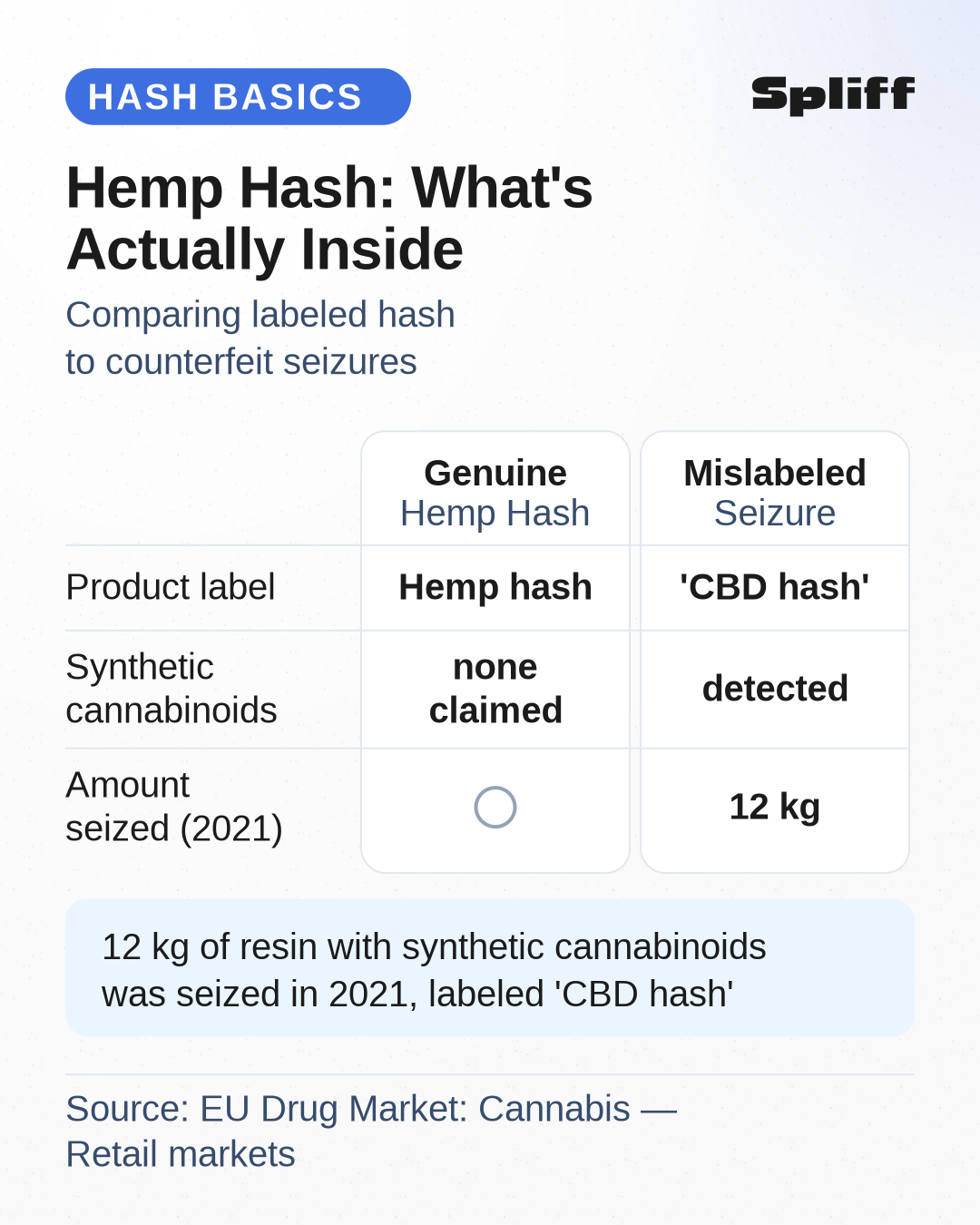
A “CBD hash” label names a category, not a guarantee: 12 kilograms of resin containing synthetic cannabinoids and reported as “CBD hash” was seized in 2021[7]. Genuine hemp hash is plant resin only, which is why lab analysis matters: each batch’s lab analysis is available on request from customer service.
Sources
- Cannabidiol (CBD) critical review report — WHO Expert Committee on Drug Dependence — www.who.int
- Cannabis — World Health Organization — www.who.int
- What is the difference between cannabis, weed, hemp and … — www.government.nl
- Hashish – an overview — www.sciencedirect.com
- Potency of delta 9-THC and other cannabinoids in … — pubmed.ncbi.nlm.nih.gov
- EU Drug Market: Cannabis — Retail markets — www.euda.europa.eu