 Written by Sophie Clarke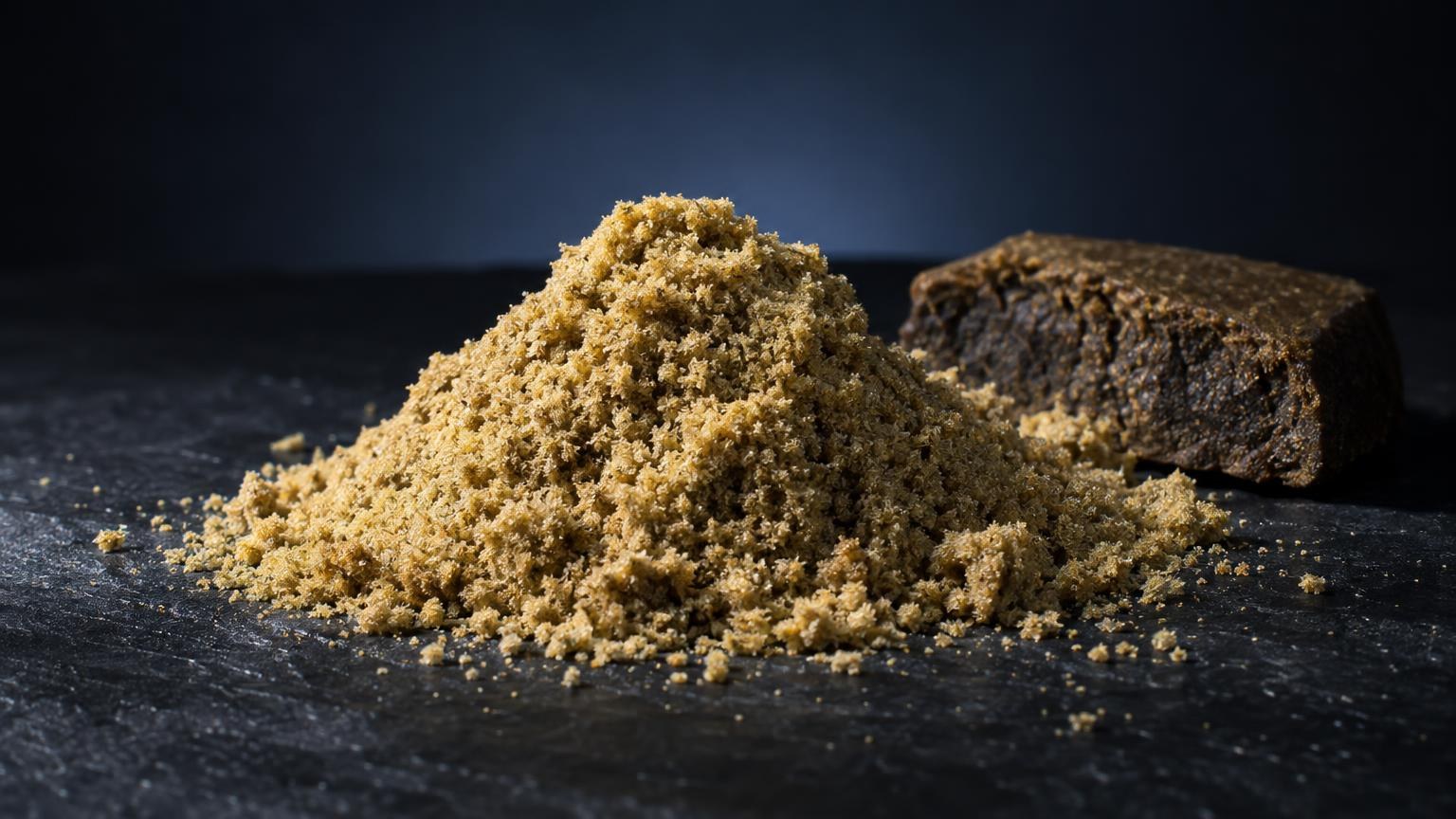
Whether processed with a dry sift tumbler or sorted through bags, the finishing method shapes texture and purity, and the terpene profile still reflects the original strain’s character.
Hash THCX at Spliff · from €5.90/g · ★ 4.9/5 (470 reviews)
72 h delivery in Europe · Free delivery from €99
Contents6 sections
Dry sift is hash made by shaking dried cannabis flower over fine screens, so the resin-rich heads of the trichomes fall through while the plant material stays behind. No water, no solvent: it’s solventless hash in its most basic form. When a menu uses the term “dry sift weed”, it means that sifted resin, not the bud it came from.
Think of it like sifting flour: the finer the screen, the cleaner what lands on the tray. Our take: dry sift is the most honest hash format out there, because nothing gets added, so quality comes down to two things you can actually judge, the starting flower and how many passes it went through.
This guide walks you through the grades dry sift comes in, from rough first sift to the cleanest collections. You’ll also see how it stacks up against ice water hash and rosin, and whether it really dabs. Here’s where each piece of menu vocabulary gets its explanation:
- Kief vs sifted hash: what makes them different is covered in the next section.
- Triple filtered, static dry sift and pollinator tumbling: all three are explained where we look at how sift is made.
What is dry sift hash, and how does it differ from kief?
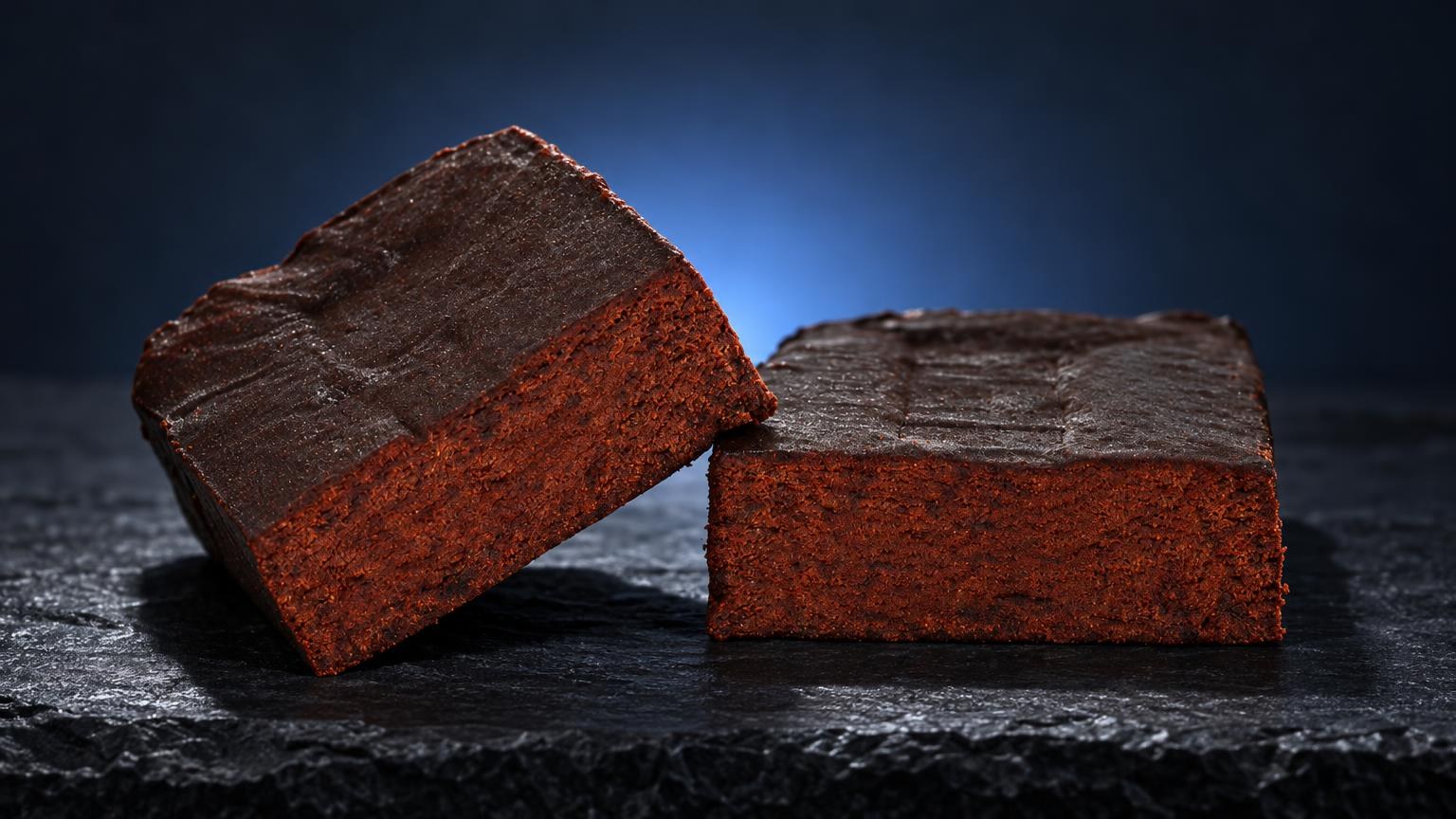
Dry sift hash is the resin collected when trichome heads are shaken off dried cannabis over sift screens, different micron sizes catching different head sizes, then cleaned and usually pressed. Kief is the same material in its rawest form: loose, unsorted dust from a single pass. Both come from dry sift extraction, but dry sift hash is graded and purer, while kief keeps more plant debris.
So the line between the two isn’t about origin. A review written for primary care providers files resin, hash and kief made via dry sift under one heading: concentrates made by mechanically separating trichomes from the plant[4]. What changes from one name to the next is how far the cleaning goes.
Think of it like coffee. Kief is the grounds left in the grinder, while sifted hash is the same bean, carefully sorted and packed into a neat puck. Same original bean, very different cup.
That refinement is why menus list different grades. Dry sift is, at heart, one family sold under several names, and two labels still trip people up (for triple filtered, see how it’s made below):
- Dry sift pollen: an old menu name for fine, pressed sift. It has nothing to do with the plant’s actual pollen.
- Dry sift solventless: ice water extraction is solventless too, but it washes the trichome heads off in cold water and then has to dry them. The “dry” in dry sift points to the other route: dried flower worked over screens rather than through a water bath.
Our take: if a label only says kief, treat it as something to sprinkle into a joint. If you care about texture and a cleaner melt, look for a named grade on the label (often tied to the screen size in microns), with full melt dry sift sitting at the top of the ladder.
Here’s the quick shopping rule we’d stand behind. Loose, sandy and greenish means kief, so price it like a topping. Pressed, pale and named by grade means proper dry sift hash, and that’s the one worth paying more for.

How is dry sift hash made, and what does triple filtered mean?
Dry sift hash is made by working cold, dried flower over a stack of progressively finer screens: trichome heads fall through, plant matter stays on top. Triple filtered means the resin went through three successive screens, each finer than the last, so the final sift hash counts as a higher grade in that ladder of names.
That extra cleaning is where the dry sift method earns its reputation. Producers chill the dried flower first, so the trichome heads turn brittle and snap off cleanly, then shake it by hand or spin it in a tumbler lined with fine dry sift screens. A dry sift extraction using no water and no solvent keeps the process simple, which means everything depends on the screens.
Think of a pastry chef sifting flour twice for a lighter sponge. The first screen catches leaf, stem and coarse dust, and each finer one lets through little more than resin heads.
The trade-off is quantity. Every finer screen holds back more material, so a cleaner collection simply means less resin from the same flower.
Static sift pushes that logic to its limit. In technical literature, the so-called static tech is described as a dry separation method that mechanically rubs dry plant powder on a nylon sift screen[5].
Many producers then press the sift into slabs or flat pieces, which are easier to handle than loose powder.
Dry sift typically gets compared with two other solventless formats. Here’s how they line up:
| Format | Water | Solvent | Typical texture | Usually used |
|---|---|---|---|---|
| Dry sift hash | No | No | Sandy powder or crumbly pressed pieces | Joints, bowls, pressing |
| Ice water (bubble hash) | Yes, water extraction | No | Grainy to greasy, depending on grade | Joints, bowls; top grades for dabbing |
| Rosin | No | No (heat and pressure) | Sticky, sap-like | Dabbing |
Bubble hash swaps screens in open air for agitation in ice water, while rosin is often pressed from either of the other two.
Can you dab dry sift, and how else is it used?
You can dab dry sift, but only the cleanest grades handle it well. Resin with little plant matter left behind tends to melt into oil on a hot surface, while coarser, higher-yield material carries more plant particles that char instead, leaving dark residue and a burnt taste where you wanted clean terpene flavour.
That’s where the term “full melt” comes from, a label you’ll also see on water-made bubble hash. It describes higher quality sift that melts away almost completely, so treat it as a quality signal you check for yourself, not as a promise on a label. Whether it came off hand screens, a tumbler or mesh bags, dry sift passes the melt test the same way.
The easiest way to read quality dry sift is to look at what’s left after it melts. A clear amber film points to a clean collection. A black, crusty ring means too much plant matter for a rig.
Below dab grade, sift is still versatile, and it mostly shows up in three formats:
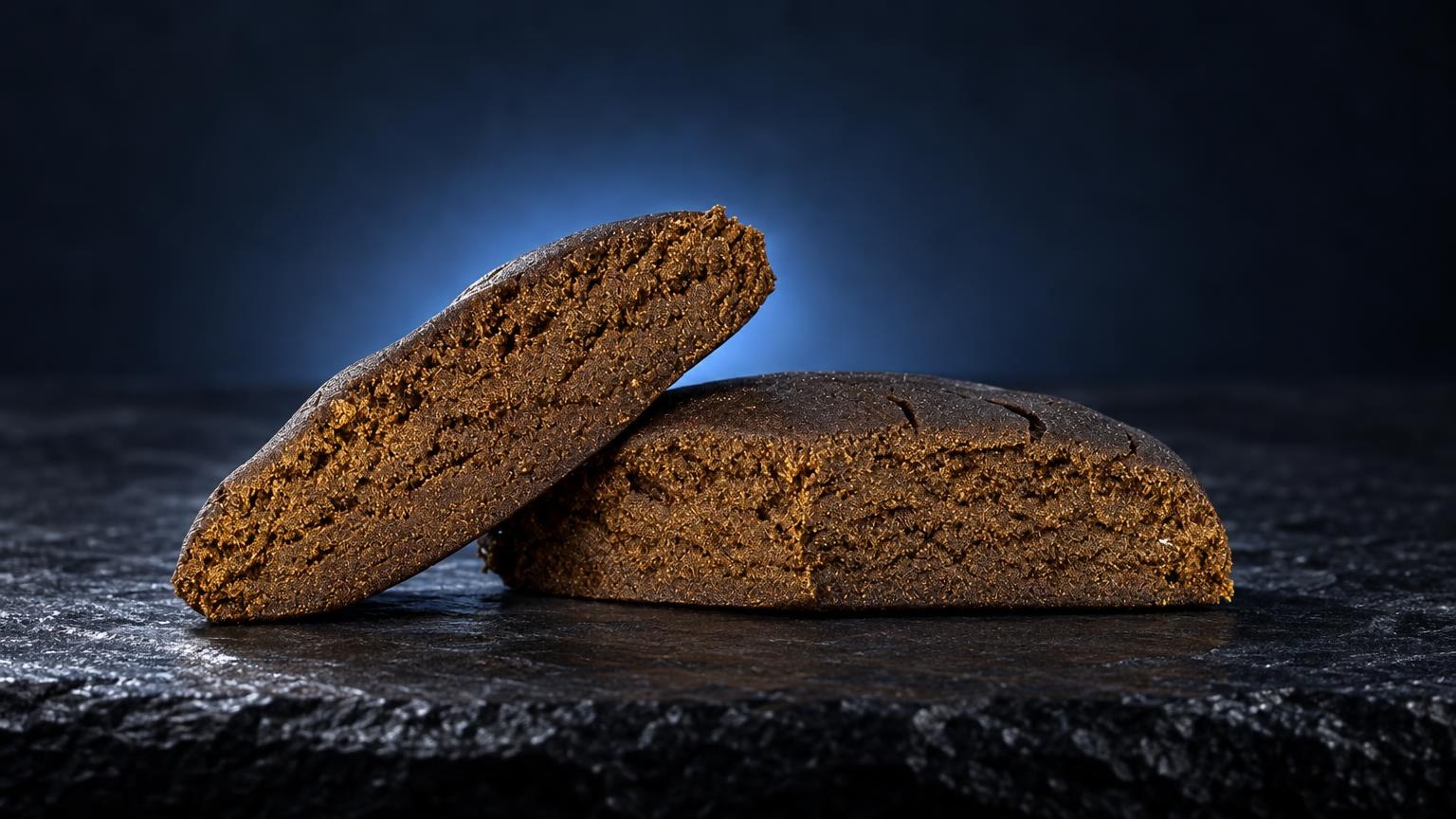
- Loose powder: fluffy, light and dry, often labelled pollen dry sift, with a texture a bit like grated parmesan. It’s the least processed form and the most exposed to air.
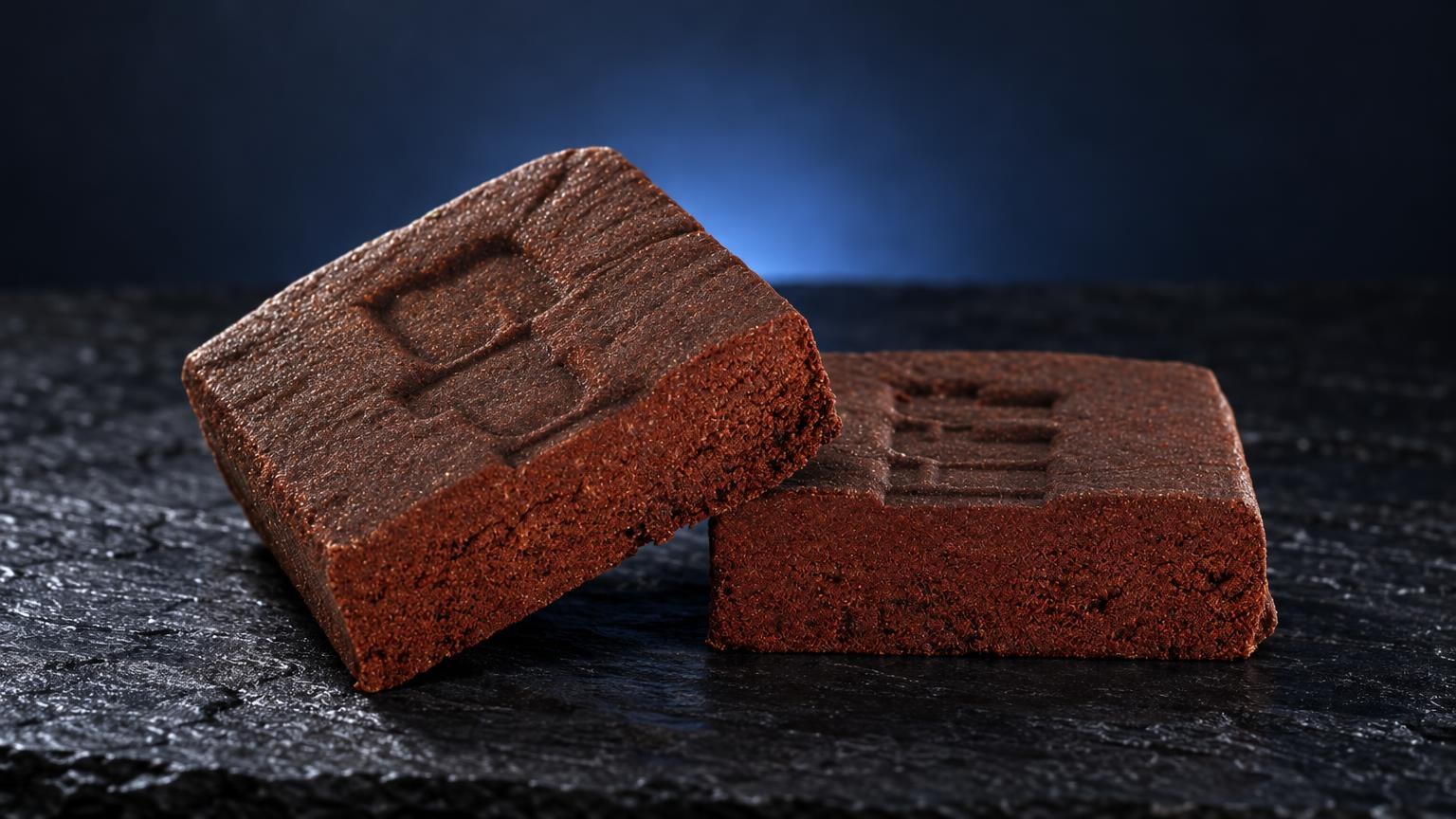
- Pressed pieces: the same trichome heads compacted into a denser block, firmer to the touch and with a more even burn than loose powder.
- Rosin starting material: dry sift is a classic input for rosin, and cleaner input gives a cleaner result.
Sift with more plant content still has its place. It just tastes earthier and burns a touch harsher, which is exactly what the melt read-out above lets you compare before you choose.
For adults only, where consumption is permitted.
Choosing your hash at Spliff: Piatella, Golden, Kashmir or Moroccan
Once grade, melt and storage make sense, the four hashes in our range read less like a ranking and more like four options to compare on your own terms. We’d rather not guess at textures or aromas here: each product page sets out what we can stand behind, so treat this table as a map, not a tasting note.
| Hash | Range | Check first on the page |
|---|---|---|
| Piatella Hash | Hash | Format, texture, price of the day |
| Golden Hash | Hash | Description, displayed rating |
| Kashmir Hash | THCX (trade name) | Description, review count |
| Moroccan Hash | THCX (trade name) | Description, price of the day |
Piatella means “small plate” in Italian, which tells you where the name comes from. For the actual format and texture, the product page is your reference. The product card shows the price of the day alongside the displayed rating and review count, so a quick side-by-side yields real figures rather than guesses.
Kashmir Hash and Moroccan Hash carry names traditionally associated with hash-making regions, and both sit in our THCX range. THCX is a trade name, not a molecule: every batch is lab-tested for classified molecules and none are detected.
Don’t shop those two on a region’s reputation alone. The name points to a tradition; the product page tells you what we actually describe for each one.
Golden Hash is one more option in the line-up, nothing more mysterious than that. Its product page lists what it is and what it costs, so judge it on those details rather than on the name.
Our take: if a clean melt is your priority, look for a product page that states the grade instead of buying on the name. Pure, high-grade dry sift comes from a slow process, and the low typical yield dry sifters accept in exchange for quality is exactly the cleanliness you’re paying for. If you’re rolling joints, melt matters less, so price and reviews can carry more weight in your choice.
Conclusion
Whichever style you land on, the logic stays the same: dry sift is a solvent-free extraction process where screens decide the result, not chemistry. Finer micron sizes and extra passes give a paler, cleaner resin that melts well. A coarser, pollen dry texture is better for crumbling into a joint.
So read colour and texture first. After that, the terpenes from the original strain are the real stars.
At Spliff, orders ship quickly after payment. We deliver notably to Austria, Belgium, Germany and the Netherlands.
Frequently asked questions
What is considered the best hash?
There’s no single “best” grade: it comes down to how fine the screens were and how clean the pass was, as covered above.
Sources
- Priming primary care providers to engage in evidence-based … — pmc.ncbi.nlm.nih.gov
- Electrostatic separator of cannabis trichomes – Springer Nature — link.springer.com