 Written by Sophie Clarke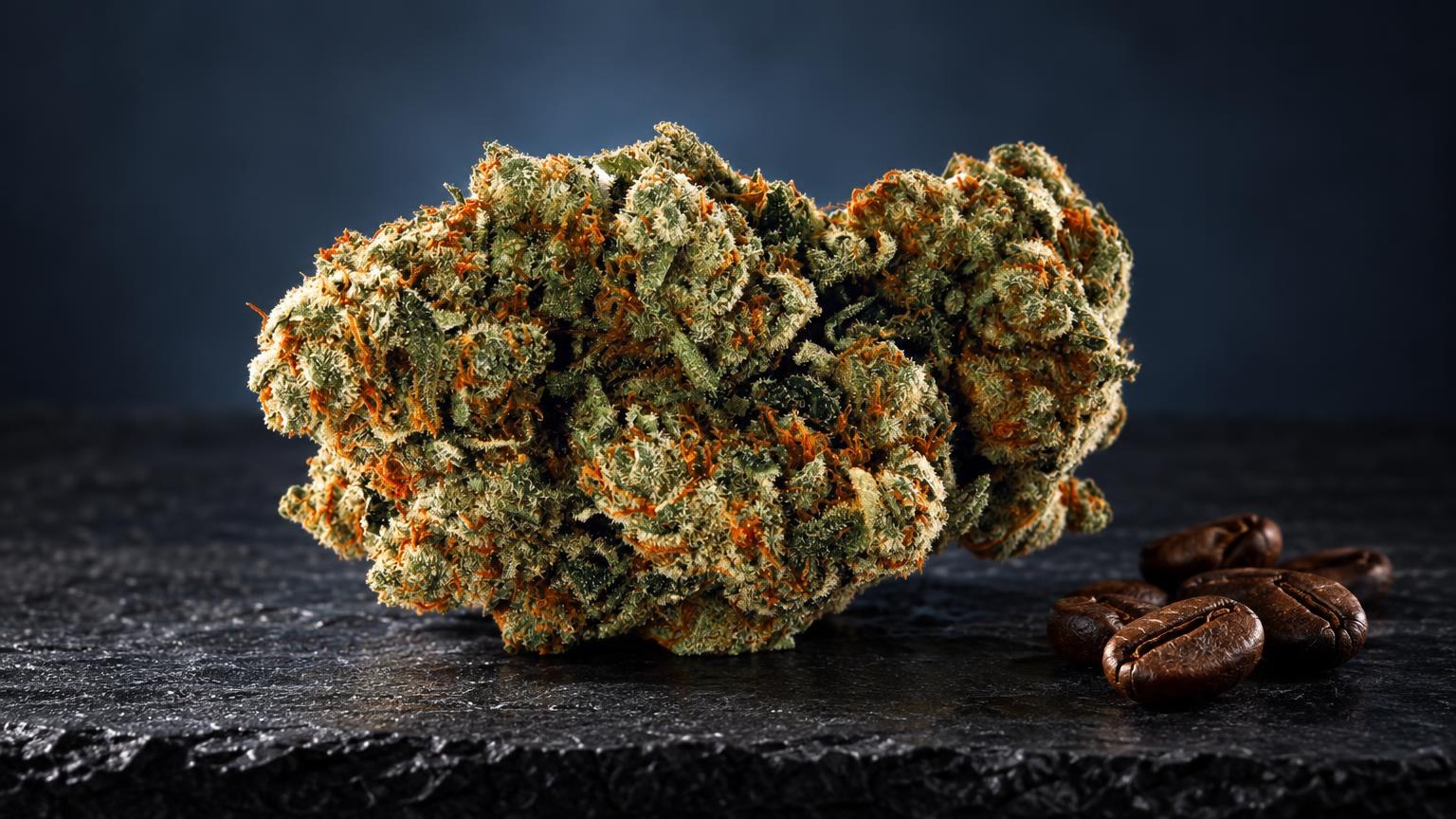
Trichomes are the resin glands coating buds, leaves and stems, the plant’s defence system and the factory for cannabinoids and terpenes.
THCX flowers at Spliff · from €2.80/g · ★ 4.9/5 (490 reviews)
72 h delivery in Europe · Free delivery from €99
Contents6 sections
Trichomes on weed are the tiny resin glands that coat cannabis buds and give them their frosty, icing-sugar look. They’re microscopic structures where the plant makes and stores its cannabinoids, terpenes and other aromatic compounds.
This guide is for whoever holds a dried flower, not a growing plant. You’ll learn to spot each trichome type, read clear, cloudy and amber heads under a loupe, and protect the resin all the way from grinder to jar.
The resin-free hairs get their own breakdown further down, so here’s the short version: only the glandular trichomes matter for what ends up in your grinder. Three types do the work:
- Bulbous: the smallest, dotted over the whole surface.
- Capitate sessile trichomes: a round head sitting almost flat, with no real stalk.
- Capitate stalked: a stalk topped with a head, like a tiny mushroom or a bead of spun sugar on a pin.
Plenty of plant species grow trichomes, but on female cannabis sativa flowers the glandular ones crowd the bracts and thin out on sugar leaves. That’s why trim still carries resin. Their defensive role for the plant comes up in the next section; for you, the takeaway is where the resin sits.
That location shapes how we rank formats. Think of it like coffee: the flavour lives in the bean, not the sack it ships in. Here’s our order, from most to least resin per gram you handle:
- Hash: trichome heads collected and pressed, so you’re holding the factory output itself.
- Whole buds: bracts packed with intact heads, plus the full aroma profile.
- Trim: sugar leaves with thinner coverage, fine for cooking or rolling, rarely for a nose-first session.
Our take: frost tells you about care and freshness, not potency. How much a bud sparkles depends mostly on its genetics and maturity. Between a glittering bud that smells flat like hay and a duller one that still hits you with citrus or pine, we’d pick the loud one every time, because aroma shows the terpenes in those heads are still intact.
What are trichomes on weed, and what do they actually do?
Trichomes on weed are tiny outgrowths of the plant’s skin, mostly resin glands, that cover buds, sugar leaves and stems. On cannabis, the glandular ones also act as small factories for cannabinoids and terpenes.
| Type | Glandular? | What you’d notice on a dried bud |
|---|---|---|
| Simple unicellular | No | Fine pointed hairs, no head, no resin |
| Cystolithic | No | Short, claw-like hairs, mostly on leaf surfaces |
| Bulbous | Yes | The smallest, scattered and barely visible even under a loupe |
| Capitate sessile | Yes | A head sitting almost flat on the surface, little or no stalk |
| Capitate stalked | Yes | The tall mushroom shape, crowding the flower bracts |
For anyone holding a finished flower, capitate stalked trichomes are the stars. They stand tallest and catch the light, which is why a carefully handled bud looks so frosty. Sessile trichomes sit lower and are easy to overlook.
Inside each glandular head, a thin membrane seals off a pocket where cannabinoids and terpenes collect, including tetrahydrocannabinolic acid (THCA), the acid form that turns into THC once heated. That pocket holds the aroma you smell when you break a bud.
Why a sealed pocket? According to the PMC review published in Frontiers in Plant Science, THCA can be toxic to plant cells, so storing it in the cavity of the glandular head protects the plant. On female flowers, it is the stalked glandular trichomes that produce this resin[5].
That chemistry also plays a part in plant defense. According to Pate, whose early work the review cites, cannabis plants exposed to higher levels of UVB radiation produced significantly more THC, a hint that the resin may shield the flowers from sun damage. It remains a hypothesis, and it says nothing about the strength of a finished flower.
Genetics sets how dense and large the heads can get, while maturity keeps filling and shifting their colour as the flower ripens. Growers time their harvest around that second point, which also explains why two strains can look so different under the lens.
How do you see trichomes on weed up close?
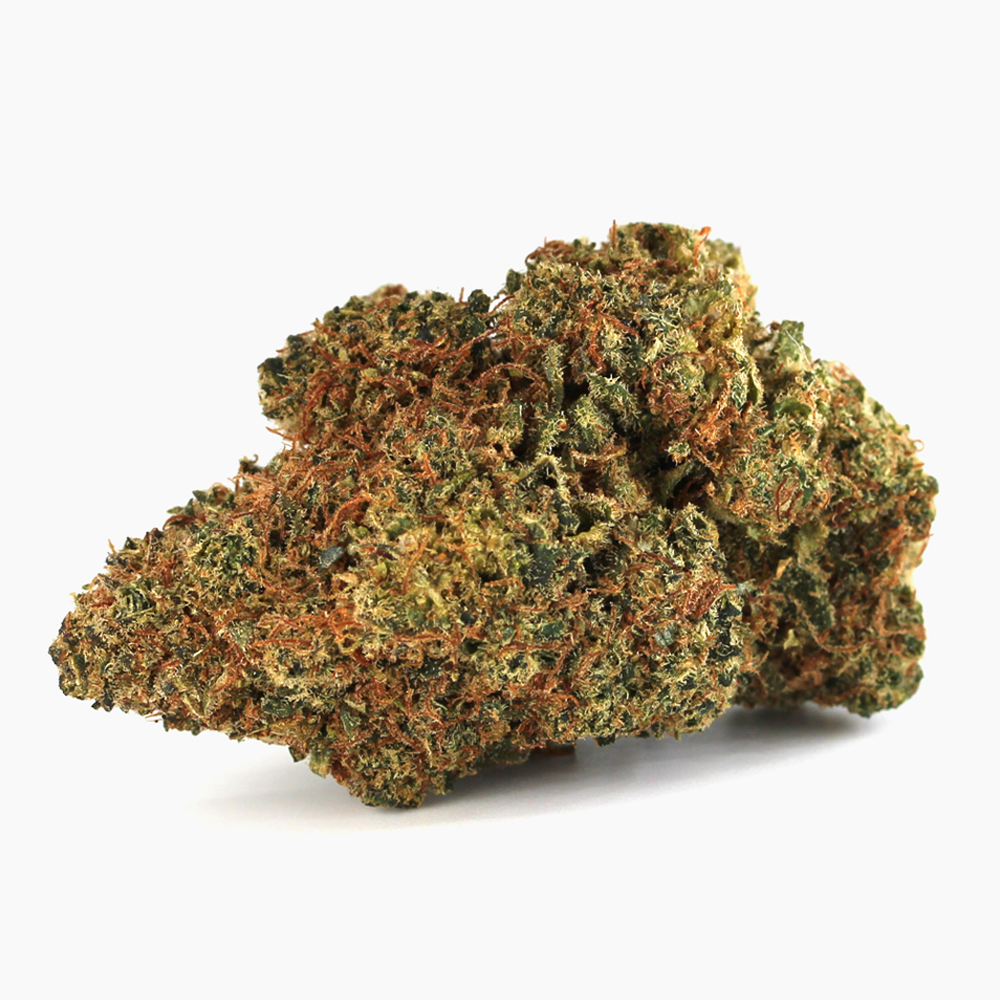
To see trichomes on weed up close, start with your naked eye: the frost on a bud is the trichome layer itself. To make out individual heads and stalks you need magnification, such as a jeweller’s loupe, a pocket microscope or a macro clip on your smartphone, used under neutral white light so the colours stay true.
Each tool gives a different view of the same frost:
- Jeweller’s loupe: cheap and pocket-sized, enough to tell round heads from flattened ones.
- Pocket microscope: stronger zoom and a built-in LED, the clearest look at stalked trichomes and their heads.
- Smartphone macro clip: lets you shoot your own close-ups, handy for comparing two jars side by side.
Our pick if you only buy one tool: the pocket microscope. A loupe is fine for a quick check, but the built-in LED takes the lighting guesswork out of judging colour. The phone clip wins only if you want photos to compare batches over time.
Under the lens, the thin, pointy hairs without a head are the non-glandular kind and carry no resin worth tracking.
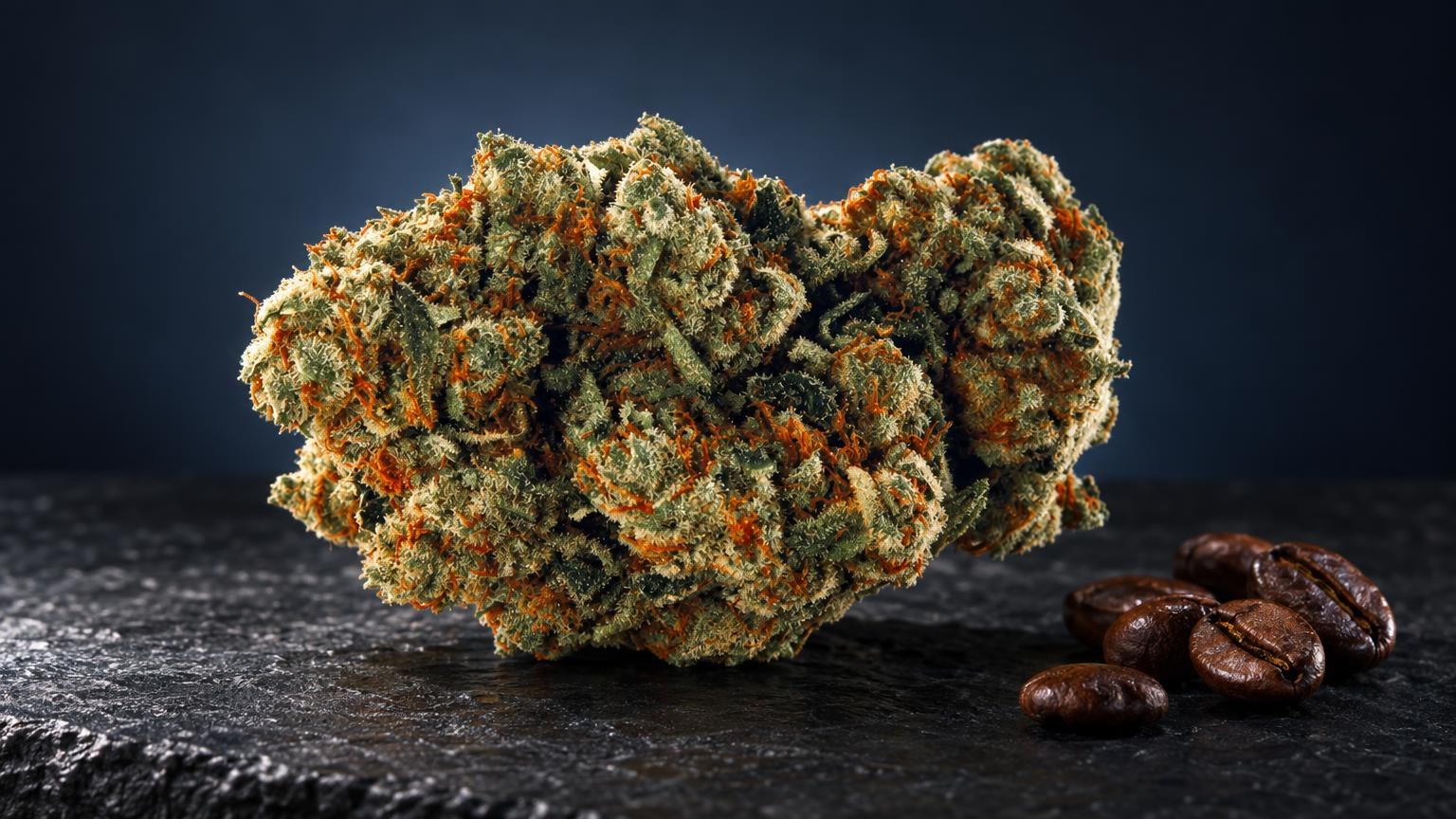
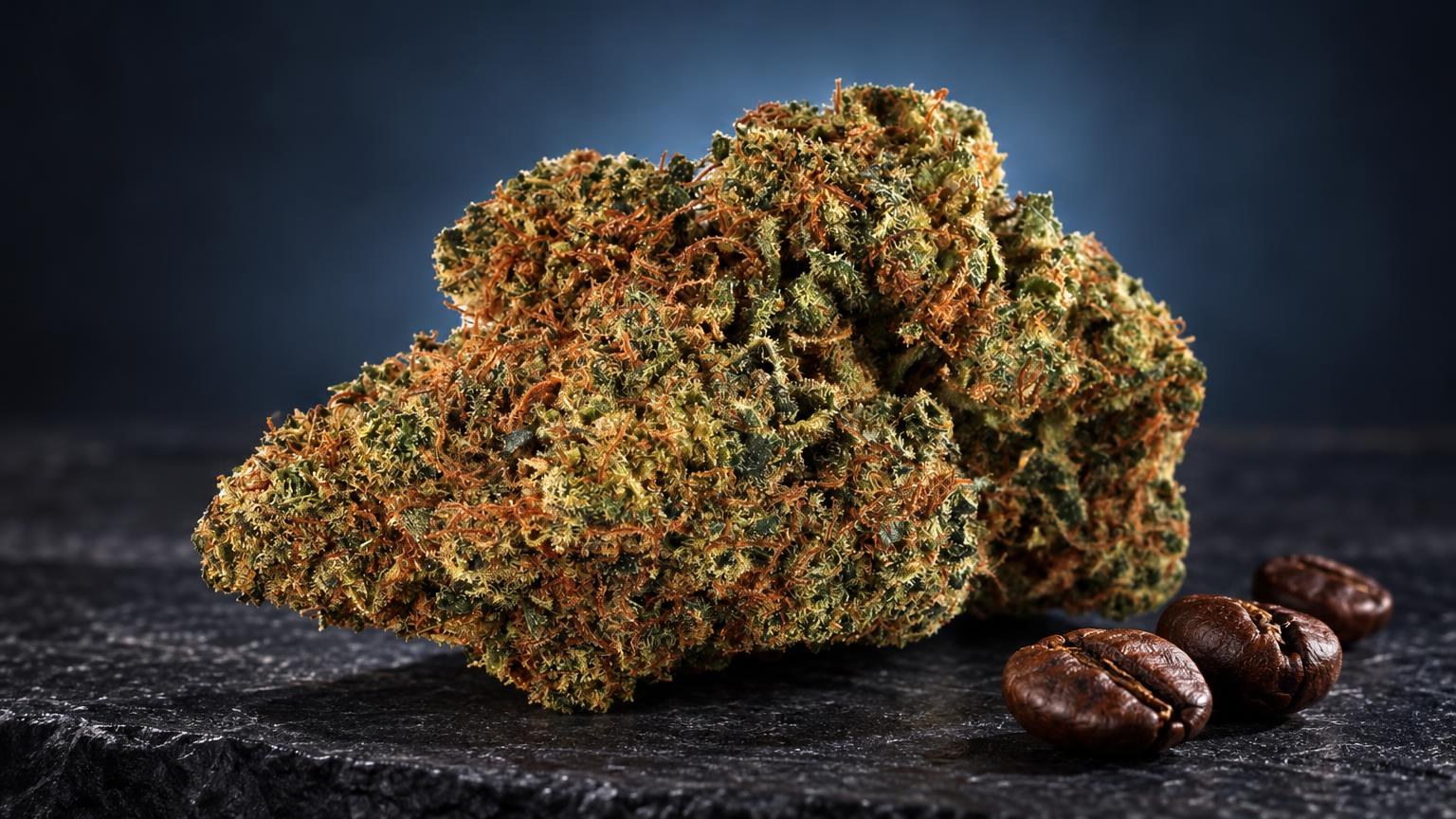
Aim at the cannabis bracts, not the tiny sugar leaves. Healthy cannabis trichomes look like intact, rounded heads on visible stalks. Squashed, smeared or snapped-off heads point to rough handling, and bald patches show where resin has rubbed away, taking tetrahydrocannabinolic acid (THCA) and other cannabinoids with it.
Those loose heads are the same raw material that kief and cannabis extracts start from. Dull, collapsed heads instead of glossy ones usually mean age or heat.
Pictures of cannabis trichomes online deserve a pinch of salt: macro shots are often saturated, filtered or lit warm, so treat them as illustrations rather than a benchmark.
On your own flower, the signs of high quality cannabis handled with care add up: even frost across the bud, a slightly tacky feel between your fingers and a clean, sharp aroma the moment you open the bag. Just don’t read the frost as a forecast: it shows care and freshness, not whether a strain leans toward strong body effects or a lighter feel.
What do clear, cloudy and amber trichomes tell you?
Growers read the colour of trichomes on weed as a rule of thumb for how mature each resin gland is. Clear heads mark young glands, cloudy or milky heads mark glands at full maturity, and amber heads mark older glands where part of the compounds has already converted. It’s an empirical grower’s practice, not a lab-established measure: colour signals maturity, never a guaranteed potency.
With a loupe in hand, the heads of the capitate stalked trichomes become your colour chart. Think of it like a traffic light for resin, only slower and a lot prettier.
| Head colour | What it looks like | What it signals |
|---|---|---|
| Clear | A tiny drop of glass | Young gland, still filling with resin |
| Cloudy | A drop of milk | Mature gland, resin at its peak |
| Amber | A bead of honey | Older gland, part of the compounds converted |
On a well-finished flower you’ll usually see mostly cloudy heads, a scattering of amber and only a few clear ones. Growers read this mix as their ripeness cue: glandular trichomes just turning milky say the plant is close, and a rising share of amber says it’s moving past its peak. So when people ask when to harvest weed based on trichomes: a bud dominated by milky heads was most likely picked at maturity.
A common mistake is calling all trichomes just hairs: only glandular heads change colour. According to the Wikipedia entry on trichomes, they can be unicellular or multicellular, straight, spiral or hooked, and glandular or eglandular[6]. The eglandular ones carry no secretory head, so there’s simply nothing to read on them.
Amber doesn’t only come from the plant itself. Once the plant is cut, heat, light and air keep ageing the resin after drying, so a badly stored cannabis flower can drift towards amber, with heads looking dull and flattened instead of glossy.
Our take, if you’re judging a bud rather than growing one: shine beats shade. Glossy, intact heads tell you more about how a flower was handled than any exact shade of amber, so look at texture first and colour second.
Keeping trichomes intact: storage, grinding and choosing frosty flowers
The next job is making sure trichome heads survive until you use the flower. You can’t grow new trichomes on a harvested flower, you can only avoid losing the ones already there. How many trichomes a plant can produce gets settled during cultivation, so resin production is the grower’s job; your part starts at the jar.
That matters because the resin is where the cannabinoids and terpenes live. According to the PMC review, the key compounds of cannabis plants are cannabinoids, produced by stalked glandular trichomes on female flowers, whose resin contains THCA and CBDA[5]. Minor cannabinoids like CBG and CBN sit in that same resin, so a knocked-off head is a small loss of everything the bud was built around.
- Heat and UV light: they dull the heads and speed up the amber shift. Keep flowers somewhere cool and dark.
- Air: an airtight glass jar beats any pouch, with a humidity-regulating pack inside to keep the texture springy rather than brittle.
- Fingers: every squeeze leaves resin on your skin. Handle buds by the stem.
- Static plastic bags: the charge pulls cannabis trichomes off the surface like a balloon picks up dust.
In practice, our criteria for comparing products online are simple: check that the photo shows trichomes on the buds themselves, frosting the bracts, rather than only on the sugar leaves, look for a description naming specific terpene aromas, and see whether a packaging date is given.
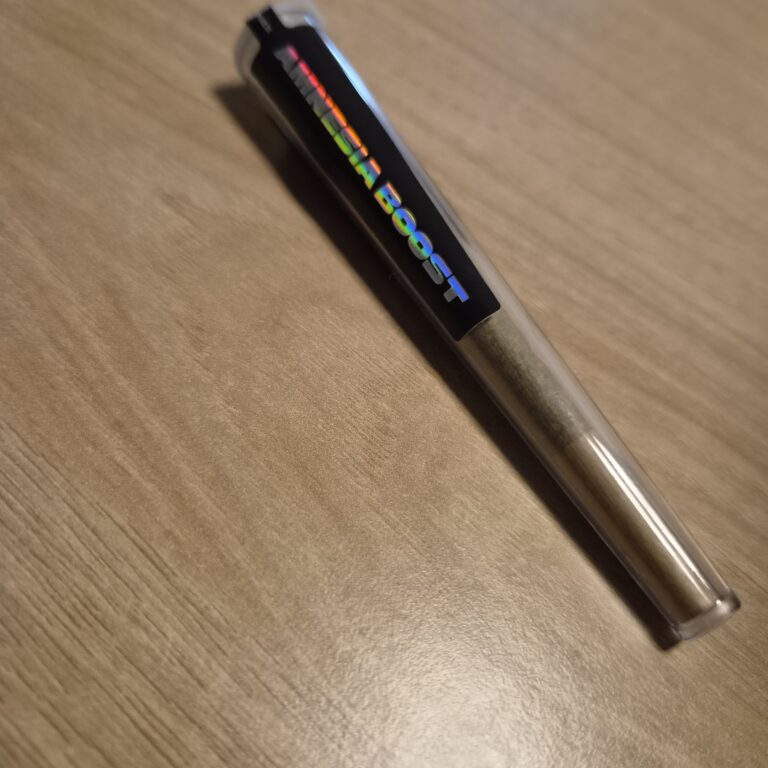
Amnesia CBD flower is a handy case to practise on: compare its photo and aroma notes with what you now know to look for. Spliff flowers come in 3 g, 5 g, 10 g, 20 g, 50 g and 100 g across our CBD flower collection, and you can read customer reviews on each product page. The lab analysis of each batch is available on request from customer service.
The takeaway
Beyond the colour chart, judge a jar by whether each trichome head arrived intact and the aroma still feels fresh, and leave the THC/CBD numbers to the lab analysis. Intact, frosty trichomes are the quickest visual cue you’ve got.
Our take: a slightly less photogenic bud with whole, glassy heads beats a glittery one whose resin got knocked loose in the bag.
Every Spliff product is lab-tested: THC content below 0.3% (0% for vapes and pods).
Spliff is based in France. Once your payment clears, your order heads out to you, including to Austria, Belgium, Germany and the Netherlands.
Frequently asked questions
Does more trichomes mean better weed?
A dense trichome layer mostly signals genetics and careful handling, not a guaranteed effect, since colour and coverage are an empirical grower’s cue rather than a lab-established measure of strength. Intact, glossy heads simply mean the resin, where cannabinoids and terpenes sit, hasn’t been knocked off or degraded.
What do trichomes look like when they are ready to harvest?
A ripe bud is mostly milky heads with a few scattered amber ones and barely any clear glassy heads left, that mix is the usual harvest cue growers look for.
How long until trichomes turn amber?
There’s no fixed timeframe, since amber tracks maturity rather than a schedule. Storage matters too: heat, light and air exposure after drying can push heads toward a dull, flattened amber look that has nothing to do with the plant’s own ripening.
Sources
- Cannabis Glandular Trichomes: A Cellular Metabolite Factory – PMC — pmc.ncbi.nlm.nih.gov
- Trichome – Wikipedia — en.wikipedia.org