 Written by Sophie Clarke
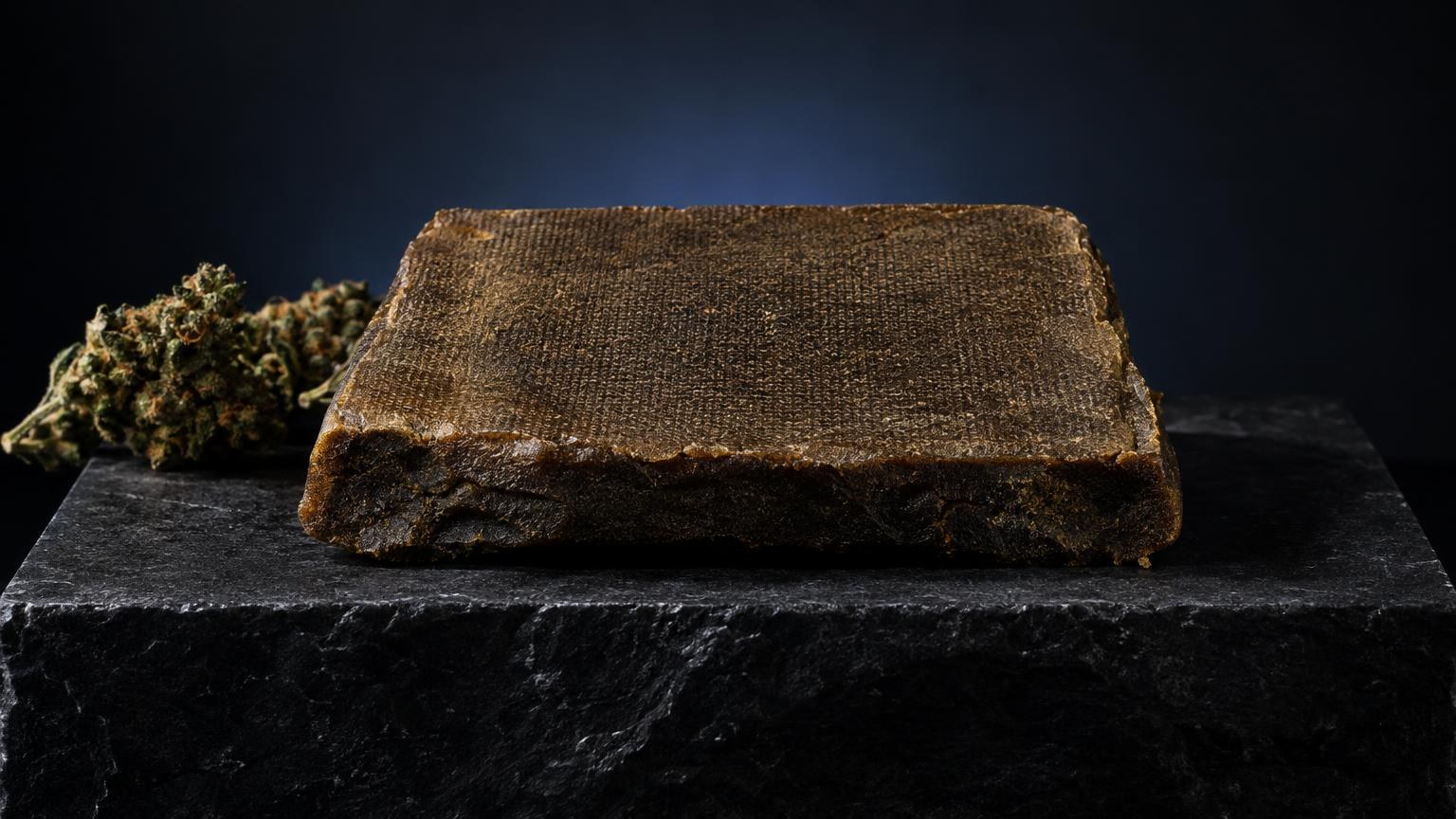
Cannabis resin is the sticky secretion of trichomes on the cannabis plant, concentrating THC CBD terpenes into hash, rosin, live resin and hash oil. Different types of resin vary by extraction method and texture, while types of cannabis resin products at Spliff range from pressed hash to vapes, letting shoppers pick a format to match their preferred use.
Hash THCX at Spliff · from €5.90/g · ★ 4.9/5 (494 reviews)
72 h delivery in Europe · Free delivery from €99
Contents8 sections
- What is cannabis resin?
- What are the different types of cannabis resin?
- How is cannabis resin extracted?
- How do you judge the quality and potency of cannabis resin?
- How is cannabis resin used and stored today?
- Choosing a resin-based format at Spliff: live rosin, pod or vape
- Key takeaways on cannabis resin
- Frequently asked questions
Cannabis resin is the sticky, aromatic secretion of the plant’s trichomes, and it’s the raw material behind hash, live resin, rosin and hash oil.
Think of resin as the plant’s flavour juice. It’s to the flowers and sugar leaves of the cannabis plant what zest is to a lemon: a thin, fragrant layer that punches far above its size.
The catch is that “resin” covers three different things, and plenty of guides blur them together, from hash forums to old-school marijuana handbooks:
- Plant resin: the natural secretion from the trichomes on the cannabis plant, mostly on flowers and the leaves closest to them. This is the layer known for concentrating the plant’s THC, CBD and terpene profile.
- Concentrates: products sold as “live resin” or rosin, made from that resin with a solvent or with heat and pressure.
- Pipe residue: the blackened, tar-like build-up left inside a pipe. It’s a by-product of combustion during consumption, not a product.
From here, you’ll follow resin from the trichomes to the formats it ends up in, since the same material gets sieved, pressed, extracted and consumed multiple ways. Then you’ll get a quality checklist based on colour, texture, aroma and lab transparency, followed by a clear comparison of three vape formats.
What is cannabis resin?
Cannabis resin is the sticky secretion produced by the trichomes of the cannabis plant. These tiny glands hold cannabinoids like THC and CBD in concentrated form, together with terpenes, so the resin carries most of a strain’s character. Hash, charas, rosin and live resin are simply different ways of collecting and shaping it.
Resin also counts as a material in its own right in international drug policy. According to the WHO critical review report on cannabidiol, the thirty-seventh meeting of the WHO Expert Committee on Drug Dependence (ECDD) in 2015 requested that the ECDD Secretariat begin collecting data to inform the review of cannabis, cannabis resin, and extracts and tinctures of cannabis[1].
Where do trichomes sit on the cannabis plant?
Up close, cannabis plant trichomes look like miniature mushrooms: a thin stalk topped by a round head. That head is where the resin forms, which is why THC and terpenes sit in the frosting rather than in the green plant tissue underneath. The fan leaves and stems are mostly structure and chlorophyll.
What are the different types of cannabis resin?
The main types of cannabis resin are hashish, pressed dry sift (kief), ice water hash (also called bubble hash), rosin, live resin and hash oil. They differ by starting material (dried or fresh-frozen plant), by whether a solvent is involved, and by texture, from sandy powder to glossy sauce.
Every one of these is a preparation of the same plant. The World Health Organization describes cannabis broadly as a generic term covering the various psychoactive preparations of the Cannabis sativa plant, and identifies THC as the main psychoactive constituent[2].
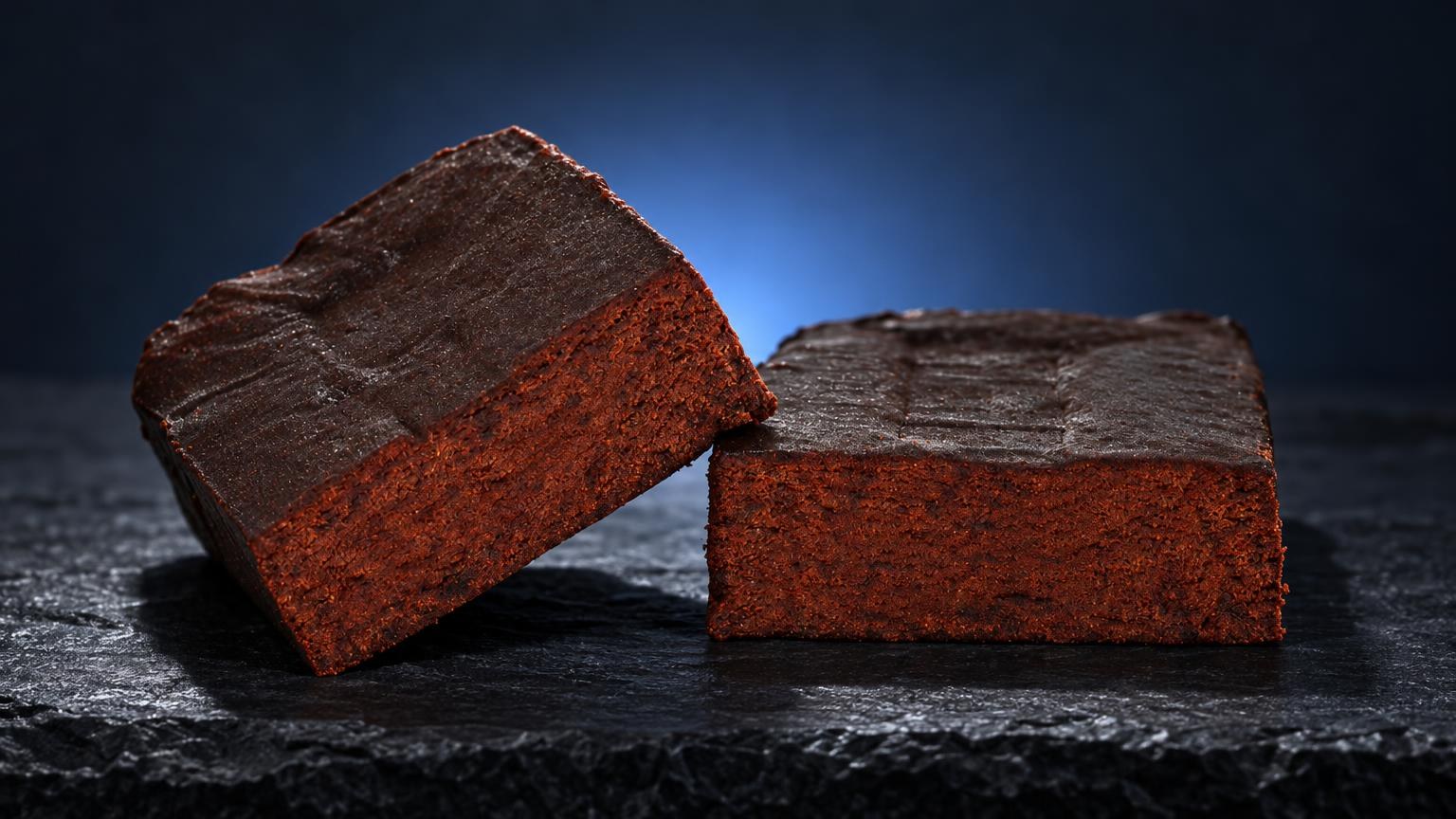
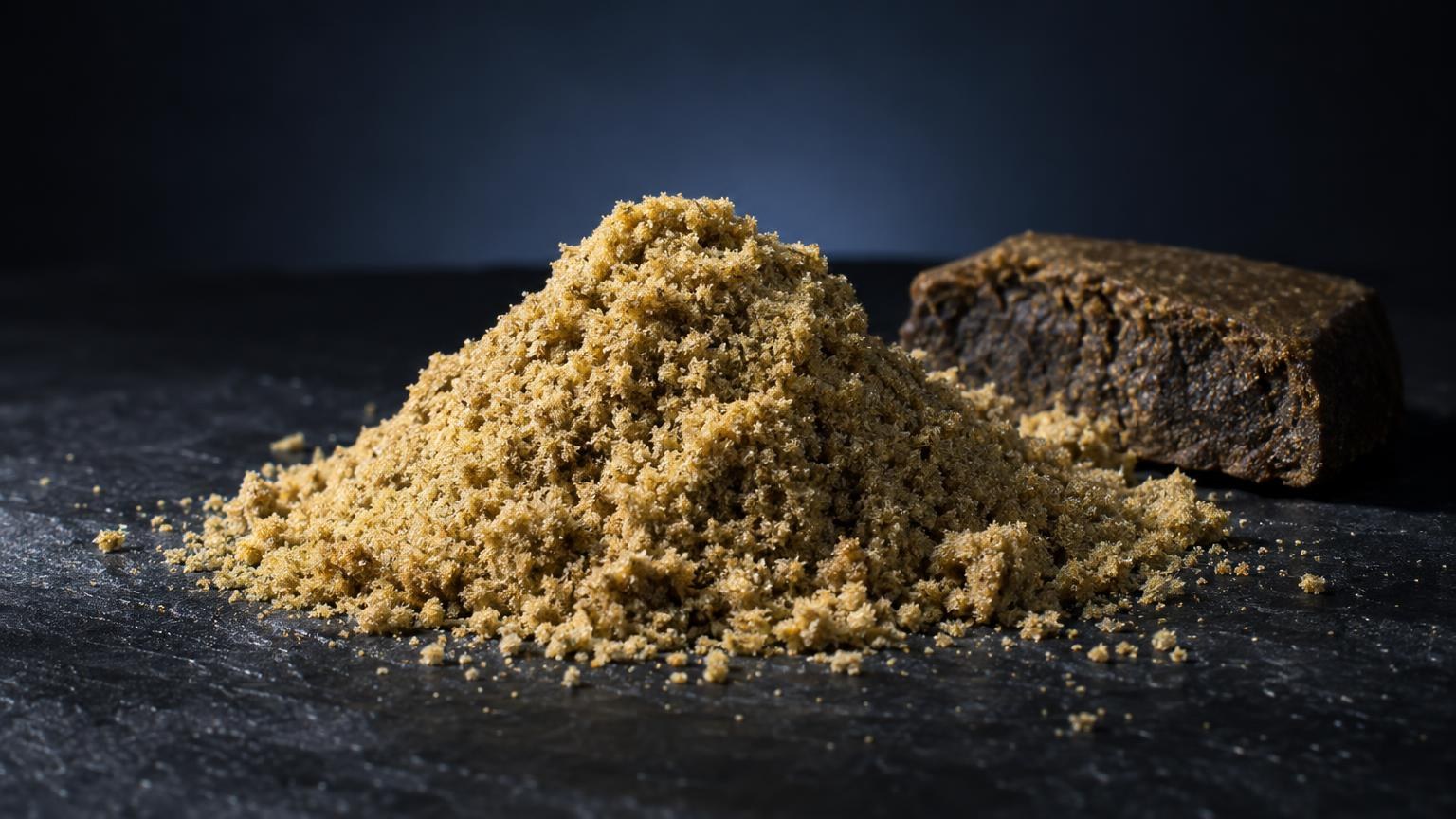
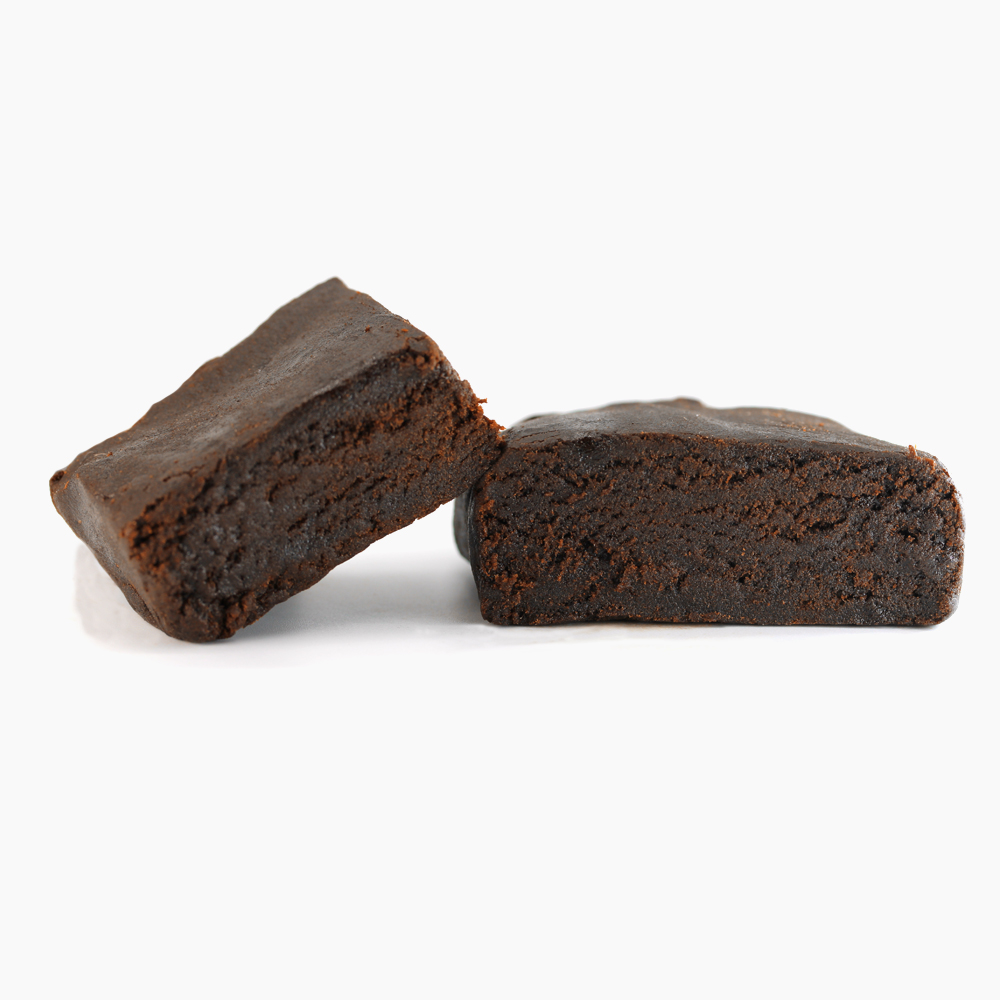
Historically, the hashish consumed around the Mediterranean was dry sift, sieved and pressed into blocks that feel sandy or fudgy. Ice water hash separates the trichomes in cold water instead, coming out lighter and crumbly, like brown sugar.
Each method gathers the trichome heads, where the plant keeps its THC, CBD and terpenes, but in its own way. From Germany to the Netherlands, “hash” gets stretched over all these different types of resin, so the label tells you more than the name.
Live resin vs live rosin: what’s actually different?
Both start from plants frozen right after harvest, keeping the fresh terpene profile that drying tends to flatten. The split comes next: live resin is extracted with a solvent in a lab, then purged, usually looking glossy and saucy or whipped like budder.
Live rosin uses only heat and pressure, typically pressing ice water hash made from that frozen material. It’s solventless, with a creamy, butter-like body and an aroma closer to the living plant. Among the types of resin, this is the one purists ask for by name.
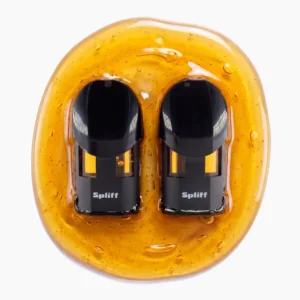
The Magic Pod Live Rosin x2 puts that solventless format into a pod pack of two, so you get the live rosin profile without handling a sticky concentrate.
How is cannabis resin extracted?
Cannabis resin is pulled off the flowers and leaves of the cannabis plant in four main ways: dry sifting, ice water extraction, heat and pressure (rosin), or a solvent such as butane or ethanol in an equipped lab. Each method shapes the final texture, how much aroma survives and how clean the result is.
Keep one split in mind. With cannabis resin extracted mechanically or by pressing, nothing but the plant goes in. With solvents, a batch analysis is what tells you the finished product is clean.
What does ice water extraction actually do?
Ice water extraction uses cold, water and gentle agitation to knock trichomes loose from the cannabis plant without any chemical. Those trichomes are the tiny resin glands where the plant stores cannabinoids like THC and CBD, along with its terpenes. The cold makes these resin heads brittle, so stirring breaks them off the leaf.
The slurry drains through a stack of mesh bags, sorting the heads by size. The middle screens catch intact, oily heads that melt almost completely when warmed. That’s what “full melt” means.
Finer and coarser screens pick up broken stalks and leaf dust, so those grades look duller and taste grassier. What finished cannabis products contain depends on which grade went in: resin extracted from the top screens is high-grade material with a bright, clean terpene profile that lower grades can’t match.
How do you judge the quality and potency of cannabis resin?
Judge cannabis resin on two levels. Your senses check colour, texture and an aroma that should smell fresh and terpene-rich rather than flat or oxidised, while the label checks declared cannabinoids, batch analysis and origin. Potency is a number, quality is the whole picture.
A dark colour is a clue, not a verdict. Be wary of any high potency figure that arrives without paperwork to back it up.
Why do terpenes matter as much as THC or CBD?
Terpenes carry a resin’s identity: citrus, pine, pepper, damp earth. THC and CBD tell you how strong a product looks on paper, but say nothing about smell or taste. Two samples can share the exact same THC number and still hit your palate like lemon sorbet versus cracked black pepper.
Among cannabis resins, aroma is also your best freshness test: a flat nose usually means the frosting has already taken a hit.
That warning isn’t overcautious. According to the World Health Organization, performance on complex machinery can remain impaired for up to 24 hours after smoking as little as 20 mg of THC[2].
How is cannabis resin used and stored today?
Today, cannabis resin used by adults mostly comes in three formats: pressed hash with a soft, malleable texture, vape cartridges and pods filled with a concentrated extract, and concentrates such as rosin, live resin or hash oil. Each one sits at a different point between handling and convenience.
Each format shifts the balance of cannabis use between hands-on ritual and pure convenience.
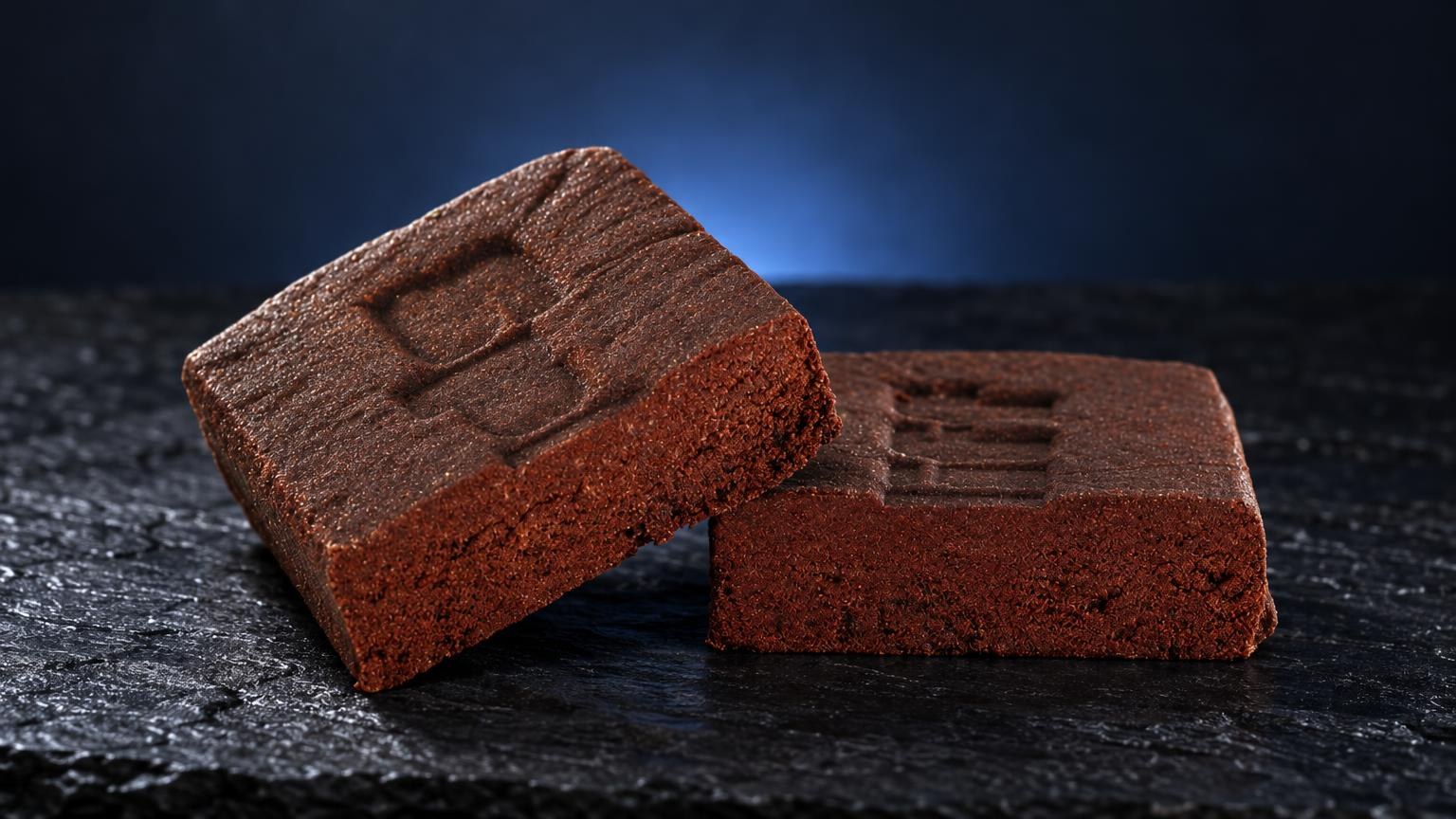
- Pressed hash: the classic. Its texture is malleable and it needs to be crumbled, making it the most hands-on format. Hand-rubbed styles associated with Nepal show how tactile this format has always been.
- Vape cartridges and pods: no crumbling, no sticky fingers, and steady flavour from first pull to last. The easiest option if you’d rather skip the handling.
- Concentrates: this family, including rosin, live resin and hash oil, carries the most intense terpene profile, but it’s sticky and needs dedicated gear.
Choosing a resin-based format at Spliff: live rosin, pod or vape
Once you know how you like to enjoy it, picking a cannabis resin format at Spliff comes down to three options.
If aroma comes first, go for the Magic Pod Live Rosin x2. Pressed rather than solvent-extracted, it keeps a flavour close to the original plant material, without drifting toward a generic distillate oil.
The Magic Pod x2 and the Magic Vape differ mainly in setup. Pods click into a rechargeable device you keep, while the Magic Vape, part of our THCX range, works straight out of the box. THCX is a trade name, not a molecule: every batch is lab-tested for classified molecules and none are detected.
Both product pages show the day’s price and current reviews side by side, the fairest way to compare them. On cannabinoids, THC is where all three formats line up: Every Spliff product is lab-tested: THC content below 0.3% (0% for vapes and pods).
Pick on flavour and convenience, not on promised effects. None of these formats is a medicine like Epidyolex, a cannabidiol product prescribed by a specialist doctor for specific medical conditions.[3]
- Terpene lover: the live rosin pod, no contest.
- In a hurry: the Magic Vape, with zero setup.
- Already own a device: Magic Pod refills.
- Classic hash fan: the hash THCX collection, where Kashmir Hash nods to the old hash traditions of northern India.
- Flower person: the CBD flower collection keeps the whole bud intact, a format many people still prefer.
Key takeaways on cannabis resin
With the vocabulary and formats sorted, picking the right resin comes down to taste, your preferred consumption method and how much of a prep process you’re happy to deal with. If you mostly smoke dried flowers, think of resin as the denser, more concentrated cousin: same plant, very different texture. Rules on hemp products differ across Europe, so check what’s legal where you live first.
Not sure how much to buy? Start small and size up once you know what you like. You’ll find the weights currently on offer in our hash collection.
Frequently asked questions
Can you smoke live resin on a joint?
Spliff does not provide guidance on consumption methods or mixing formats. Live rosin is sold pressed, as found in the Magic Pod Live Rosin, and is intended as a resin product rather than a joint additive; for a ready-to-use option without preparation, the THCX vape range works directly out of the box.
Sources
- Cannabidiol (CBD) critical review report — WHO Expert Committee on Drug Dependence — www.who.int
- Cannabis — World Health Organization — www.who.int
- Epidyolex (cannabidiol) — European Medicines Agency, EPAR — www.ema.europa.eu