 Written by Sophie Clarke
Nepali refers to Nepalese hash: a dark, soft, hand-rubbed cannabis resin with a spicy, earthy, incense-like aroma. The name describes a style, not a guaranteed origin, and it is distinct from the Indo-Aryan language[4]. Spliff lists sizes from 3 g to 100 g, and every product is lab-tested for THC content below 0.3%.
Contents8 sections
In cannabis culture, Nepali refers to Nepalese hash: a dark, soft, hand-rubbed resin named after the Himalayan hash-making tradition, known for its pliable texture and a spicy, earthy, incense-like aroma.
On menus and shop shelves, “Nepali” and “Nepalese hash” are used interchangeably. The name points to a style. It describes how the resin is traditionally worked by hand and how it feels between your fingers: closer to soft fudge than to a dry, crumbly brick.
This guide breaks down that sensory profile, from the texture to the black pepper and incense notes. It then places the style next to Moroccan, Afghan, static hash and ice rock, so you can see where it sits on the hash map. You’ll also find out what the THCX trade name means on a Nepali-style hash, and how to choose between a block of hash and vape pods if you’d rather vape.
What is Nepali hash?
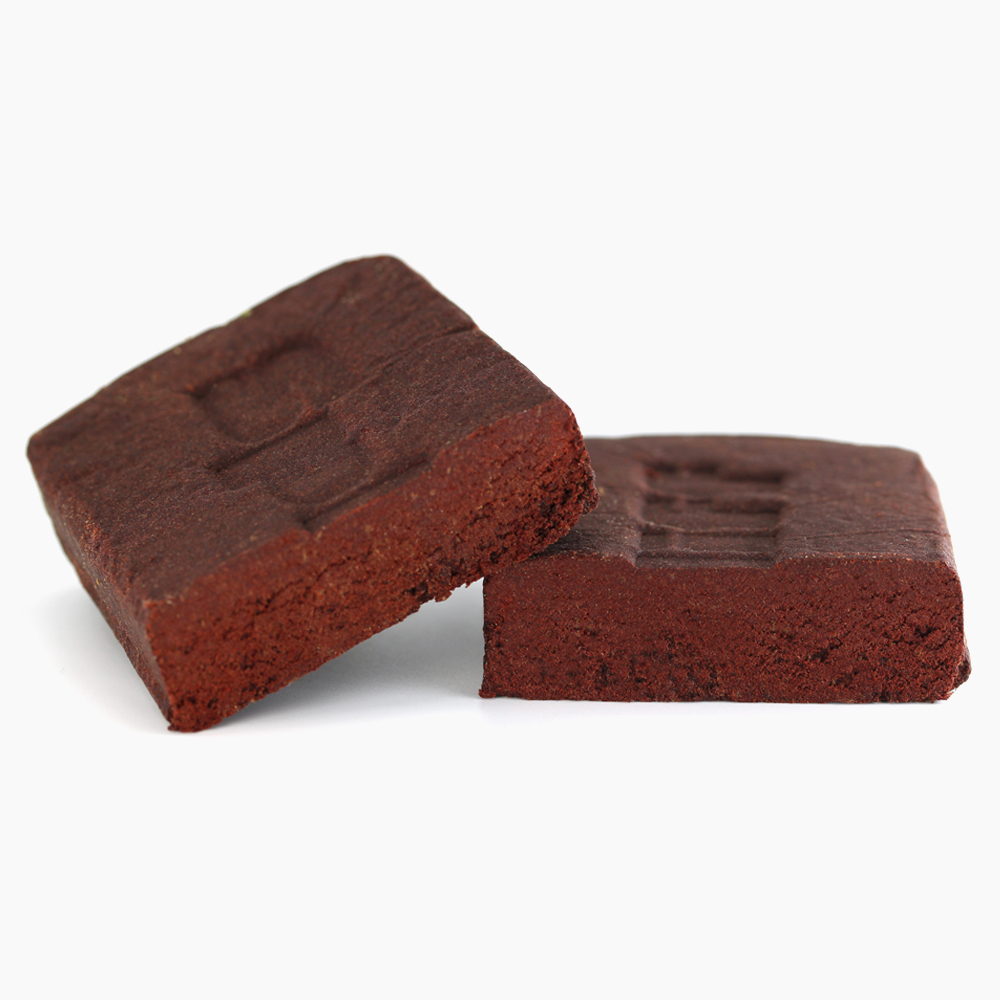
Nepali hash is a hand-rubbed cannabis resin named after the hash-making tradition of the Himalayan foothills, where resin is gathered by rubbing flowering plants between the palms. That method gives a soft, dark, slightly tacky hash with a warm, spicy aroma. Today the name describes a style and a texture more than a guaranteed origin.
So where is Nepali from, in the hash sense? The name points to the mountain valleys of Nepal and the wider Himalayan region, where hand-rubbing is the classic technique.
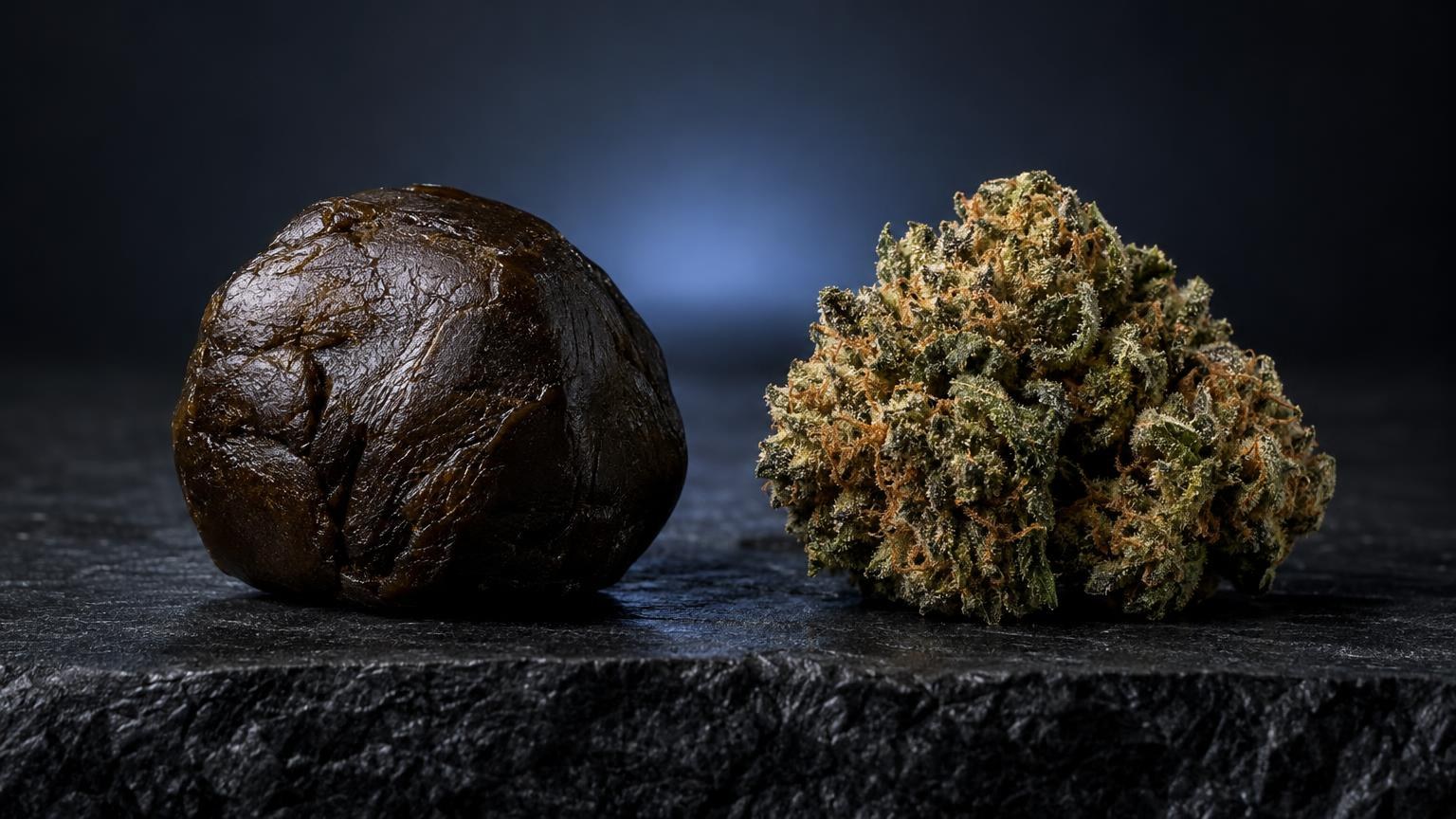
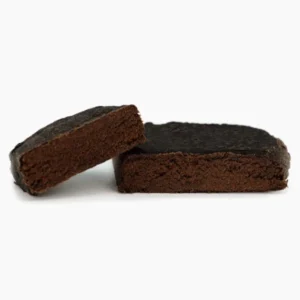
Hand-rubbing is what makes the style recognisable. Instead of sifting dried plants through fine screens, the resin builds up on the hands and gets pressed into a supple mass, closer to soft fudge than a dry, crumbly block.
That texture is also why the tradition carries so much weight in the name: a fresher, oilier resin with a rounded aroma, rather than the sandy feel of sieved hash.
How is Nepalese hash traditionally made?
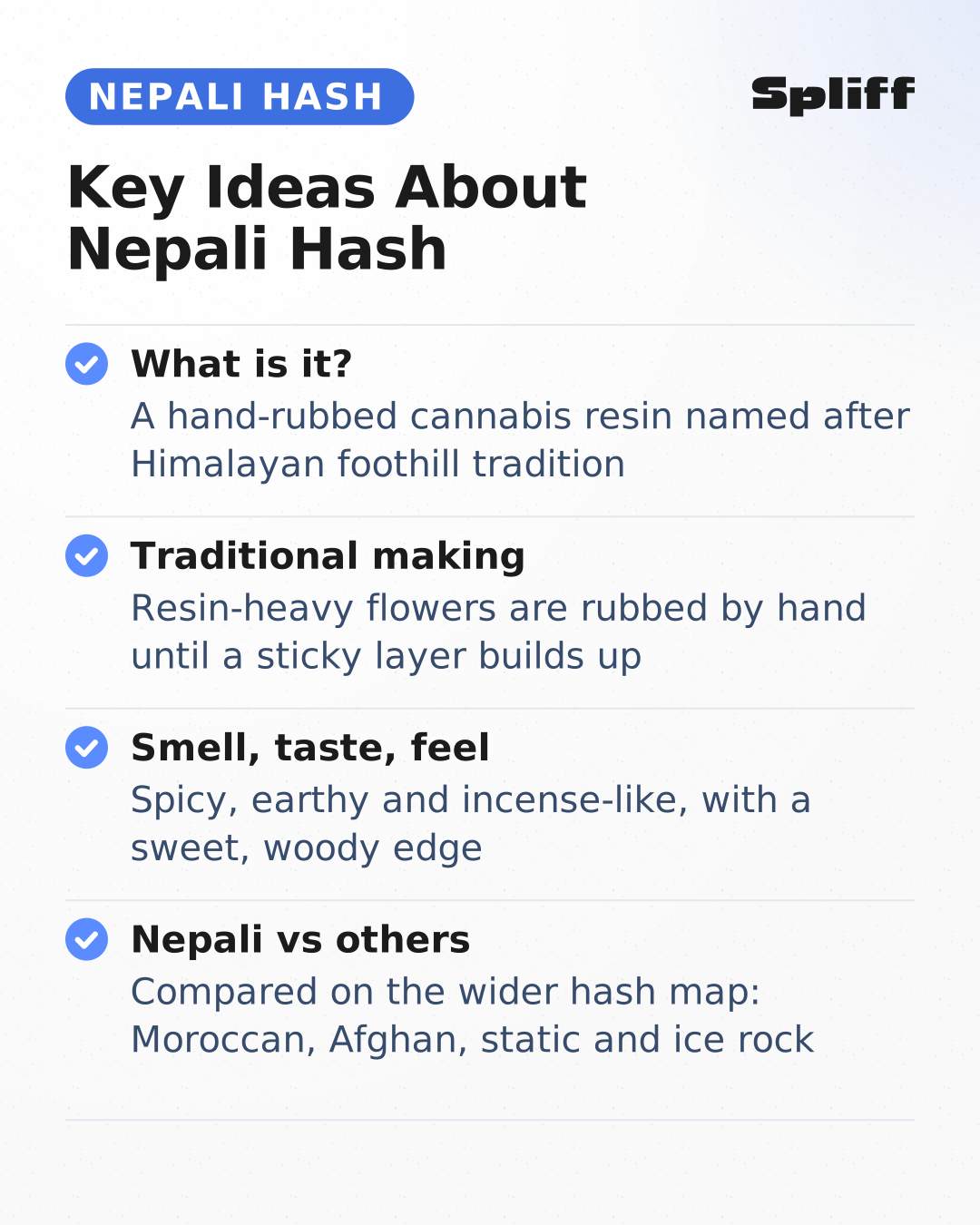
In the classic description, Nepalese hash is made by hand: ripe, resin-heavy cannabis flowers are rubbed between the palms until a sticky layer builds up, then rolled off and pressed into balls or slabs. Treat this as the traditional, generic account passed along in hash culture, not a method documented by a dedicated source. No sieves, no water, no machines: just warmth, pressure and patience.
What is hand-rubbed hash, exactly?
It’s resin moved from the plant to the hands, then reshaped into a block. The craft comes down to three moves:
- Rub: palms work gently along flowering buds, and the sticky resin heads cling to the skin.
- Collect: the dark film that builds up is rolled off the palms.
- Shape: those scrapings are kneaded together into a small ball or stick.
Think hand-thrown ceramic bowl, not factory line: two batches of hand-rubbed hash rarely look identical.
Why is Nepali hash so soft and dark?
Because the resin never becomes dry powder. It goes from plant to palm to ball while still oily and warm, and constant kneading spreads those oils through the piece, giving a pliable texture instead of a crumbly one.
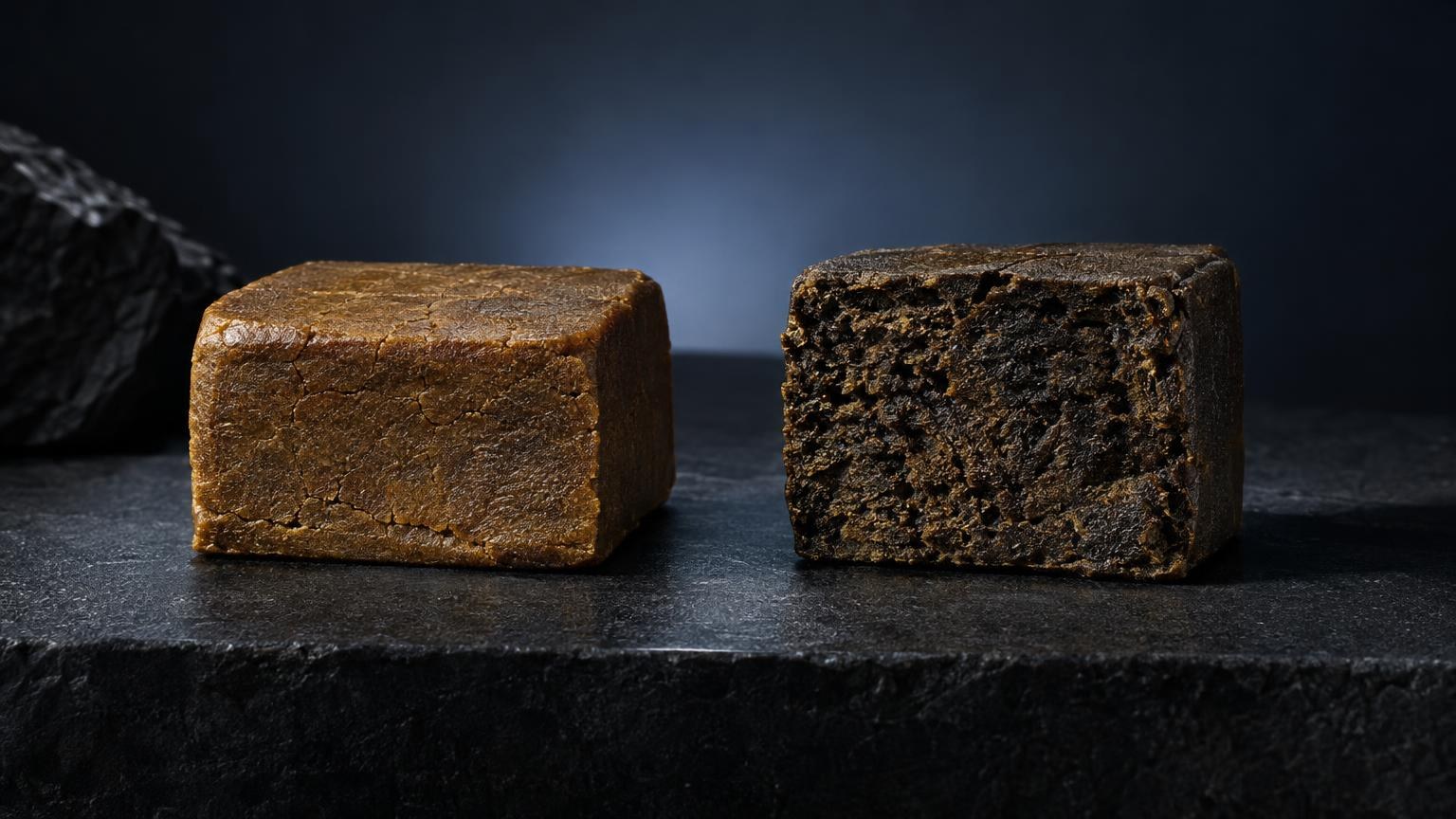
The dark exterior comes from the same handling: rubbed, rolled and exposed to air again and again, it darkens like the crust on a loaf while the inside often stays lighter.
What does Nepali hash smell, taste and feel like?
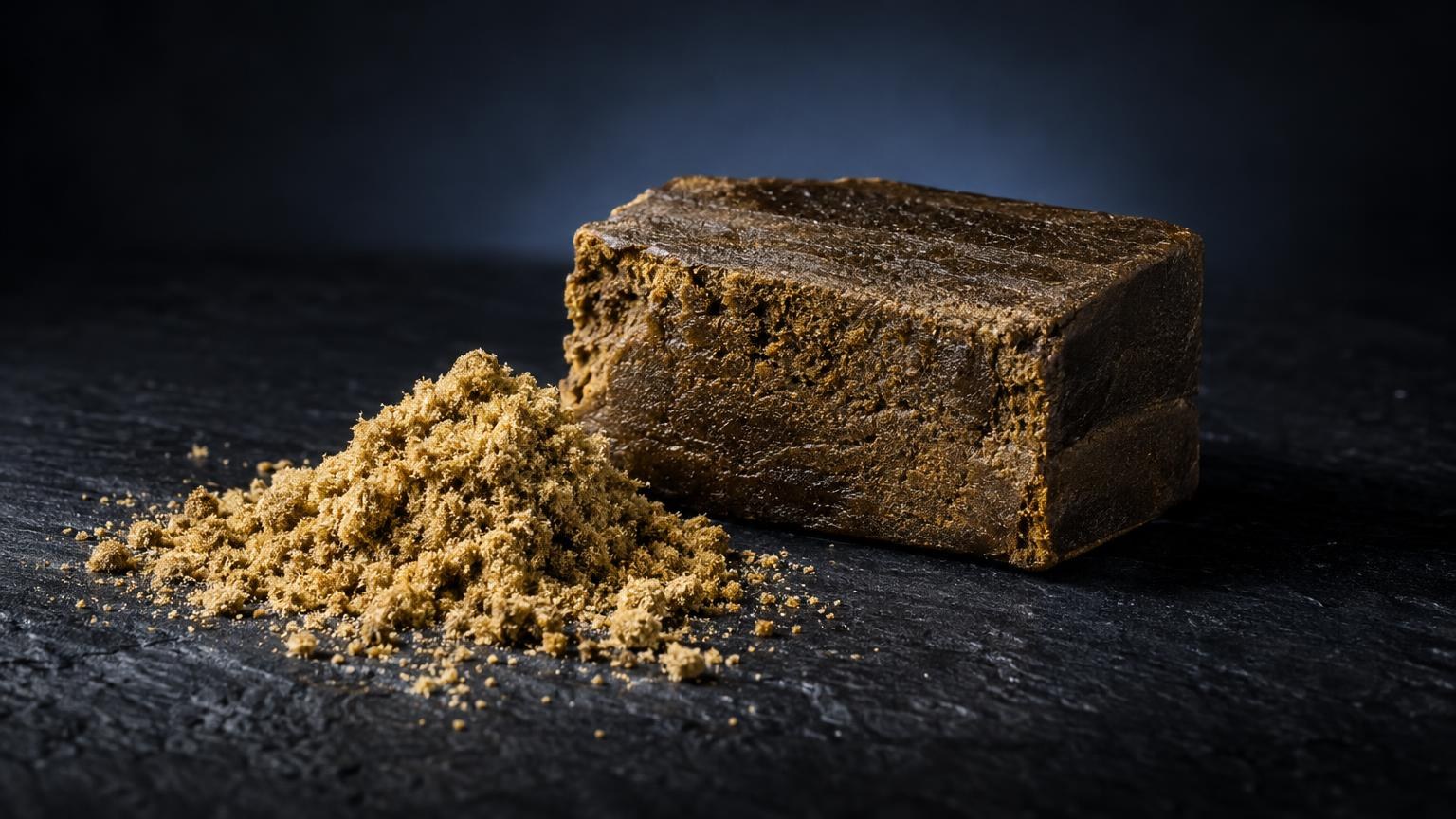
Nepali hash is generally described as spicy, earthy and incense-like, with a sweet, woody edge. It feels soft and pliable, a bit like fudge or modelling clay, and it’s dark on the outside, sometimes lighter when you break it open. Those sensory cues identify the style better than the name on the label.
Start with the texture: a good Nepali gives under your thumb instead of crumbling. On the nose, the profile usually attributed to the style is a spice rack sitting next to a temple.
- Black pepper and spice: often associated with caryophyllene, a terpene generally described as peppery.
- Damp earth: commonly linked to myrcene, which is often said to pull a hash in this direction.
- Incense and sweet wood: the warm, resinous base note usually reported as rounding everything off.
Terpenes are aroma compounds, the same family that perfumes pepper, hops and pine. These pairings are how the profile is commonly explained, not a lab verdict, and they speak to smell, nothing more. The taste is usually described as an echo of the nose: pepper up front, a woody, slightly sweet finish.
Nepali vs Moroccan, Afghan, static hash and ice rock
Once you can spot a Nepali by touch and smell, the next step is placing it on the wider hash map.
| Style | Method | Texture | Typical colour | Aroma profile |
|---|---|---|---|---|
| Nepali | Hand-rubbed | Soft, pliable, slightly tacky | Dark brown to black | Spice, earth, incense |
| Moroccan | Dry-sifted, pressed | Drier, sandy, crumbly | Light to mid brown | Herbal, hay-like, mild |
| Afghan | Hand-pressed, kneaded | Dense, oily, very soft | Deep black | Heavy, earthy, resinous |
| Static hash | Modern dry separation | Fine, powdery or lightly pressed | Pale blonde | Clean, close to the strain |
| Ice rock | Coated product | Hard core, dusty outer layer | Green-gold crust | Depends on the coating |
Against Moroccan, the contrast is like fudge next to shortbread: Nepalese hash bends and smells of pepper and incense, Moroccan crumbles and leans herbal.
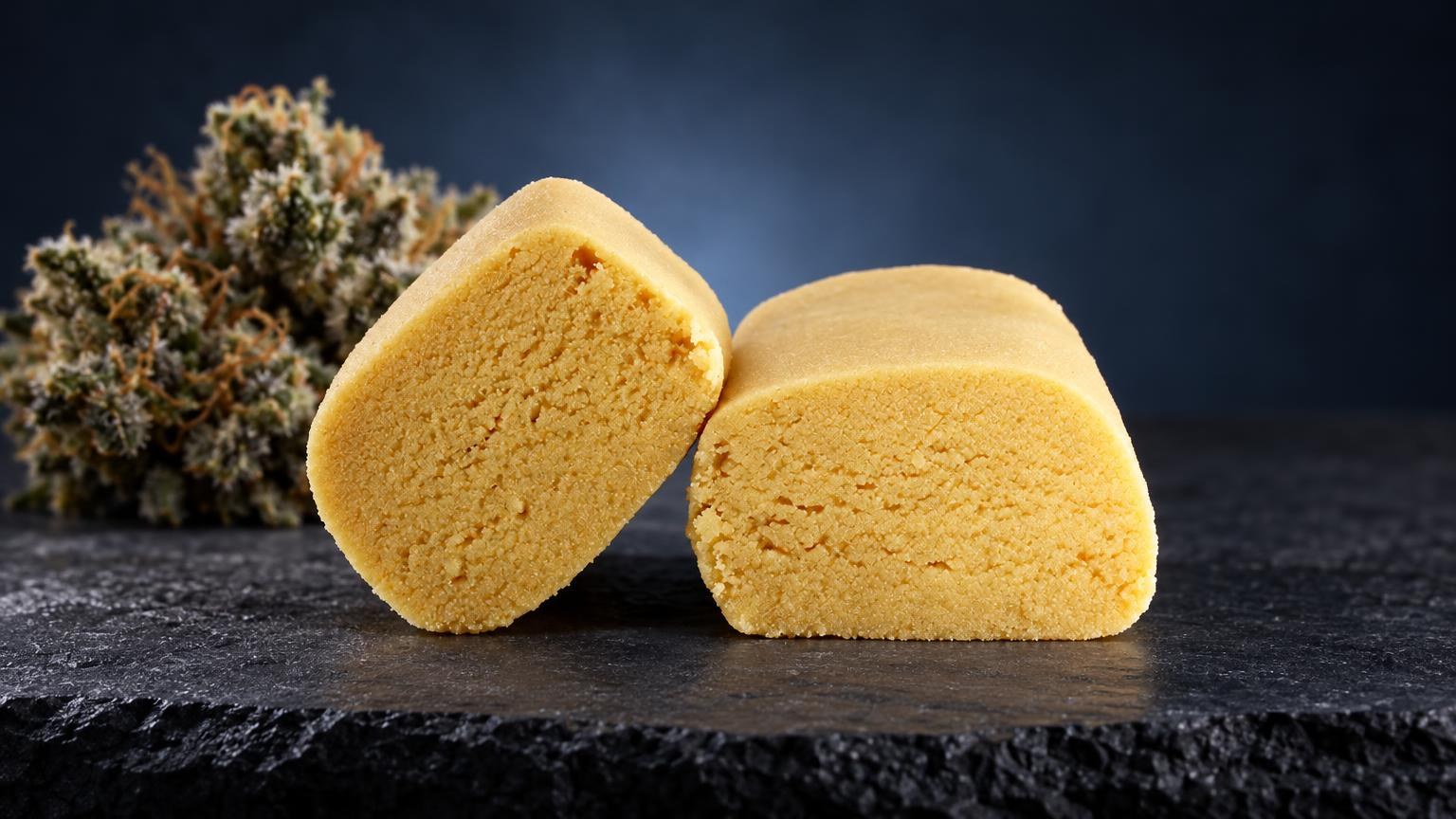
Static hash and ice rock come from another world entirely. Nepali is a hand-made tradition, while those two are modern lab-style or layered products built for a clean or showy finish.
What does '30% THCX' mean on a Nepali hash?
On a Nepali hash, “30% THCX” is the content the brand states for its THCX range in that product. It tells you how concentrated the batch is said to be, not how it will feel or how the piece was made. Read it as a spec, not a promise.
Think of it like the ABV on a bottle of wine: useful, but silent about the grape, the soil or the cellar. THCX is a trade name, not a molecule: every batch is lab-tested for classified molecules and none are detected.
Don’t let the number do all the talking. Judge the piece on texture and aroma cues, and use the percentage as one line on the spec sheet.
- The percentage: a figure the brand states, nothing more.
- The description: the aroma and texture words should match the Nepalese hash profile.
- Bold claims about effects or origin with nothing behind them: a red flag.
The lab analysis of each batch is available on request from customer service.
One more distinction: the European Medicines Agency has assessed and authorised a specific cannabidiol medicine, Epidyolex, under its own EU procedure[3]. A hash, a vape or a CBD oil bought as a consumer product is not that medicine.
Choosing your Nepali: hash or vape pod?
Pick the hash if you want the soft, fudge-like texture, the peppery, incense-heavy aroma and the small ritual of handling a piece. Pick a vape pod if convenience matters more: no crumbling, no prep, a sealed format that’s ready in seconds. Decide on format first, then aroma, then ease of use.
With the label decoded, what’s left is how you like to consume. These are the criteria worth weighing:
- Format: a block you break up and prepare, or a pod you click into place.
- Aroma: the full spice-and-earth character of resin, or a cleaner, vaporised take.
- Ease of use: hash asks for a little prep and patience; a pod asks for a charged battery.
- Price and reviews: check the price of the day on each product page, alongside the rating when it’s displayed.
If texture is the whole point, the Nepali 30% THCX is the natural pick. Start with a small size to see if the style suits you before moving up.
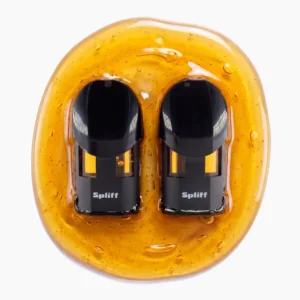
For vaping, the Magic Pod Live Rosin x2 brings a rosin profile closest to a resin experience. For something simple and discreet, the classic Magic Pod x2 does the job without fuss.
Conclusion
Whichever format wins, the Nepali logic stays the same: you’re buying a texture and an aroma first, a number second. So let your fingers and your nose have the final say.
If spice, softness and a bit of ritual are what you love in hash, Nepalese hash is your lane. If you mainly chase raw intensity, other styles will suit you better.
We ship notably to these 4 countries: Austria, Belgium, Germany and the Netherlands. When you’re ready, browse the hash collection and pick the Nepalese-style piece that fits your nose.
Frequently asked questions
How do I make a sentence in Nepali?
For language learning, you’ll want a dedicated linguistic resource rather than a hash guide.
Is Nepali easy to learn?
We can’t speak to language-learning difficulty here.
Is Nepal wealthy or poor?
This page is dedicated to Nepali hash, its hand-rubbed tradition, texture and aroma, not to Nepal’s economy. For that topic you’d need an economic or geographic source rather than a cannabis guide.
What is famous in Nepal for girls?
This isn’t something covered here, as the page focuses specifically on Nepali hash: its hand-rubbed origin, texture, aroma and how it compares to other hash styles like Moroccan or Afghan.
Sources
- Epidyolex (cannabidiol) — European Medicines Agency, EPAR — www.ema.europa.eu
- Nepali language – Wikipedia — en.m.wikipedia.org