 Written by Sophie Clarke
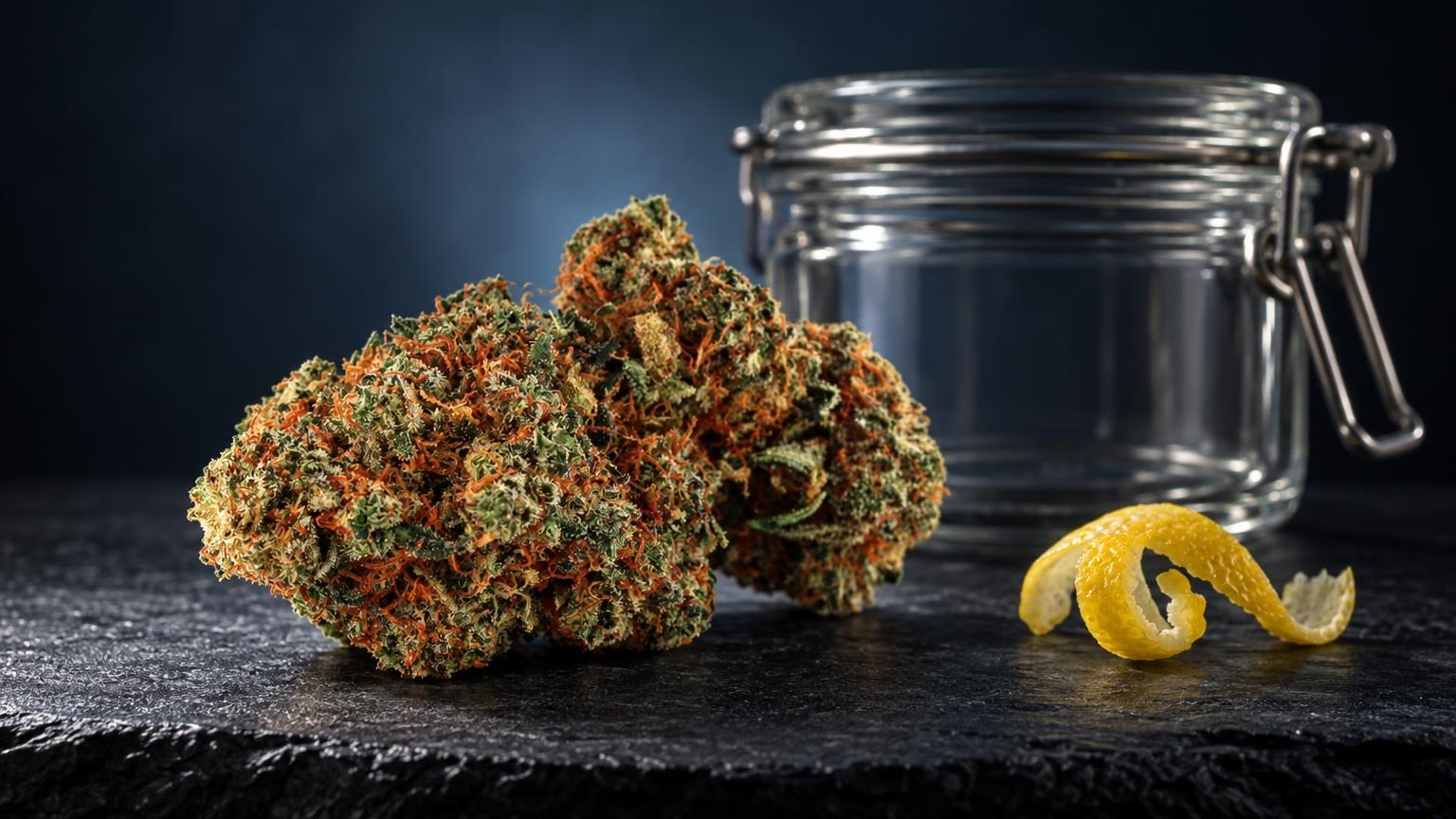
Cannabis flower is the dried, trichome-covered bud of the female Cannabis sativa plant[4], prized for its cannabinoids and terpenes, aromatic compounds shaping aroma. Available from Spliff in 3 g to 100 g, it ranges from low levels THC CBD-rich flower to THC-dominant buds, with indica/sativa tags describing ancestry more than effects.
THCX flowers at Spliff · from €2.80/g · ★ 4.9/5 (559 reviews)
72 h delivery in Europe · Free delivery from €99
Contents8 sections
- What is cannabis flower, exactly?
- Indica, sativa or hybrid: what do strain labels really tell you?
- CBD flower, THC flower or THCX flower: what's the difference?
- Can you eat cannabis flower, and will it get you high?
- How should you store cannabis flower, and can you freeze it?
- Cannabis flower or vape pod: choosing the format that suits you
- Conclusion
- Frequently asked questions
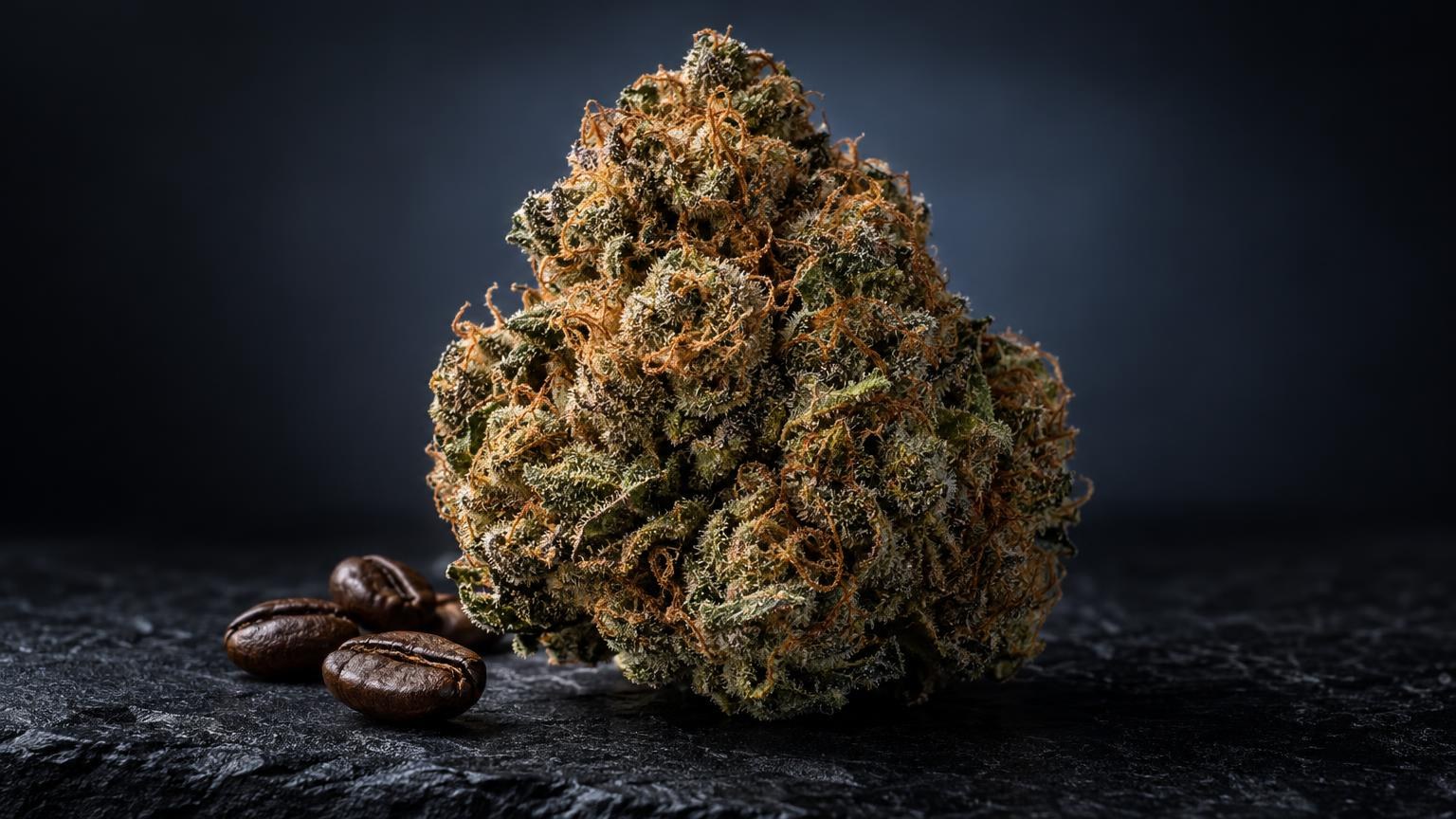
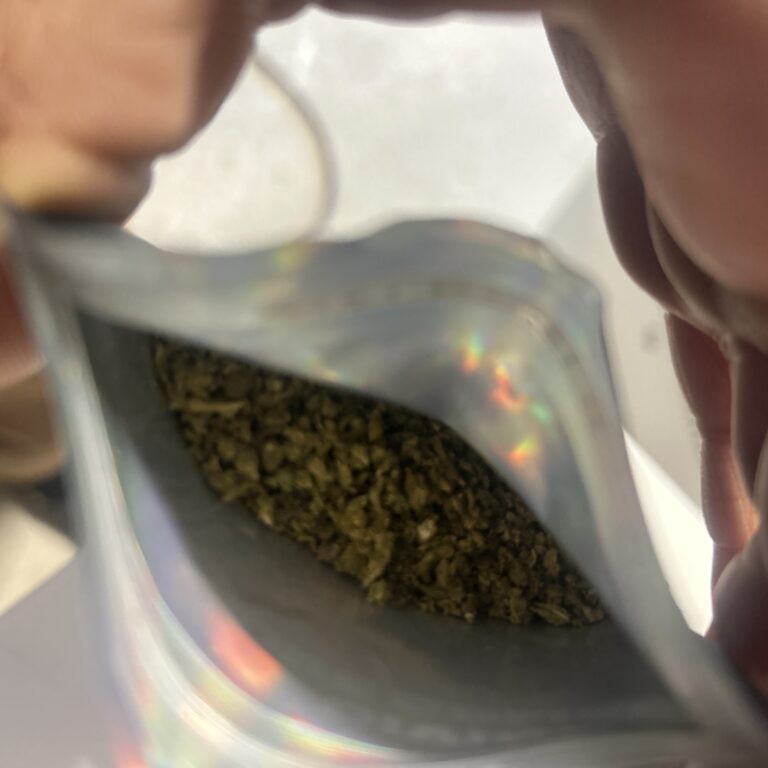
Cannabis flower is the dried and cured bud of the female cannabis plant, the resin-coated top where the plant concentrates its cannabinoids and aromas. Call it bud, weed or marijuana flower: it’s the same harvested flowering head, trimmed, dried and ready to use.
Look closely and you’ll spot a frost of tiny crystals. Those are trichomes, the plant’s little factories, producing cannabinoids such as THC and CBD plus terpenes, aromatic compounds behind notes of citrus, pine or pepper. Trichomes are to a bud what the crust is to a good loaf, or the bouquet to a wine: where the character lives.
Hemp, marijuana and cannabis aren’t three different plants.
From here, you’ll learn to read a label (indica, sativa, hybrid, cannabinoid content), tell the main flower types apart from medical cannabis, and understand the chemistry behind eating raw bud and decarboxylation. Then you’ll see how to store your buds properly and decide between flower and a vape pod.
What is cannabis flower, exactly?
Botanically, cannabis flower is the inflorescence of the female Cannabis sativa plant: a tight cluster of calyxes and pistils that becomes the bud you buy once it’s dried and cured. As Wikipedia’s entry on cannabis puts it, the female cannabis flower has visible trichomes[4].
Those trichomes are where cannabinoids and terpenes build up, along with the aromas tied to each strain. Leaves carry far fewer of them, which is why trim sits below flower. The bud is still the only format where you see, smell and handle the plant’s resin whole.
Hemp flower vs marijuana flower: same plant, different label?
Hemp is the everyday word for cannabis plants bred for low THC levels, grown for fibre, seeds or CBD-rich flowers. Marijuana flower names buds from plants selected for higher THC, the kind people reach for to get high. In the jar, a THC or CBD flower can look almost identical.
Indica, sativa or hybrid: what do strain labels really tell you?
Indica, sativa and hybrid labels mostly describe a strain’s ancestry and the shape of the plant it came from, not what’s in your jar. Many modern strains are crosses, so when you pick cannabis flower, the cannabinoid ratio and the terpene profile tell you far more about aroma and character than the tag does.
The words come from botany. Indica described short, bushy, broad-leaved plants, while sativa named tall, slender ones. Add ruderalis and you get the classic indica sativa ruderalis trio that still shows up on seed packs and menus.
Decades of crossing have blurred those lines, and on today’s recreational shelf a modern sativa indica cross can lean either way. Read the tag as family history: useful, never decisive. For the cannabinoid side, check the CBD/THC ratio, since the World Health Organization names THC as the major psychoactive constituent of cannabis[2].
Why terpenes say more than the indica or sativa tag
Terpenes work like grape varieties in wine. The region on the bottle gives you context, a hint of the growing conditions, but the grape tells you how it tastes. On strains, look for the dominant terpene listed:
- Myrcene: earthy, ripe mango
- Limonene: lemon and orange peel
- Pinene: fresh pine needles
- Caryophyllene: cracked black pepper
Then read the rest of the sheet: strain name, ratio, aroma notes and bud texture (dense, airy or sticky). No label comes with a prescribed experience, so choose by nose first, and the indica sativa debate quickly fades into the background.
CBD flower, THC flower or THCX flower: what's the difference?
The real split is the amounts of CBD and THC inside the bud. CBD flower carries high levels of CBD and only low levels of THC, so it isn’t psychoactive the way THC is. THC-rich flower is built around that psychoactive compound. THCX flower is a Spliff product category sold under its own trade name.
What separates them is the cannabinoid ratio on the label, not the look of the bud.
| Type | Dominant cannabinoid profile | Psychoactive THC? |
|---|---|---|
| CBD flower | High levels of CBD, low THC | Not psychoactive like THC |
| THC-rich flower | THC dominant | Yes |
| THCX flower | THCX is a trade name, not a molecule: every batch is lab-tested for classified molecules and none are detected. | See each product page |
| Medical cannabis flower | Standardised, set per product | Yes, when it contains THC |
Pick CBD flower for taste and terpene character, the aromatic compounds behind a strain’s smell. It comes with no health promise attached.
If you’re after the THCX side, the THCX flowers collection groups the whole family. The lab analysis of each batch is available on request from customer service.
Medical cannabis is a standardised product that moves through doctors and pharmacies, not shop shelves. Questions about its effects, or whether it’s right for you, belong with a doctor. Rules vary from one European country to another, so check yours locally.
In the flower line, strains like Bubba Kush or Diamond Kush come in 3 g to 100 g formats, so you can grab a small jar to explore the aroma first.
Can you eat cannabis flower, and will it get you high?
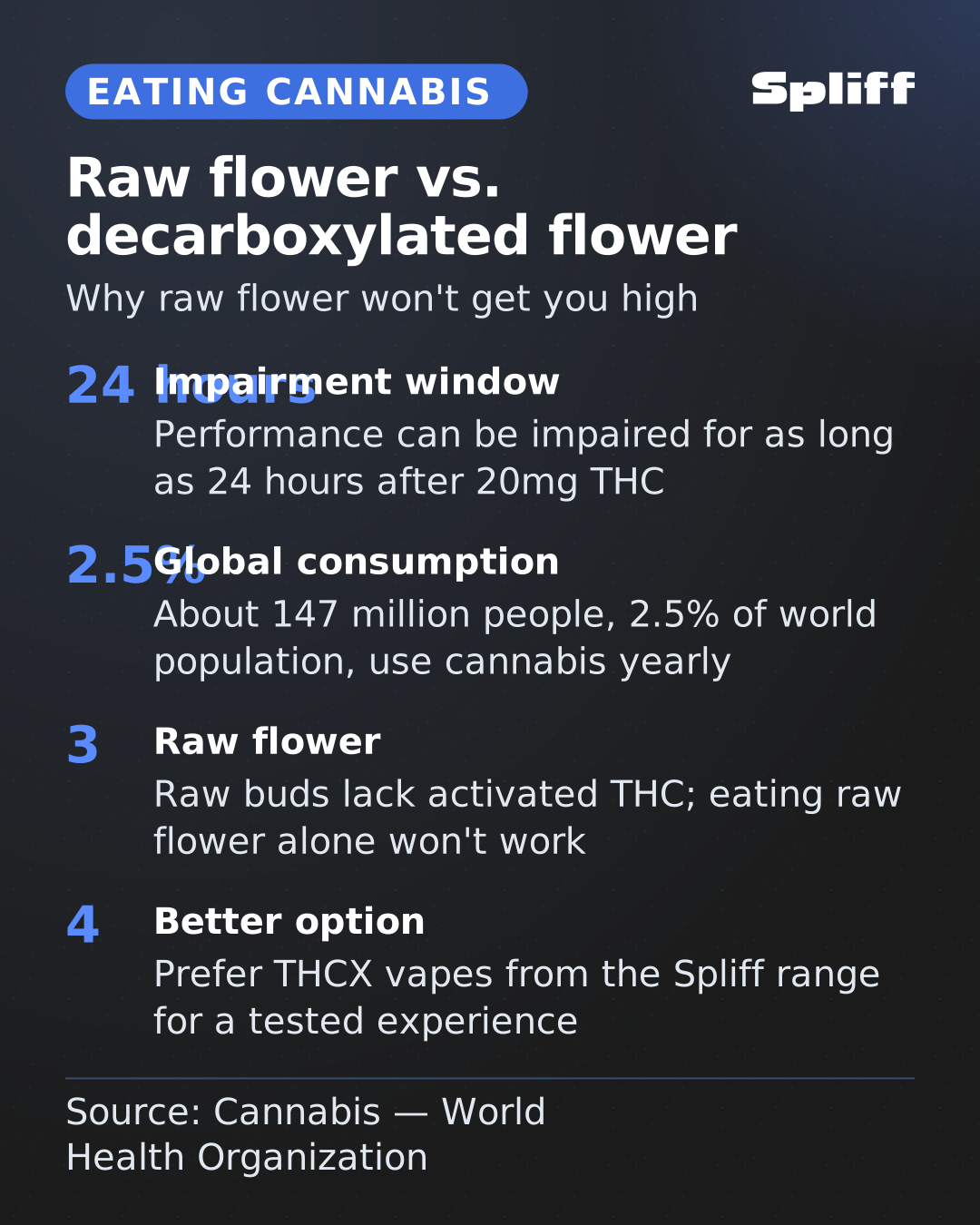
Yes, you can eat cannabis flower, but raw bud stores most of its cannabinoids as acids, THCA and CBDA, rather than as THC and CBD. Eating it straight from the jar skips the heat step that converts those acids. That’s why edibles and gummies always start with gentle cooking in a fat such as butter or oil.
What heat does to THCA and CBDA
Heat strips a small carboxyl group off each acid molecule, turning THCA into THC and CBDA into CBD. This is decarboxylation, a slow chemical change driven by temperature.
Time matters as much as temperature. Stop too early and the conversion stays partial, so even a strain bred for high levels of CBD and low levels of THC mostly hands you CBDA. Push too far and you scorch the terpenes that gave the flower its aroma.
Then comes the fat. Cannabinoids dissolve in fat, not in water, so infusing decarboxylated bud in butter or oil is the step that turns a jar of buds into the base for edible THC products, from gummies to infused chocolate.
Questions about the effects of medical cannabis on your health belong with a specialist doctor, and medical cannabis flower is prescribed by a specialist doctor, not improvised from a jar. Cannabis is for adults only (18+), and never drive afterwards. According to the World Health Organization, human performance on complex machinery can be impaired for as long as 24 hours after smoking as little as 20 mg of THC[2].
Our standing reminder at Spliff: CBD is not a medicine and is not a substitute for medical advice or treatment. If in doubt, consult a healthcare professional.
How should you store cannabis flower, and can you freeze it?
Store cannabis flower, whether it’s THC or CBD flower, in an airtight glass jar, amber or opaque, kept somewhere dark, cool and dry, filled loosely and opened as little as possible. You can freeze it, but it’s rarely worth it: cold makes trichomes brittle enough to snap off, and condensation during thawing invites mould.
Once a bud is dried and cured, four things wear it down: UV light, oxygen, heat and moisture. Terpenes go first, so the aroma fades long before the bud looks any different. After that it turns dry and crumbly, while too much humidity brings mould, and ageing THC slowly breaks down into CBN, which is why old stash smells flat, like hay.
Think of it like coffee beans, or the “keep away from light and heat” line you see on any drug label. However you use cannabis, freshness lives in the aroma, and every time you open the container, air takes a little of it away.
- Glass jar, amber or opaque: sized to your stash, filled without pressing the buds down.
- Skip plastic bags: static pulls trichomes right off the surface.
- Avoid warm spots: no bread bin, no drawer near the oven or a radiator.
Two-way humidity packs release or absorb moisture to hold the air inside the jar steady. The same rules apply across all types of cannabis, whatever the genetic background, so a bud rich in CBD or THC stays springy instead of brittle.
Cannabis flower or vape pod: choosing the format that suits you
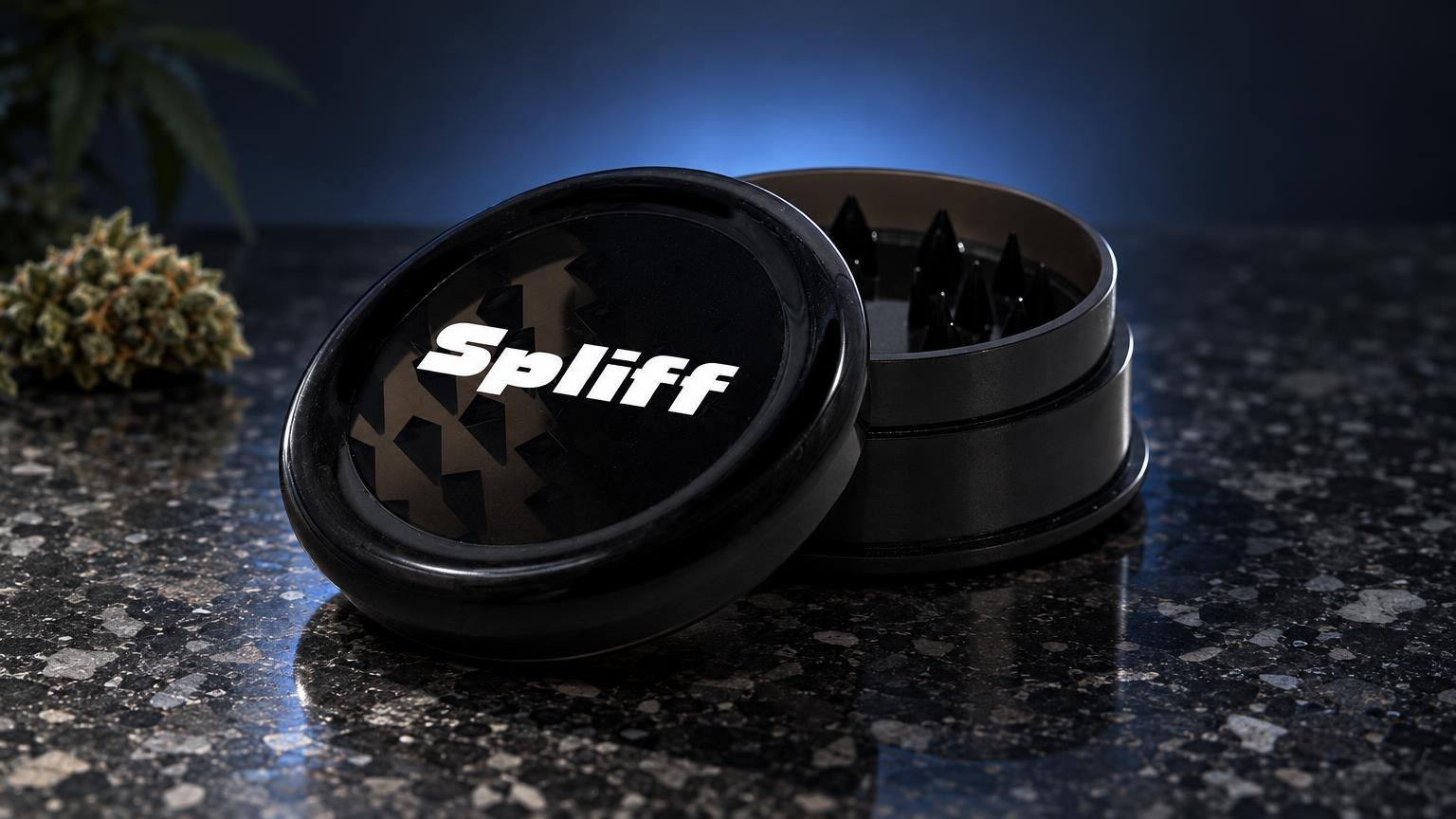
Once your jar is sorted, the last call is format: whole bud or a vape pod. Using cannabis flower is a hands-on ritual: you pick one of the many cultivars for its terpenes, break it up with a grinder, roll it in papers and follow how the aroma shifts as you go.
- Choose flower if you want the widest aromatic palette across different types of cannabis plants, the preparation itself, and the freedom to switch your THC/CBD flower of choice from one jar to the next.
- Choose a pod if you want discretion, no lingering smell and zero prep: no grinder, no papers, nothing to clean.
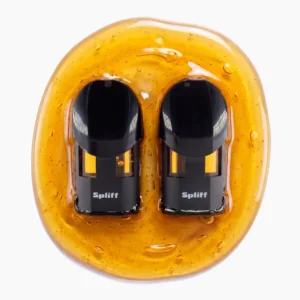
Live rosin is the pod world’s answer to terpene lovers. It’s a solventless extract made with nothing but heat and pressure, a bit like cold-pressed olive oil next to a refined oil: less processing, more of the plant’s original character. You’ll find it in our Magic Pod, either as the Magic Pod Live Rosin x2 or as the standard Magic Pod x2 if you just want a simple pod format.
Prefer the THCX side? The Magic Vape THCX is the vape alternative to THCX flowers, for when you want that potency in a pocket-sized format. THCX is a trade name, not a molecule: every batch is lab-tested for classified molecules and none are detected.
Our take: flower cannabis for exploring terpenes, a pod for convenience. Neither one wins outright, because each is used for a different moment.
Conclusion
Pod or jar, the bud stays the reference point. Most frequently asked questions about cannabis flower come back to the same few answers: read the THC CBD ratio before the indica or sativa tag (a species-style label that usually says less than you’d hope), follow the terpenes, and keep your jar dark, cool and airtight.
Raw bud won’t do what a decarboxylated one does. The legal picture differs from one country to the next, so check your own local rules, and any health question belongs with a specialist rather than a shop, because real evidence beats forum guesswork every time.
At Spliff, orders are dispatched promptly after payment, and we deliver notably in these 4 countries: Austria, Belgium, Germany and the Netherlands. Whether you lean CBD, THC or the THCX range, our CBD flower collection is a good place to let your nose decide the experience you’re after.
Frequently asked questions
What does cannabis do to your body?
Cannabis is a generic term for psychoactive preparations of the Cannabis sativa plant, with THC as its major psychoactive constituent[2]. Effects vary with THC content and individual sensitivity, and any specific health question should be discussed with a specialist doctor rather than a shop.
What is the biggest danger of cannabis use?
Documented risks include impaired performance on complex tasks like driving for up to 24 hours after smoking as little as 20 mg of THC[2], worsening of schizophrenia in affected individuals[2], and impaired fetal development with reduced birth weight when used during pregnancy[2].
How long does cannabis stay in your system?
Reliable data points to functional effects rather than a fixed clearance time: performance on complex machinery can remain impaired for as long as 24 hours after smoking as little as 20 mg of THC[2]. Individual factors affect this window, so a specialist doctor is the right source for personal guidance.
Sources
- Cannabis — World Health Organization — www.who.int
- Cannabis – Wikipedia — en.wikipedia.org