 Written by Sophie Clarke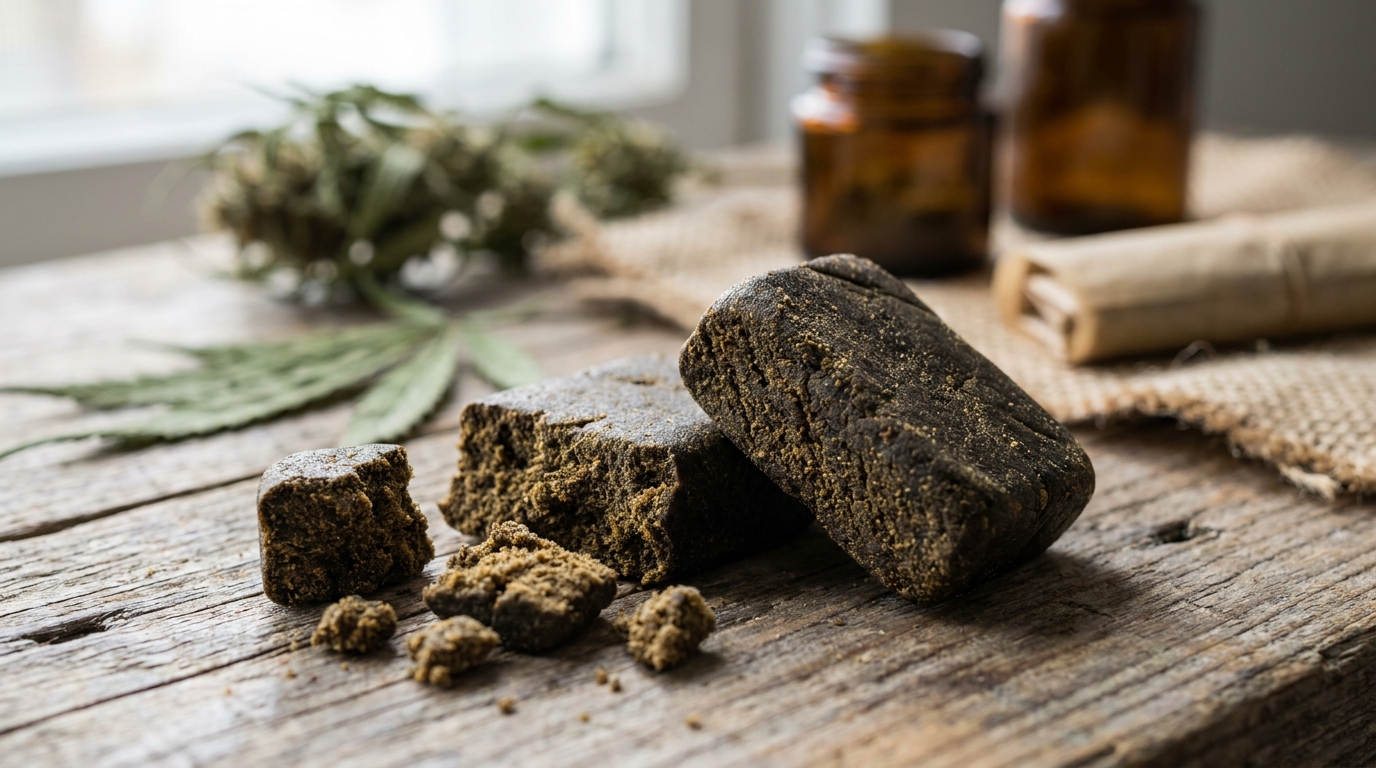
You’ll find filtered CBD and CBG hash on our shelves, with prices varying by retailer and quantity, as seen at this retailer. On the CBD side, the WHO Expert Committee on Drug Dependence found no evidence of abuse or dependence potential for cannabidiol in humans[1].
Hash THCX at Spliff · from €5.90/g · ★ 4.9/5 (362 reviews)
Contents7 sections
Triple filtered hash is made by sieving dried flower through three successive screens, each finer than the last, so fewer fragments of hemp plant matter end up in the final piece. That’s why labels call it 000 or Triple Zero: one zero per pass, a convention you’ll spot as a grade on menus and packs.
You’ll also see it sold as dry sift, filtered hash or triple filter hash, since the triple filtration process is a dry sift with no water involved. The grade tells you how clean the resin is, not how strong it is.
Our take: read the zeros before the price tag. They’re the quickest honest clue to how much leaf you’re paying for. 😉
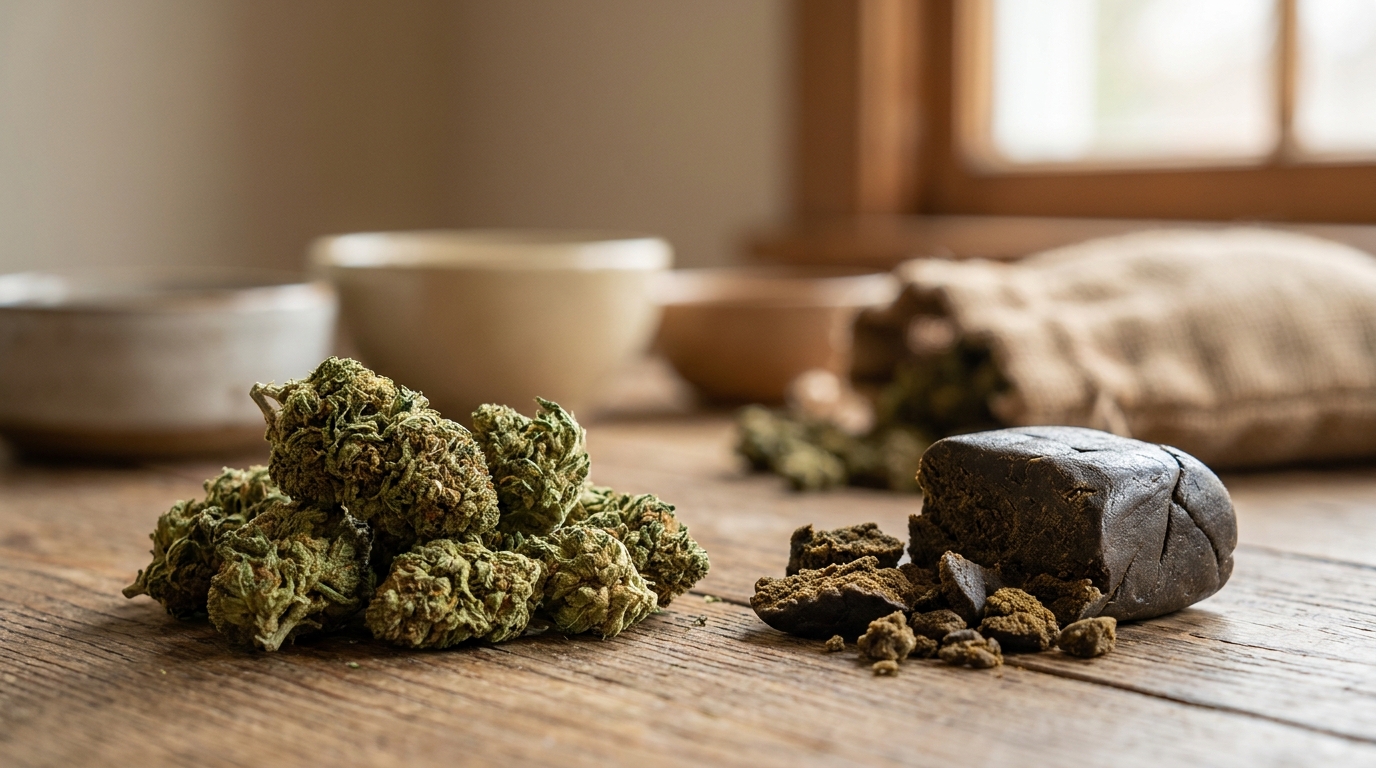
Still weighing hash against flower? Our hash vs weed guide covers that. Below, you’ll see what those passes change in the piece you hold, then two of our references side by side (one a CBD hash) with dated regular prices.
What triple filtered (000) means
Each extra pass through a finer screen catches more stray fragments of the plant, refining that same cleanliness score rather than adding anything new.
In artisanal practice, triple filtered hash is graded this way among makers, not by any official body. That grade shows up on the label whether you’re looking at filtered CBD or CBG hash, and whether the resin started life on an organic hemp plant or a conventional one.
A triple filtered piece of CBD hash can sit anywhere on the cannabinoid scale, just like a single-pass piece. Two blocks with the same 000 stamp can show a very different CBD concentration on their packs. Always read the pack, not just the stamp.
Where does the “concentrated” reputation come from? Separating resin glands from the buds is what gives any hash a higher percentage of cannabinoids than whole flower, a distinction our other guide unpacks. The third sieve adds nothing to that: this technique earns high marks for look and texture, not for the numbers.
What triple filtering changes in the hash you hold
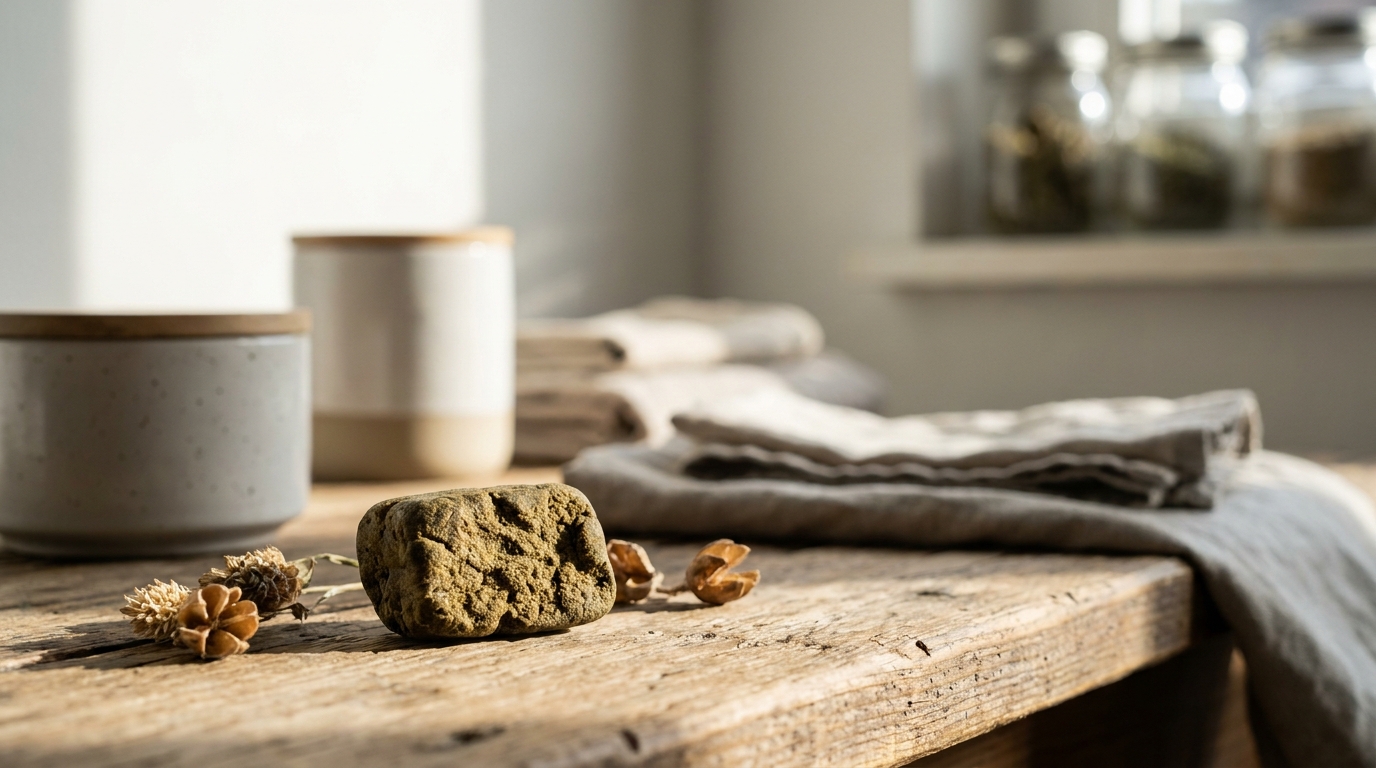
Start with your eyes. Colour is the first clue: a piece of triple filtered hash usually sits between golden and light brown, paler than a single-pass block.
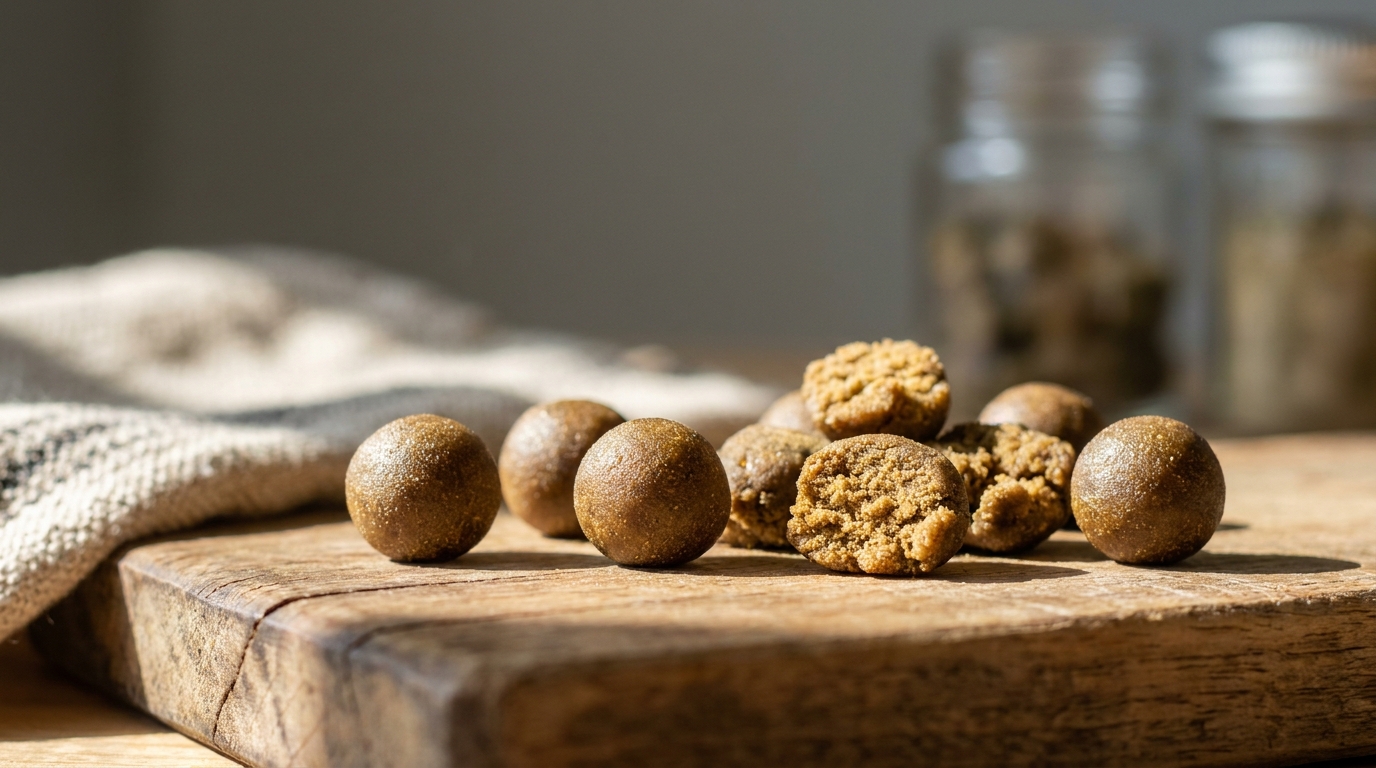
Then press it gently, whether it came loose or pressed into a small slab. The texture feels finer and more uniform, and it crumbles evenly between your fingers instead of shedding fibrous bits or tiny stems. That even crumble is the most telling sign of three passes you’ll get without a lab.
Now bring it to your nose. The aroma profile leans resin-forward, with far less of the grassy, hay-like note that stray plant fragments carry. A CBD filtered hash that still smells like a hayloft is telling you some of that plant matter slipped through. 🌿
Our take: if the three clues disagree, trust the crumble over the colour. Colour shifts with the strain and darkens as a piece ages, so a slightly deeper tone isn’t automatically a red flag. Fibres and stems breaking out of the piece, though, don’t lie.
- Single pass: darker, grainy crumble with visible bits, grassy nose.
- Triple filtered: golden to light brown, fine even crumble, resin-forward nose.
On a filtered CBD or CBG hash, the label names the cannabinoids, but the cleaner nose still comes from the resin, not from the cannabinoid itself. So treat what you smell as a quality clue and nothing more: colour, crumble and aroma describe purity, never effects.
Triple Zero 80 vs Triple Zero 30 THCX
Here’s how the grade plays out in our own catalogue: two products, one triple filtered hash standard, two different labels.
| Product | Range on the pack |
|---|---|
| Triple Zero 80 | CBD |
| Triple Zero 30 THCX | THCX range. THCX is a trade name, not a molecule: every batch is lab-tested for classified molecules and none are detected. |
Both products go through the same three passes and carry the same 000 grade. The only thing that changes is the range printed on the pack. Triple Zero 80 is a CBD hash, while Triple Zero 30 THCX belongs to our THCX range.
Don’t read the number in either name as a concentration scale or a strength ranking between the two. It’s part of the product name, nothing more.
So you’re not hunting for the best CBD hash or the “stronger” block here. It’s a simple label choice, and honestly, you can’t get it wrong.
If you want the classic CBD label, go for Triple Zero 80. If you’re after the THCX range, go for Triple Zero 30 THCX. 👌
How to use triple filtered hash
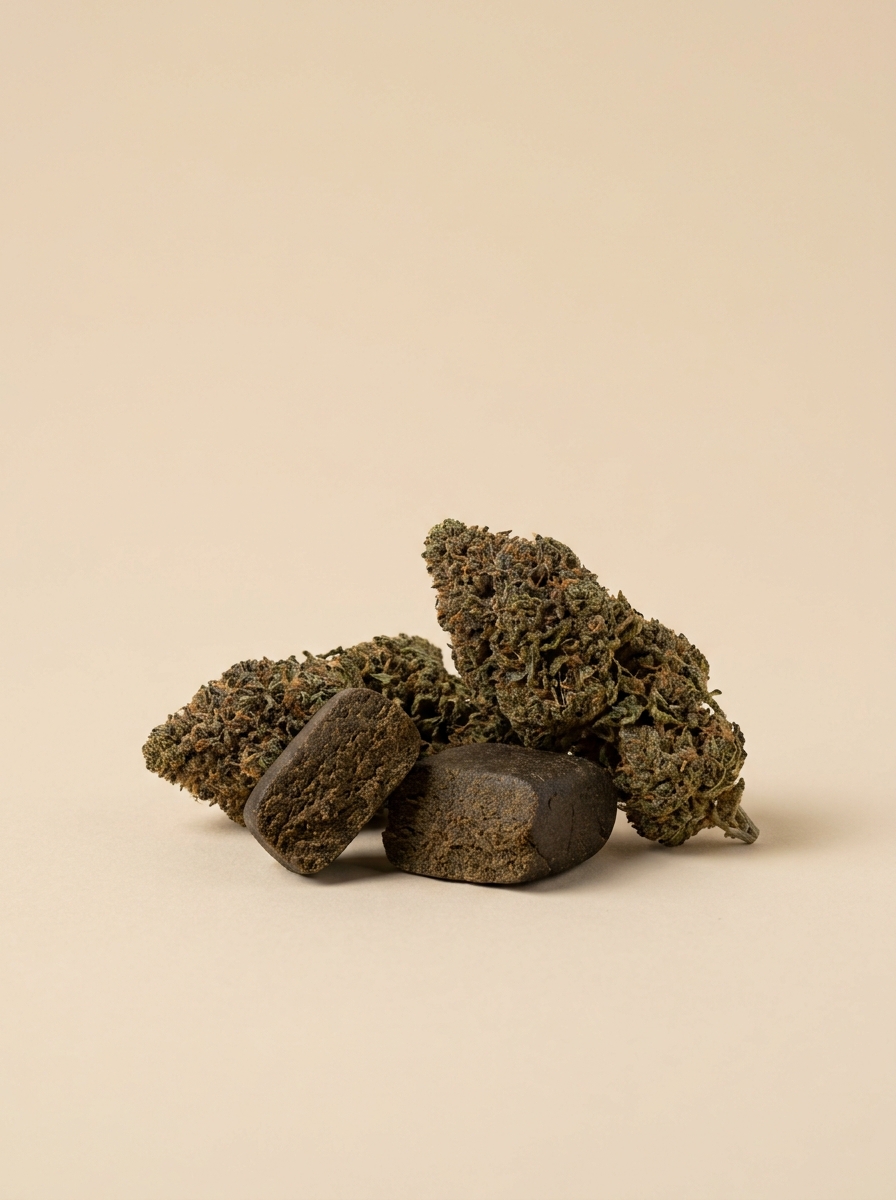
That even crumble really pays off once you start handling it. Because it’s hash produced using three dry passes, what you hold is mostly resin from the trichomes with very little fibre, so it breaks up between your fingers into small, caramel-toned crumbs instead of clumping or leaving woody bits to pick out.
That makes it easy to spread evenly, whatever delivery method you already prefer. There’s no stubborn chunk to fight with and no stray stem to fish out halfway through. 🙌
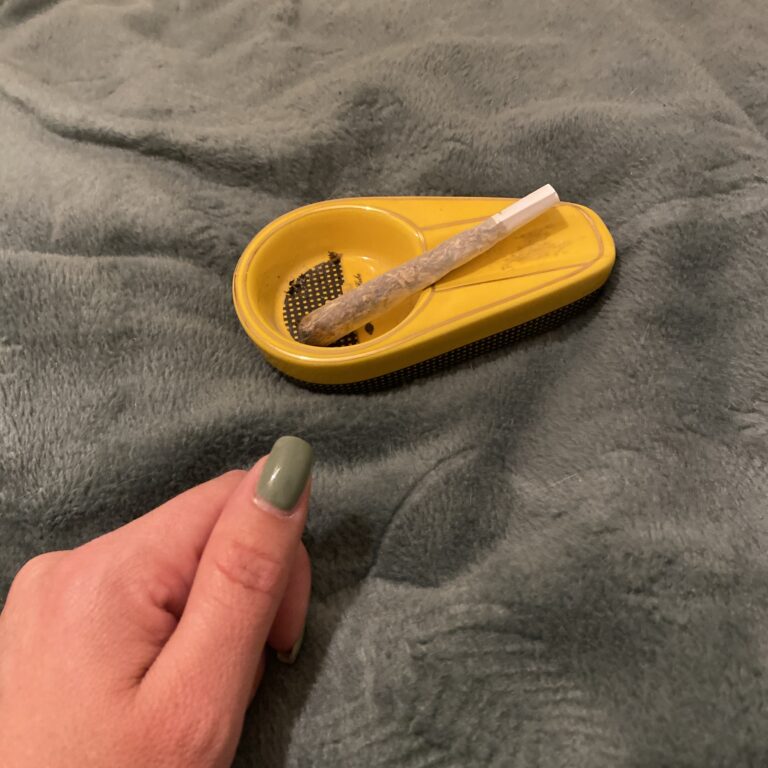
So how do you smoke triple filtered hash? The same way you’d use any other hash: the grade changes how cleanly it handles, not the gesture itself. For the full walkthrough, from breaking it up to rolling, our guide on how to smoke hash covers every step.
Triple filtered hash price in September 2026
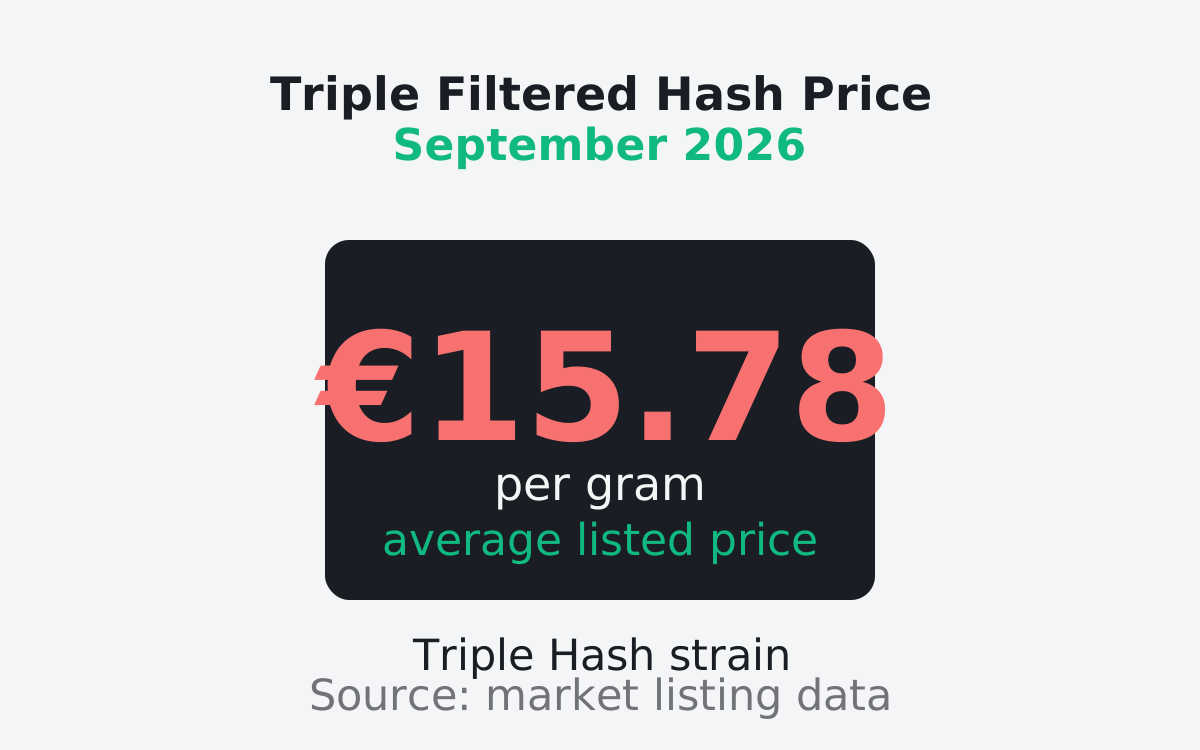
Last question: what does it cost? Triple Zero 80 (CBD) and Triple Zero 30 THCX are both listed at their regular euro price, not a promo figure, and prices can move over time. The per-gram and per-format figures sit in the comparison table above, so use those to line them up fairly.
So where does the gap come from? Not the sieving, as covered earlier. What moves the price is the cannabinoid on the label.
On one side you have a filtered CBD hash, on the other a piece sold under our THCX range, priced on a different basis. Our take: don’t pick on the sticker alone. If CBD hash is what you’re after, the Triple Zero 80 is the sensible buy. Only pay the difference for the THCX piece if that range is specifically what you want.
Want to set this dry sift against other grades and textures? Browse all CBD hash and compare by cannabinoids, terpenes or texture, depending on the CBD hash uses you have in mind. 🌿
We ship to several EU countries, and shipping is calculated at checkout, so check the delivery options for yours before you confirm.
Conclusion
Prices and labels aside, the takeaway fits in a pocket: triple filtered hash is a solvent free process of three dry passes, with no extraction chemistry involved. Your senses confirm the results once it’s in your hand: colour, aroma and texture tell you more than any label.
😉
Want to compare other grades and textures before you decide? Feel free to browse our full CBD hash collection.
Frequently asked questions
What is triple filtered hash?
Triple filtered hash, also called Triple Zero or 000, is dry sift resin made by sieving dried flower through three successive screens, each finer than the last, leaving less plant matter in the final piece. It’s a purely mechanical dry sifting process with no solvents involved.
Is triple filtered hash strong?
The 000 grade only signals how little plant matter remains in the resin, not potency. Separating trichomes from buds gives an extract with a higher percentage of cannabinoids than smoking whole flower, but two blocks with the same triple filtered stamp can show very different cannabinoid concentrations on their packs.
What is triple filter hash?
Triple filter hash is another name for triple filtered or Triple Zero hash: dried flower sieved through three successive, increasingly fine screens to remove stray plant fragments. It’s sold under several names, including dry sift and filtered hash, since the process itself is a dry sift with no water involved.
How is triple filtered hash made?
It’s made by isolating the sticky resin-containing trichomes that develop on mature cannabis plants through three passes over screens of increasing fineness. Each extra pass catches more stray plant fragments, resulting in a paler, more uniform, finer-crumbling piece than a single-pass block.
How do you smoke triple filtered hash?
You use triple filtered hash the same way you’d use any other hash: the grade changes how cleanly it handles and how evenly it crumbles, not the gesture itself. Whether it’s from the CBD filtered hash or the THCX range, always check the label on the pack before use, since that’s the reference that counts.
Does triple filtration affect the smell and texture of the hash?
Yes: the aroma leans more resin-forward with far less of the grassy, hay-like note that stray plant fragments carry, and the texture crumbles evenly between your fingers instead of shedding fibrous bits or stems. These are quality clues about purity, not indicators of any effect.