 Written by Sophie Clarke
Hachis is a French kitchen term for minced meat or vegetables, often linked to hachis parmentier, while hachís and hash refer to cannabis resin[4]. Spliff’s CBD hash comes in several weights, lab-tested with THC below 0.3%, letting you choose formats much like deciding between season salt pepper or a classic salt pepper blend for everyday cooking.
Hash THCX at Spliff · from €5.90/g · ★ 4.9/5 (428 reviews)
72 h delivery in Europe · Free delivery from €99
Contents6 sections
Hachis sounds like hash, but in French it’s a kitchen word. You say it “ah-shee”, with a silent h, and most people meet it through one dish: hachis parmentier, named after Antoine Parmentier, the man who made potatoes popular in France. Picture minced meat browned over medium high heat, a thick layer of mashed potato (boiled in salted water, then whipped with butter) on top, and the whole thing finished in a baking dish until the crust turns golden.
Below, you’ll see why this kitchen word keeps colliding with Spanish hachís, German Haschisch and Dutch hasj, and how English ended up with two unrelated meanings of hash. After that, we look at what CBD hash actually looks, smells and feels like. If you landed here searching for resin, the word you’re after is a different one, and it opens the next section.
What does hachis mean in English?
In English, hachis means mince: meat or vegetables chopped very finely. It’s a French noun built on the verb hacher, “to chop”, and a French-English dictionary will render it as “minced meat”, “mince” or “finely chopped” depending on context. The dictionary entry is wider than the casserole suggests: in France, a hachis can be pork, veal, fresh herbs or vegetables, and the word often names a filling, as in stuffed tomatoes or cabbage leaves. It’s a masculine noun, le hachis, and it describes a texture first and an ingredient second.
So the cleanest English translation is “mince”, with “finely chopped” when you mean herbs or vegetables. “Ground beef” works too, but only when the meat is actually beef.
Is hachis parmentier the same as cottage pie? Close cousins, not twins. Both put beef under a lid of mashed potatoes, but the classic French dish leans on leftover braised beef, while many cottage pie versions start from raw ground beef in a gravy-style sauce.
Search “recipe hachis parmentier” and you’ll mostly land on French recipes from home cooking blogs. The verbs are easy to decode once you know them:
| French on the page | What it means in English |
|---|---|
| Faire revenir l’ail | Let the garlic cook a few minutes until fragrant |
| Ajouter le concentré de tomate | Stir tomato paste into the meat |
| Mouiller au vin rouge et au bouillon | Add a splash of red wine, then add beef stock |
| Gratiner au four | Bake a few more minutes until golden brown on top |
That red wine stock base is what gives the French dish its depth. The mash on top is a lid, not a garnish.
If you landed here looking for resin rather than dinner, you want a different word entirely. What Wikipedia defines as a compressed form of cannabis resin is hashish[4], and the way the two words collide across European languages is where this gets interesting.
Is hachís the same thing as hash?
Yes, if you mean the Spanish hachís. With its accent, it’s the everyday Spanish word for hash, the cannabis resin, usually pressed, although the most concentrated kinds come from solvent extraction. No, if you mean the French hachis: minced food, beef or vegetables chopped fine. The two words only look alike by accident: they grew from completely unrelated roots.
One accent mark does a lot of heavy lifting here. The Spanish hachís is said roughly “ah-CHEESE”, stressed on the last syllable. Cross a border and the resin’s name changes again:
| Language | Word for the resin | What gives it away |
|---|---|---|
| Spanish | hachís | The accent on the í |
| German (DE/AT) | Haschisch | The “sch” sound, written twice |
| Dutch (NL/BE) | hasj | The short “sj”, said like “sh” |
| French | haschisch or shit | The extra “s” that hachis doesn’t have |
| English | hashish or hash | Hash is the everyday short form |
English keeps two homonyms spelled exactly the same. Hash the dish has nothing to do with it.
Corned beef hash and hash browns take their name from French hacher, to chop, the same verb behind hachis. So stirring shredded potatoes crisping in oil is cooking the culinary cousin of hachis, not anything from the resin family.
Search engines read hachis as a French food word, so a plain search just lands you on casseroles and dictionary pages. Think hachis parmentier: minced beef baked under mashed potato, often finished with grated cheese.
The production methods have their own guide on the types of hash, and if you’d rather see what the resin looks like, browse the CBD hash collection.
So what is CBD hash, really?
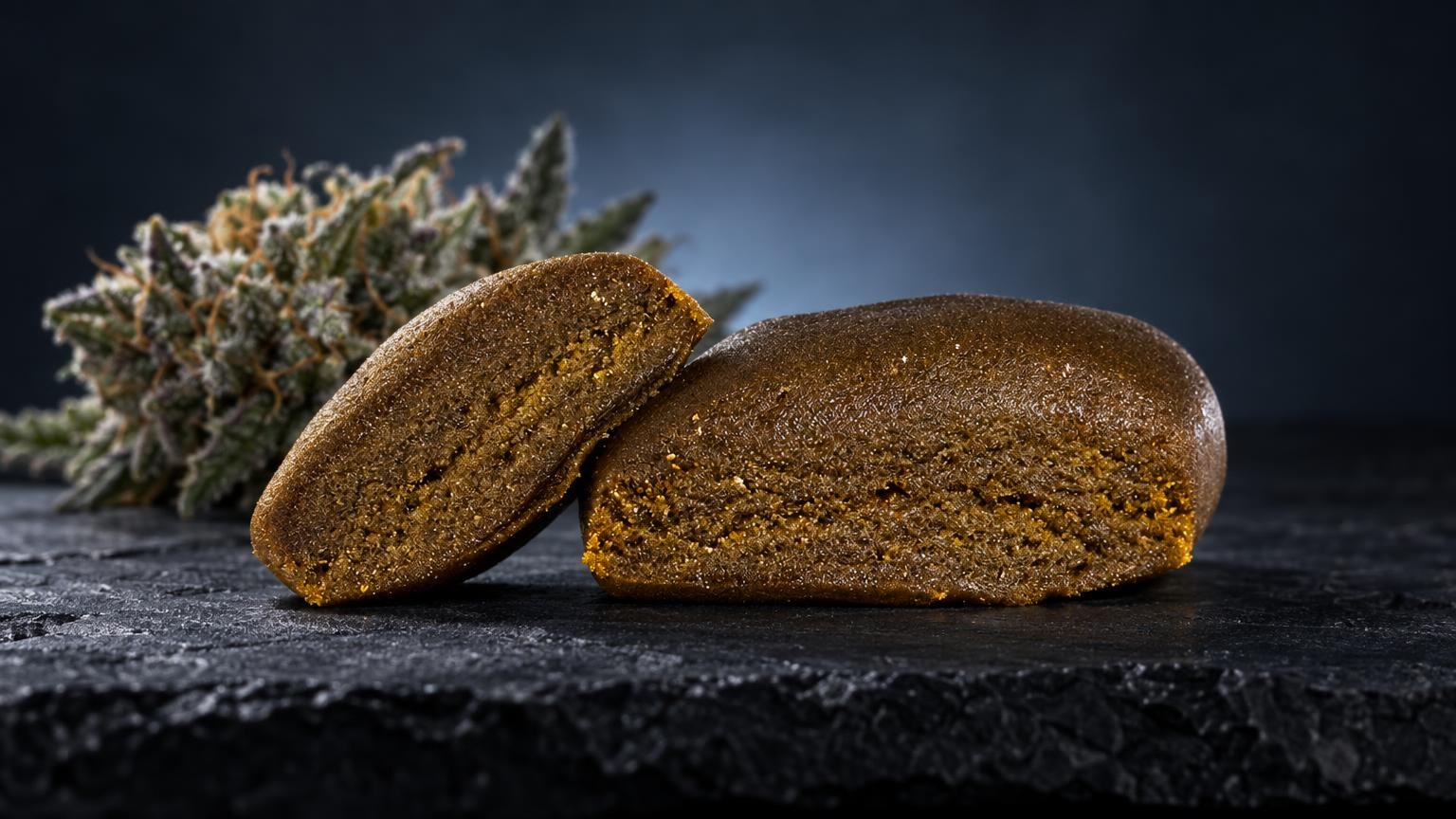
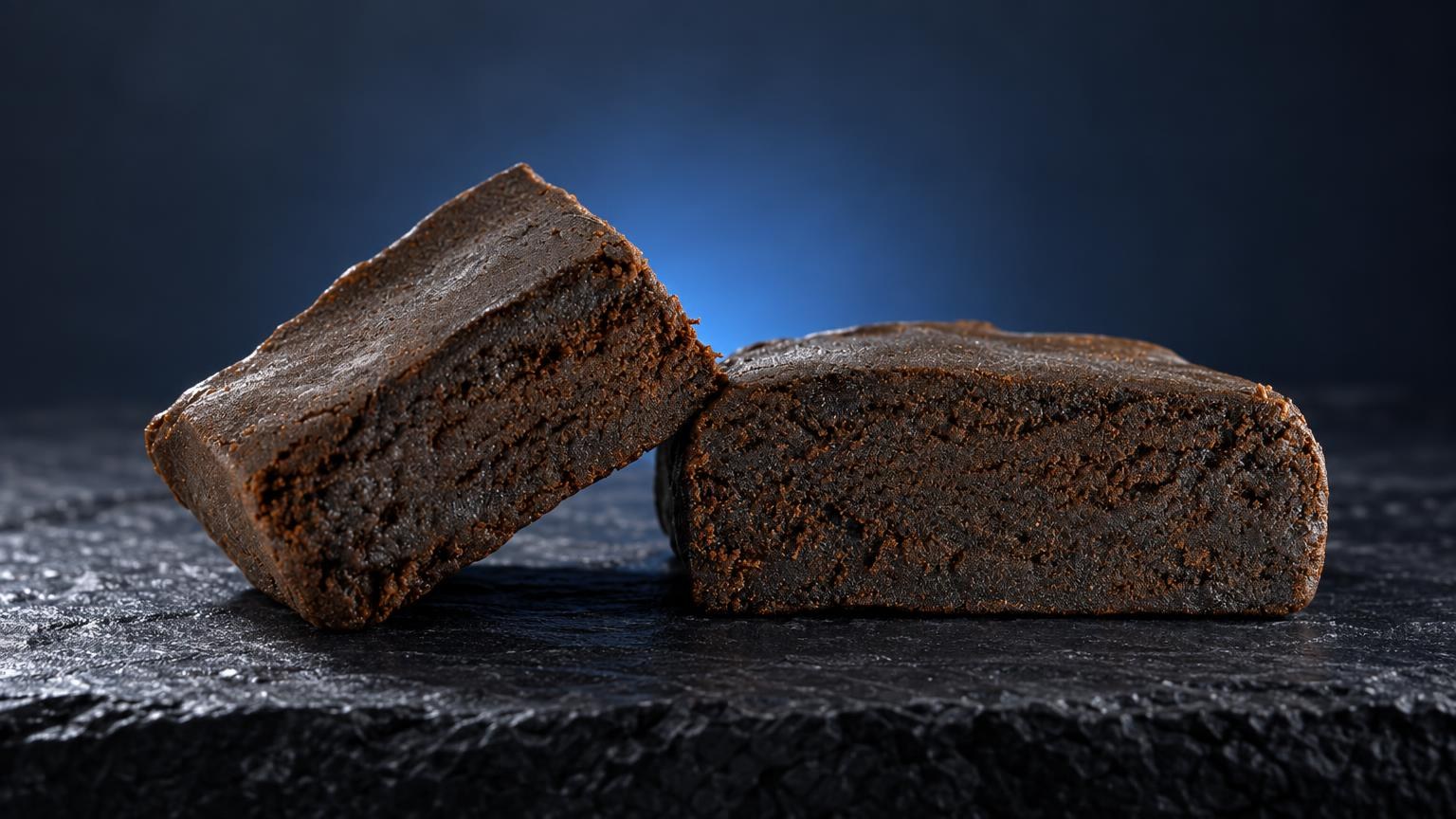
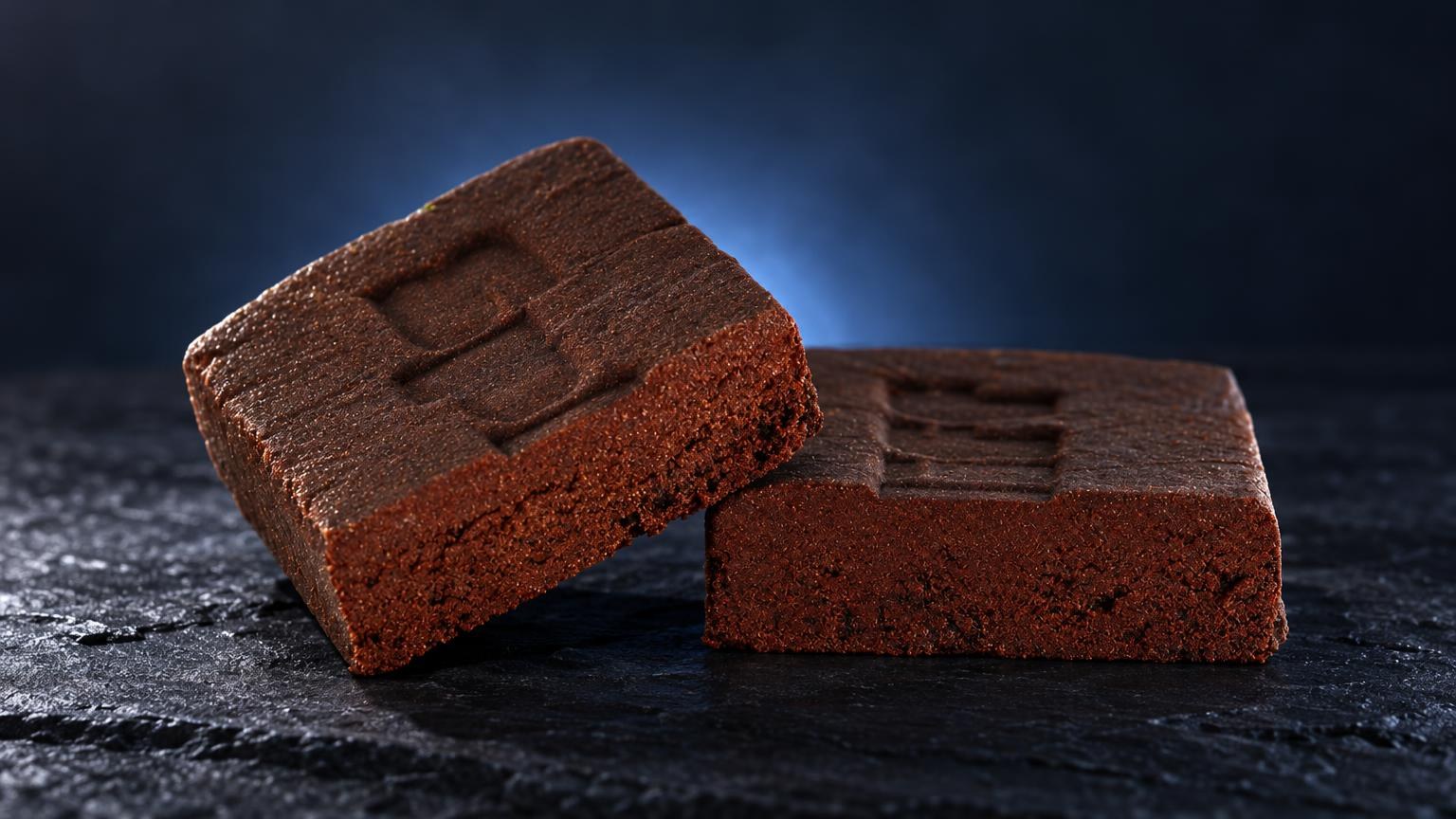
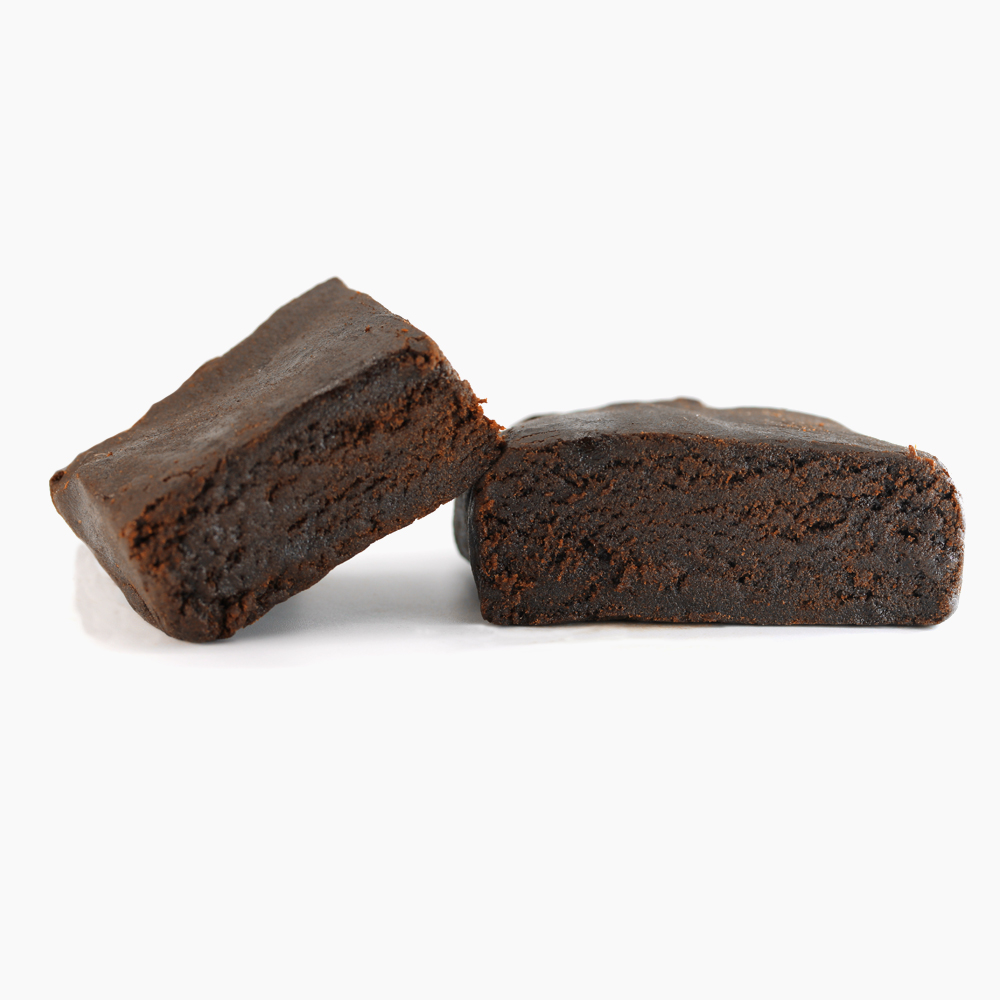
CBD hash is the resin of the cannabis plant pressed into a solid piece: the tiny sticky trichomes are separated from the flower, then compacted. It ranges from blond to dark brown, from crumbly like shortbread to soft and pliable, with earthy, spicy or citrusy aromas carried by its terpenes.
Hash is to flower what butter is to cream: same raw material, concentrated and reshaped into something much denser.
Trichomes are the frosty glands that coat the buds. Separate them from the plant matter, press them together, and you get a block, a slab or a ball. The separation methods are covered in our types of hash guide.
The best way to read a hash is with your senses, not a spec sheet. Three cues tell you most of the story:
- Colour: from pale blond through amber to dark brown, depending on the plant, the method and the pressing.
- Texture: from dry and crumbly, like shortbread, to soft, almost creamy and malleable, like modelling clay warmed in your palm.
- Aroma: earthy notes (think of a freshly pulled carrot, soil still on it), spicy or citrusy ones, carried by terpenes, the same compounds you smell in citrus peel or black pepper.
Handling it for a roll is closer to pastry work than to anything that needs an oven. A firm piece goes through a grinder, a softer one breaks apart by hand, and if you roll, there’s no need to add tobacco.
Some styles have a personality of their own: the hand-rolled Nepalese ball and hash made from fresh frozen material each get a dedicated guide, temple ball hash and frozen hash.
Pressed resin, live rosin or vape: choosing your format
Once you can read a piece of resin by eye and nose, the next call is how you want to enjoy it. Picture a cook’s spice rack: pressed hash is the salt and pepper you reach for every day, live rosin is the flaky finishing salt, and a vape is the season salt, already blended and ready to shake.
Pressed resin is the hands-on format for anyone who likes a ritual: crumbling, rolling and storing it well away from high heat. It’s also the format behind hash’s global reputation. You’ll find current weights and reviews on the CBD hash collection page.
Live rosin goes the other way. There’s no solvent, just heat and pressure squeezing the resin out, and the aroma stays closer to the fresh plant than to dried flower. The Magic Pod Live Rosin x2 packs that terpene profile into a pod, so you get the flavour without handling sticky concentrate.
Pods and vapes skip the prep entirely. Magic Vape works straight out of the box, and Magic Pod x2 follows the same no-grinder, no-rolling logic.
Every Spliff product is lab-tested: THC content below 0.3% (0% for vapes and pods). The lab analysis of each batch is available on request from customer service.
Magic Vape belongs to our THCX range. THCX is a trade name, not a molecule: every batch is lab-tested for classified molecules and none are detected.
Compare the three on their product pages, side by side, on the same four points:
- Format: a ready-to-use device (Magic Vape) or pods (Magic Pod and Magic Pod Live Rosin).
- Price of the day: the live price shown on each page.
- Review score: the average rating, where displayed.
- Review count: a high score on a handful of reviews tells you less than a solid score on many.
| Format | Aroma | Texture | Gesture |
|---|---|---|---|
| Pressed resin | Earthy, spicy, deep | Crumbly to pliable | Crumble, roll, store |
| Live rosin pod | Bright, fresh-plant terpenes | Sealed in the pod | Click in, done |
| Vape and pods | Clean, consistent | None to handle | Zero prep |
If you came looking for hachis and stayed for the craft and the rolling, pressed resin is your format. If flavour is what you chase, go live rosin; if you just want something pocketable and simple, the vape wins hands down.
Ready to pick your hash
With the vocabulary sorted, all that’s left is choosing the piece that matches your taste. In the hash world, it works a bit like picking a good olive oil: texture, aroma and origin tell you more than a well-known name on the label, whether you lean towards a soft, honey-like press or a firmer, crumbly block.
We ship across several European countries, including Austria, Belgium, Germany and the Netherlands. When you’re ready, browse the CBD hash collection, keep a short list of the aromas you’re after, starting with your original favourites, and find your piece.
Frequently asked questions
Why is it called hachis parmentier?
The name honours Antoine Parmentier, the man credited with making potatoes popular in France. The dish pairs minced, braised beef with a thick layer of mashed potato finished in the oven until golden on top.
How do you pronounce "hachis parmentier"?
Hachis is pronounced “ah-shee”, with a silent h, unlike the Spanish hachís which stresses the final syllable and sounds like “ah-CHEESE”. Despite the similarity, the French word has nothing to do with cannabis resin.
What is the English translation of "hachis parmentier"?
Hachis translates as mince or finely chopped meat, built from the verb hacher, “to chop”. Hachis parmentier itself has no single English name, though it’s often compared to cottage pie, a close but not identical cousin made with raw ground beef in a gravy-style sauce.
Sources
- Hashish – Wikipedia — en.wikipedia.org