 Written by Sophie Clarke
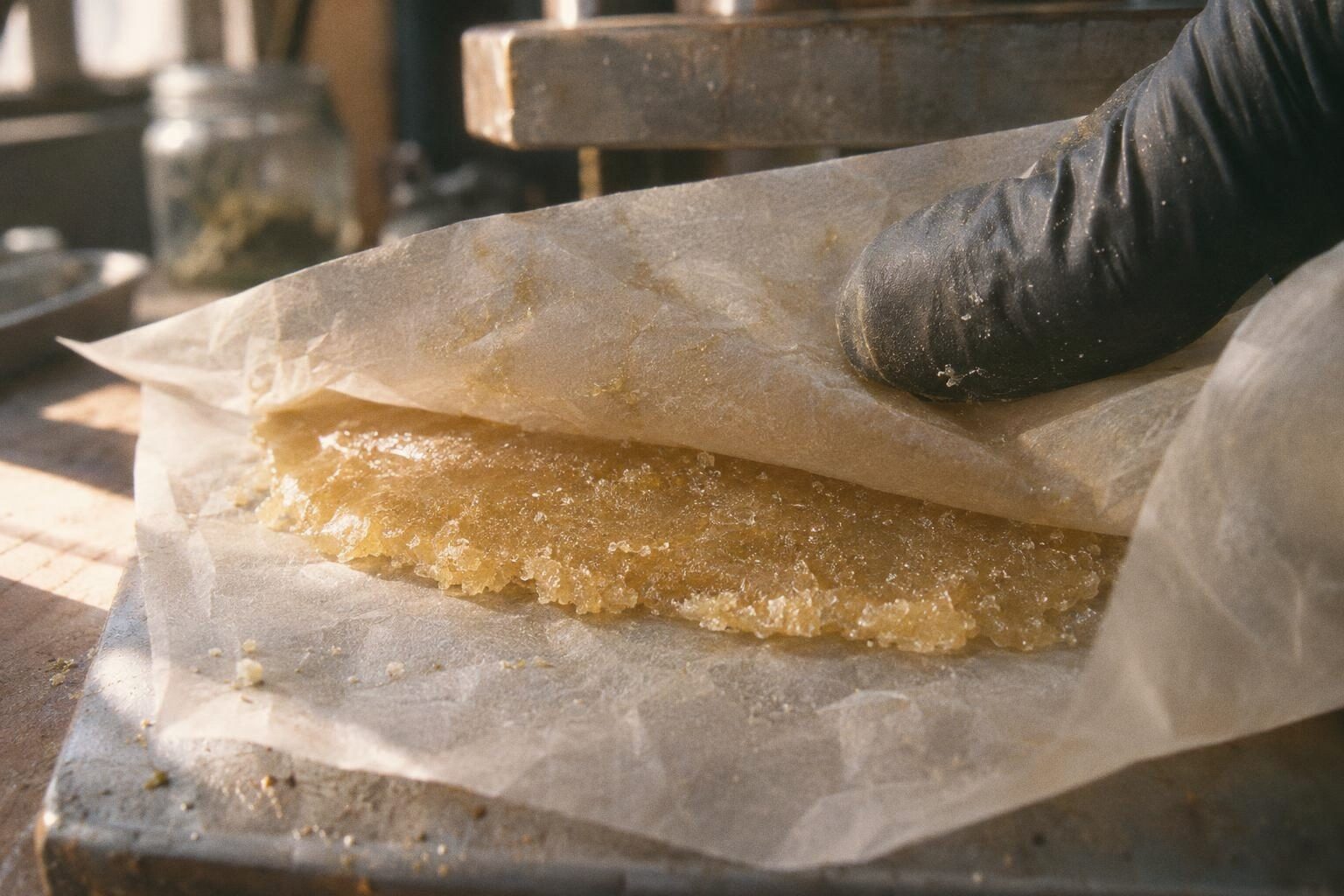
Does CBD hash get you stoned? Not by design: it is pressed resin from CBD-dominant hemp, and even high oral doses of CBD did not cause effects characteristic of THC[4]. Most CBD hash contains trace THC, which varies from batch to batch. The batch lab report shows what your product actually holds.
Contents7 sections
CBD hash is pressed cannabis resin made from plants selected to be CBD-dominant, which means it isn’t designed to get you stoned the way regular cannabis hash does. The word “hash” describes a format, not a potency. What decides whether a CBD hash product can make you feel stoned is its cannabinoid profile, above all the THC in your specific batch, which varies from lot to lot, so check it on the batch-specific lab report for that exact lot.
Think of decaf coffee: it’s still coffee, and it still holds a little caffeine. In CBD hash, cannabis resin is collected and pressed just like any other hash, only with a different ratio. So the “CBD” on the label tells you about the balance, not that there’s zero THC.
Below, you’ll see why the THC/CBD ratio shapes CBD hash effects far more than texture or colour, how to read a lab report line by line, and what trace THC means if you face a drug test. If you’re wondering where the word itself comes from, our piece on hachis vs hash covers the etymology.
Does CBD hash get you stoned?
Not by design. CBD hash is pressed resin with a CBD-dominant profile and only trace THC, so it isn’t built to deliver the high of regular hash. In clinical studies, even high doses of oral CBD did not cause the psychological or psychomotor effects characteristic of THC[4]. What decides it is the THC line for your batch.
So treat “does CBD hash get you stoned” as a question about ratios, not a hunt for some stoned CBD hash. With CBD hash, cannabis chemistry does the talking: the THC/CBD balance decides whether a product like this can make you feel stoned. The format never sets the effect; the profile does.
How is CBD hash different from regular hash?
The difference starts in the field. Regular hash comes from THC-rich cannabis, while CBD hash is made from hemp varieties grown in the EU and selected for CBD.
Production methods vary too. Some CBD hash is straight pressed resin, and some blocks are enriched with CBD after pressing. The CBD hash THC content depends on the raw material and process, and only your batch’s lab report shows where it landed, so take your guidance from that document, not the name on the pack.
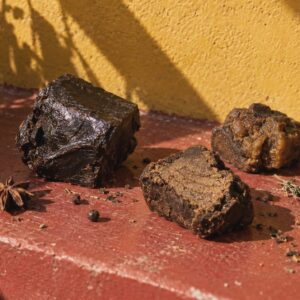
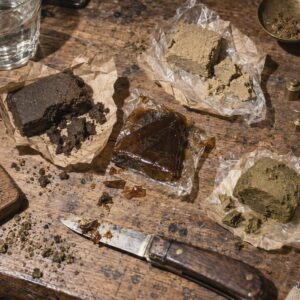
The traditional names on CBD hash describe texture and aroma, a bit like reading tasting notes on a wine label:
- Afghan style: dark, soft and pliable, with an earthy, spicy nose.
- Nepalese style: hand-rubbed character, often sweet and resinous with a floral edge.
- Static hash: trichomes separated with static electricity, giving a fine, crumbly texture and a sharp terpene profile.
These styles change how the block looks, smells and breaks apart, but not its cannabinoid profile, so a familiar style name tells you nothing about the hash THC level.
Can CBD hash contain THC?
Yes. Most CBD hash contains trace THC, because hemp resin carries the plant’s minor cannabinoids along with its CBD. The amount isn’t fixed. It shifts from batch to batch and depends on the spectrum type, so only the lab report for your batch shows what’s in it.
So why can CBD hash contain THC at all? Not because of the CBD itself. In the reviewed data, CBD administration did not result in detectable THC blood concentrations[4]. It comes from the hemp: the plant makes a small mix of cannabinoids, and pressing resin keeps the minor ones too.
Genetics, harvest timing and sieving all shift that CBD/THC balance, which is why two batches of the same CBD hash hemp can read differently. Afghan Hash 70% CBD is a good example of the CBD-dominant profile. The lab analysis of each batch is available on request from customer service.
Full spectrum, broad spectrum or THC-free: what actually changes?
The label tells you how much of the plant’s original profile was kept, and that tells you what to expect on the THC line.
- Full spectrum: the whole cannabinoid range stays, so a full spectrum CBD hash will contain trace THC. Expect a measured figure on the THC line.
- Broad spectrum: processed to remove THC while keeping the other cannabinoids. A broad spectrum CBD hash should show THC as ND (not detected) or below the LOQ, the smallest amount the lab can quantify.
- THC free: a promise on the pack, not a lab result. It only holds if the report for that exact batch reads ND.
How much THC your CBD hash contains is written on the report, not on the packaging. Even broad spectrum products still need that report check, and you compare their figure with the legal limit that applies in your country. That’s the honest answer to “does CBD hash get you stoned”: each batch answers it for itself.
How can you tell if CBD hash is lab tested?
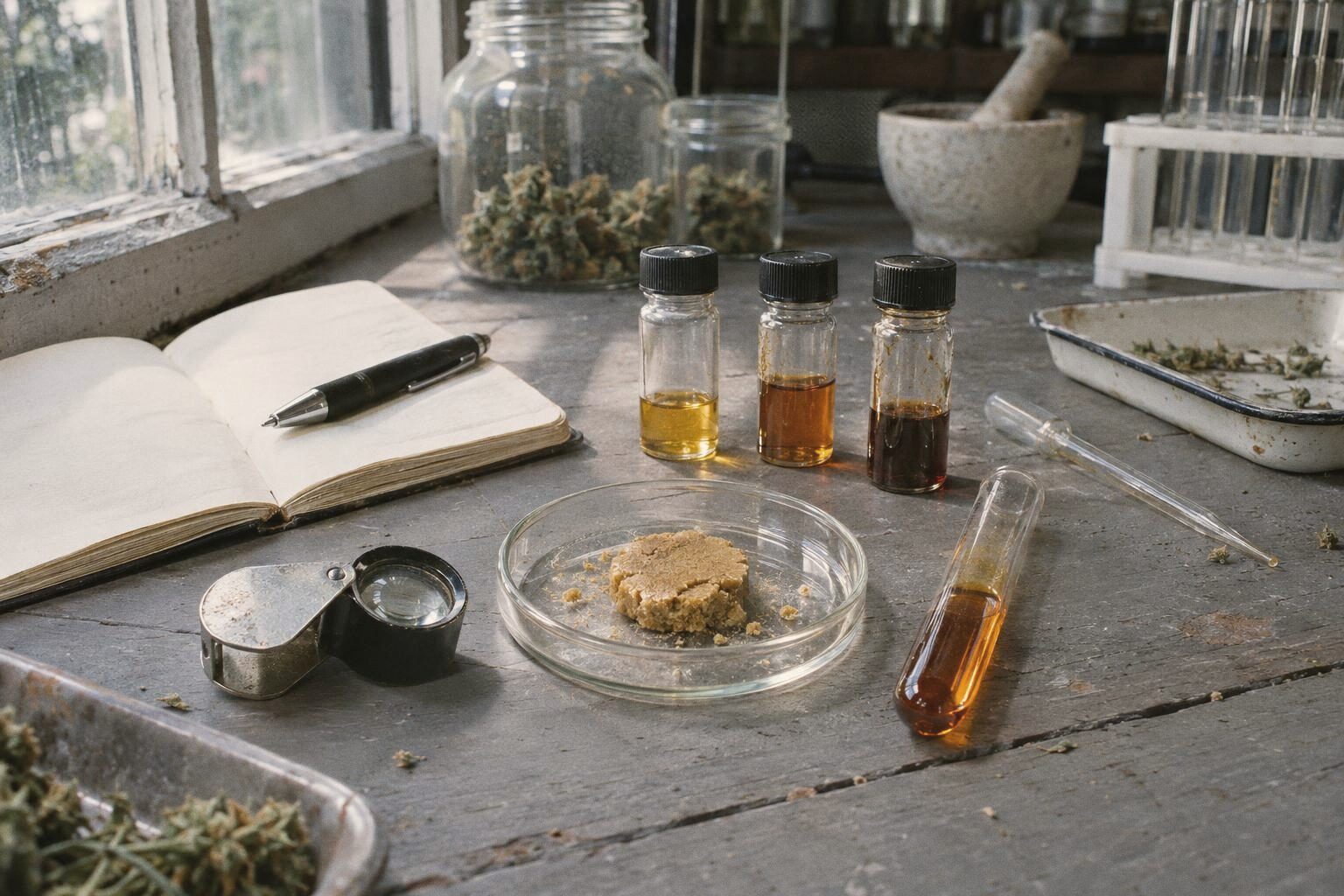
You can tell CBD hash is lab tested when you can see a batch-specific lab report: a certificate of analysis whose batch number matches your pack, issued by a named independent lab, recently dated, and listing the full cannabinoid profile. Without that document, you’re taking the label on trust.
Because trace THC shifts from batch to batch, the answer to “does CBD hash get you stoned” sits in one document. Think of it like the nutrition label on food: the claims on the front mean little until you read the numbers on the back. Before you buy any hash, CBD flowers or other products, check four things:
- Batch number: identical on the report and on your pack.
- Lab name: an independent lab, not the seller.
- Test date: recent enough to cover the batch you’re buying.
- Full profile: CBD, THC and the other cannabinoids, each with a value.
Some shops display the report on the product page for every CBD hash sold. If it isn’t there, ask for the batch-specific certificate of analysis before ordering. At Spliff, it’s simple. The lab analysis of each batch is available on request from customer service.
Reading the THC line on a certificate of analysis
Start with the unit: percentage or mg/g, so compare like with like. That matters most when you’re weighing the CBD and THC lines against each other.
ND means not detected. <LOQ means a trace may be present but sits below what the lab can measure reliably, so it isn’t the same as zero.
Look at THC and THCA as separate lines: heat converts THCA into THC, so a low THC figure beside a large THCA figure only tells half the story. The “total THC” line, when provided, tracks the controlled cannabinoids.
For adults only (18+), and don’t drive after using cannabis products: according to the World Health Organization, cannabis use can impair the skills you need to drive or operate complex machinery[2].
Can CBD hash make you fail a drug test?
It can’t be ruled out. A standard drug test is designed to detect THC, not CBD, and most CBD hash carries trace THC. Does CBD hash make a test come back positive? That depends on the THC in your batch, how much you use and how sensitive the test is. No label or shop can guarantee a negative result.
With any CBD product, the trace THC on your lab report matters more than anything else. The question isn’t “does CBD hash get you stoned” but whether a test can still pick up the THC.
Don’t expect the CBD to cancel it out. When both are taken orally, CBD can inhibit the metabolism of THC, which can produce stronger drug effects than THC alone[5].
A CBD hash drug test result is never fully in your hands, but you do have a few levers:
- Pick the batch whose lab report shows THC as ND, or the lowest THC figure available.
- Ask your employer, sports body or testing service which substances they screen for and what their rules are.
- If a negative test is non-negotiable, avoid any hash, CBD or not, until the test is behind you.
Choosing a CBD hash that won't get you stoned
Once you know where you stand on testing, picking a hash is quick. If “does CBD hash get you stoned” is your question, or you simply want a resin that won’t make you feel stoned, three checks settle it:
- High CBD shown: CBD should clearly lead the cannabinoid profile on the product page.
- Low or ND THC on the batch lab report: go for the lowest THC line, read from the report for your batch, never a generic sheet.
- Consistent texture and aroma: an even, well-pressed resin with a clean, earthy smell points to careful pressing.
The same check works in any CBD flower shop, whether you’re buying CBD hash, cannabis flowers or another resin. If a seller can’t back their products with a lab report, move on. Whatever feeling people describe afterwards (relaxed, sleepy or simply clear-headed), it’s the batch report that tells you the THC story.
On Spliff, the CBD hash collection comes in sizes from 3 g up to 100 g. Afghan Hash 70% CBD is the straightforward pick for a CBD-dominant Afghan-style press. Each page shows the price of the day.
Conclusion
Those three checks turn the whole question into a quick read. The answer to “does CBD hash get you stoned” sits in your batch lab report, not in the word on the pack: CBD clearly ahead, THC at ND or the lowest line you can find, and a CBD:THC ratio that matches what the product page promises. Read it like a nutrition label, and you’ll know whether a resin leans relaxed or tips toward intoxicating.
If you take any medicines, talk to your doctor or pharmacist about using CBD alongside other treatments before you start. CBD is not a medicine and is not a substitute for medical advice or treatment. If in doubt, consult a healthcare professional, and if you notice a product doesn’t agree with you, simply stop using it.
When you’re ready to compare profiles side by side, the CBD hash collection gives every press its own page. That makes it easy to line up low-THC, CBD-forward resin against the batch lab report before you choose.
Frequently asked questions
Can you get a buzz from smoking CBD?
A buzz from CBD hash is unlikely by design, since even high doses of oral CBD did not produce psychological, psychomotor or cognitive effects characteristic of THC in clinical studies[4]. Any noticeable effect usually traces back to the trace THC in that specific batch, which is why checking the batch lab report matters.
Do you feel a CBD kick in?
CBD itself isn’t built to deliver a “kick”: administration of CBD did not result in detectable THC blood concentrations in reviewed data[4]. Any felt effect in CBD hash comes from the THC share in that lot, which varies batch to batch, so checking the lab report tells you what to actually expect.
Sources
- Cannabis — World Health Organization — www.who.int
- Even High Doses of Oral Cannabidiol Do Not Cause THC … — pmc.ncbi.nlm.nih.gov
- When Taken Orally, Δ9-Tetrahydrocannabinol With … — www.nccih.nih.gov