 Written by Sarah Mitchell
 CBD Flower at Spliff · from €0.65/g · ★ 4.9/5 (928 reviews)
72 h delivery in Europe · Free delivery from €99
Contents9 sections
- What OG Kush Actually Smells Like: Earth, Citrus, Pine
- 'OG' and 'Kush': Two Words, One Region, No Settled Story
- The Lineage: Chemdawg × Lemon Thai × Pakistani Kush
- Same Genetics, Three Formats: What Changes and What Doesn't
- Is OG Kush a Good Strain? Read the Batch, Not the Name
- Regulation, Responsibility and What This Article Does Not Claim
- Choosing Your OG Kush: A Nose First, a Lab Report Second
- Conclusion
- Frequently asked questions
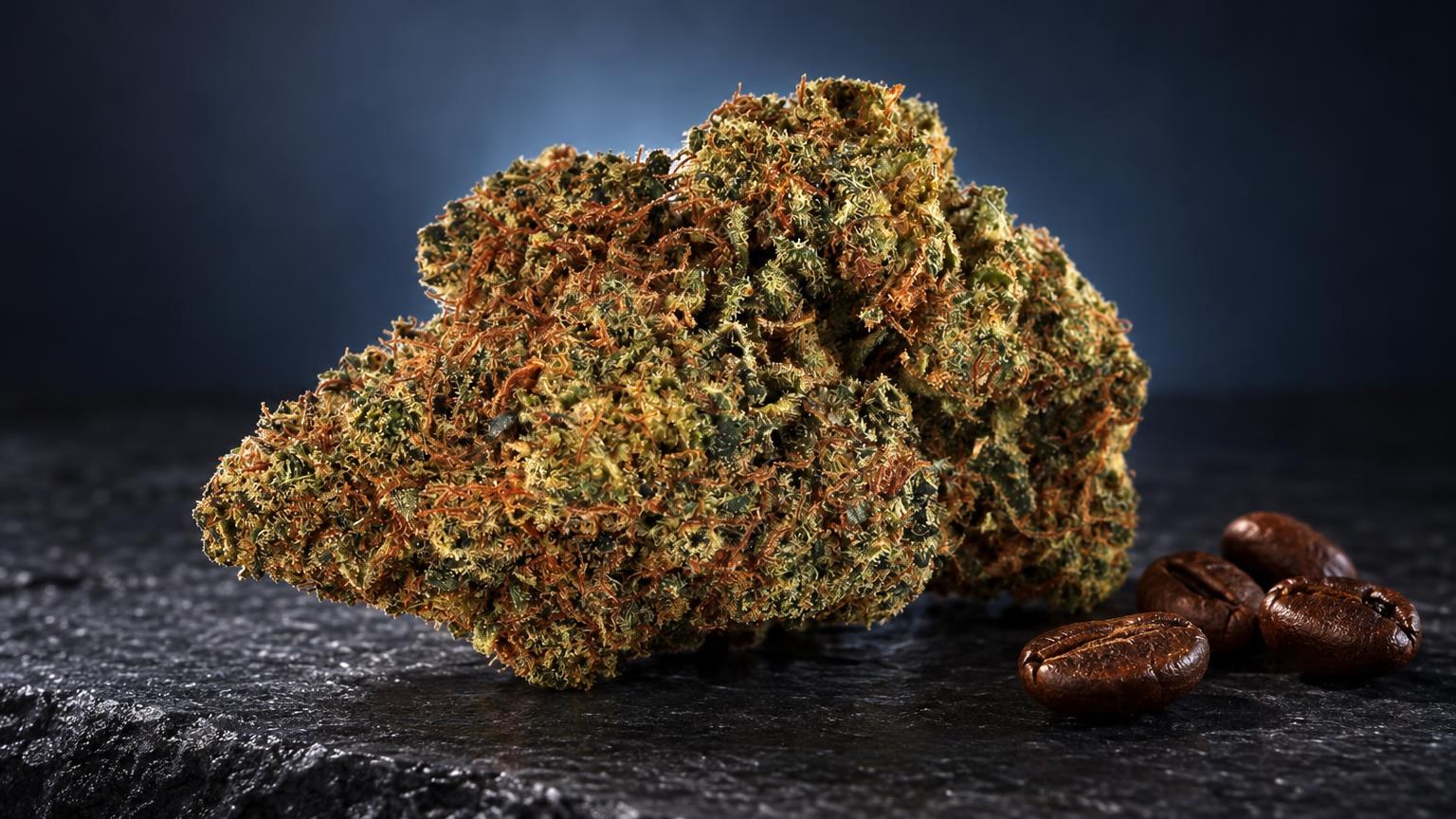
Ask ten people what the og kush strain is and you’ll get ten answers about how it feels, ten reviews of an effect that belongs to a jar you will never open. Wrong question. OG Kush is a cultivar name attached to a specific aromatic signature, and whatever you make of its widely repeated but breeder-unconfirmed lineage (more on that further down), what the name reliably tells you is what your nose is about to meet.
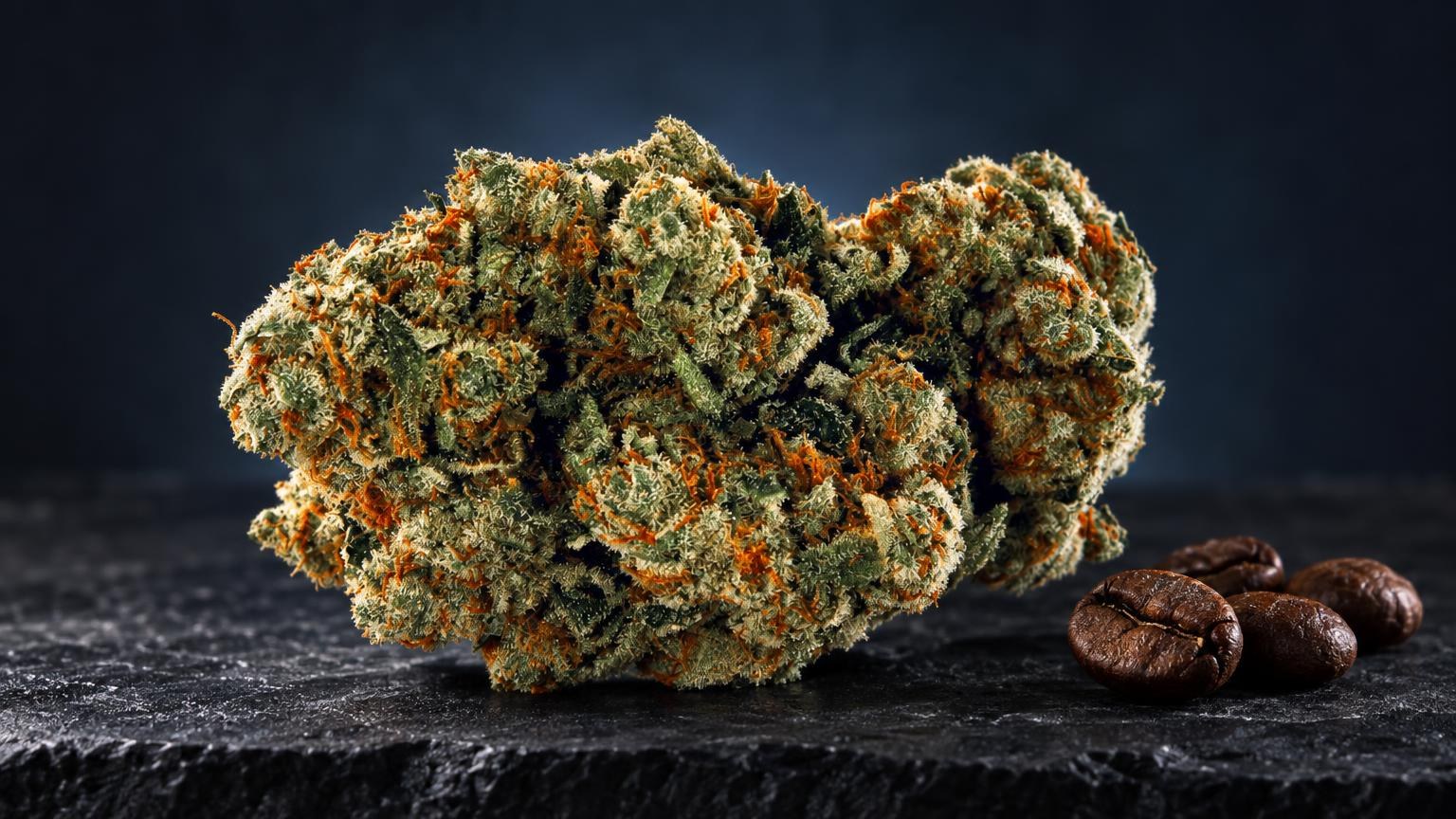
Break a cured bud open and the sequence is almost always the same. Myrcene lands first, damp earth and musk, the heavy note that anchors the whole profile. Limonene cuts across it within a second or two, sharp lemon zest, unmistakable.
Underneath sits pinene, resinous and coniferous, the structural backbone that stops the citrus floating away. Caryophyllene brings a dry peppery edge on the exhale, and linalool trails behind as a faint floral whisper. Russo’s 2011 review in the British Journal of Pharmacology lists exactly these compounds, limonene, myrcene, alpha-pinene, linalool and beta-caryophyllene, among the terpenoids that make up cannabis flavour and fragrance (Russo 2011).[1]
Here’s why this particular nose reads across a room: monoterpenes are the lighter, more volatile fraction of the resin. They are the first to leave when you crack the flower in a grinder, long before any heat touches it. That’s odour chemistry, not marketing copy.
The essentials in half a minute
OG Kush names an aroma, not a potency level: earth, lemon zest, fuel, pine and pepper, in that order. Its lineage is a catalogue staple rather than a verified pedigree, and the only document that describes a given jar is that jar’s own analysis.
What OG Kush Actually Smells Like: Earth, Citrus, Pine
What that opening sequence leaves out is the note most people remember: fuel. Underneath the earth and the lemon rind sits a sour, solvent-like edge, closer to petrol vapour than to fruit. That single characteristic explains why OG Kush descriptions across the board land on “gassy” before they land on anything else.
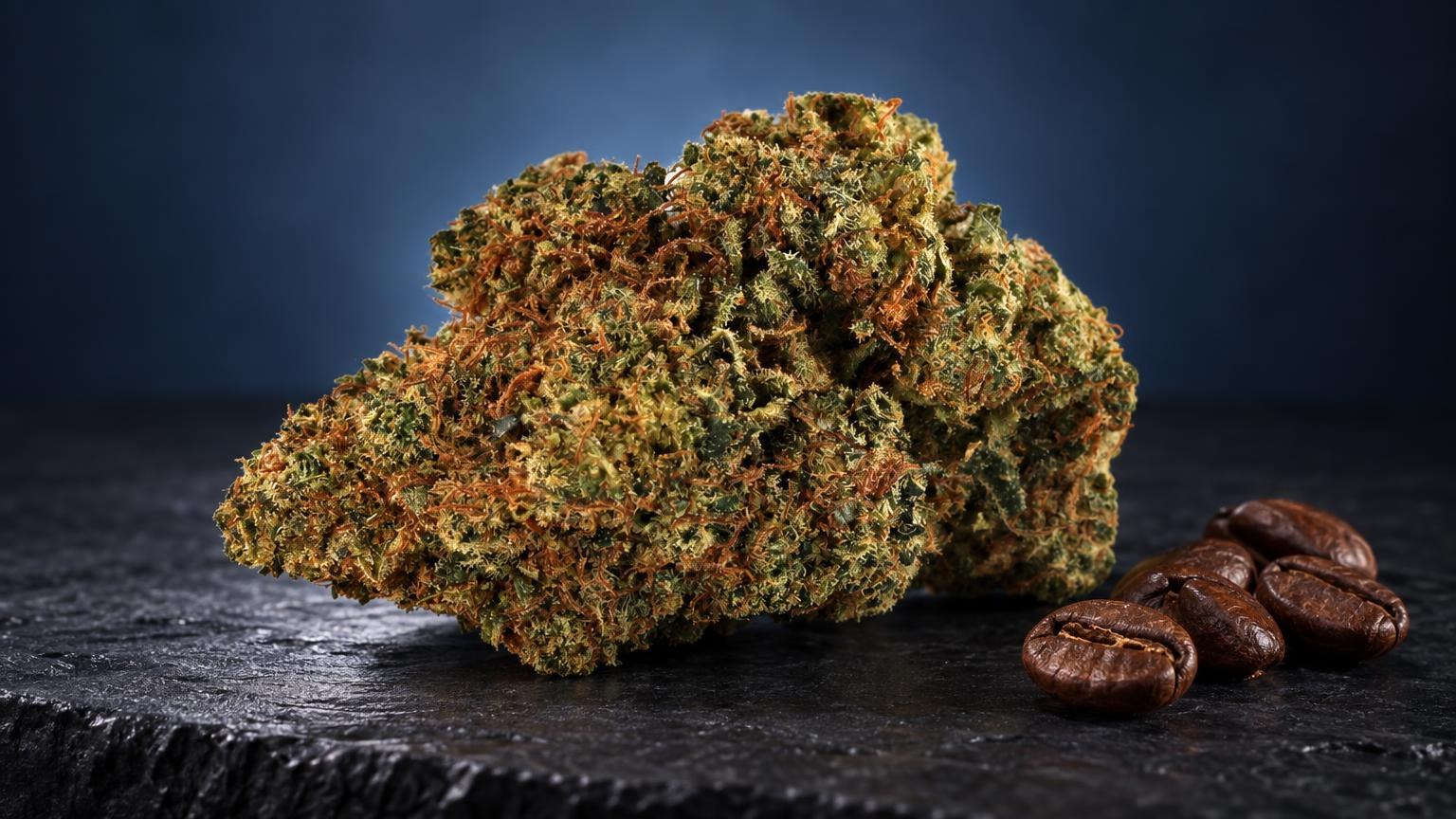
The spice arrives last and stays longest. On the exhale you get pepper and a dry resinous bitterness, the sesquiterpene end of the profile rather than the bright volatile top notes.
| Aromatic note | Descriptor | Where you meet it |
|---|---|---|
| Earthy, musky | Damp soil, wet bark | Opening the jar |
| Citrus | Lemon zest, sour rind | First crack of the bud |
| Fuel | Solvent, petrol vapour | Grinder, immediately |
| Pine | Fresh resin, needles | Mid-palate |
| Spice | Black pepper, dry heat | Exhale, lingering |
The fuel and spice notes follow the same split: the grinder releases citrus and fuel first, while the peppery, resinous compounds only surface once combustion or vaporisation gets going.
A jar that smells flat and hay-like when you break the bud has already lost its top notes to time, light or careless drying, whatever the label says.
'OG' and 'Kush': Two Words, One Region, No Settled Story
The nose is heritable. The name is not, and that instability starts with the two words themselves.
“Kush” works as a geographic marker before it works as anything else. It points to the Hindu Kush range and to the landrace populations that adapted there. In their 2020 taxonomic revision in PhytoKeys, McPartland and Small trace the compact, broad-leafleted, early-maturing plants that growers call “indica” to Central Asian landraces, primarily from Afghanistan and Pakistan, in the mountain arc that includes the Hindu Kush (McPartland & Small 2020).[4] Those landraces handed breeders a genetic base, not a grading scale.
“OG” is murkier. Two etymologies circulate widely, “Ocean Grown” and “Original Gangster”, and I can’t trace either to a verifiable primary source. So I’ll lay out both and decline to pick one, because picking one would mean inventing a fact.
The same caution applies to the origin story. The version you’ll read on most catalogues, Florida first, then Los Angeles and Southern California in the nineties, is retold from one listing to the next without a single primary document behind it. Treat it as folklore that may well be true, not as history. The same goes for the name Matt Bubba Berger, credited in that story with having brought the cut west: a name repeated in reviews, not a documented breeder record. What is better documented is what came after: Girl Scout Cookies and a long list of hybrid descendants are usually written down with OG Kush as one parent, which is why so many similar strains carry an OG suffix today, whether or not any hindu kush strain sits in their pedigree.
Which settles two questions readers keep sending me. No, not every strain carrying “OG” belongs to the Kush family. The suffix travelled as a prestige tag and attached itself to genetics with no Hindu Kush ancestry at all.
And there’s no countable number of OG Kush strains. Nobody ever registered the name, so anyone can print it, and the market now carries multiple distinct cuts and phenotypes under one label.
Homonym pairs follow the same logic: a “Blueberry Kush” and a “Blueberry OG” share a word, not necessarily a mother plant, and the two are not interchangeable as cannabis strains.
The Lineage: Chemdawg × Lemon Thai × Pakistani Kush
So if the name won’t carry the weight, the pedigree has to. It carries a little more, and it pays to be precise about how much.
What the Strain Lemon Thai and the Kush Side Each Bring
Lemon Thai sits behind the citrus lift. Pakistani Kush accounts for the heavy earthy, resinous backbone typical of any Thai Hindu Kush pairing, and the sour solvent edge is conventionally traced back to the Chemdawg side. Written without the crosses, the Chemdawg Lemon Thai Hindu Kush trio explains the whole nose, sour fuel then zest then earthy resin, carried by the myrcene limonene caryophyllene trio.
That last attribution is a reading of the nose, not a genetic result. I want that stated plainly, because it gets repeated as fact in a lot of catalogues.
Cultivar or Chemovar: Why the Label Won’t Predict Your High
Calling this plant indica-dominant describes architecture and breeding history: compact structure, broad leaflets, a selection path running back through mountain landraces. It says nothing measurable about what is inside the flower, and nothing reliable about the high you’ll get from a given jar.
Hazekamp and Fischedick put that gap on the table in Drug Testing and Analysis (2012): more than 700 named cultivars had already been described, and when they analysed 28 major compounds in samples from multiple sources, the samples sorted into chemovar groups that the popular names did not predict (Hazekamp & Fischedick 2012).[2]
So hold the two words apart. A cultivar is a name and a pedigree. A chemovar is a chemical profile you had to analyse to know.
Where the Chemistry Actually Gets Built
That rebuilding happens in the glandular trichomes, the resin heads on the calyxes and sugar leaves. Booth, Page and Bohlmann showed in PLOS ONE (2017) that cannabis makes and stores its terpene-rich resin in those trichomes, that the terpene synthase genes are far more highly expressed there than in the rest of the plant, and that the products of those enzymes include myrcene, limonene, pinene and caryophyllene (Booth et al. 2017).[3]
The enzyme set is inherited with the genetics; the resin you end up with is the result of one particular grow. That is the practical limit of a kush pedigree: the pedigree loads the toolbox, the grow decides what gets built.
Same Genetics, Three Formats: What Changes and What Doesn't
Which brings us to the question the strain databases never answer: what happens to that nose when the same lineage leaves the flower jar and show up as resin, as a pre-roll, or paired with a different dominant cannabinoid?
Why “relaxing, sociable, uplifting” tells you nothing about the jar
Databases hand you adjectives instead. “Relaxing sociable uplifting”, that sort of vocabulary, plus a flowering time in days if the listing comes from a seed bank.
Useful for a grower. Useless for predicting what a pressed resin will smell like once you break it open. A pure landrace, a modern hybrid, an original cut or a similar copy: the adjectives read the same for all of them, and the pungent, hard-to-hide fuel aromas are the only thing the databases get right.
Here is the reading grid I use. Treat it as illustrative reasoning about how a cultivar behaves across formats, not as measurement data.
| Criterion | Flower, any dominant cannabinoid | THCX flower | Resin or pre-roll |
|---|---|---|---|
| Dominant cannabinoid | Whatever the batch analysis says | THCX range, batch analysis on the product page | Depends on the input material |
| What the label tells you | The aroma family | The aroma family | The aroma family, warmed and spicier |
| Format | Buds to grind | Buds to grind | Pressed piatella, spliff, box of joints |
| Terpene structure | Unchanged | Unchanged | Unchanged on paper, partly hidden in the nose |
What the format really changes: aromatic restitution
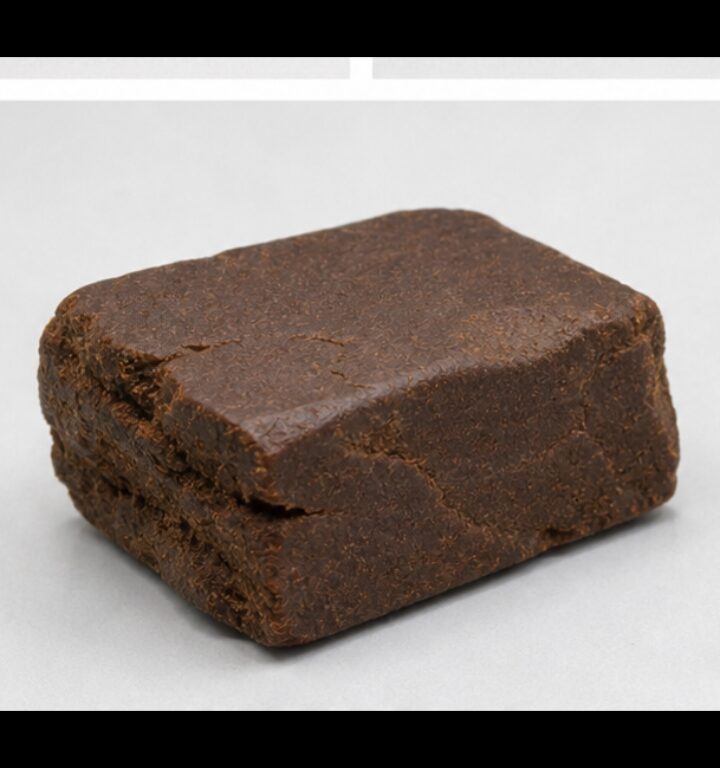
What a pre-roll or a piatella changes is restitution. Pressing resin increases exposed surface area and heat, and the lightest monoterpenes volatilise first.
So the format can genuinely hide part of the profile. That is why a resin often reads warmer and spicier than the flower it came from, with the citrus top notes pushed into the background.
What that looks like in our own catalogue
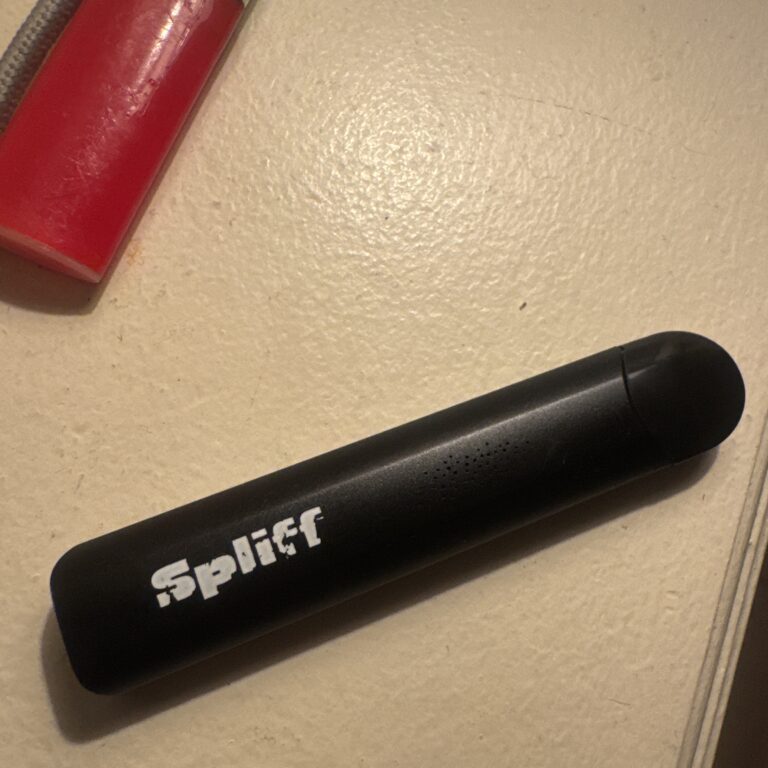
Two forms on our side today: the OG Kush THCX flower, dense and unmistakably gassy on the grind, and the OG Kush THC/CBD seeds. No CBD flower version in stock, and I am not going to pretend otherwise.
Want a heavier, sweeter read on the same Kush family? Diamond Kush THCX sits at the other end of the spectrum. The nose is what you buy.
One point of method, because terminology matters here. THCX is the commercial name we use for a range of neo-cannabinoids, not the name of one identified molecule, and I publish no composition figures in this article. The one verifiable document is the batch analysis published on each product page. Check the regulations where you live before ordering.
Is OG Kush a Good Strain? Read the Batch, Not the Name
Formats change the delivery; they don’t change how you should judge what’s in front of you.
“Is OG Kush a good strain?” has no answer, because a cultivar name is not a measurable variable. What you can measure is the batch: its dominant cannabinoid, quantified; the lab and date behind the figure; and, when published, the terpene fraction. Read that document, not the label.
Two jars carrying the same name are not two measurements of one plant. They are separate plants sharing a label, grown in separate rooms, quantified by separate laboratories using their own methods.
And the “effects” columns of consumer strain databases? Those relaxed, sleepy or euphoric tags are collections of user impressions. That’s a legitimate way to gather opinions and a poor way to predict a chemovar. Skip the aggregate, go to the paperwork. The effects a stranger reports are not a method; a dated analysis is, and it is the one used by every serious buyer I know.
A usable certificate of analysis gives you three things:
- The dominant cannabinoid, identified and quantified, in a percentage tied to a specific batch reference.
- The laboratory name and the analysis date, because an undated figure from an unnamed lab is a marketing number.
- The terpene fraction, when it is provided, which either confirms or quietly contradicts the batch.
One honest limit, and I’ll state it plainly. A batch analysis describes a composition. It does not forecast what any individual will experience from it.
OG Kush THC level: why no single figure holds
Look up the OG Kush THC level and every page gives you a different percentage. Each one is the result of one batch, from one grow, measured by one laboratory, and none of them describes the jar you are about to open. The cultivar name fixes the nose, not the THC content: a figure quoted without a batch reference, a lab name and an analysis date is a marketing number, as the checklist above puts it.
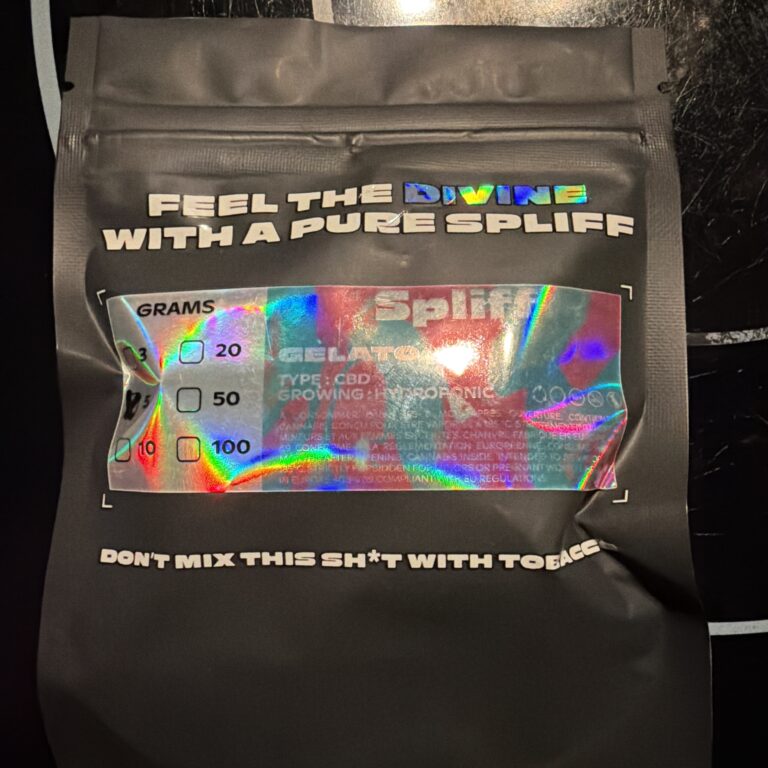
The same goes when you buy OG Kush online: the photo and the strain name describe an aroma, the certificate of analysis describes the batch. Our OG Kush THCX flower follows that rule. Each batch is lab-tested for classified molecules, none is detected, and Delta-9 THC stays below 0.30%; the analysis is published on the product page.
Regulation, Responsibility and What This Article Does Not Claim
One thing a certificate of analysis will never tell you is what you are legally allowed to do with the flower in your hand.
Let me also be precise about the limits of what you have just read. This article describes an aromatic signature, a commonly repeated lineage and a sensory experience. Nothing beyond that.
I attribute no benefit, property or use here to the og kush strain, to Hindu Kush genetics, or to any single terpene. Myrcene reads earthy; limonene reads like lemon rind. That is odour chemistry, not a statement about what a molecule does in your body.
When it comes to the plant science, I would rather send you to the primary literature than to a strain catalogue: the four papers listed in the sources below are peer-reviewed, and three of them are free to read in full.
Choosing Your OG Kush: A Nose First, a Lab Report Second
The practical version of all this comes down to three decisions, and you can work through them in about a minute.
- Which nose am I after? If earth, lemon rind and pine resin is the aromatic signature you want, that is what the og kush strain lineage delivers, batch after batch, whether the cut is sold as indica, sativa or hybrid.
- Which format fits how I actually smoke? Flower to grind, pressed resin, or a ready pre-rolled spliff when you don’t want to handle anything.
- What do I check before paying? The paperwork covered above, not the jar’s sticker.
That third step is the one most people skip, and it’s exactly what separates two jars carrying the same name.
Two concrete entry points on our side. OG Kush THCX flower keeps the canonical profile intact: tightly cured buds, monoterpenes that announce themselves the moment you crack the jar.
Diamond Kush THCX is the denser, sweeter cousin from the same Kush family, for when you want the earthy sesquiterpene backbone with less zest sitting on top.
Conclusion
What stays with me, after years of reading cannabis strains against their certificates of analysis, is how little a label carries and how much we ask it to do.
OG Kush is a good example. Its nose is one of the most recognisable in the catalogue, the story behind its name is thin, and neither the nose nor the story tells you what a particular jar contains. Next time you open one, smell first, then read. The strains that deserve the name are the ones whose jar matches the nose you just read about.
Frequently asked questions
Is OG Kush a good strain?
The question has no measurable answer: OG Kush is a name and an aroma. Judge the individual batch, as explained in the section “Read the Batch, Not the Name”.
What strain is OG Kush?
OG Kush names a myrcene-, limonene- and caryophyllene-led aromatic signature: earth, citrus, pine and a fuel-like edge.
Is every OG strain a Kush?
No. “Kush” points to Hindu Kush landrace ancestry; “OG” spread as a prestige tag and now sits on genetics with no Kush ancestry at all.
What is the OG Kush strain’s smell profile?
See the section “What OG Kush Actually Smells Like: Earth, Citrus, Pine” for the full breakdown.
What is the best OG Kush strain?
There is no single best version: the name only guarantees the aromatic signature. Use the three checks in the section “Choosing Your OG Kush” and judge the jar in front of you.
Does the same OG Kush genetics smell the same across flower, resin and pre-rolls?
The terpene profile travels with the genetics, since the terpenes are built in the glandular trichomes (Booth et al. 2017); what changes is how much of it reaches you in each format. See the section “Same Genetics, Three Formats”.[3]
Is OG Kush indica or sativa?
You will see it sold as indica, sativa or hybrid, most often as an indica-dominant hybrid. That label describes the plant’s compact structure and its breeding history, not what is inside the flower: only the batch analysis tells you that.
What is the THC level of OG Kush?
There is no fixed figure: a THC percentage belongs to one batch, not to the strain name. Read it on the certificate of analysis of the jar you buy, with the lab name and the analysis date.
Sources
- Russo EB (2011). Taming THC: potential cannabis synergy and phytocannabinoid-terpenoid entourage effects. British Journal of Pharmacology 163(7):1344-1364 — pmc.ncbi.nlm.nih.gov
- Hazekamp A, Fischedick JT (2012). Cannabis – from cultivar to chemovar. Drug Testing and Analysis 4(7-8):660-667 — pubmed.ncbi.nlm.nih.gov
- Booth JK, Page JE, Bohlmann J (2017). Terpene synthases from Cannabis sativa. PLOS ONE 12(3):e0173911 — journals.plos.org
- McPartland JM, Small E (2020). A classification of endangered high-THC cannabis (Cannabis sativa subsp. indica) domesticates and their wild relatives. PhytoKeys 144:81-112 — pmc.ncbi.nlm.nih.gov