 Written by Sophie Clarke
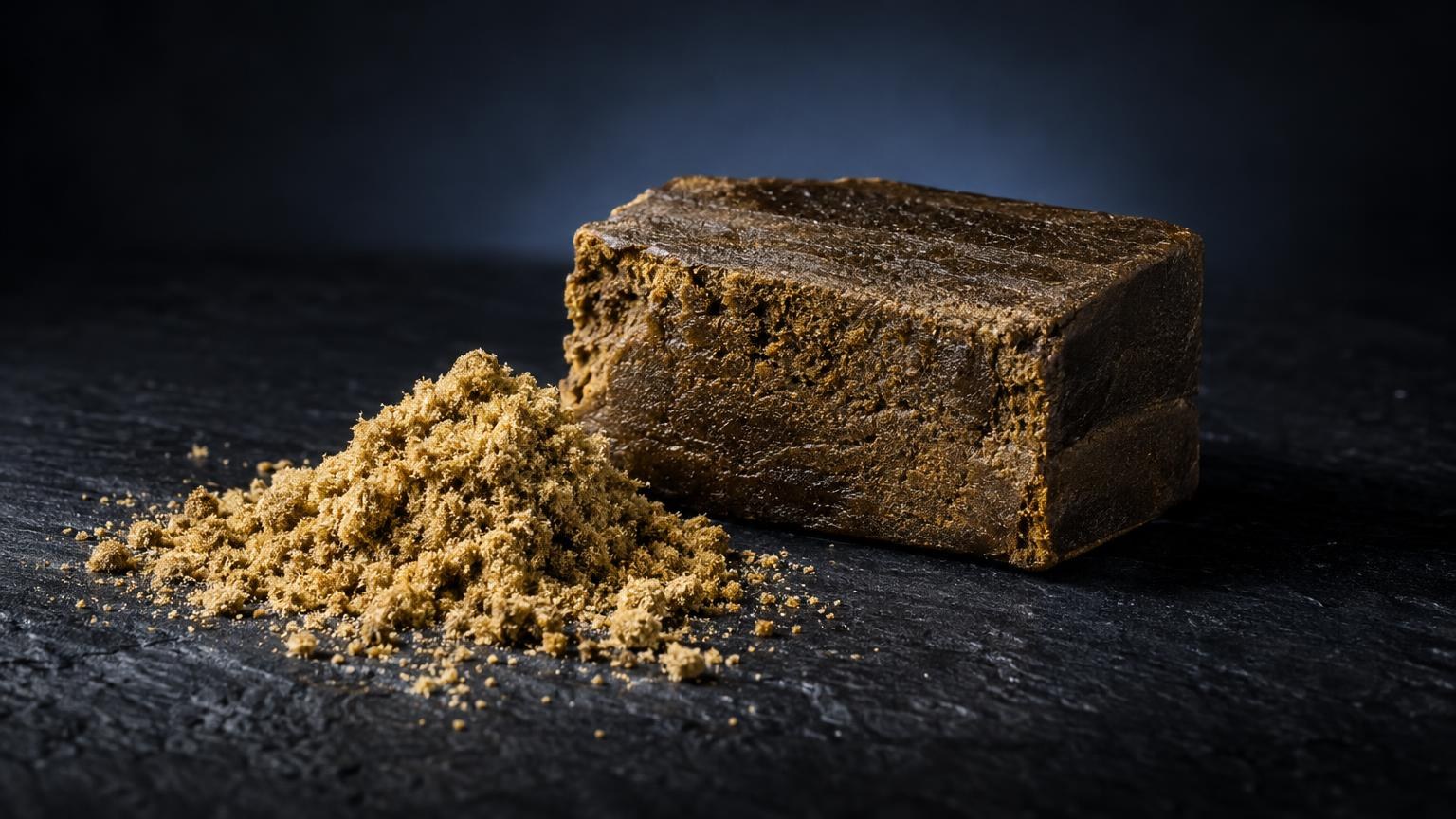
Hash is a concentrated form of cannabis made by separating resin-rich trichomes from the plant and pressing them into a block[4]. Strength and effects of hash use depend on cannabinoid type, percentage, amount and personal sensitivity, with short term effects and long term effects differing between CBD, THCX and classic THC hashish.
Contents7 sections
Hash, or hashish, is a concentrated form of cannabis made by separating the sticky resin glands (the trichomes) from the cannabis plant and pressing them into a solid block. Those tiny glands hold most of the cannabinoids, such as THC or CBD, plus the terpenes that give each strain its aroma.
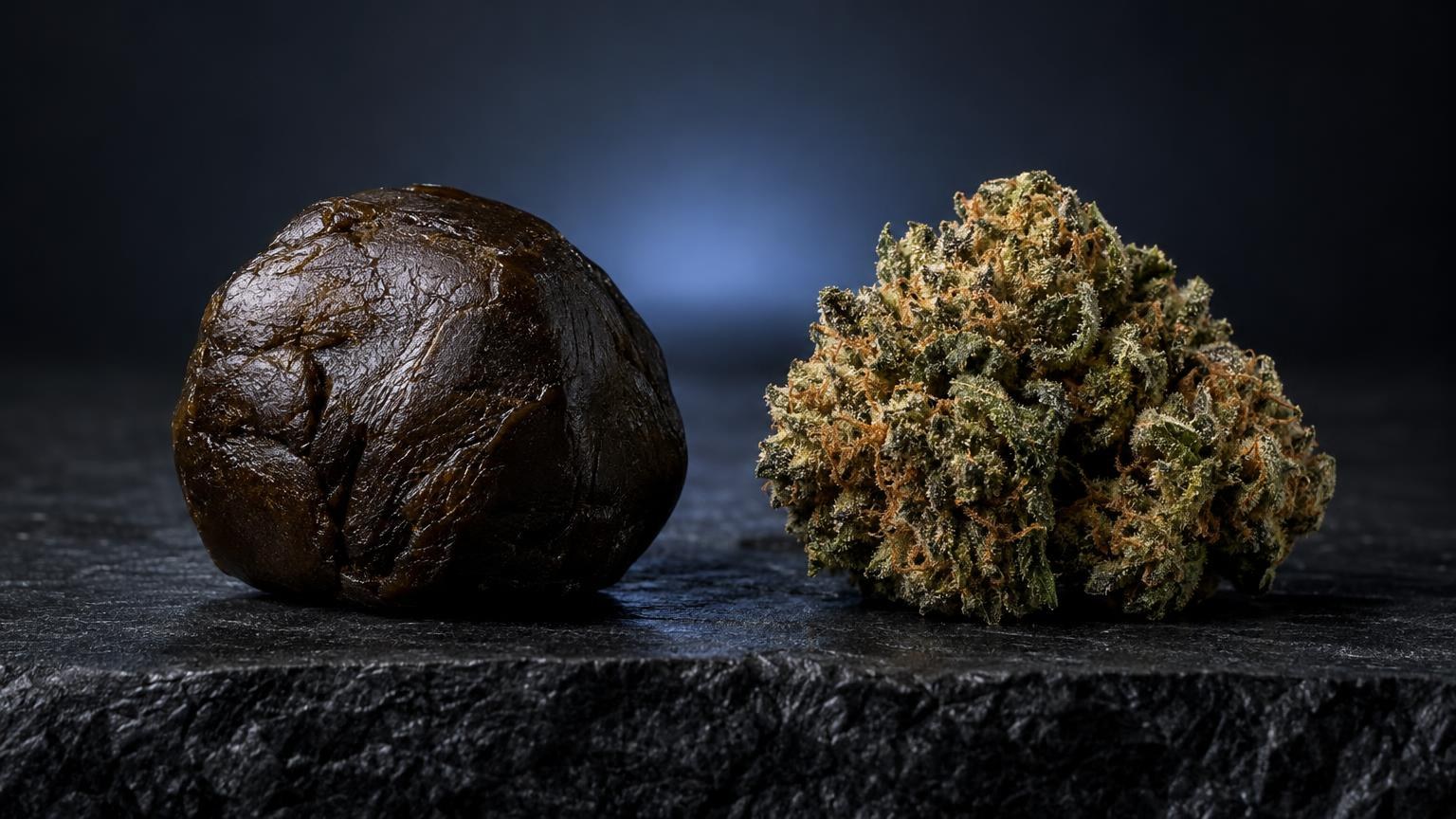
Think of flower as the whole fruit and hash as the jam. It’s the same plant, but with the leafy bulk stripped away, so you get more density, a different texture and a louder aroma. Hash oil goes one step further: it turns the cannabis resin into a liquid, while hash stays a solid you can crumble and knead.
The word itself says nothing about strength. Whether a block leans on CBD or THC depends on the original Cannabis sativa plant it came from and the process behind it, not on the label “hash”. That’s why people who use hashish talk about methods and origins first.
This guide explains how each extraction method shapes the block in your hand, what names like Nepalese or Kashmir signal, and how CBD hash, THCX hash and classic hashish compare. If you searched “what is hash” for the hash brown, a breakfast staple in America, or for a hash function in computing, the word has its own page: hash meaning and origin. From here on, it’s all about cannabis use.
What is hash, exactly?
What is hash? It’s cannabis resin you can hold in your hand: trichome heads are shaken, sieved or washed off the cannabis plant, then pressed into a block or ball. With the leafy bulk gone, hash is a concentrated form of cannabis, denser in cannabinoids and terpenes than the marijuana buds it came from.
Is hash the same as hash oil?
No: hash is pressed resin, while hash oil is a liquid extract. Hash starts by collecting resin glands with sieves, hands, ice water or static, then compacting them with pressure and a little warmth. Hash oil is made differently: a solvent or heat pulls the resin out of the plant, purged down to a thick, sticky liquid.
Texture tells them apart. A good block of hash crumbles like shortbread or softens like fudge, while solvent concentrates such as hash oil, wax or shatter look more like honey, lip balm or amber glass. Oil formats are closely tied to the dabbing scene in the U.S., while pressed hash draws on a long hand-rubbed tradition in parts of Asia.
International bodies keep the two apart as well, listing resin and extracts as separate categories, reflecting that physical difference.
How is hash made?
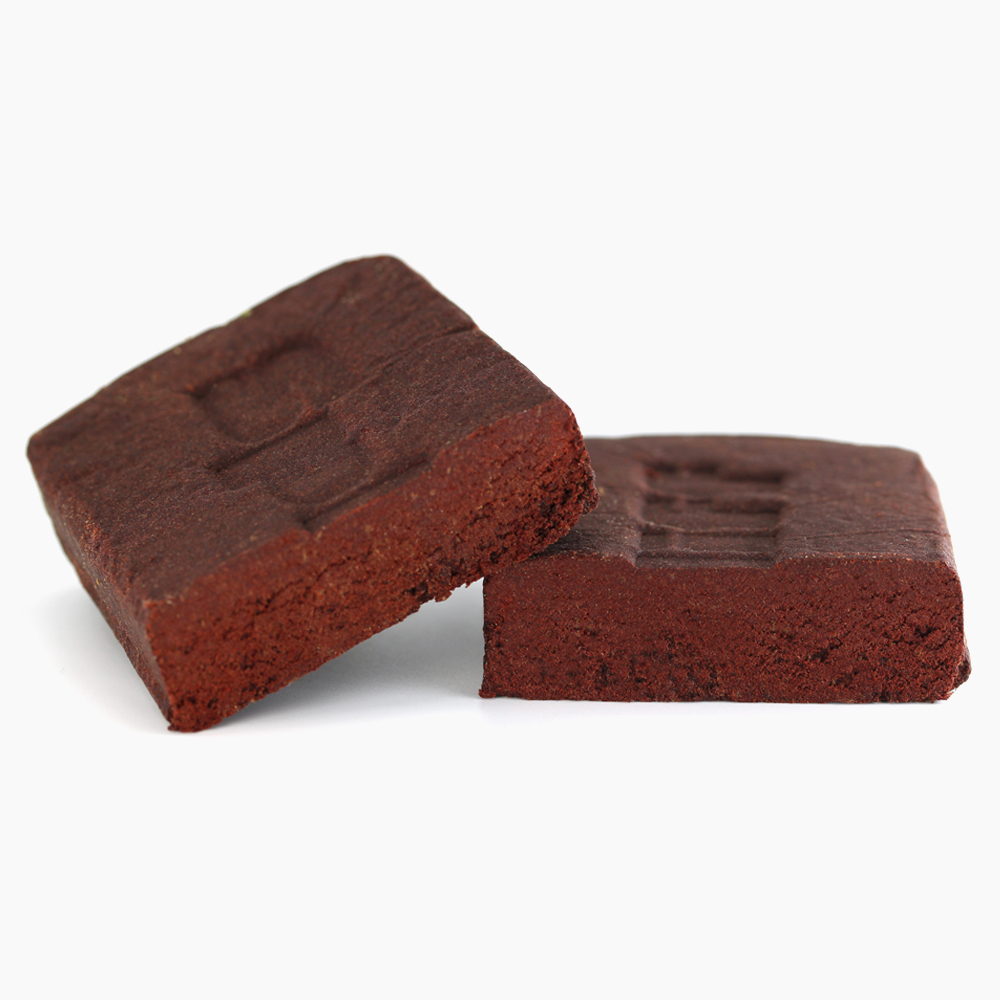
Hash is made by separating the trichomes from the plant and then compacting them. Makers dry-sift buds through fine screens, rub live plants by hand, or wash them in ice water, then press the loose resin with heat. Technically, hash is a cannabis extract made when trichomes, the resinous glands on the plant surface, are removed and processed into a concentrated form of cannabis[4].
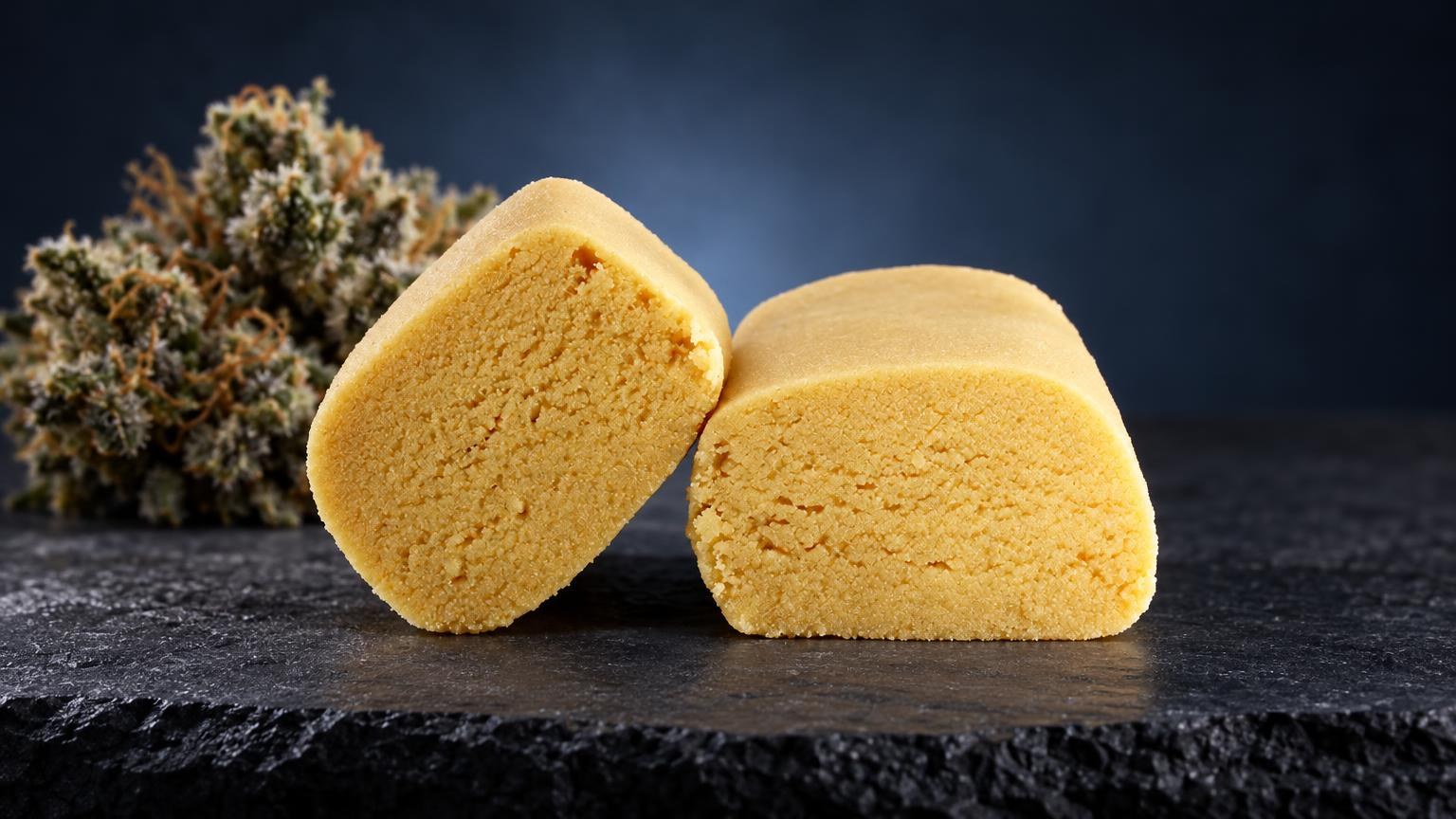
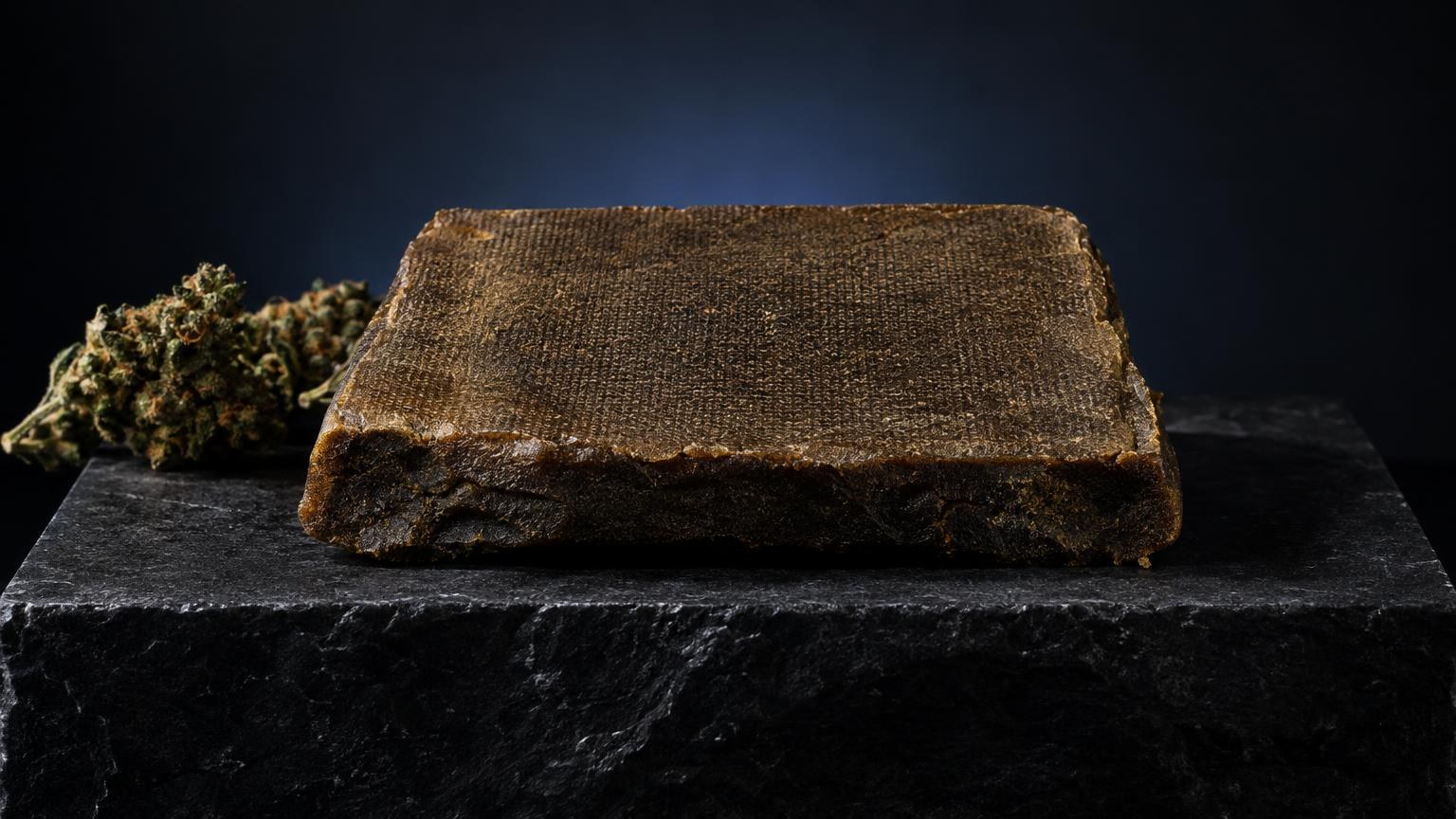
Dry sift falls like icing sugar and is pressed afterwards. Hand-rubbed resin comes out soft and oily, and pressing takes it from blond and crumbly to the dark, pliable slabs people associate with Afghanistan. For us, the method tells you more than any origin name about what is hash quality: cleaner separation leaves fewer plant particles and gives a cleaner aroma.
What is ice water hash, or bubble hash?
Ice water hash, often called bubble hash, is resin washed off the plant with cold water. Plant material is stirred in ice water until the frozen trichome heads turn brittle and snap off. The slurry then passes through a stack of micron bags, each catching heads of a different size.
The water is just a cold bath here, not a water pipe bong. Once dried, bubble hash feels like crumbly fudge, and since the water carries most leaf fragments away, it’s prized for purity. With a THC strain, purer resin means higher levels of THC per gram than a rougher sift would give, so expect a more intense high.
What makes static hash different?
Static hash uses static electricity instead of water. The kief is spread under a charged plastic surface: light trichome heads lift toward it, while heavier plant debris stays behind. Each extra pass strips out more contaminants.
The result is a refined, pale resin that softens and melts with gentle warmth, a sign that little plant matter remains. It’s a niche, labour-heavy style found among resin enthusiasts across Europe, promising a delicate texture rather than a firm brick, with levels of THC or CBD set by the plant it came from.
Nepalese, Kashmir, Moroccan: what do hash names tell you?
Origin names on hash describe a traditional style, not a passport. Moroccan-style usually means dry sift pressed into a lighter, firmer block. Nepalese and Himalayan styles mean hand-rubbed resin that’s dark, soft and fragrant, while Kashmir-style points to dense, dark hash with an earthy, spicy profile. Read them as texture and aroma cues.
Morocco is linked to sieving dried plants, so Moroccan-style blocks tend to be blond to tan, firm and crumbly, a bit like shortbread.
Kashmir, in the north of India, lends its name to dense, dark slabs with an earthy, spicy edge, closer to dark chocolate. Kashmir Hash 60% THCX shows how that style label is used on today’s cannabis products, with the percentage right in the name. THCX is a trade name, not a molecule: every batch is lab-tested for classified molecules and none are detected.
The place names come from cannabis traditions, and the World Health Organization describes cannabis as a generic term for several psychoactive preparations of the plant Cannabis sativa, with THC as its major psychoactive constituent[2].
Why is Nepalese hash so soft and dark?
Nepalese hash is soft and dark because it’s hand-rubbed, the same way Himalayan charas is made, so the resin keeps its natural oils instead of drying into powder. Those oils carry the terpenes, which is why Nepalese-style blocks smell intense and stay pliable, like fudge, where dry sift breaks like a biscuit.
Contact with air darkens the surface over time, often leaving a glossy, near-black outside around a lighter core. That tackiness isn’t hash oil: it’s still solid pressed resin, just richer in oils. For everyday hash use, a soft block keeps its character best in an airtight container, away from heat.
CBD hash, THCX hash or THC hashish: which one fits you?
Once you know what is hash, choose by cannabinoid first, texture second. CBD hash suits you if you want the aroma, texture and ritual of resin without the classic high. THCX hash is for you if you want the effects hash lovers associate with THC, with the strength printed on the label. Classic THC hashish is the traditional reference point that both are measured against.
Style names describe the texture. The cannabinoid decides what the resin actually does, and that’s where “what is hash” turns into a choice. Hash oil, wax and other concentrates are a separate family, so this comparison sticks to pressed resin.
| Type | What the label shows | Typical texture and format | Who it suits |
|---|---|---|---|
| CBD hash | CBD percentage on the product page | Pressed block or crystal-coated piece | Curious first-timers and aroma lovers |
| THCX hash | THCX percentage is indicated in the product name. THCX is a trade name, not a molecule: every batch is lab-tested for classified molecules and none are detected. | Pressed block or pre-rolled joint | From a moderate first try up to experienced resin fans |
| THC hashish | THC content, which varies from batch to batch | Traditional pressed block | Reference point for the classic high |
Classic THC hashish belongs to the resin tradition people link with Morocco, Lebanon and Egypt.
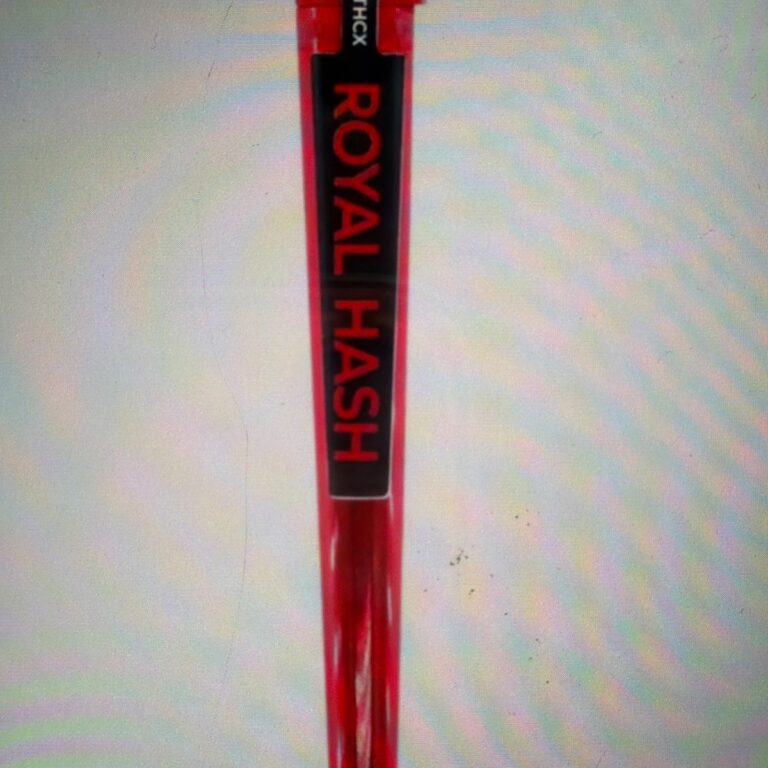
Our take: start with a CBD hash or a moderate THCX percentage, then move up. Golden Hash 30% THCX is a sensible first step before Kashmir Hash 60% THCX, which doubles the figure on the label. If you’d rather skip preparation, the Royal Hash pre-roll arrives as a finished rolled joint, so there’s no blunt to wrap and nothing to crumble yourself.
How strong is hash and what are its effects?
Hash often hits harder than flowers because it’s concentrated resin: gram for gram it usually carries more cannabinoids and far less plant material, but the actual concentration varies with the process and the product. How strong a given piece feels comes down to three things: the cannabinoid and its percentage on the label, the amount you use, and your own sensitivity. CBD hash and THCX or THC hash don’t compare in intensity.
Strip away the leaf, keep the glands, and a crumb will often carry more active compounds than a pinch of bud, though a mild hash can still sit below a potent flower.
The percentage on the label is your first reading of intensity. After that, the effects hash use brings depend on you, so start low and give it time.
- Cannabinoid: it sets the type of experience, not just the level.
- Percentage: a higher figure means more of that cannabinoid in every gram.
- Amount: a small crumb of a concentrated hash can match a much bigger pinch of flowers.
- Sensitivity: body, habits and expectations shift how the same piece lands.
CBD hash and THCX hash can share a texture without being interchangeable. One is about aroma and ritual, the other is built for effects that echo THC. Swapping one for the other at the same amount is an easy way to misjudge strength.
Keep one distinction in mind: a CBD-based medicine, Epidyolex, went through its own evaluation and authorisation by the European Medicines Agency[3]. A CBD hash has never been through that process, so it’s a consumer product, not a medicine.
For health questions, whether about short term effects or long term effects, and for anything touching your mental health, rely on public health authorities and a doctor rather than on product guides. If your use starts to feel hard to control, don’t wait: a healthcare professional can assess whether it points to cannabis use disorder, and local mental health services are there to help too.
Conclusion
So, what is hash once you strip away the mystique? Pressed trichomes, shaped by the method and labelled by style. The cannabinoid then sets the tone: CBD for the ritual, THCX for effects that echo THC, and classic delta-9 THC hashish as the traditional benchmark.
Pick the texture you enjoy first, then a percentage you can comfortably handle. Treat potent hash with the respect you’d give any psychoactive drug, and don’t combine it with alcohol or other drugs. If anything about your use or addiction worries you, talk to a healthcare professional.
When you’re ready, browse the CBD hash collection or the THCX hash collection.
Frequently asked questions
Is smoking hash bad for you?
Heavy or frequent use of cannabis preparations is linked to cannabis use disorder, so if your use or any effects of hash use worry you, speak with a healthcare professional rather than relying on label strength alone.
Is hash a type of drug?
Hash comes from cannabis, a generic term for psychoactive preparations of the Cannabis sativa plant, with THC as its major psychoactive constituent[2]. As a concentrated form of cannabis made from pressed trichomes, hash falls within that same classified plant family rather than being a separate substance[4].
Sources
- Cannabis — World Health Organization — www.who.int
- Epidyolex (cannabidiol) — European Medicines Agency, EPAR — www.ema.europa.eu
- Hashish – Wikipedia — en.wikipedia.org