 Written by Sophie Clarke
Types of hash describe how cannabis resin is separated from the plant: hand-rubbed (charas), dry-sifted and pressed, obtained dry sieving kif, ice water methods like bubble hash, or heat-pressed rosin. Each family yields different types hash with distinct texture, purity and shape, while solvent extracts like BHO butane hash form a separate category of products.
Hash THCX at Spliff · from €5.90/g · ★ 4.9/5 (419 reviews)
72 h delivery in Europe · Free delivery from €99
Contents7 sections
Types of hash refers to the different ways cannabis resin is separated from the plant: rubbed by hand, sifted dry, washed in ice water or pressed with heat, each leaving a different amount of plant matter behind. Hash, or hashish, is concentrated trichome resin, and every method chases the same goal: as little leaf and stem as possible.
Most guides list the different types country by country, with a Moroccan block here and an Afghan slab there. We sort them by extraction method instead, because the method explains colour, texture and purity in one go. Keep this three-question grid in mind as you explore the different types of hash below:
- What separates the resin? Hands on live plants (charas), sieves over dried cannabis buds or trim, ice water, or heat and pressure.
- How much plant matter stays in? Less plant matter means a cleaner, purer resin.
- What shape does it take? Brick, slab, piatella or ball.
There’s no single best hash, only the right match between purity, texture and a traditional or modern style. The process stays the same whether the resin comes from CBD-rich or THC-rich plants, so bubble hash CBD fans and THCX range buyers can use the same grid.
THCX is a trade name, not a molecule: every batch is lab-tested for classified molecules and none are detected. The frequently asked questions at the end cover the rest.
What are the main types of hash?
The main types of hash fall into four families, sorted by how the resin is separated: hand-rubbed (charas), dry-sifted and pressed (kif, Moroccan pollen hash), ice water (bubble hash, full melt) and heat with pressure (rosin, piatella, temple balls). Each family has its own starting material, texture and typical shape, mapped out below.
ScienceDirect’s botanical overview of hashish defines it as the resin-bearing trichome structure of the cannabis flower, separated from the rest of the plant material[4]. Same strains going in, very different types of hash coming out.
| Method | Starting material | Plant matter left | Typical texture | Examples |
|---|---|---|---|---|
| Hand-rubbed | Live plant | High | Sticky, pliable | Charas |
| Dry sift and pressed | Dried cannabis buds, trim | Medium to low | Powder pressed into blocks | Kif, pollen dry sift, Moroccan pollen hash |
| Ice water | Buds, trim | Low | Grainy to melting | Bubble hash, full melt |
| Heat and pressure | Hash or sift | Lowest | Oily, glossy or hand-shaped | Rosin, piatella, temple balls |
Solvent extracts such as BHO (butane hash oil) sit outside this map: their resin is dissolved in butane rather than separated mechanically.
If purity is your thing, head straight to the ice water row. For texture and tradition, charas and the sieved hashes of North Africa and the Middle East remain the references, while piatella is the modern craft take.
This same grid reads just as well for CBD hash as for THCX hash. On the CBD side, Golden Crystal is a good place to try it out.
Hand-rubbed hash: charas
Charas is the hand-rubbed style at the root of the whole family. According to a PubMed-indexed study on the potency of cannabis resin, hand-rubbed hashish is the ancient technique of extracting resin from cannabis plants, practised in the Indian Himalayas[5].
The gesture is simple. A harvester runs their palms over flowers still growing on the plant, the sticky resin builds up on the skin, and it’s rolled off into small sticks or balls.
Typical charas is soft and pliable, darker on the surface and lighter inside, with a loud, resinous aroma: like almond paste shaped by fingers rather than a press.
Next to the other extraction methods, though, hand rubbing has clear limits:
- Contamination: sweat, dust and fragments of plant material end up in the resin along with the trichomes.
- Yield: rubbing gathers small amounts, far less than sieving a pile of dried flowers.
- Consistency: how much resin, and therefore how many cannabinoids, makes it into the ball depends on the hands and the timing, so potency swings and one batch can be high quality hash and the next distinctly average.
So charas wins on character and texture, not on purity. If that soft, hand-worked feel is what you’re after, accept the trade-off: a standout hand-rubbed batch carries its own fingerprint, and the next one may not match it.
Temple balls, its rolled and refined cousins, push the same hand-shaping further. They’re covered in “Rosin, piatella and temple balls: heat, pressure and shape”.
Dry-sifted and pressed hash: kif, static and triple filtered
Where charas in India starts from living plants, the second family works with dried cannabis buds and a stack of screens. Dry sieving is mechanical: the material is shaken over meshes that get finer, the brittle trichome heads snap off and fall through, and most of the leaf stays on top.
The raw powder collected underneath is kif, resin obtained dry: sieving, pass after pass, does all the work, and it’s been the base of Moroccan hash for much of its history. Hashish is made up of around 400 compounds, including over 60 cannabinoids, terpenoids, phenols, and other additions (adulterants and contaminants)[6].
Two refinements push purity further. Static sift uses electricity: a charged surface pulls the light trichome heads up and leaves heavier plant fragments down. Triple filtered simply means sieving dry sift through the screens again, then once more.
Every extra pass gains purity and loses yield. That trade-off is why the cleanest grades come in smaller batches.
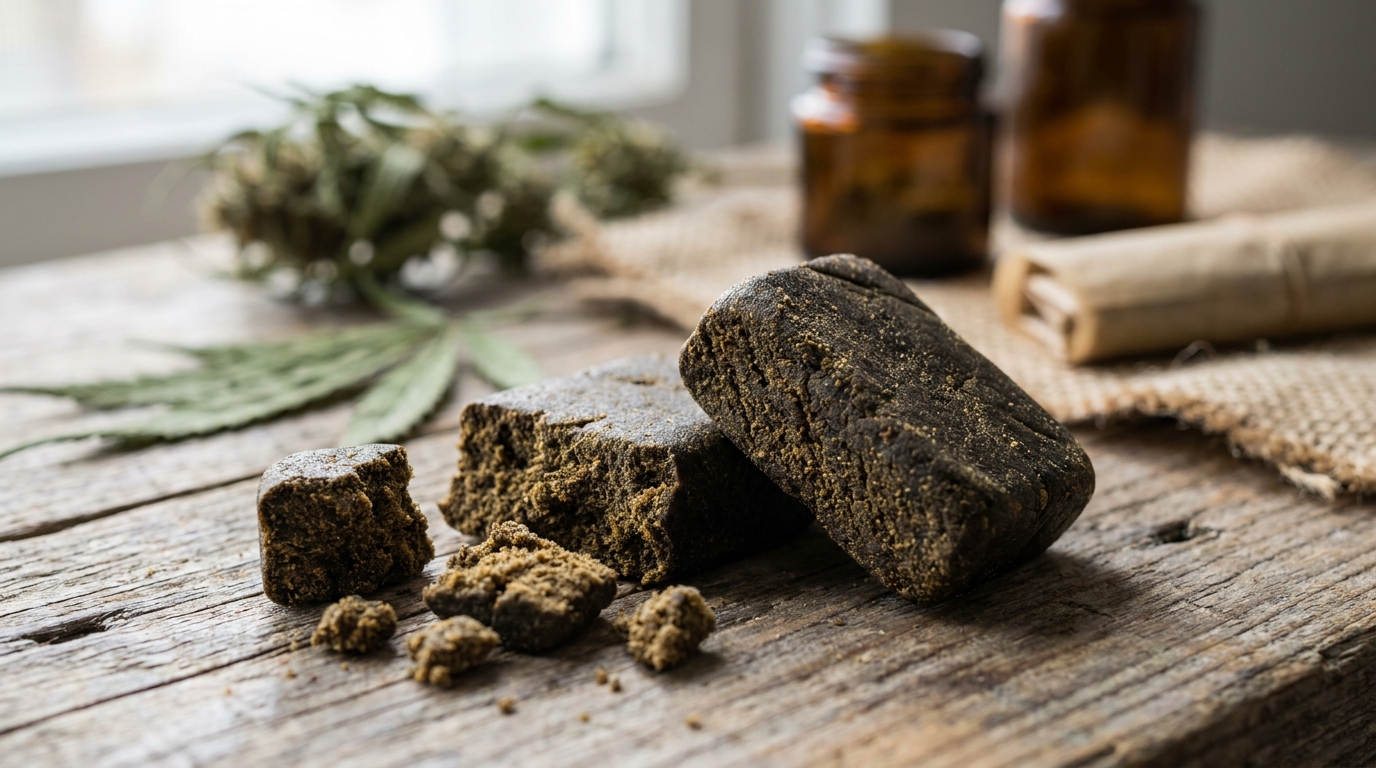
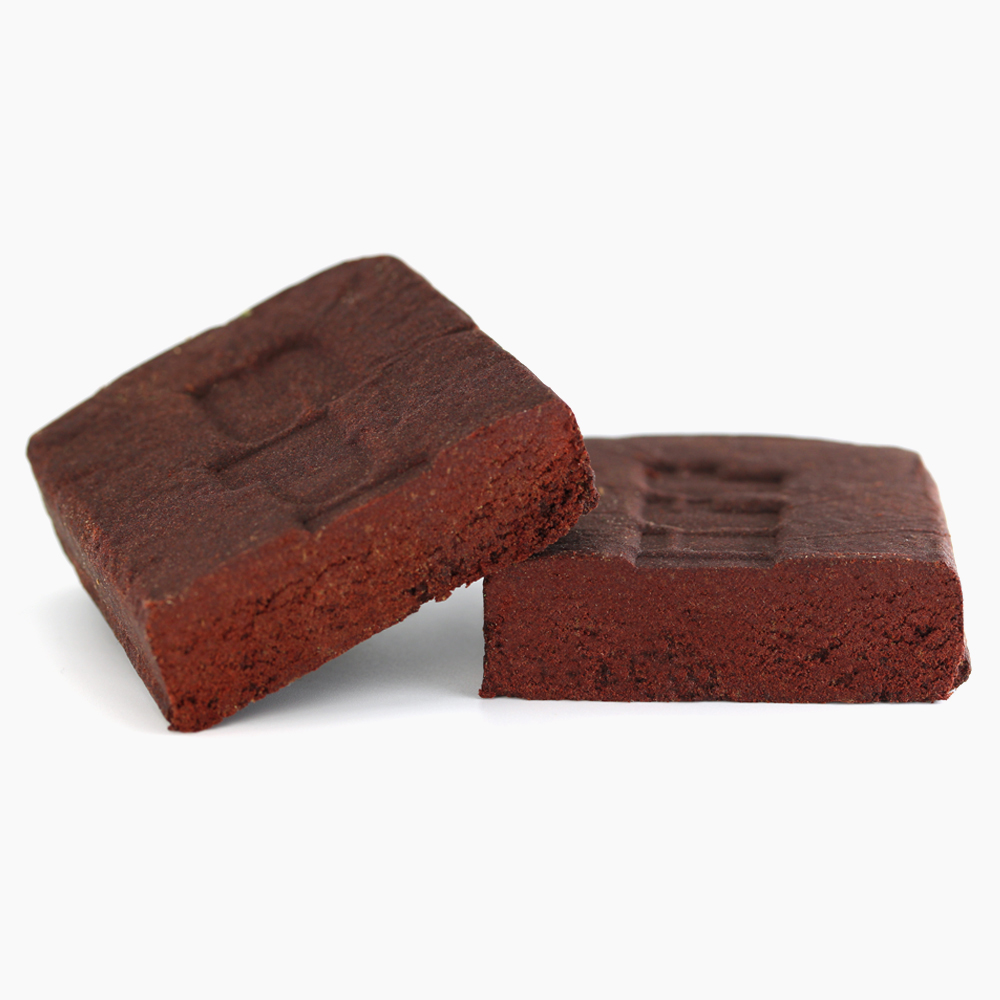
Pressing quietly changes everything: the same powder becomes a crumbly cake or a dense, often darker block depending on pressure and heat, a bit like one flour turning into shortbread or a heavy rye loaf. Lebanese slabs are a classic example of the pressed, dry-sifted style.
Ice water hash: ice-o-lator, bubble and full melt
Swap the screens for a bucket of cold water and ice, and the sorting gets far more precise. Freezing water turns the trichome heads brittle, gentle stirring knocks them loose, and the slurry runs through filter bags that each catch heads of a different size. Those trichomes carry the resin, with its THC or CBD and its terpenes, and come out cleaner than any screen can manage.
The bags gave bubble hash its name, and that size-by-size sorting is the real gap between a sift and an ice water hash. A screen only separates “passes” from “doesn’t pass”. Water lets you keep each grade apart, which is why this method has become such a popular way to make high-grade resin.
From there, the same resin takes different finishes:
- Ice-o-lator: ice water hash pressed into a compact, firmer piece.
- Full melt: the top fraction, with the cleanest heads, almost no plant matter and a texture that softens and melts under gentle heat.
You’ll often see a star rating on bubble. It’s a producers’ convention based on how the resin melts, not an official standard. Read it as a purity hint, not a guarantee.
In the classic dry sift bubble hash comparison, our verdict is clear: water sorts trichomes more finely than any hash dry sift. The catch is drying, since ice water products leave the bags wet, and that step is where production most often goes wrong.
Resin that isn’t dried thoroughly loses aroma and quality. That’s why a carelessly produced sift bubble batch can end up behind a well-made dry sift.
Rosin, piatella and temple balls: heat, pressure and shape
The last family doesn’t pull resin off the plant at all. It reworks resin that earlier extraction methods have already separated, using heat, pressure and your hands to turn it into a new format.
Rosin is the simplest of these: warm plates squeeze the resin out of flowers (flower rosin) or out of hash (hash rosin), with no solvent anywhere, which makes it a truly solventless format. A press doesn’t purify, though, so any hashish produced this way is only as clean as what you put into it.
The starting material decides the final product (as noted in the ice water section), while flower rosin carries more of the plant with it.
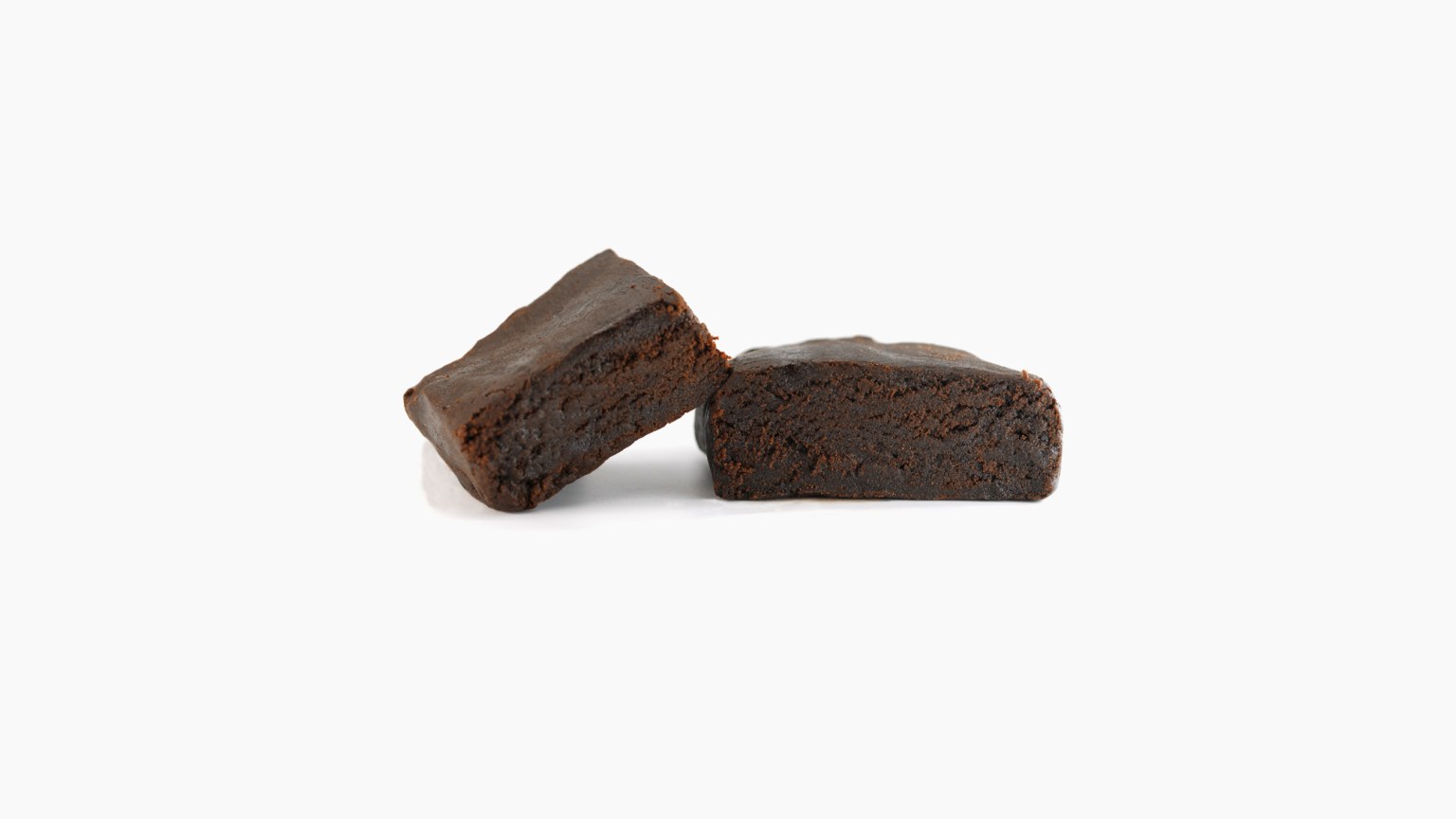
Piatella is an Italian style named after its flat shape (piatto). It’s hash washed in water ice, pressed into a disc and cured until it turns creamy and pliable, unlike the oily squeeze of rosin or the crumbly texture of raw bubble hash.
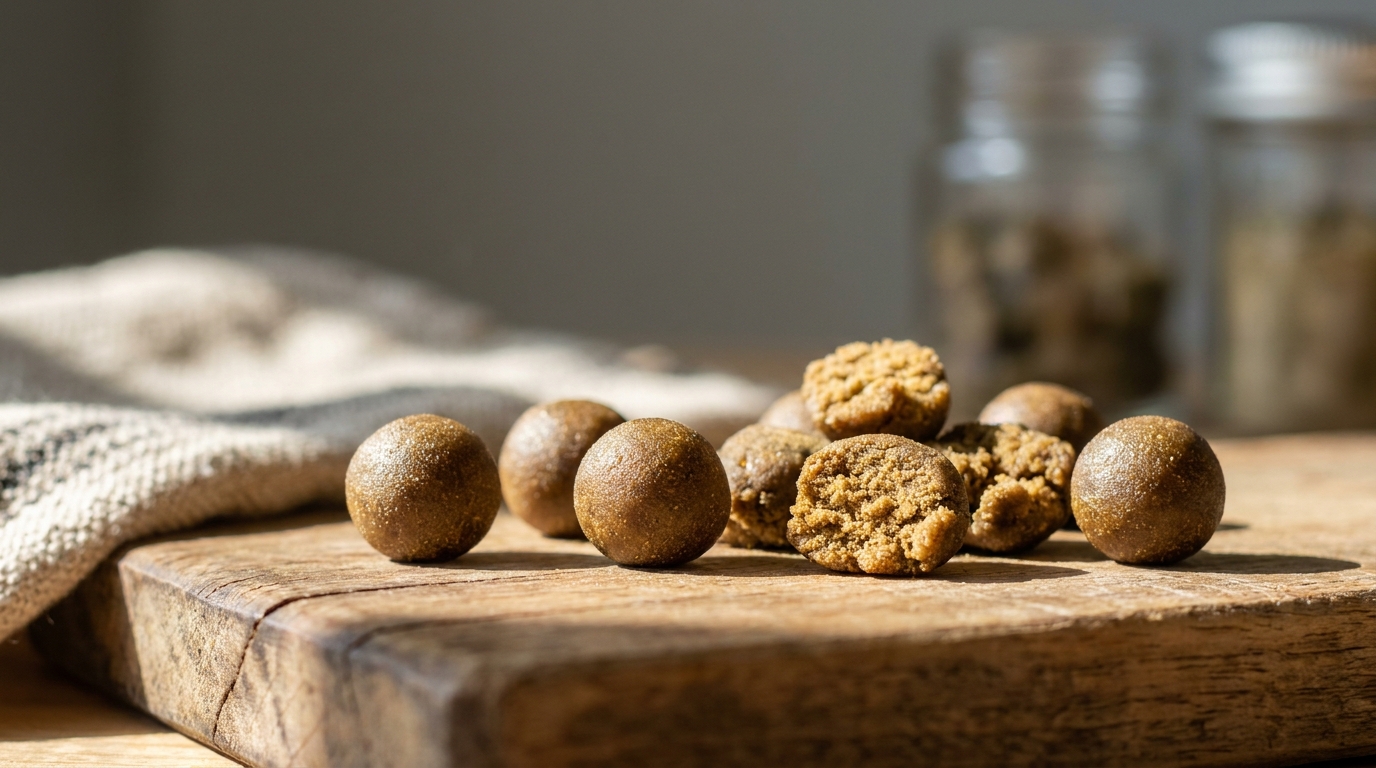
Temple balls take hand-rolled resin, shape it into spheres and leave it to mature. Like a cheese left to age, the aroma deepens and the texture changes over time.
| Format | What transforms the resin | Typical texture |
|---|---|---|
| Rosin | Heat and pressure, no solvent | Glossy, sticky, oily |
| Piatella | Light pressing, then curing | Creamy, soft, pliable |
| Temple balls | Rolling, then ageing | Dense, smooth, firm outside |
To compare textures across the types of hash we carry, look at the CBD hash Golden Crystal next to Kashmir Hash, from our THCX range. THCX is a trade name, not a molecule: every batch is lab-tested for classified molecules and none are detected. Kashmir Hash borrows its name from the Himalayan region of Kashmir as a style reference, not a statement of origin.
The lab analysis of each batch is available on request from customer service.
Conclusion
Hand-rubbing, dry sifting, ice water and heat-pressing each give hash its own character and flavor, from Moroccan slabs to modern rosin, a solventless extract made by pressing alone. Each method has played an important role in hash culture, and none is simply “the best”. It comes down to the texture and aroma you’re after.
To compare these types of hash, browse our CBD hash collection, available in 3 g, 5 g, 10 g, 20 g, 50 g and 100 g.
For adults only (18+). CBD is not a medicine and is not a substitute for medical advice or treatment. If in doubt, consult a healthcare professional.
Frequently asked questions
What is the purest form of hash?
Ice water hash is generally considered the purest, since freezing water lets trichome heads be sorted size by size through filter bags rather than just screened. The top fraction, full melt, carries the cleanest heads with almost no plant matter, unlike hand-rubbed or dry-sifted styles.
Is hashing a type of encryption?
No, that’s a different use of the word. In the context of cannabis, “hash” or “hashish” refers to the trichome structure of the cannabis flower that contains resin, separated from the rest of the plant material[4], not a cryptographic process.
Sources
- Hashish – an overview — www.sciencedirect.com
- Phytocannabinoid profile and potency of cannabis resin … — pubmed.ncbi.nlm.nih.gov
- Characterization of Some “Hashish” Samples in the Egyptian … — pmc.ncbi.nlm.nih.gov