Contents9 sections
- How Long a Smoked or Vaped High Lasts
- "How Long It Lasts" Is Not "How Long It Stays in Your System"
- What Makes a High Last Longer, and What Cuts It Short
- Joint, Pipe or Vape Pen: Does the Format Change the Duration?
- Coming Down: What Actually Helps, and What Does Not
- Spliff, September 2026: What We Actually Sell to Smoke and to Vape
- Where Does the Rest of This Question Get Answered?
- Conclusion
- FAQ
An inhaled cannabis high lasts, for an occasional user, roughly one to four hours according to Medical News Today: effects arrive within minutes, peak inside the first half hour, then fade into a duller tail. Dose, tolerance and inhalation depth move those bounds far more than the strain does. Adults only, in countries where consumption is permitted.
Long enough to plan around, short enough that most of it is behind you by the time you have eaten a proper meal.
Here is the mechanism, in plain terms. Smoking cannabis pushes cannabinoids straight across the alveolar membrane into the bloodstream, so plasma THC climbs within minutes instead of waiting on hepatic first-pass metabolism[4]. A 2023 review in Cannabis and Cannabinoid Research also documents residual next-day effects on cognitive performance in some participants.
Two caveats before you treat the published figures as gospel. They come from controlled protocols using standardised THC-rich cannabis cigarettes, with fixed weight, fixed potency and an imposed puff schedule, so the numbers describe that material and not what sits on a shop shelf.[2] This guide describes the European Union market, where what is sold, and under which rules, differs from one country to the next.
| Method | Onset | Peak | Usual duration |
|---|---|---|---|
| Joint or pipe | 1–5 minutes | 15–30 minutes | 2–3 hours, plus a duller tail |
| Vaporizer or vape pen | 1–5 minutes | 10–30 minutes | 2–3 hours, often cleaner and shorter |
| Edible | Different clock, see the edibles guide | Different clock, see the edibles guide | Different clock, see the edibles guide |
Read that table as a range, not a timer. Ask ten people how long a weed high lasts and you will get ten answers, because a small puff and a full session simply do not deliver the same cannabinoid load.
A higher THC content pushes the intensity up more than it stretches the clock. Plenty of ordinary variables also move the duration: an empty stomach, a short night, mixing cannabis and alcohol in the same evening. I break down each of them further down, along with what the come-down actually feels like.
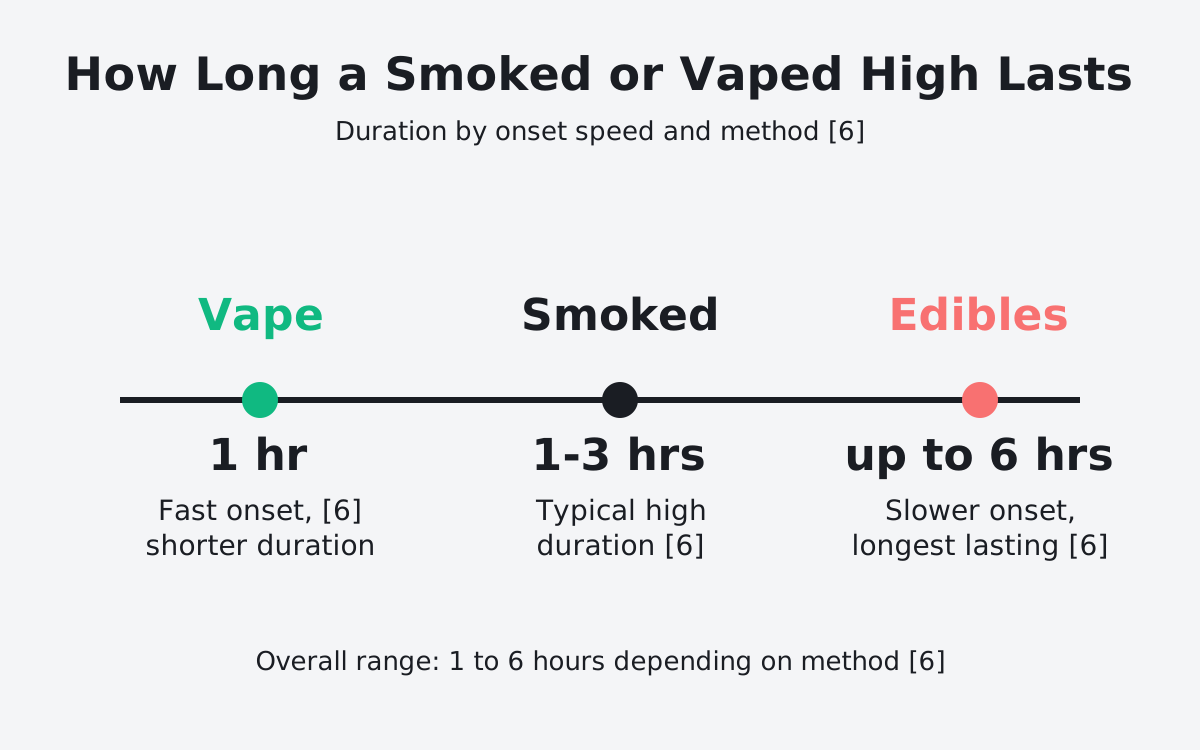
How Long a Smoked or Vaped High Lasts
Put those bounds on paper and one detail stands out: inside that window, where you personally land depends far more on dose and exposure history than on the label on the jar. The rest of this section explains the variables.
| Method | Distinct, sharp phase | Lingering tail |
|---|---|---|
| Joint or pipe | The unmistakable stretch: altered time sense, appetite shift | Heavy head, slower thinking, sometimes an extra hour or two |
| Dry herb vaporizer or vape pen | Same shape, often reported as slightly cleaner | Usually shorter than with combustion |
| Edible | Different clock entirely, not timed here | See how long edibles last |
The consumer-health band quoted in the answer at the top of this page[6] is an orientation, not a measured constant, and it is not counting the same thing as the table above. It covers the whole episode, sharp phase and tail together; the table splits them and times the sharp phase alone.
I split the table row into a sharp phase and a lingering tail because they are two genuinely different experiences. The unmistakable part fades first. What follows is duller: heavy head, slowed thinking, a bit of fatigue.
That tail is why someone will tell you a session lasted five hours when the distinct part had ended well before. It also explains why “how long does a weed high last” collects such contradictory answers in the wild. Two people describing the same session are often describing two different phases of it.
Dose is the first lever on where you land inside that window. In the pooled data, the magnitude and the duration of acute impairment both track the amount of THC taken in, which is the single variable those analyses isolate most clearly.[2] More THC in one sitting stretches the curve; how far is exactly what the range is there to cover.
Tolerance is the second lever. Regular use recalibrates the response, so a daily smoker frequently reports a shorter, flatter effect from a quantity that would flatten an occasional user for an afternoon. The same cannabis behaves differently person to person, and that difference tracks mostly with exposure history, body mass and how deeply the smoke or vapour was held.
One vocabulary note, because it will hit you the moment you start reading the primary literature yourself: studies almost never write “joint,” they write cannabis cigarettes.
Keep in mind, too, that the effects of THC on mood and perception are self-reported endpoints. Researchers ask subjects to rate how high they feel on a scale, at fixed intervals. There is no blood value, no meter and no external marker that tells you objectively when a cannabis high is over.[2]
"How Long It Lasts" Is Not "How Long It Stays in Your System"
That window describes one thing only: what you feel. It is a subjective timeline, and it is not the same measurement as what a laboratory could detect in a biological sample after use.
Two clocks run in parallel, and confusing them is the single most common error on this query. The first is the felt effect, which after inhalation is counted in the hours set out above. The second is the persistence of cannabinoid metabolites in the body, which runs far longer and shifts with consumption frequency.[5]
Treat those hours as an indicative range, not a rule that transfers cleanly to every product.
Back to the felt effect, then, because that is what the question how long does a weed high last actually asks. Route of administration shifts the subjective timeline considerably: the same material inhaled or swallowed does not behave the same way at all. Edibles run on a different clock entirely, and that one has its own guide: how long edibles last.
So when you ask whether the effects last hours or a day, you are asking about perception, not about chemistry in a tube. The rest of this article stays on that side of the line.
What Makes a High Last Longer, and What Cuts It Short
So why does a single window have to stretch that wide? Because almost every variable that moves it sits in the person and in the session, not in the plant material.
Three of them do most of the work. I want to name them carefully, once, because the rest of this article leans on them.
- Dose and concentration, already covered above, and still the biggest single lever.
- Tolerance, same story: regular use flattens the curve.
- How you inhale. Deep, repeated puffs inside a few minutes deliver a very different dose than a few puffs spaced across an evening. Two occasional consumers can take the same number of puffs and still absorb different quantities, because puff depth, duration and pacing are not standardised behaviours. The object in your hand sets the ceiling; your technique decides how close you get to it.
Both of the limits flagged at the top of this guide bite hardest right here.[3] One is chemical, the other statistical: a published range describes the spread across a study population, not a prediction about the one individual reading it.
Then there is everything around the session. It does not change the chemistry, but it reliably changes the experience.
An empty stomach tends to make onset feel sharper and the first phase more abrupt. Nothing about the compounds has changed, yet the subjective arrival is steeper, and people frequently misread that as a stronger product.
Alcohol is the most common confounder of all. Combining the two blurs the picture, makes each substance harder to attribute, and is regularly reported to stretch the whole thing out.
Fatigue and sleep debt matter more than most people expect. Arriving at a session already exhausted tends to flatten the clear phase and lengthen the dull tail, so the whole thing feels heavier for less.
Setting and mood change the reading without touching the pharmacology. A familiar room with people you trust produces a completely different account of the same session than a noisy, unfamiliar place where you already felt tense. The molecules are identical; the report is not.
Which is the real reason two friends never agree on how long does a weed high last: they are each reporting a different set of those variables, honestly.[2]
Worth separating clearly: what we are discussing here is the short term cannabis experience, session by session. The long term picture of habitual use is an entirely different subject with its own literature.[1]
One practical consequence follows. Because the effects tend to last longer for people with little exposure, and because the dull tail can run hours longer than the sharp part, the first time you try an unfamiliar format is the worst possible moment to have somewhere to be.
Nothing on that list is a dial you can set precisely. Inhalation technique explains a good part of the spread within a given dose; the contextual factors explain most of the disagreement between friends describing the same evening. Keep both categories in mind whenever a duration figure looks wrong next to your own reaction to a product.[5]
Joint, Pipe or Vape Pen: Does the Format Change the Duration?
Once the variables are on the table, the obvious next question is whether the object in your hand belongs on that list. Mostly, it does not. With inhalation, the pharmacokinetics are set by the route of administration, not by the hardware.
Cannabinoids cross the alveolar membrane and enter systemic circulation the same way whether the aerosol came from a joint, a pipe, a dry herb vaporizer or a disposable pen. That shared absorption step is why onset lands within minutes in all four cases, and why the felt window stays in the same order of magnitude whichever of the four you picked up.
What the object genuinely changes is your behaviour during the session. A joint has a physical end point: it burns down, it goes out, the session closes itself. A pen does not, and that asymmetry matters far more than any hardware specification.
Concentration is the second real difference. Loose flower, hash and vape liquids sit at very different cannabinoid levels, and a device engineered for a concentrate delivers more active material per puff than one engineered for plant matter. If you want the composition detail, that belongs to what is actually inside a vape and to the broader vape guide.
Dry herb vaporizing gets described, very consistently, as cleaner and slightly shorter than a joint. Take that as reported experience rather than as a measurement: I have not seen controlled data isolating a duration difference between combusted and vaporized flower at matched dose. The absence of tar and combustion by-products is well established analytically; the shorter tail is anecdote.
Concentrates and rosins follow the same logic in a sharper key. The climb is steeper and the peak feels harder, because more active material arrives faster. Duration barely budges, so do not read intensity as length.
Same flower, two objects
The cleanest way to see this is to run one material through two routes. Amnesia 25 THCX flower is loose bud you can roll or drop into a dry herb chamber, carrying the sharp citrus and pine nose (limonene and pinene, both monoterpenes) that made Amnesia a classic in the first place. Same batch, same analysis, two very different session shapes.
Rolled, you commit to a quantity before you light it. Vaporized, you take three puffs and put the device down, which is a completely different relationship to dose. That is a behavioural distinction, not a chemical one, and hash adds a third variant with its own handling and gear.
CBD pre-rolls sit in the same inhaled route with a different felt character, and the question of how long does a weed high last does not really transfer to them, since what people describe is not a high in that sense. The onset profile is comparable because the route is comparable.
One thing no format neutralises: while it is active, THC impairs coordination, attention and short term memory, and those acute cognitive and psychomotor effects are among the documented short term effects of cannabis use.[1] A discreet pen produces the same impairment as a visible joint at comparable dose. Worth keeping in mind precisely because a pen looks like nothing at all.
So the practical answer to the format question is unglamorous. Whatever you inhale from, expect the same order of hours rather than a new timeline, and expect the device to influence your total intake far more than your comedown. If you want a shorter session, the lever is the amount, not the object.
Coming Down: What Actually Helps, and What Does Not
Which brings us to the question people actually type once they are already several puffs in. Not how long a weed high lasts, but: how do I make this stop, right now?
The analytically honest answer is that you cannot accelerate clearance. Nothing you swallow, drink or stand under changes the rate at which your body metabolises the cannabinoids you inhaled. What you can change is how the remaining time feels.
That matters more than it sounds. Most difficult sessions are not chemically difficult, they are situationally difficult. Someone stuck standing in a loud room full of strangers has a very different half hour ahead of them than the same person sitting on their own sofa.
So here is the unglamorous list of what genuinely works, in rough order of usefulness:
- Time. The acute effects of inhaled cannabis are transient, on the window set out at the top of this guide. Residual next-day effects are a separate discussion in the literature, including work published in Cannabis and Cannabinoid Research (2023). Your own metabolism working through those compounds is the only mechanism actually doing anything here.[3]
- A calm, familiar place. Your own room beats anywhere you have to perform in front of people.
- Water. Dry mouth is one of the most reliably reported sensations, and a glass of water handles it.
- Something to eat. Plain food, nothing ambitious.
- Fresh air. A window or five minutes outside changes the sensory input, which is often enough.
- Someone to talk to. A friend who has been there is worth more than any tip on this list.
- Sleep. If you can sleep, do. You skip the tail entirely.
Now the folklore. Black pepper, lemon peel, strong coffee and a cold shower circulate endlessly on forums and in the frequently asked questions blocks of half the internet. Not one of them has controlled evidence behind it as a way to shorten an inhaled high.
They are not dangerous, they are simply not mechanisms. There is no antidote to a cannabis high, no reversal agent you can take at home. Any page telling you otherwise is selling you a ritual rather than a result.[6]
Anyone at high risk of a genuinely rough episode is usually in one of the situations already named further up: an unfamiliar product, an empty stomach, alcohol in the mix, or serious sleep debt. Knowing that in advance is worth far more than any recovery trick afterwards.
Two clarifications before we close this out. First, if the trouble came from an edible taken in far too large a quantity rather than from something inhaled, you are dealing with a completely different clock and a different set of sensations, and we cover that experience in what an edible high actually feels like.
Second, and this comes up constantly in exactly this context: do not treat any cannabinoid product as a corrective for another one. That is not how any of this works, and it is not a use case we make claims about.
The practical takeaway for the comedown is almost boringly simple. Change your surroundings, hydrate, eat something, sit with someone. Then let the clock do what only the clock can do.
Spliff, September 2026: What We Actually Sell to Smoke and to Vape
None of that timing changes what sits on the shelf, so here is the shelf, priced.
The figures below come from a Store API pull run on 10/09/2026, recording the regular price of each item that day. Anything discounted at the moment of the pull appears without a price, because a promotional figure tells you nothing durable about a product. Read this as a snapshot of what Spliff sells to smoke or to vaporize, not as a ranking.
| Product | Format | What it is | Regular price |
|---|---|---|---|
| Pre rolled THCX joint, Zkittlez | One joint | Ready rolled, nothing to prepare | 6.90 € |
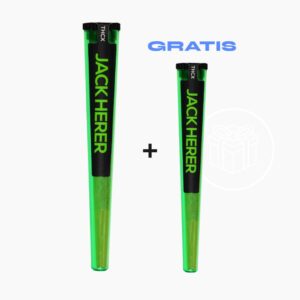
| Pre rolled THCX joint, Jack Herer | One joint | Ready rolled | 6.90 € |
| Pre rolled THCX joint, Royal Hash | One joint | Hash and flower blend | 6.90 € |
| Pre rolled CBD joint, Gelato | One joint | CBD only, no THCX | 4.90 € |
| Box of 3 CBD pre rolled joints, Amnesia | Three joints | CBD only | 13.90 € |
| Amnesia 25 THCX flower | Loose flower | To roll or to vaporize | 23.70 € |
| Purple Haze flower | Loose flower | To roll or to vaporize | 21.30 € |
| Magic Vape Live Rosin | Vape | Rosin, not distillate | 59.90 € |
All three pre rolls land on the same 6.90 €, so your choice comes down to aromatic profile rather than budget. The pre rolled THCX joint in Zkittlez leans candy and tropical fruit on the exhale, the aromatic signature those genetics are known for. The Royal Hash version blends hash into the flower, which shifts the smoke towards rounder, earthier notes.
Both arrive rolled, so the session starts when you decide it starts.
Want the ritual without the THCX side of the catalogue? The pre rolled joints in CBD start at 4.90 € for a single Gelato, or 13.90 € for a box of three Amnesia. Same gesture, different composition.
At the top of the list, Magic Vape Live Rosin at 59.90 € is the one item here built on rosin rather than distillate. That distinction matters analytically: solventless rosin retains far more of the cultivar’s volatile terpene fraction, which distillation strips out. It is also the format that makes casual repeat puffing easiest, and puffing that way is precisely how people lose track of their own timeline.
What Spliff sells under THC style product names is its THCX range, the naming point already flagged above; the dedicated page sets out what that range is and what each batch is tested for. What may be ordered, and from where, is set country by country across the European Union.
Prices and availability move. The pull date above is there so you can see exactly when this list was true.
We ship to 21 EU countries; Ireland is not among them.
Where Does the Rest of This Question Get Answered?
Three neighbouring questions land in the same search box, and none of them belong in this guide. Each has a page of its own.
Eating cannabis rather than inhaling it runs on a different clock from onset to tail, which is the subject of our edibles guide; the figures there do not transfer to a joint, and the ones above do not transfer to a brownie. What a laboratory can still detect days afterwards is a separate measurement again, for the reasons set out in the detection section higher up this page. And if it was the wording on our labels that brought you here, the THCX range page sets out what the molecule is and what each batch is tested for.
Conclusion
One last framing point before you close the tab. This guide set out to answer a deliberately narrow question, how long does a weed high last when you inhale it, and it stopped there on purpose.
Treat any published duration as a central tendency, not a promise.[3] It tells you where most measured responses fell, nothing more.
Everything else that gets swept into the same search belongs elsewhere. The material indexed by the World Health Organization on long term patterns of use, dependence and health outcomes is a different conversation, and nothing written above speaks to it.[1]
Give the first effects room to declare themselves before you decide anything about the session.
And if a lighter, cannabinoid-only smoke is more what you had in mind, the CBD side of the catalogue is where to browse: pre rolled joints, ready to go, nothing to prepare.
FAQ
Those are the shelves; here are the questions people actually type before they reach them.
How long does a high from a weed pen last?
A pen delivers cannabinoids by the same inhaled route as anything else you light, so it lands inside the window mapped at the top of this guide rather than a longer one of its own. Nothing about the hardware itself stretches a high by hours. What stretches a session is behaviour, because a pen restarts without ceremony and you top up without registering it.
How long does a weed high last from a joint?
Roughly the same as any other inhaled format. A joint simply has a built-in stopping point, which is why the question of how long a weed high runs after one usually answers itself. The real variables stay what they were: the dose you took in, how deeply you drew, and where your tolerance sits that week.
How long does it take for a high to wear off?
It fades rather than switches off. The sharp, obvious part goes first, then a flatter tail of heaviness that can outstay it. Residual next-day effects after the acute phase are an active research question, discussed in work published in Cannabis and Cannabinoid Research in 2023[3], though the size and consistency of those effects remain debated.
So asking how long does a high last has two answers, depending on which part you mean. Regular consumers generally clear the obvious part sooner than occasional ones.
How do you sober up when you are too stoned?
You cannot accelerate it. You can only make the wait more comfortable, and the practical list sits in the section on coming down. Popular kitchen fixes have no evidence behind them, and no antidote exists.
The warning signs described earlier remain the one situation where you stop managing it yourself and call for help.
Sources
- Cannabis — World Health Organization — www.who.int
- McCartney D et al. (2021). Determining the magnitude and duration of acute THC-induced driving and cognitive impairment: a systematic and meta-analytic review. Neuroscience & Biobehavioral Reviews — www.sciencedirect.com
- McCartney D, Suraev A, McGregor IS (2023). The Next Day Effects of Cannabis Use: A Systematic Review. Cannabis and Cannabinoid Research (PMC9940812) — pmc.ncbi.nlm.nih.gov
- Huestis MA (2007). Human cannabinoid pharmacokinetics. Chemistry & Biodiversity (PMC2689518) — pmc.ncbi.nlm.nih.gov
- Grotenhermen F (2003). Pharmacokinetics and pharmacodynamics of cannabinoids. Clinical Pharmacokinetics (PubMed 12648025) — pubmed.ncbi.nlm.nih.gov
- How long does a weed high last? — Medical News Today (consumer health, cited as such) — www.medicalnewstoday.com