 Written by Sarah Mitchell
 THCX flowers at Spliff · from €2.80/g · ★ 4.9/5 (565 reviews)
72 h delivery in Europe · Free delivery from €99
Contents10 sections
- Where the Indica / Sativa Split Actually Comes From
- What the Label Predicts, and What It Doesn't
- Cannabinoid First: CBD, THCX and CBN
- Terpenes: The Part of the Label That Is Real
- How to Read a Flower Listing in Three Questions
- What It Costs in Europe (September 2026)
- What Our Customers Actually Buy
- The Takeaway: Read the Lab Sheet, Not the Name
- Conclusion
- Frequently asked questions
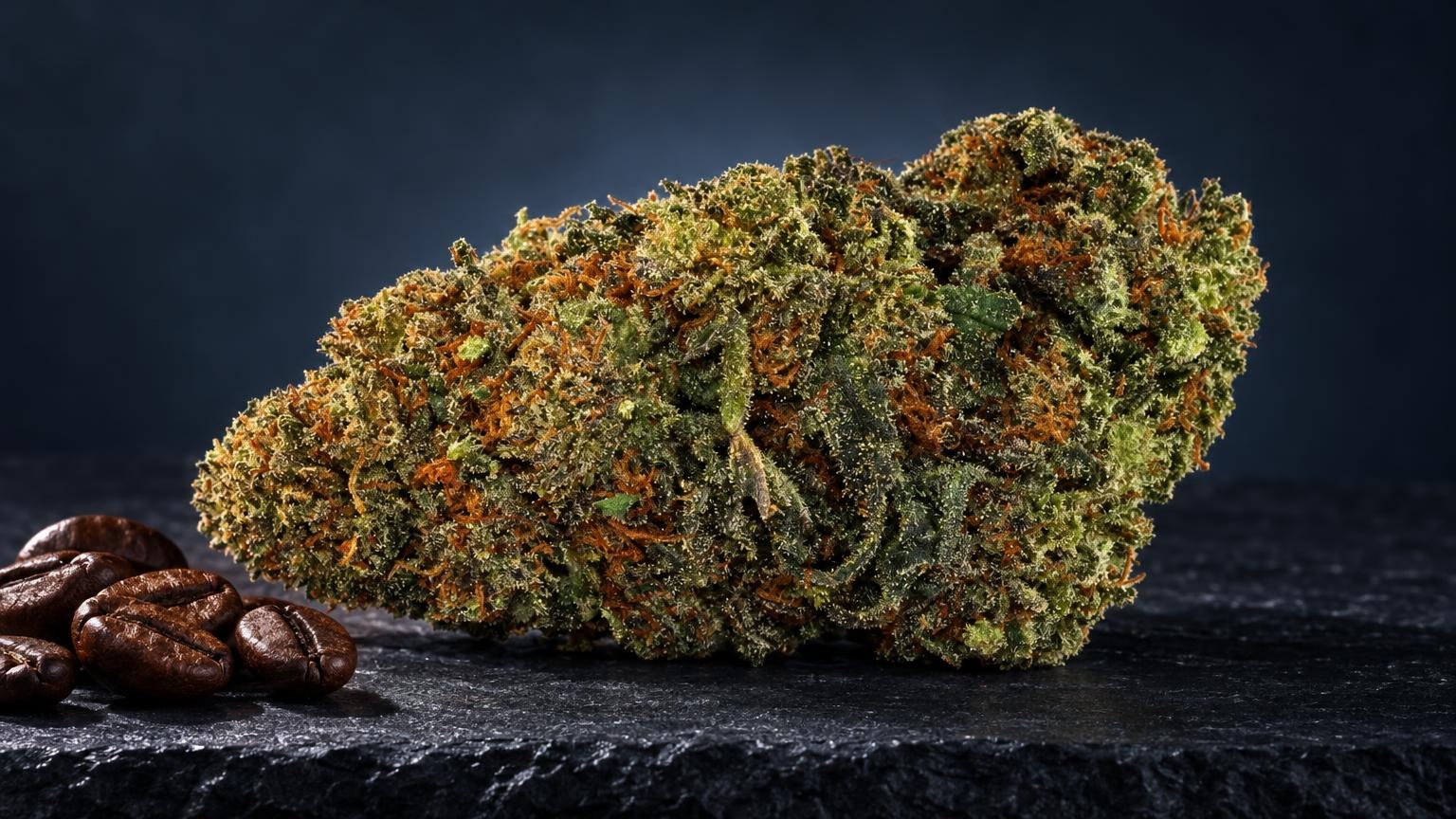
Indica vs sativa is a botanical distinction, not a reliable guide to effects. The two names describe the plant itself: leaflet width, height and habit, flower density, length of the flowering cycle, geographic origin. Botanists coined them in the 18th century, long before anyone could measure a single cannabinoid[1]. What actually changes how a flower behaves is what dominates its lab sheet, CBD, the THCX range (a trade name for a lab-tested range, not a molecule) or CBN, together with its terpene profile.
The split goes back to two herbarium descriptions, and that origin story matters. Cannabis sativa was described from European hemp; Cannabis indica came later, described from Indian material, on the argument that the plants differed enough in build to deserve separate treatment.
Neither description recorded an experience. Both recorded measurements: leaflet width, plant height and branching, how tightly the inflorescences packed, how many weeks the flowering cycle ran.
Broadly, the material grouped as indica was shorter, denser and wide-leafleted, out of South and Central Asia. The material grouped as sativa ran taller and narrower-leafleted, spread across the Eurasian basin. That morphological contrast still holds up beautifully on living plants in a field.
Which is exactly where your practical problem begins. Every one of those markers sits in the plant’s architecture, and architecture is the first thing you lose when a flower is trimmed, dried and bagged.
The essentials in 30 seconds
Indica vs sativa is an 18th-century botanical label: leaf shape, height, geographic origin. Read the certificate of analysis first, the tag last.
- Hybrid strains are the rule today, so a name is a lineage claim, not a composition.
Where the Indica / Sativa Split Actually Comes From
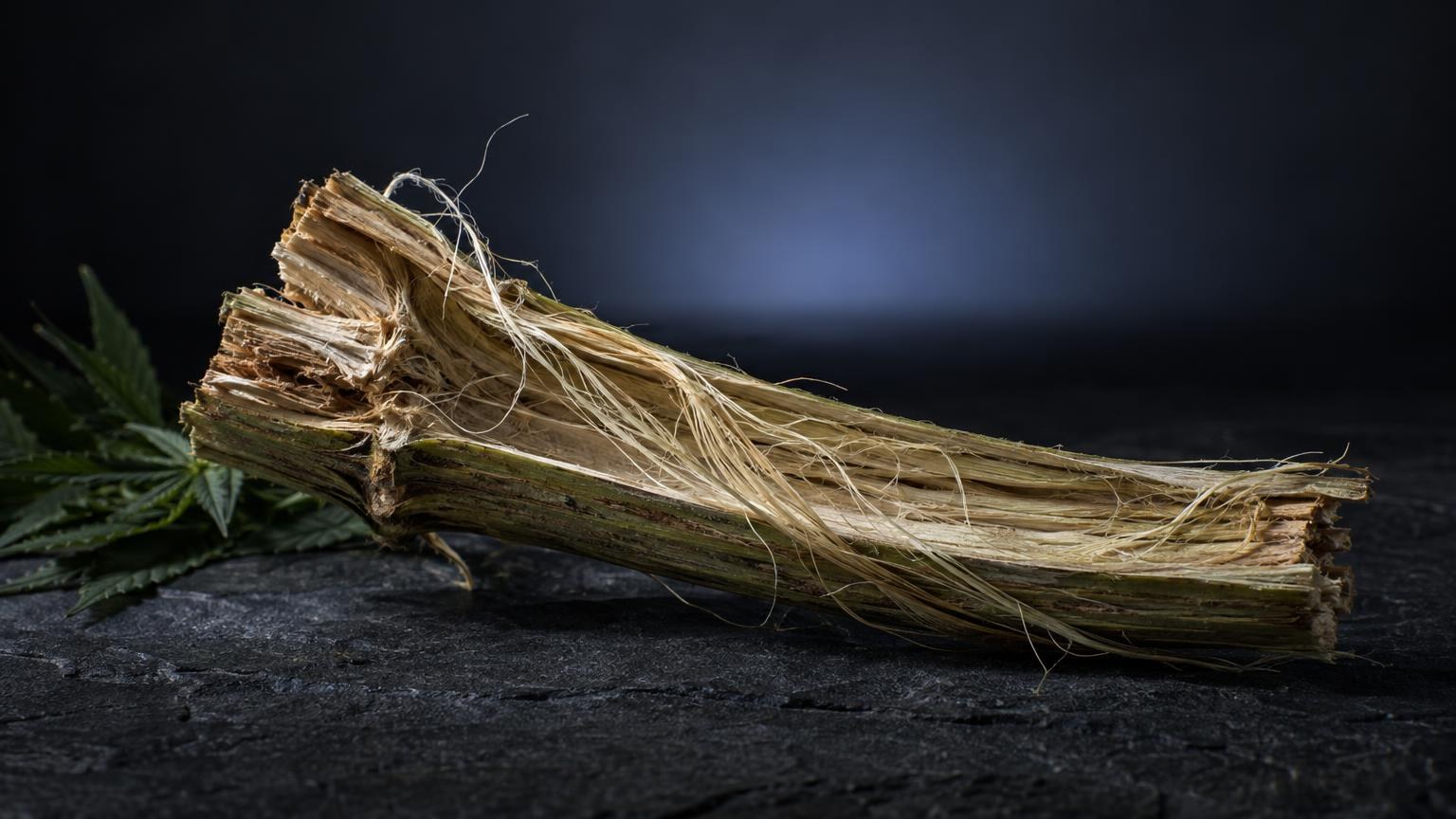
Lamarck was not comparing experiences. He was comparing plants: the shape of the leaflets, the woodiness of the stem, the way specimens from India grew next to the tall fibre hemp already familiar across Europe.
The indica material Lamarck described came from India; later collectors stretched the label to the short, resinous landraces of Afghanistan, Pakistan and Central Asia, while sativas covered the tall fibre hemp of Europe and Russia. Everyday talk about marijuana strains, indicas, sativas and hybrids still runs along that 18th-century line, which is the point Ethan Russo keeps returning to[1].
That gap between shape and chemistry is precisely why Piomelli and Russo, writing in Cannabis and Cannabinoid Research in 2016, questioned the scientific validity of the indica vs sativa dichotomy as a predictor of anything measurable.
What the Label Predicts, and What It Doesn't
So what does a label built from leaf shape and geographic provenance actually predict once the plant is dried, trimmed and sitting in a jar? Far less than the market assumes.
The genomic data is blunt about it. As Watts et al., Nature Plants, 2021, researchers at Dalhousie University and Wageningen University & Research sequenced 297 commercial samples: the “sativa” and “indica” tags explained very little of the genome-wide variation and tracked mainly a handful of terpene synthase genes, so the label points at an aroma family far more than at a distinct genetic lineage[2].
The cause is straightforward: four decades of intensive crossing, variety names nobody standardises, and no official cultivar registry anywhere in Europe. What circulates today is overwhelmingly hybrid material, a point Ethan Russo makes at length in the same 2016 interview[1]. That’s precisely why the trade invented the indica sativa hybrid shorthand in the first place.
Which makes the arithmetic on any listing awkward. A sativa hybrid and a sativa indica hybrid can share most of their genome, and two batches that different growers produce under the same indica sativa label can be chemically unrelated.
Self-reported experience doesn’t rescue the label either. In a 2021 cross-sectional survey published in Experimental and Clinical Psychopharmacology, Sholler et al. report that participants perceive more drowsiness and relaxation after an indica, and more alertness, energy and motivation after a sativa[4].
The authors are careful with that finding, and so am I. It documents subjective perception, not demonstrated biochemical causality. Expectation and the label itself are baked straight into the measurement.
Cannabinoid First: CBD, THCX and CBN
So ask any jar the only question that actually predicts something: which cannabinoid dominates it?
Set your reading order and stick to it: dominant cannabinoid first, terpene profile second, the indica vs sativa label last. The first tells you the intensity range you’re stepping into, the second shapes aroma and taste, and the third is lineage folklore.
In practice, European shelves carry three very different families, and all three can wear the same botanical adjective:
- CBD-dominant flowers: non-intoxicating. The WHO critical review found no grounds to place CBD under international control[3].
- THCX flowers: a trade name, not a molecule. Every batch is laboratory-tested for classified molecules and none are detected, with Delta-9 kept under 0.30%. Full definition here: what is THCX.
- CBN pre-rolls: a third, distinct cannabinoid profile, sold in a fixed, pre-dosed format.
Three intensity brackets, one shared label.
Once your bracket is set, cannabinoids and terpenes work together on the sensory side. The next place to look is the terpenes.
Terpenes: The Part of the Label That Is Real
Second line of the reading order: the nose, meaning the terpenes that sit alongside the cannabinoids on the analysis.
Terpenes are the volatile aromatic compounds cannabis shares with hops, pine resin and citrus peel. The light ones are monoterpenes (ten carbons, quick to evaporate, they hit you first when you crack the bag open). The heavier sesquiterpenes (fifteen carbons) sit in the background and last longer.
| Terpene | Class | Typical nose |
|---|---|---|
| Myrcene | Monoterpene | Earthy, hoppy, slightly musky |
| Limonene | Monoterpene | Bright citrus peel |
| Pinene | Monoterpene | Pine resin, fresh forest |
| Terpinolene | Monoterpene | Herbal, floral, faintly aniseed |
| Caryophyllene | Sesquiterpene | Black pepper, dry wood |
| Linalool | Sesquiterpene-adjacent, floral | Lavender, soft floral |
This is the one place where indica sativa labels occasionally tell the truth. Lineages bred together share family aromatics, so a flower sold as sativa often lands in the limonene, pinene, terpinolene register, while heavier myrcene and caryophyllene profiles cluster elsewhere.
Occasionally, though, is doing a lot of work in that sentence. Treat the aroma family as a tendency, never as a guarantee.
Russo (2011) proposed that cannabinoid terpene interactions might shape how a preparation behaves, and he returns to the idea in the 2016 interview[1]. It remains a research hypothesis, not a demonstrated mechanism, and no European lab sheet certifies it.
How to Read a Flower Listing in Three Questions
Two criteria in hand, one order to apply them in. Here is the grid I run on any listing, whether it says sativa, indica or nothing at all.
- Which cannabinoid dominates? Read the percentage and the molecule name on the product sheet or the COA. Those levels set the intensity range you can expect.
- What is the dominant nose? Citrus, earth, pepper, sweet cream. Those aromatic signatures come from the terpene fraction, and they shape the experience you will actually notice.
- Which format, and how much control do you want? Loose flower, calibrated pre-roll or pod.
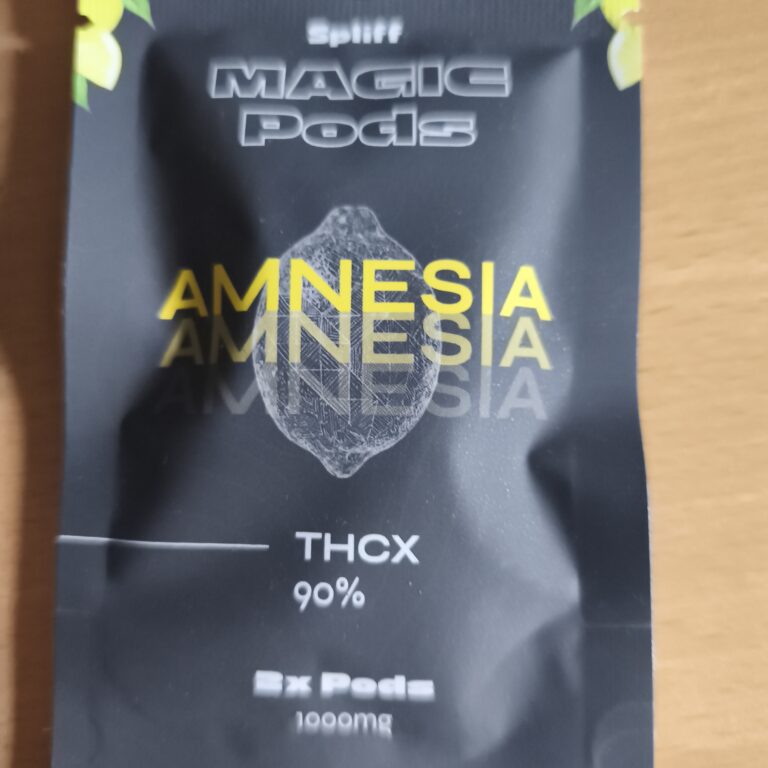
Run the grid on three real THCX listings and the logic clicks. Same dominant cannabinoid, three completely different jars: Amnesia 25 THCX, OG Kush THCX and Gelato Cali USA THCX.
| Listing | Dominant nose | Classic lineage tag |
|---|---|---|
| Amnesia 25 THCX | Bright citrus, haze, sharp on the grinder | Sativa-leaning |
| OG Kush THCX | Earthy, woody, fuel-adjacent | Indica dominant strains |
| Gelato Cali USA THCX | Sweet, milky, dessert-like | Hybrid |
Notice which column did the actual work: the nose, not the tag.
Want the lineage story behind each one? We wrote a page per genetic: Amnesia Haze, OG Kush and Gelato.
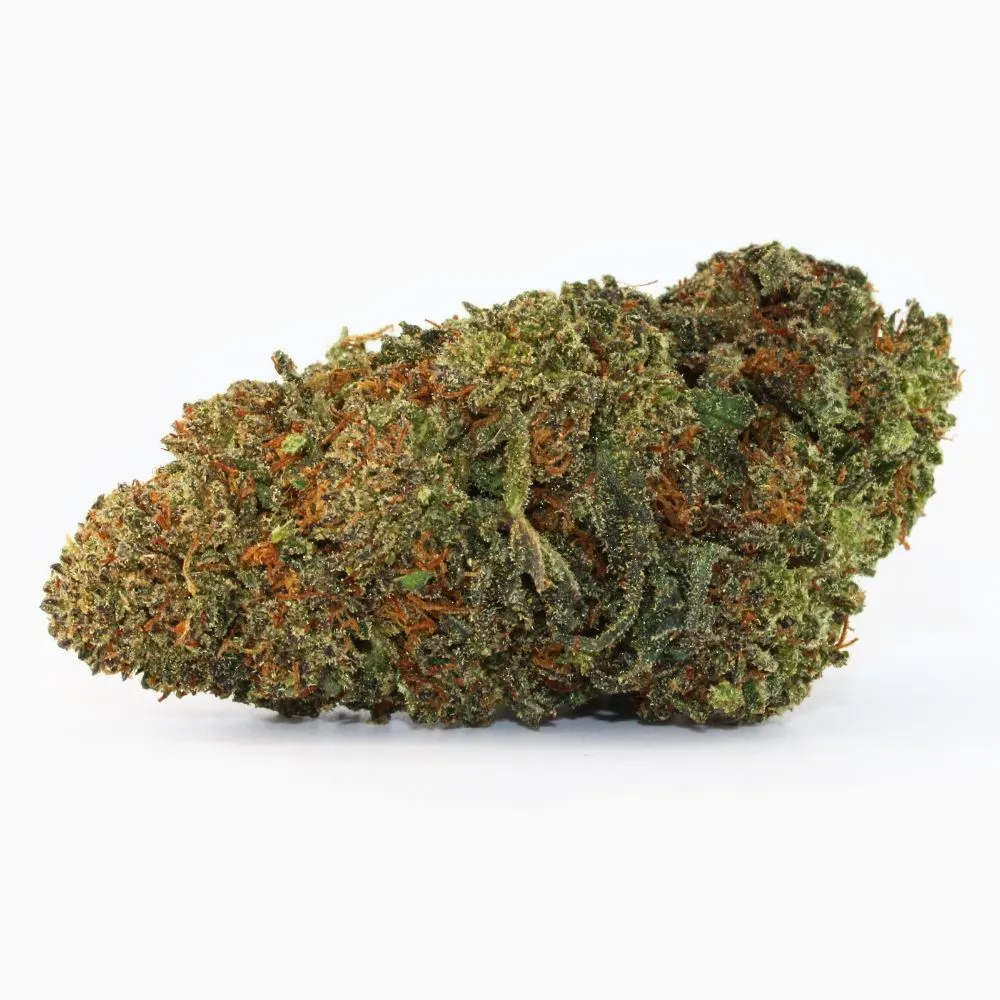
Question three decides more than most people expect. Loose flower from the THCX flowers range lets you set your own quantity; a pre-roll fixes it for you; a pod like Magic Pod changes the delivery route entirely. Concentrated formats shift the composition again, which is the whole point of hash versus weed.
What It Costs in Europe (September 2026)
Applying that grid costs something, so here is what each tier actually runs. These are the regular prices recorded on spliffstore.eu on 06/09/2026, a snapshot rather than a fixed rate card.
| Format | Regular price (06/09/2026) |
|---|---|
| THCX flowers, entry range (Amnesia, Purple Haze, Charlotte Angel, Super Lemon Haze) | €23.70 |
| THCX flowers, top range (Trim Premium, Minibud Cali USA) | €38.00 |
| Pre-rolled CBD joint | €4.90 |
| Pre-rolled THCX joint | €6.90 |
| Box of 3 CBD pre-rolls | €13.90 |
Read the spread the way you would read a lab sheet: look at what the variable actually measures. The €14.30 gap between the two flower tiers tracks format and selection (trim, minibuds, Cali USA grading), not whether the jar is filed under indica or sativa.
Price encodes grading and presentation, never chemistry.
What Our Customers Actually Buy
Prices tell you what a choice costs. Order data tells you what people actually pick, so I pulled ours.
Base: 9,964 Spliff orders, top market Germany, recorded September 2026. These are internal figures from our own checkout, not a survey of the European market. Read them as our customers’ behaviour and nothing wider.
- Flowers: 35.4 % of orders
- Hash and resins: 26.6 %
- Pre-rolls: 8.1 %
- Median basket: 96 € (Euro), shipped in 0.9 day on average
What strikes me in that split is the hierarchy. Format decides far more than the strain name does: whether you want loose flower to grind, a resin, or something ready to use moves a third of the catalogue.
One honest limit: purchase data describes what people buy, nothing more.
The Takeaway: Read the Lab Sheet, Not the Name
The grid above is the whole method, and it fits on a rolling paper.
One thing I have deliberately not claimed here: guaranteed effects. Cannabinoid and terpene concentrations shift from lot to lot, and no article can promise you how a given flower will land.
Conclusion
Twelve years of reading certificates of analysis have left me with one reflex, and it is the three-question grid above.
Browse the THCX flower collection with the certificate of analysis open next to it.
Frequently asked questions
Is it better to get indica or sativa?
Neither, on the label alone. Pick by dominant cannabinoid and nose, as in the three-question grid above.
Is indica an upper or downer?
The name does not say. Read the dominant cannabinoid on the certificate of analysis instead.
Is sativa or indica higher?
Neither term measures potency. Only the cannabinoid percentage on the lab sheet does.
Is indica or sativa more "happy"?
That kind of mood claim comes from folklore attached to the name, not from the botanical record. No lab sheet certifies a mood.
Is indica vs sativa real?
Yes, as an 18th-century botanical distinction (see the first section). It just does not predict effects.
What is sativa vs indica?
Sativa was described from European hemp, indica from Indian material, on plant build alone. Details in the first section.
Does indica vs sativa really matter?
Not much for a buyer. The name usually comes from breeder paperwork; the certificate of analysis carries the facts.
Sources
- The Cannabis sativa Versus Cannabis indica Debate: An Interview with Ethan Russo, MD — Piomelli and Russo, Cannabis and Cannabinoid Research, 2016 — pmc.ncbi.nlm.nih.gov
- Cannabis labelling is associated with genetic variation in terpene synthase genes — Watts et al., Nature Plants, 2021 — pmc.ncbi.nlm.nih.gov
- Cannabidiol (CBD) critical review report — WHO Expert Committee on Drug Dependence — www.who.int
- Use patterns, beliefs, experiences, and behavioral economic demand of indica and sativa cannabis — Sholler et al., 2022 — pmc.ncbi.nlm.nih.gov
- Cannabis — World Health Organization — www.who.int