 Written by Sophie Clarke
 Contents10 sections
- Three very different liquids hide behind the words "THC vape"
- How strong is the liquid? Read the percentage, then check the unit
- The carrier: what actually dilutes the oil, and why the label should say so
- How to read a vape label in five lines
- What we put in ours: the Spliff range under the same five lines (September 2026)
- Your five-line checklist, and where to go next
- What exactly is THC e-liquid, and how is it different from a vape cartridge?
- Where should you actually buy THC e-liquid, and what should you check first?
- Conclusion
- Frequently asked questions
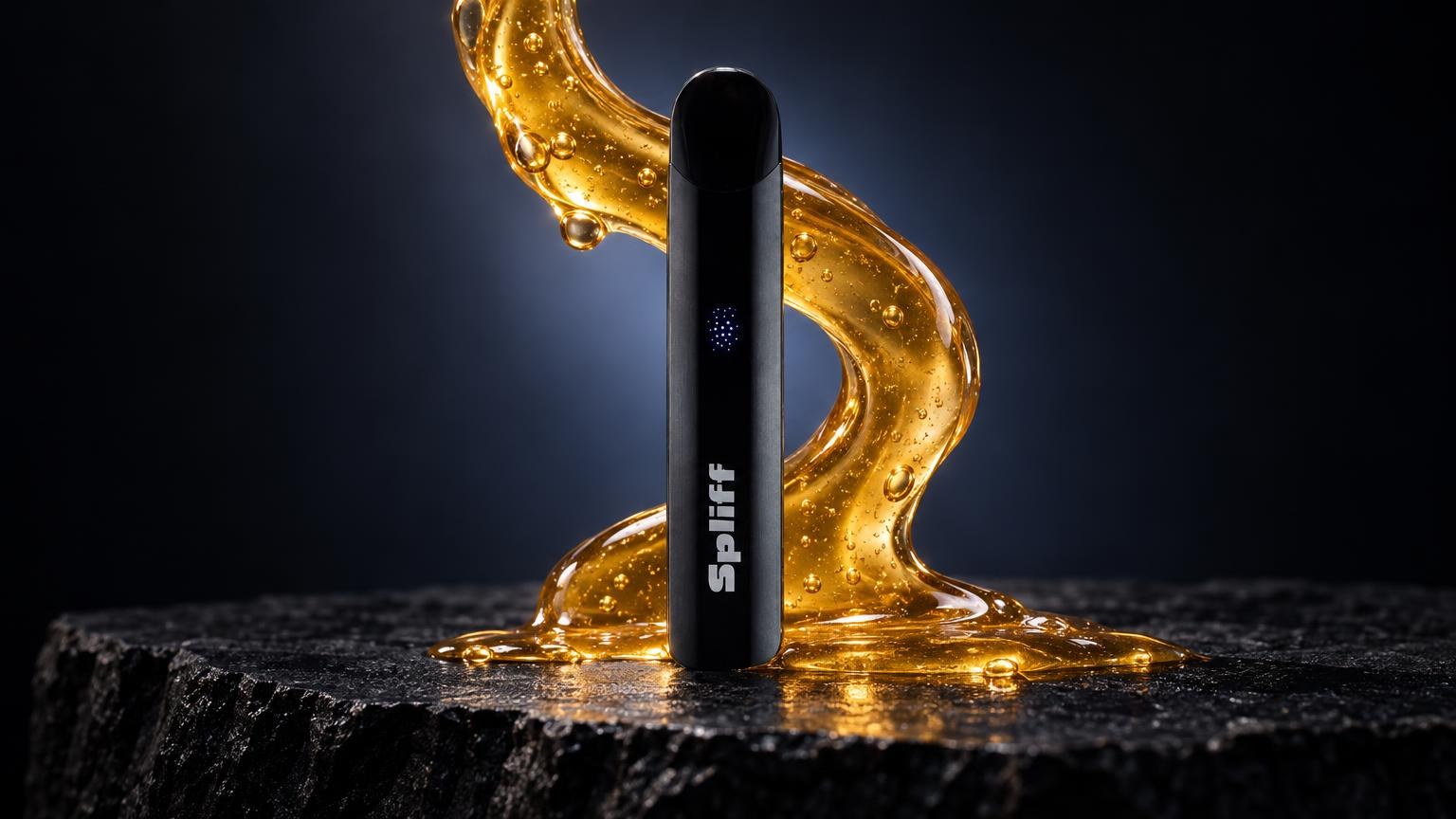
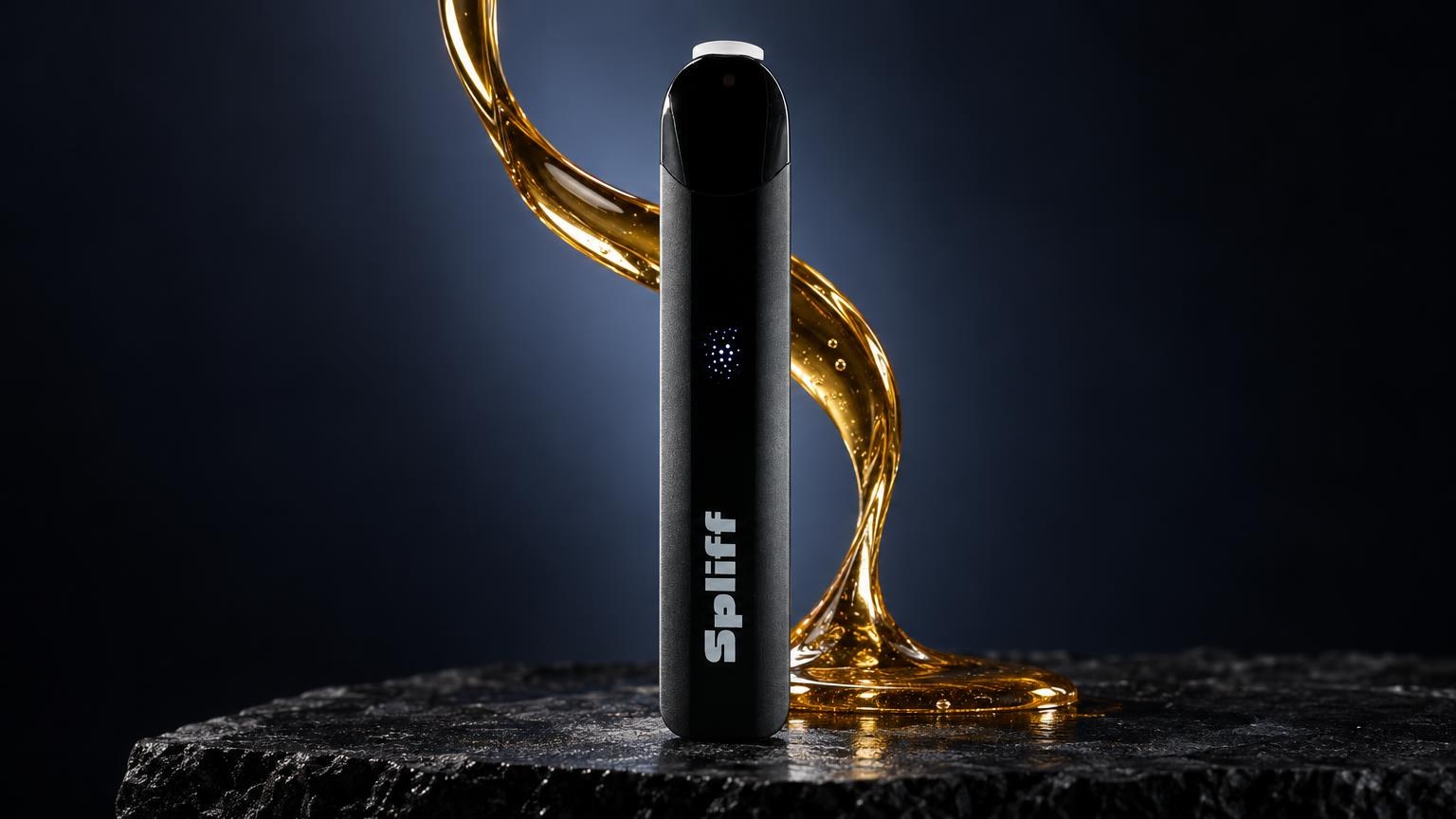
Here’s the thing: a “THC vape” isn’t one product. Behind hardware that all looks identical sits one of three very different liquids. Either a distillate (a refined extract where one cannabinoid dominates, with terpenes added back or not), a live rosin or live resin (whole-flower extract that keeps the flower’s own terpenes), or a true e-liquid (a propylene glycol / vegetable glycerin base carrying a few percent of cannabinoid).
Distillate starts with extracting the plant, then distilling that extract until one cannabinoid takes up almost the whole liquid. On its own it barely smells of anything, which is why terpenes get added back afterwards. Those added terpenes are either botanical or cannabis-derived, and on a label those two words mean very different things.
Live resin and live rosin both begin with flower frozen right after harvest. Resin is pulled with a solvent, rosin with pressure and heat only. Both end up less pure than a distillate, and both keep the flower’s native terpene profile instead of a reconstructed one.
The third one is the actual e-liquid you’d recognise from any vape shop: a PG/VG base with an isolate dissolved into it at a few percent. That’s exactly what people mean when they say “thc vape juice”, “thc liquid” or “thc vape oil”. By design, it’s the weakest of the three.
And no, I’m not inventing categories to sound clever. A 2021 review of cannabis vaping chemistry documents all three forms circulating side by side, along with newer ingredients that appear from one season to the next[1].
The essentials in 30 seconds
“THC vape” names the hardware, not the liquid. Inside identical pens sits one of three materials: a distillate, a live rosin or live resin, or a PG/VG e-liquid, and only the label tells you which one you are holding.
- A percentage is a concentration, not a dose: read it next to the mg per pod, and look for a carrier line.
- Five lines settle any product page: cannabinoid and unit, terpene origin, diluent, batch report, label-versus-lab match.
Three very different liquids hide behind the words "THC vape"
Same pen, same little glass tank, three completely different things sitting inside it. That is the whole problem with the phrase “thc in vapes”: it describes hardware, not material. So let’s name the material.
Distillate is the neutral one. Distillation strips out almost everything that is not the target cannabinoid, so the aroma has to be rebuilt afterwards, and that is where labels split into two camps: botanical terpenes (from other plants) or cannabis-derived terpenes. Both are legitimate. They are not the same claim, and only one of them tastes like the plant it came from.
Live resin and live rosin start from the same gesture, freezing the flower instead of drying it, then part ways on method. Resin goes through a solvent, rosin goes through a press. Neither one reaches distillate purity, and honestly that is the point: what you give up in cannabinoid percentage, you keep in native terpene profile, which is why these taste loud, fruity, funky, specific to the strain.
Then there is the third format from above: thin, sweetish, e-cig-style, and, despite the search volume around the term, rarer on shelves than the extract-based options.
In practice, the categories blur. Walk any shelf and you will find all three forms sitting side by side, sometimes inside the same brand’s line-up. Which is exactly why the words on the box matter more than the format.
And the hardware adds its own variable. A 2025 analysis published in Scientific Reports detected metal particles (aluminium, cobalt, chromium, copper, nickel, tin, zinc) in legal-market cannabis vape liquids, with significant variation between products and between batches of the same product[8]. Same label, different result from one batch to the next.
| Form | What it is | Taste | Strength |
|---|---|---|---|
| Distillate | Distilled to one dominant cannabinoid | Added terpenes, or nothing | Highest |
| Live resin / rosin | Frozen flower, solvent or press | The flower itself | Below distillate |
| E-liquid | PG/VG base plus isolate | Flavouring, thin, sweet | Lowest |
These three options also explain the price range you see on a shelf. Pressing frozen flower costs more per millilitre than dissolving isolate into a base. Same category, different material.
How strong is the liquid? Read the percentage, then check the unit
Strength on a vape label is a concentration, not a dose. Always check the unit: a percentage of the oil and a milligram figure per pod tell you two different things.
Here is the thing nobody explains to you at the counter. Concentrates and flower are not playing in the same league, and the label almost never makes that obvious.
A bud is declared as a percentage of dried plant material. A distillate is declared as a percentage of an oil that has had nearly everything else stripped out. Same little symbol on the front, completely different starting point. Potency monitoring on both sides of the Atlantic shows that gap widening: between 2008 and 2017, average THC in flower went from about 9 % to 17 %, while concentrates climbed from under 7 % to nearly 56 %[3].
This is exactly where comparing products by percentage alone falls apart. A 90 % figure tells you how concentrated the oil is. The mg figure tells you how much of it you actually bought.
Two thc vape cartridges can share the same percentage and still differ by a factor of two in total content. Same number on the front, twice the material inside.
So read the label in that order: percentage first, then tank volume or mg per pod, then multiply. Plenty of product pages for vape pens list one and quietly skip the other, and some show a THCA vape figure or a “total cannabinoids” number that is not the same line item at all.
What I am deliberately not doing here is telling you how much to inhale. Puff-by-puff dosing and the classic “how many puffs” question live in the pillar guide on vaping. Understanding thc in vapes starts with the arithmetic on the box.
The carrier: what actually dilutes the oil, and why the label should say so
Which brings us to the third thing in that tank, the one almost no label prints in big letters: whatever the oil has been diluted with. Some liquids carry nothing at all. Others are cut with propylene glycol, vegetable glycerin, PEG 400 or MCT oil.
That choice matters, because carriers don’t behave the same way once the coil gets hot. When four common thinning agents were vaporised at 230 °C, PEG 400 and propylene glycol released the most formaldehyde and acetaldehyde, while MCT oil and vegetable glycerin released far less[4]. Read that as a chemistry measurement, not a moral verdict on thc in vapes: the carrier is part of what you inhale, so it deserves its own line on the label.
The second reason to care is what happens when nobody is checking. Cartridges pulled off the illicit market tell the same story again and again. In one analysis of 38 such cartridges, most contained a diluent, cannabinoid content was low, and vitamin E acetate turned up in 64 % of them; three commercial “thickeners” bought for the study were more than 95 % vitamin E acetate[6].
- the percentage on the box and the percentage in the tank are two different things;
- diluents are in there whether or not the label admits it;
- off-the-shelf “thickeners” were sold to fillers as a way to make cheap oil look premium.
That last one is the point I keep circling back to. Thickening an oil makes it look denser and stronger in the tank, which is exactly the trick a suspiciously low price can hide. That same additive is the one a 2020 investigation found in the lung-wash fluid of 48 of 51 patients with vaping-associated lung injury, and in none of 99 healthy comparison samples[5]. The problem sat in the liquid, not in the hardware.
So here’s your practical takeaway for reading any tank: either the extract is undiluted, or the diluent is named in plain words. That one line tells you more than any percentage on the front. Silence on it is information too, and it’s the cheapest check you’ll ever run.
How to read a vape label in five lines
Three sections, three questions. Line them up and you have a checklist you can run on any product page in under a minute, whatever the hardware looks like.
- Line 1: the dominant cannabinoid and its number. One name, one figure, one unit clearly stated, the arithmetic covered above still applies here.
- Line 2: where the aroma comes from. Named or missing on the label, that’s the aroma’s actual origin.
- Line 3: named or missing, the tank’s third ingredient discussed above.
- Line 4: a batch report you can actually open. A batch number, cannabinoids, and residual solvents plus pesticides.
- Line 5: label versus lab. Does the number on the page match the number in the report?
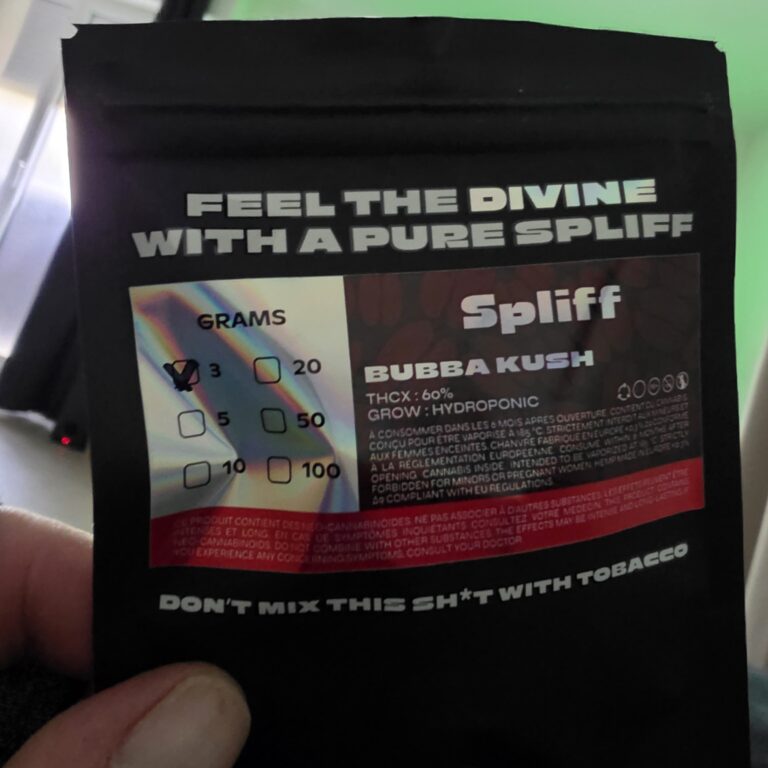
Line 4 is where most thc vape pens quietly fail. A cannabinoid panel on its own tells you nothing about what came along with the extraction. So check that the report has more than one table: solvents and pesticides deserve their own columns. When 57 concentrates were put through that kind of panel, cannabinoid content ranged from about 24 % to 76 %, and more than 80 % of the samples carried residual solvents or pesticides[2].
Line 5 matters because a declared figure and a measured figure are not the same claim. A “lab-tested” badge with no readable document attached is decoration, not evidence. If you cannot open the file and find your batch number in it, treat the percentage on the page as marketing copy. It is not a theoretical worry: in a 2024 analysis of 20 commercial delta-8 products, the match between label and measured content was weak[7].
I keep this grid deliberately molecule-agnostic. It reads thc vape products exactly the way it reads a CBD vape pen, because the questions are about material and documentation, not about which cannabinoid sits at the top of the panel. That is also why it works on vape products bought online, where you cannot smell or open anything.
And honestly? It is worth the sixty seconds. Most of the search traffic around thc in vapes lands on shop pages that never describe the liquid at all, and a page that skips line 3 is already telling you something.
What we put in ours: the Spliff range under the same five lines (September 2026)
Fair play means running the same checklist on our own product pages. So here it is, line by line, with the regular prices we recorded on spliffstore.eu on 07/09/2026 (never a promo figure).
The frame first, and only once: our vapes are built on THCX, which is the name of our range rather than a molecule, and the definition sits in its own page, THCX explained. No molecule described here, no effect promised.
| Reference | Material | Declared on the page | Regular price (07/09/2026) |
|---|---|---|---|
| Magic Vape Live Rosin (pen + pod) | Live rosin extract, terpenes of the original flower | 99 % THCX, 600 puffs, USB-C | 59,90 € |
| Magic Pod Live Rosin ×2 (refills) | Live rosin extract, no base | 99 % THCX, 1 000 mg per pod, Magic Vape only | 89,90 € |
| Magic Vape THCX (pen + pod) | Flavour-led pod, ten strain-named profiles | 90 % THCX, 1 000 mg, 600 puffs | 49,90 € |
The live rosin pen is the one I reach for when I want the flower’s own aroma rather than a rebuilt one; its refills click in magnetically and auto-draw, the trade-off being that they fit nothing else. The flavour-led pen is the entry ticket if you would rather pick by taste, with Amnesia, OG Kush, Gelato and Jack Herer among the profiles.
Running our own grid against these three references:
- Line 1: stated on each page, alongside pod capacity in mg.
- Line 2: for the live rosin references, from the original flower, not a botanical blend.
- Line 3: none in the live rosin pods, the extract is the liquid.
- Line 4: per batch, not a single certificate reused across a season.
- Line 5: checked in the lab for classified molecules, and none are detected.
Everything ships across Europe from a single warehouse, and the full THCX vape collection lists the same fields for every reference. Run your own five lines before anything goes in your basket. That is exactly what those pages are there for.
Your five-line checklist, and where to go next
Keep the short version in your pocket. One material, five lines, about a minute of reading.
The material comes first, before the five lines: distillate, live rosin or live resin, or a PG/VG e-liquid. Name the thc vape liquid before anything else, then run the checklist above.
Run it on any thc vape pen, any disposable vape pen, any refill of vape oil, and something clicks. The phrase “thc in vapes” stops being marketing fog and becomes a spec sheet you can read out loud. Same checklist whether the shop calls it a weed vape, a pod or a cartridge.
Want to see the grid applied to a page that was built to be checked? The flavour-led Magic Vape THCX puts its numbers, its terpene source and its batch testing in plain sight, and the rest of the line-up sits in the THCX vape collection.
Everything about use, session pacing and puff-by-puff dosing lives in the THC vape pillar guide.
One last frame, because the grid above is about material, not use: these are products for experienced adults, they are not medicines, and nothing here replaces advice from a healthcare professional.
What exactly is THC e-liquid, and how is it different from a vape cartridge?
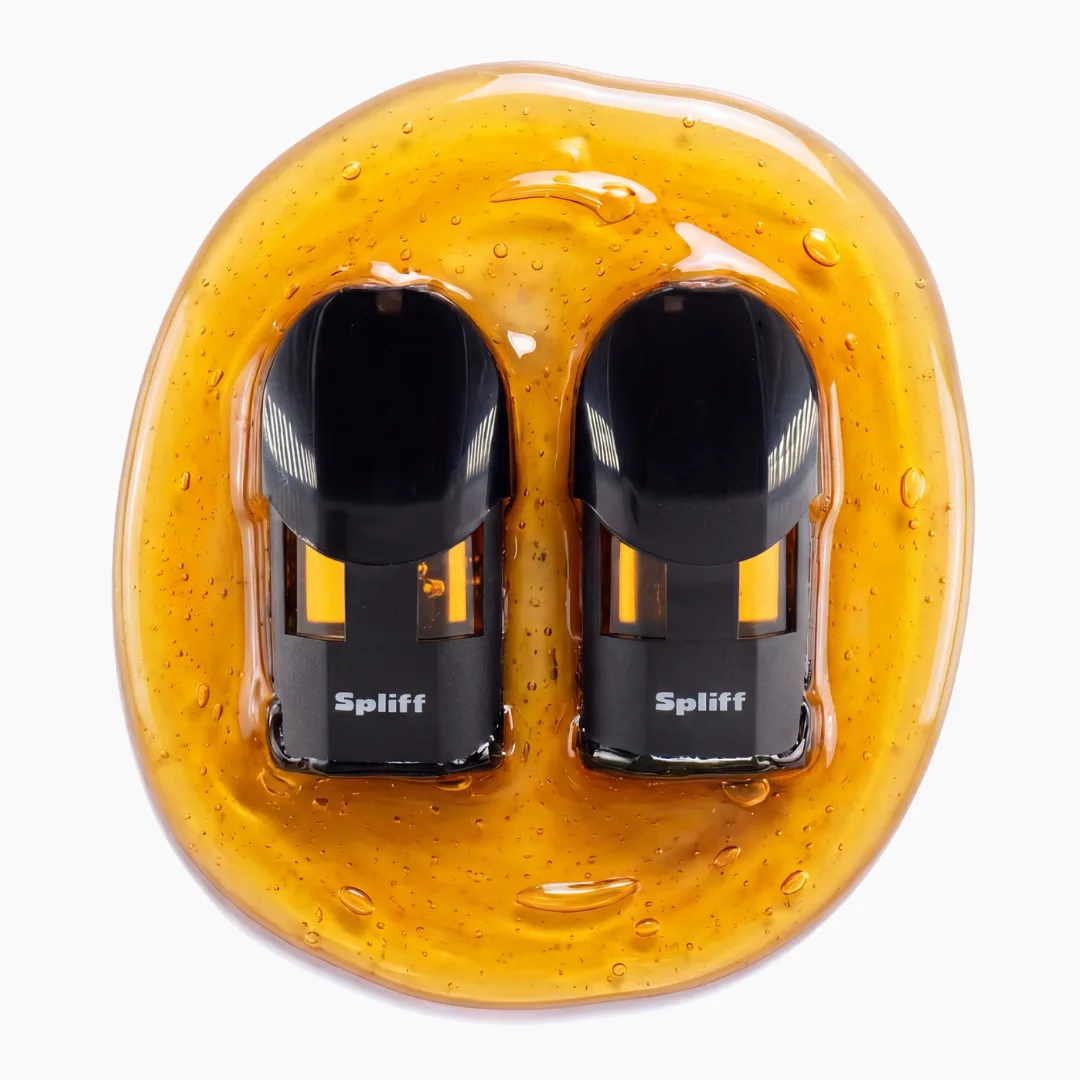
THC e-liquid is a PG/VG base carrying a dissolved cannabinoid isolate at a few percent, the same style of liquid used in nicotine vaping. It is the thinnest and weakest of the three liquids hiding behind the phrase “THC vape”, distinct from distillate oils or live rosin extracts sold in cannabis vape pens.
If you have ever scrolled a quick view cali listing hoping to spot the word “e-liquid” on the label, you already know the confusion: shops rarely separate this format from thicker extract oils. A true e-liquid lists its PG/VG base before any cannabinoid, which is the opposite order from a distillate or rosin label.
Shoppers browsing a price range quick filter on a vape category page often land on cannabinoid oils by mistake, since the catalog mixes them with genuine e-liquids. A page with a clearly rated price range and real customer reviews helps separate the two, but the label itself is the only proof. If you want strength and a plant-true taste rather than a thin PG/VG carrier, extract-based cannabis vape pens are the format to look for instead.
Where should you actually buy THC e-liquid, and what should you check first?
Before buying, check the label for three things: which cannabinoid and at what unit, whether terpenes are botanical or cannabis-derived, and what the carrier base is. A shop offering a batch report on request, not just a marketing claim, is the one worth trusting with your order.
Shopping with a range quick view open on several tabs is the fastest way to compare labels side by side, but it only works if you actually read past the thumbnail. A quick view thc popup rarely shows the full ingredient list, so click through to the product page before deciding.
Search traffic for vape oil thc and oil thc vape usually lands on the same confusion described above: shoppers typing either phrase are often picturing a thick extract oil, not a thin PG/VG e-liquid. Decide which one you actually want first. If strength and strain character matter more to you than a familiar vape-shop feel, extract-based oils beat e-liquid here. The lab analysis of each batch is available on request from customer service, which is the only honest way to confirm what you are buying before you click add to cart.
Conclusion
One last thing about quality, because that word gets printed on nearly every vape page and almost never defined. Quality isn’t the pen. Hardware just heats whatever someone else decided to put in the tank.
So when you type “thc in vapes” into a search bar, you’re really asking a materials question. The answer sits on the label, not in the device.
And if vaping is simply your format of choice, no judgement here: browse the full range on the THCX vapes collection, where each page states what’s inside.
Everything about actual use, pacing included, lives in the THC vape guide. Label first, session second. That order has never let me down.
Frequently asked questions
What does THC do in vapes?
In a THC vape, the cannabinoid is the active ingredient and everything else in the tank is there to serve it. Terpenes carry the aroma, and the carrier keeps the liquid fluid enough to wick and vaporise. What a session actually feels like is covered in our vape pillar guide, not here.
How strong is THC in a vape?
Read it as a label figure, not a dose. A vape liquid states a percentage of the liquid and, ideally, a milligram figure per pod; the two answer different questions, and the unit changes everything. The section on reading the percentage above walks through the arithmetic.
Will a THC vape get you high?
A vape loaded with a psychoactive cannabinoid has marked effects and is a product for experienced adults, which is why we never describe the sensation. Our own vapes contain no THC: THCX is the name of the Spliff range, and its definition lives on the THCX explained page rather than in this article.
Is THC vape juice the same as THC liquid?
In everyday use, both expressions point to the same thing: an e-liquid built on a propylene glycol and vegetable glycerin base with a cannabinoid dissolved in it. Neither term describes a distillate or a live rosin, which are extracts with no base at all, and that difference is the whole point of the label.
Sources
- Meehan-Atrash J, Rahman I. Cannabis Vaping: Existing and Emerging Modalities, Chemistry, and Pulmonary Toxicology. Chem Res Toxicol, 2021 (PMID 34622654) — pmc.ncbi.nlm.nih.gov
- Raber JC, Elzinga S, Kaplan C. Understanding dabs: contamination concerns of cannabis concentrates and cannabinoid transfer during the act of dabbing. J Toxicol Sci, 2015 (PMID 26558460) — pubmed.ncbi.nlm.nih.gov
- Chandra S et al. New trends in cannabis potency in USA and Europe during the last decade (2008-2017). Eur Arch Psychiatry Clin Neurosci, 2019 (PMID 30671616) — pubmed.ncbi.nlm.nih.gov
- Troutt WD, DiDonato MD. Carbonyl Compounds Produced by Vaporizing Cannabis Oil Thinning Agents. J Altern Complement Med, 2017 (PMID 28355118) — pubmed.ncbi.nlm.nih.gov
- Blount BC et al. Vitamin E Acetate in Bronchoalveolar-Lavage Fluid Associated with EVALI. N Engl J Med, 2020 (PMID 31860793) — pmc.ncbi.nlm.nih.gov
- Duffy BC et al. Analysis of Cannabinoid-Containing Fluids in Illicit Vaping Cartridges Recovered from Pulmonary Injury Patients. Toxics, 2020 (PMID 31991538) — pmc.ncbi.nlm.nih.gov
- Johnson-Arbor K et al. Commercial Delta-8 THC Products: an Analysis of Content and Labeling. J Med Toxicol, 2024 (PMID 37917314) — pmc.ncbi.nlm.nih.gov
- Tracking metal presence in cannabis vaping products from source to inhalation. Scientific Reports, 2025 — www.nature.com