 Written by Sarah Mitchell
 THC Edibles at Spliff · from €17.90 · ★ 4.9/5 (1,341 reviews)
72 h delivery in Europe · Free delivery from €99
Contents9 sections
- What Zkittlez Actually Smells and Tastes Like
- The Terpenes Behind the Candy Nose
- Genetics, Lineage and Why "Indica" Tells You Little
- Why a Strain Name Is Not a Registered Variety
- The Same Genetics in Three Forms in Europe
- How to Choose Your Version of Zkittlez
- Is Strawberry Zkittlez the Same Strain as Zkittlez?
- Conclusion
- Frequently asked questions
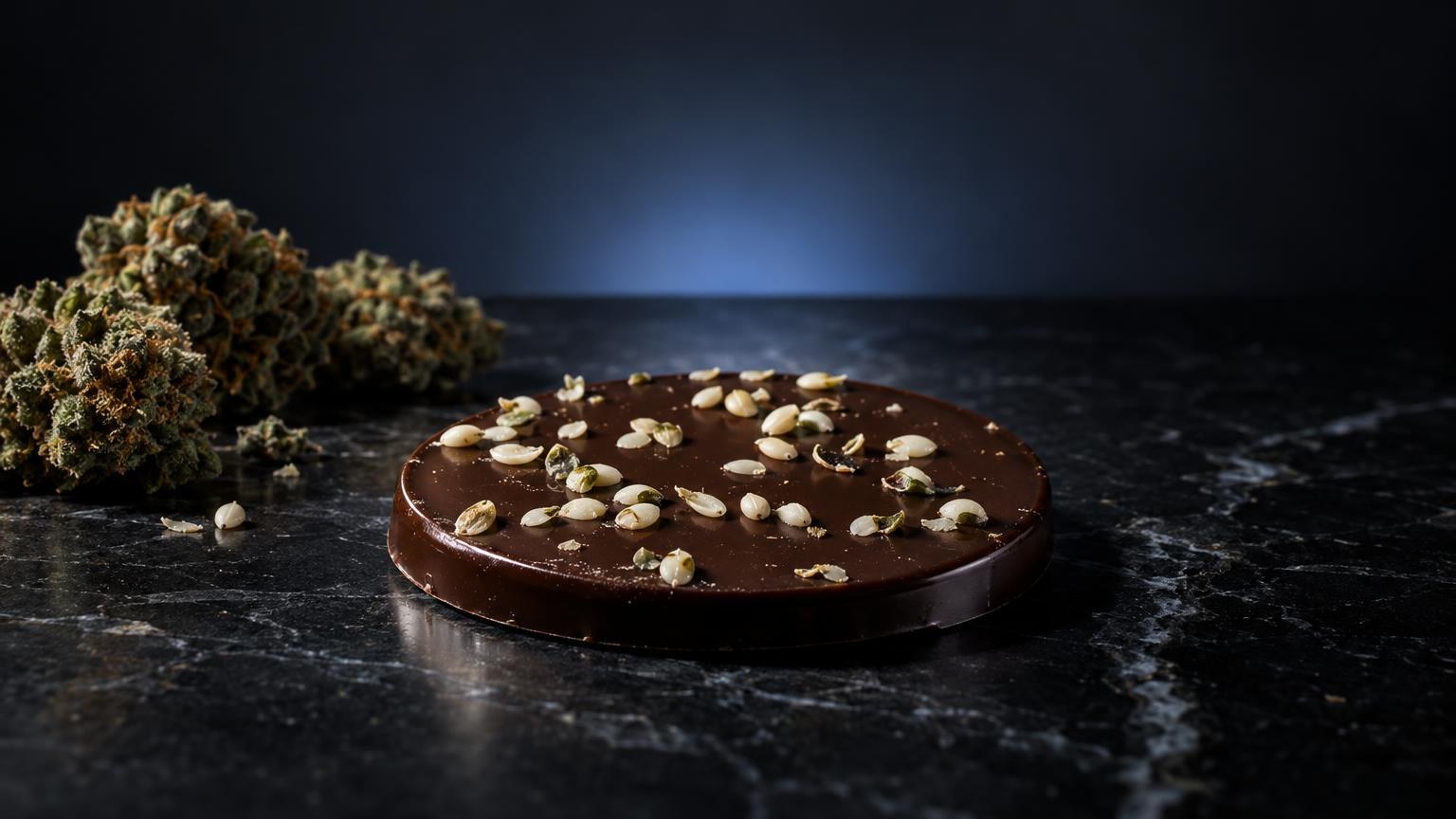
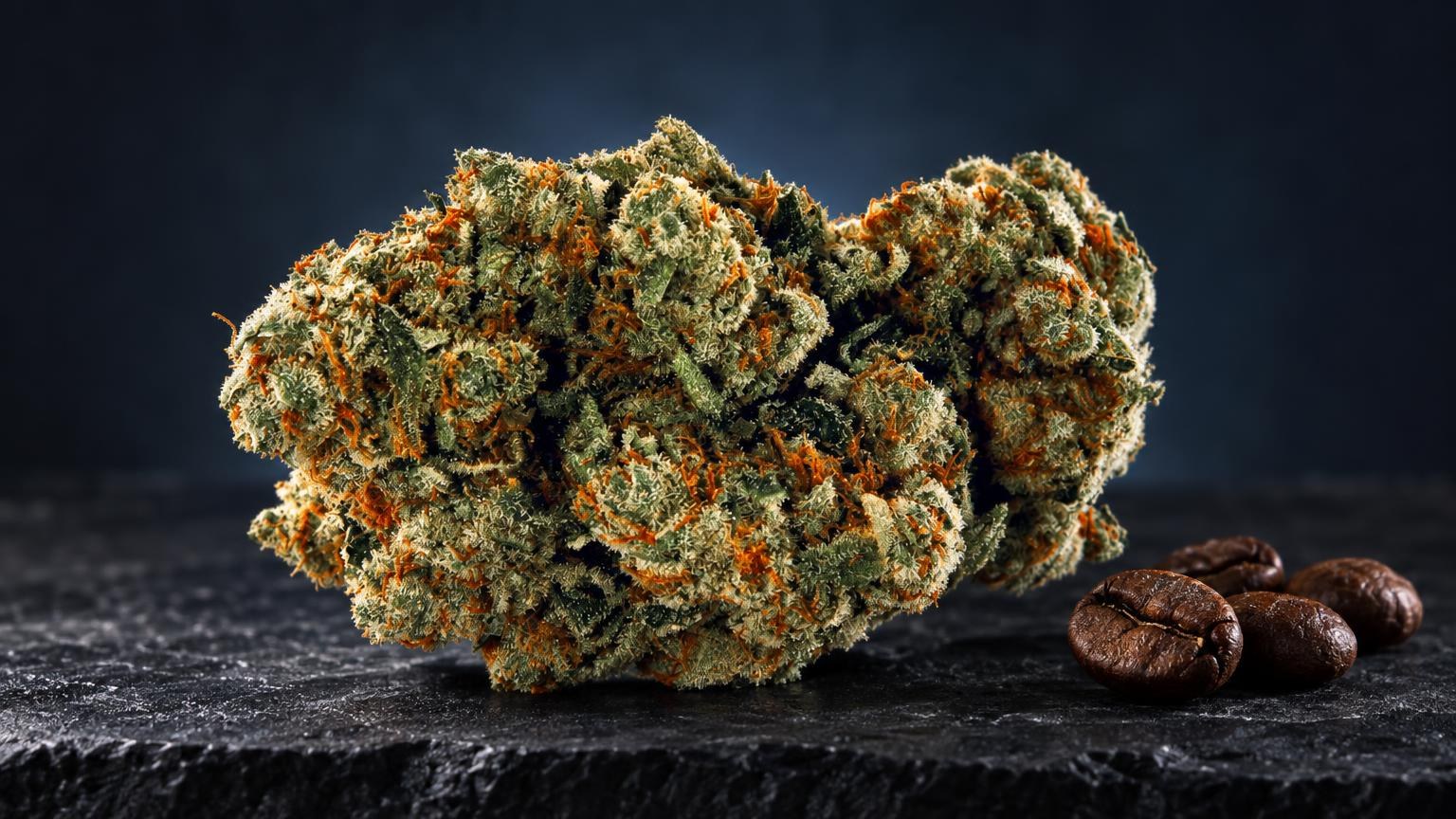
Zkittlez strain is an indica dominant hybrid cultivar prized above all for one thing: its aroma. Open a jar and the nose arrives before anything else, a burst of sweet fruity candy over tropical fruit, with a low earthy undertone anchoring the whole profile. That aromatic signature is why the name stuck, and why growers kept selecting for it generation after generation.
Break a bud between your fingers and the sweetness sharpens into something almost sour, closer to a fruit chew than to fresh fruit. The flavour tracks the aroma faithfully on the exhale: sweet first, earthy last. People compare the profile to a skittles strain for obvious reasons, and on the sensory level that comparison holds up.
Now the question everyone actually types into a search bar: is it strong? Honest answer, the label cannot tell you. What the label can tell you is the aroma flavour pairing: sweet tropical fruit on the nose, and a flavour that follows it.
So is Zkittlez a good strain? Reframe the question in verifiable terms and the answer is yes: its reputation rests on how consistently the terpene profile expresses across cuts. That is a selection criterion, not a promise about how you will feel.
I’m Sarah Mitchell, and my job here is translating cannabinoid chemistry into language you can actually use. Here I stay on my own ground: composition, terpenes, extraction and processing, what changes between formats and what does not. Effects, expectations and anything resembling medical territory sit outside the scope of this article, deliberately.
The essentials in 30 seconds
Zkittlez strain is an indica-dominant hybrid known primarily for its sweet fruity candy aroma with tropical and earthy notes. Its signature scent results from a terpene blend, while its parentage rests on unverified breeder claims.
The candy nose comes from a terpene combination rather than a single compound, the name is commercial signage that outruns any fixed genetic definition, and the sensible way to pick a version is by cannabinoid goal, confirmed on the batch analysis rather than on the label.
What Zkittlez Actually Smells and Tastes Like
Grind it and the profile reorganises itself. The lighter, more volatile top notes escape first, so the candy hits before anything else, and a tropical layer settles in behind it: mango skin, a little lychee, something close to grape soda depending on the phenotype you got.
Reading the aroma in layers helps explain why it lands the way it does, roughly the order your nose registers it:
- Top: bright, slightly sour, the sherbet edge that gave the cultivar its name.
- Middle: softer, closer to ripe stone fruit than to citrus peel.
- Base: faintly musky, keeps the sweetness from turning synthetic.
On the flavour side, the sweet candy like flavour survives combustion better than most fruit-forward cultivars, which is exactly why growers kept selecting for it. The exhale tends to leave a peppery, slightly herbal tail. That contrast between a sugary front and a spicier finish is the signature.
You will also see it written as skittles strain in searches. Same indica dominant hybrid, different spelling. The spelling changes nothing; what is in the jar still depends on the batch, as the next sections explain. Note that flavour follows aroma here more faithfully than in most fruity strains: berry, citrus and floral touches show up on the palate in the same order they showed up in the jar: berry citrus first, floral last, with a grape note in some cuts and a grapefruit note in others.
The Terpenes Behind the Candy Nose
So where does the candy actually come from? Not from one molecule. That sweetness is a blend of monoterpenes and sesquiterpenes, each contributing a fragment of the overall impression.
| Compound | Class | Aroma descriptor |
|---|---|---|
| Myrcene | Monoterpene | Earthy, musky, slightly herbal |
| Limonene | Monoterpene | Citrus, fresh zest |
| Caryophyllene | Sesquiterpene | Peppery, spicy, woody |
| Linalool | Monoterpene | Floral, faintly sweet |
| Pinene | Monoterpene | Resinous, pine needle |
Read that list on its own and nothing in it says “sweets”. Now stack limonene over a myrcene base, add a floral lift from linalool and a peppery edge from caryophyllene, and your olfactory system resolves the mixture into something confectionery, the sweet candy fruit impression that made this cannabis popular in the first place. Every great fruity strain works like this: sweet fruit up front, a floral or citrus note behind it, and a medium earthy base that stops the sweetness from cloying. Perception is combinatorial, not molecular.
These molecules are synthesised in the glandular trichomes, the resin heads sitting on the flower surface. Terpenes and cannabinoids are built from shared isoprenoid precursors, as Booth and colleagues describe in their study of cannabis terpene synthases (Plant Physiology, 2020)[3].
Which terpene synthase genes a cultivar carries is genetic: the same 2020 study identified 33 distinct cannabis terpene synthase genes across five cultivars and the reference genome, and found large variation in terpene profiles among plants grown from 32 seed sources, alongside cases of incorrect cultivar labelling[3]. How strongly those genes express also depends on growing conditions, harvest timing and post-harvest handling, which is why the same cutting can smell noticeably different coming from two producers.
Worth a note here: the “indica leaning hybrid” label you see on every encyclopedia entry says nothing about this chemistry. A dominant hybrid strain classification describes a plant’s growth habit and reported feel, not its terpene ratios. Two batches sold under the same label can land in genuinely different aromatic territory.
Terpenes are also volatile, and that is the whole point for what comes next. Russo notes that monoterpenes such as limonene, myrcene and pinene usually predominate in the headspace, and that their yields diminish with drying and storage[1]. Storage, processing and format therefore reshape the profile long before it reaches your nose.
Russo (British Journal of Pharmacology, 2011) describes the cannabis terpenoids as flavour and fragrance components that share a precursor with the phytocannabinoids[1], and that is strictly the claim I am making here: these compounds define what you smell and taste. Aroma chemistry, not outcomes.
Genetics, Lineage and Why "Indica" Tells You Little
Genetics is where that candy nose supposedly originates, so let’s examine what actually sits behind the name. The honest answer: far less certainty than the internet suggests. The trophy record is better documented than the pedigree: a first place at the Emerald Cup in 2016 and cannabis cups in San Francisco and Michigan are repeated in every catalogue, and they reward the terpene profile Zkittlez became known for, not a verified family tree. Grape Ape and Grapefruit remain the two parents most reviews repeat, and the original cut, if there is one, was never deposited anywhere.
The lineage most often repeated for Zkittlez in breeder catalogues is a cross of Grape Ape and Grapefruit, with a third parent that is either undisclosed or disputed depending on who you ask. That filiation rests on breeder declarations. No peer-reviewed source in the material I could access confirms it.
The suffix travels, too. Breeder catalogues list Gorilla Zkittlez and Watermelon Zkittlez as separate hybrids that carry the name to signal an inherited aromatic direction, not as reissues of the original selection. Their exact parentage is a commercial declaration, same caveat as above.
Now the label everyone searches for. Is a zkittlez strain indica or sativa? Reputation and morphology place it in the indica dominant hybrid box, and that description is horticultural: plant architecture, internode spacing, growth habit inherited from breeding history.
It is not a chemical descriptor. Hazekamp and Fischedick (Drug Testing and Analysis, 2012) point out that more than 700 cultivars had already been described under popular names, with the Indica versus Sativa split as the main distinction, while it remained unclear whether that classification reflects any relevant difference in chemical composition; by analysing 28 major compounds they grouped commercial samples into chemovars instead[4].
The name is inherited. The chemistry is grown. Two batches sold under the same label, by two producers, in two substrates, cut at two different moments, can present measurably different cannabinoid and terpenoid profiles. Booth and Bohlmann (Plant Science, 2019) name this directly: the lack of consistency in the terpene and cannabinoid composition of different cannabis strains is a recognised concern in the literature[2].
Why a Strain Name Is Not a Registered Variety
Genetics gives you the nose. Branding gives you the name. Those two things do not travel together.
Strain names are unstable by design. Rename a cut for commercial reasons and it stays chemically identical to the cut it came from. Nothing in the plant tissue records the change, and nothing obliges anyone downstream to mention it.
A strain name is commercial signage, and signage gets repainted whenever it becomes inconvenient. Nothing stops a breeder or a shop from renaming a cut, and the rename leaves no trace in the material itself.
Compare that with agricultural crops, where a cultivar name is a registered object with an application, an examination and a holder. Cannabis strain names have no equivalent register. “Zkittlez” and “skittles strain” are trade names and selection heritage, not entries in a normalised catalogue, and the same is true of every other popular name on the fruity shelf, from the berry strains to the citrus ones.
So a zkittlez strain label is doing two honest jobs and one it simply cannot do:
- It signals a selection lineage, the breeding work behind the sweet fruity candy signature.
- It signals an aromatic promise, the sweet candy nose buyers are actually shopping for.
- It says nothing binding about composition, because no authority defines what may legally carry the name.
The Same Genetics in Three Forms in Europe
Once you accept that the name is signage, the practical question shifts: what actually sits on a European shelf under that label, and which characteristics survive the switch from one form to another?
Three product families carry the same genetic heritage. Read the grid below as a teaching aid, not as measurement, because no line in it replaces a laboratory batch report.
| Criterion | CBD flower | THCX range | Resin & pre-rolls |
|---|---|---|---|
| Dominant cannabinoid | CBD, non-intoxicating | A trade name, not a molecule | Stated on the batch analysis |
| Format | Cured buds, jars | Pre-rolled joints, boxes of joints | Pressed hash, ready-rolled spliff |
| Perceived intensity | None of the THC-type register | Batch analysis available on request from customer service | Depends on the dominant compound |
| What is shared | The selection lineage and the aromatic intention; the actual terpene profile still varies by lot and producer | ||
The hemp-side version is the easiest to read analytically. The CBD percentage printed on each of our hydroponic CBD flowers comes from a laboratory assay, not from a marketing estimate.
THCX is a trade name, not a molecule: every batch is lab-tested for classified molecules and none are detected. The name alone tells you nothing about the formulation. Two producers can print that label on two different formulations, and both are telling the truth.
Which leaves you one document worth reading: the batch analysis. The lab analysis of each batch is available on request from customer service. That document, not the strain name, is the one to go by.
The Pre-Roll THCX Zkittlez is the format-honest version of this idea: the known sweet candy nose you already recognise, rolled, portioned, and lab-tested batch by batch rather than sold on a percentage invented on a blog.
Resin is the third route. Pressing concentrates the trichome heads, so the aromatic signature reads denser than in flower; how that pressing works is covered in static hash explained. Our Zkittlez Hash is a CBN-dominant example: cannabinol is a minor cannabinoid, described in the literature as a degradation product that forms when THC oxidises in air[5], and its percentage is stated on the product page rather than in this article.
Vocabulary varies across Europe (hash, piatella, pollen). The production logic behind those words does not.
On the flower side, Gorilla Zkittlez shows where this suffix-borrowing lands in practice: it stays popular precisely because the sweet layer meets a heavier, resinous base. The strain Zkittlez lent its name to a whole shelf of fruity crosses over time, and that medium-bodied resinous base is what the Gorilla side adds.
How to Choose Your Version of Zkittlez
So which one goes in your basket? It comes down to a single question: what do you want the dominant cannabinoid to do? The aromatic intention is the same across all three; the batch decides the rest. Whether a listing says zkittlez indica sativa 70/30 or just skittles weed, that ratio was never measured on your jar.
Choose by your actual criterion, not by the name printed on the label:
- You want the aroma without intoxication → the CBD flower version. Same terpene profile, same sweet fruity candy signature, a non-intoxicating dominant cannabinoid.
- You want a ready-rolled format from the THCX range → the Pre-Roll THCX Zkittlez. It arrives rolled, the candy nose survives the grind, and every batch is lab-tested.
- You want a cross that carries the aromatic heritage → Gorilla Zkittlez, where the fruit sits on a denser, heavier base.
Then read a certificate of analysis carefully. Four elements decide whether a figure carries any weight: a batch number, a laboratory batch analysis attached to that number, a date, and the name of the testing laboratory.
Is Strawberry Zkittlez the Same Strain as Zkittlez?
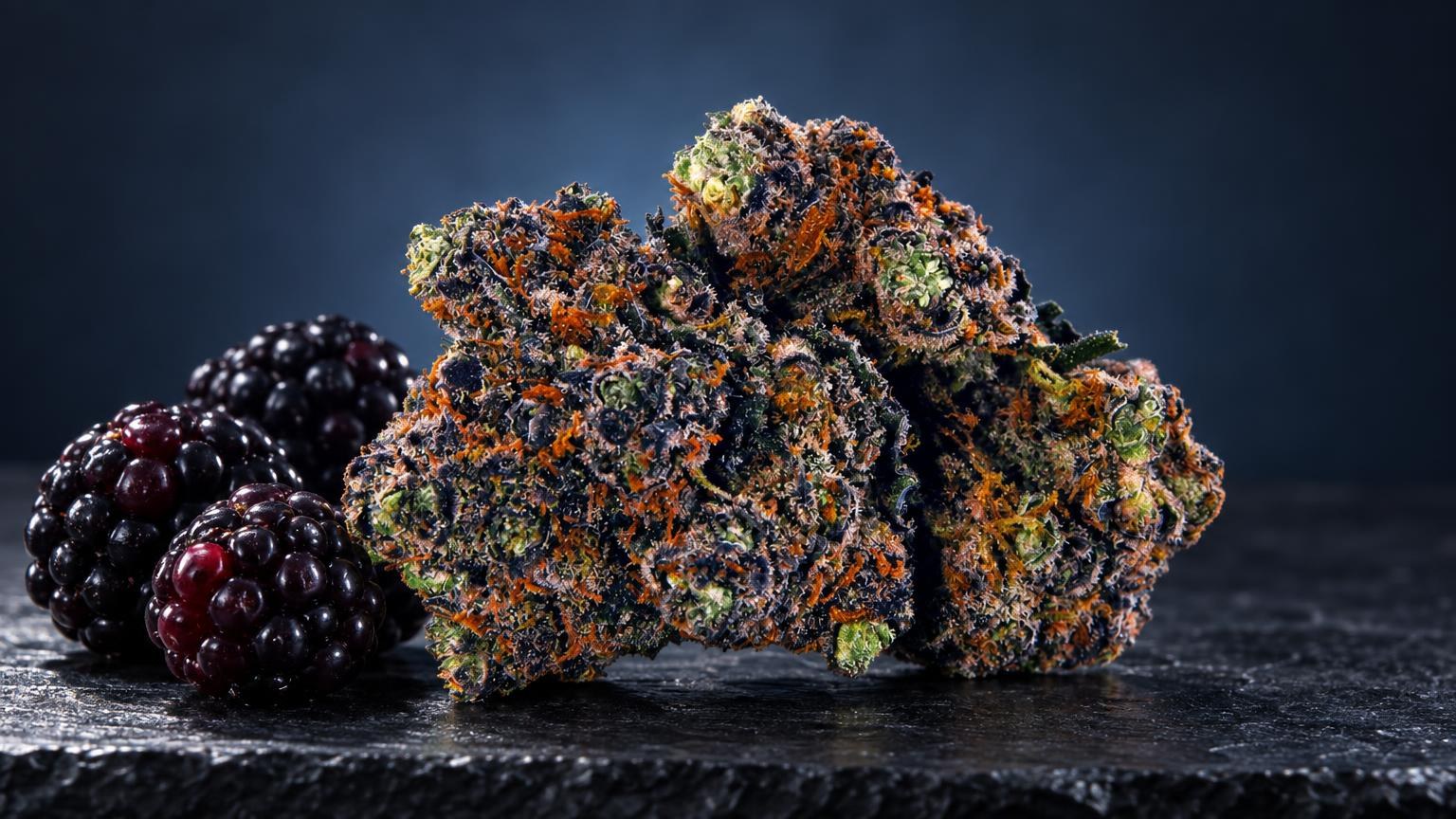
Strawberry Zkittlez is a separate cross built from Zkittlez genetics, not an official subtype of the original cultivar. It leans harder into berry notes, often strawberry and pineapple over the usual tropical fruit mango base, and the name is breeder branding rather than a fixed, verified lineage.
Think of Strawberry Zkittlez as a cousin, not a clone. Breeders crossed Zkittlez cuts with other fruity lines to push the profile toward fresh berry and tropical fruit mango rather than pure candy sherbet. The result can taste closer to a fruit bowl, strawberry and pineapple up front, with the familiar earthy base holding it together.
You will see names like this pop up at cannabis cups in San Francisco, Michigan and elsewhere, where breeders submit new phenotypes for reviews, write a review culture built around aroma and bag appeal. Winning a place at the Emerald Cup or a similar event says something about breeding and presentation, not about a fixed composition you can expect jar to jar. Online reviews often describe the jar experience as focused, alert, happy on first opening it, but that is a description of the sensory hit, the smell and taste, not a claim about effects. As with the original Zkittlez, what actually matters sits on the batch analysis, not in the name on the label.
Conclusion
That criterion holds up far better than any label printed on a jar. Just remember that the specifics vary from batch to batch, for the reasons already covered.
So a zkittlez strain, whether it is sold as zkittlez indica dominant or misspelled as a skittles strain by a careless listing, tells you two things: a selection lineage and an aromatic promise. Nothing more binding than that.
The only document that describes the material actually in your hands is its batch analysis, with a lot number, a date and a named laboratory. Read that before you read the poetry. Great reviews describe great batches; the next one is a new batch, so read the analysis every time. The effects a reviewer describes belong to that reviewer and that batch; the sweet candy like nose is the only thing you can count on finding again.
Not medical advice.
Frequently asked questions
What is Zkittlez strain?
Zkittlez is an indica dominant hybrid cultivar defined by its sweet candy and tropical fruit aroma, sold under a name that no authority regulates.
Who created Zkittlez strain?
Unconfirmed beyond breeder claims, as detailed above.
What strain is Gorilla Zkittlez?
A denser, heavier cross carrying the Zkittlez aromatic heritage, per the breeder catalogue entry covered earlier.
What strain is Watermelon Zkittlez?
A Zkittlez-lineage cross listed in breeder catalogues; the name signals aroma direction, not a fixed genetic or chemical profile.
Is Zkittlez a good strain?
Judged on aroma quality alone, yes; see How to Choose Your Version of Zkittlez for the breakdown by product form.
Is Zkittlez strain strong?
Strength depends on which of the three forms you pick, per the grid above.
Why does Zkittlez smell like candy?
A blend of terpenes, not a single molecule, see the breakdown above.
Sources
- Russo EB. Taming THC: potential cannabis synergy and phytocannabinoid-terpenoid entourage effects. Br J Pharmacol. 2011;163(7):1344-1364 — pmc.ncbi.nlm.nih.gov
- Booth JK, Bohlmann J. Terpenes in Cannabis sativa – From plant genome to humans. Plant Sci. 2019;284:67-72 — pubmed.ncbi.nlm.nih.gov
- Booth JK et al. Terpene Synthases and Terpene Variation in Cannabis sativa. Plant Physiol. 2020;184(1):130-147 — pmc.ncbi.nlm.nih.gov
- Hazekamp A, Fischedick JT. Cannabis – from cultivar to chemovar. Drug Test Anal. 2012;4(7-8):660-667 — pubmed.ncbi.nlm.nih.gov
- Cannabinol: History, Syntheses, and Biological Profile of the Greatest "Minor" Cannabinoid. Plants (Basel). 2022;11(21):2896 — pmc.ncbi.nlm.nih.gov