 Written by Sophie Clarke
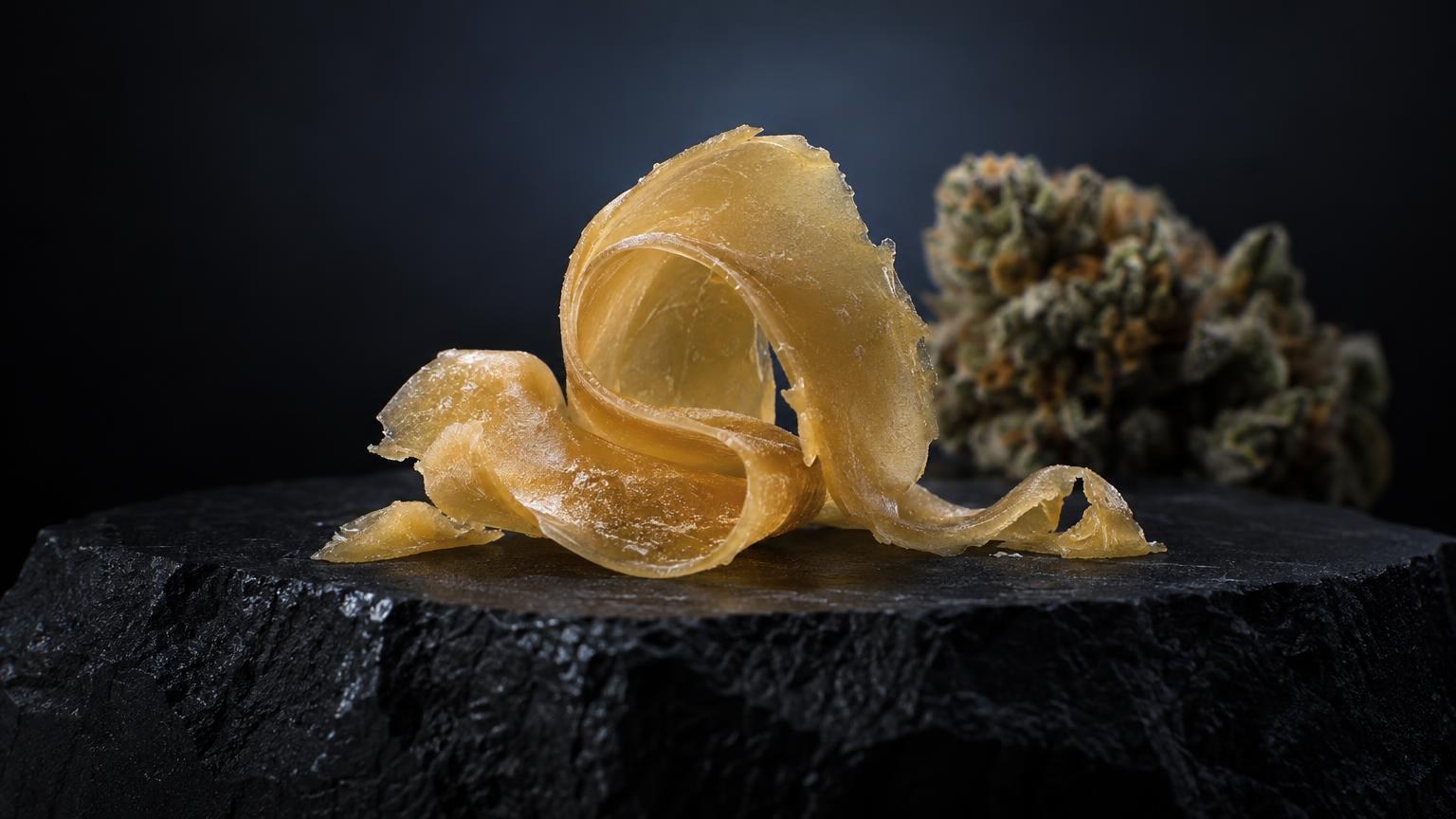
Rosin covers two very different worlds: cannabis rosin, a solventless concentrate pressed from flowers, hash or kief, and the pine-tree rosin musicians use on bow hair[4][4]. It often appears as a semi-transparent, brittle substance ranging from light to dark, yellow to black[4]. THCX is a trade name, not a molecule: every batch is lab-tested for classified molecules and none are detected.
Hash THCX at Spliff · from €5.90/g · ★ 4.9/5 (510 reviews)
72 h delivery in Europe · Free delivery from €99
Contents7 sections
Rosin, in the cannabis world, is a solventless concentrate: the resin of the trichomes, pressed out of flowers or hash using nothing but heat and pressure. What you get is a sticky, aromatic oil or paste ranging from pale gold to deep amber.
This guide breaks down what rosin is made of, how to read its colour and texture, how pressing works and what separates live rosin from live resin. It ends with a clear way to choose between a dab, a cartridge and a pod.
If your search results look more like a music shop, you’re in the right place for that too. Violin rosin is a sticky resin taken from species of pine trees, and players rub it along the violin bow so the horsehair catches each string instead of sliding off.[4] On a cello or any of the string instruments coming out of a Cremona workshop, the grip of a freshly rosined bow is what turns friction into tone.
Athletes have their own version. Pitchers and climbers tap a small cloth bag of powdered rosin for drier hands and better ball control.
What is rosin, and which kind are you looking for?
Rosin weed is cannabis rosin: a concentrate made by squeezing the resin out of flowers, hash or kief with heat and pressure alone, with no solvent involved. If your search also turned up rosin violin bows and cello cases, you’ve found the other rosin, the pine-resin cousin covered just above. Same sticky idea, different shelf.
Rosin for violin and cello bows: the pine resin cousin
In music, rosin is a hard block of pine resin, cooked down into what players call cake rosin. According to Wikipedia’s entry on rosin, it looks semi-transparent and brittle, ranges from yellow to black and melts at stove-top temperatures[4].
To apply rosin, a string player draws the bow across the cake until the horsehair picks up a fine dust, letting the bow bite into the strings instead of sliding. Think of it as chalk for a bow.
Whether you landed here from a rosin violin search, a cello forum or a dab thread, the word points to the same core idea: a pure, sticky resin separated from the plant that made it. Even the yellow-to-black colour range carries over, and reading that colour is the thread the rest of this guide follows.
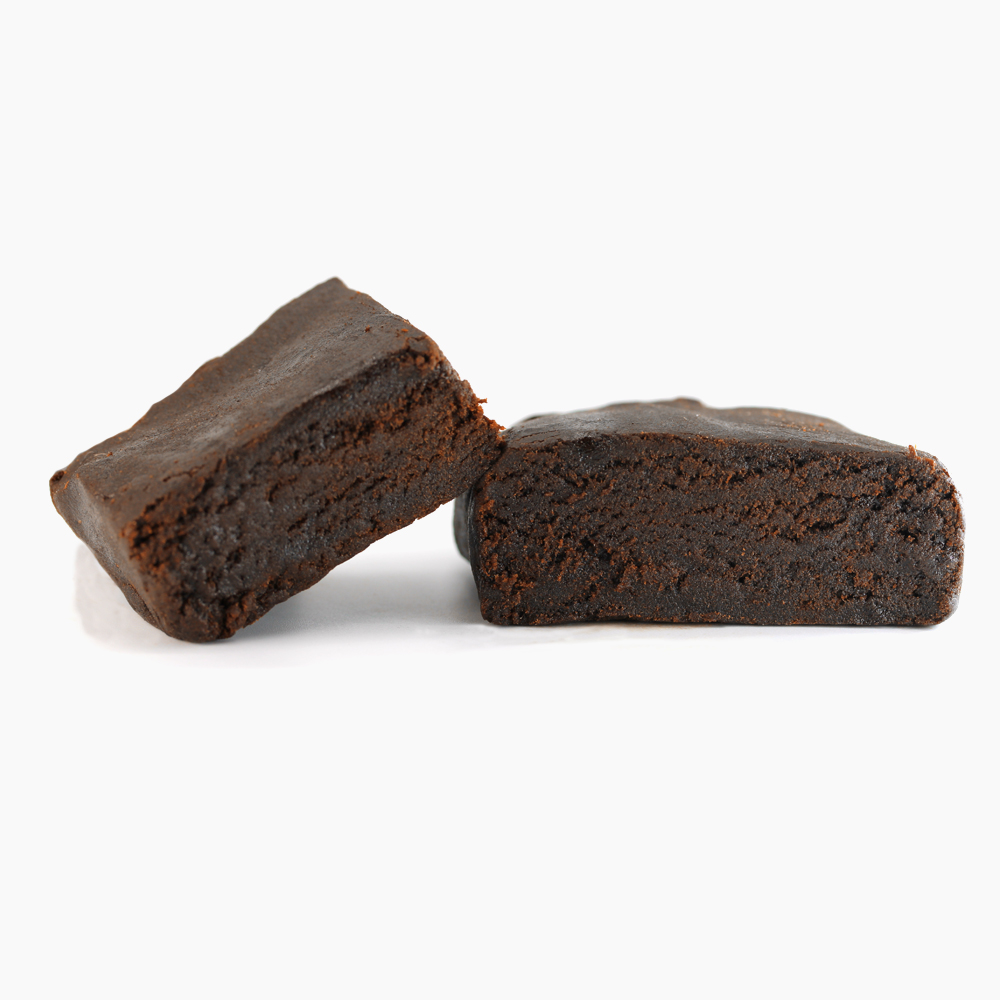
What is rosin made of?
Rosin is made of trichome resin and nothing else: the cannabinoids and terpenes squeezed out of flowers, hash or kief, with nothing added along the way. The starting material sets the ceiling on quality, which is why menus split it into flower rosin, hash rosin and kief rosin.
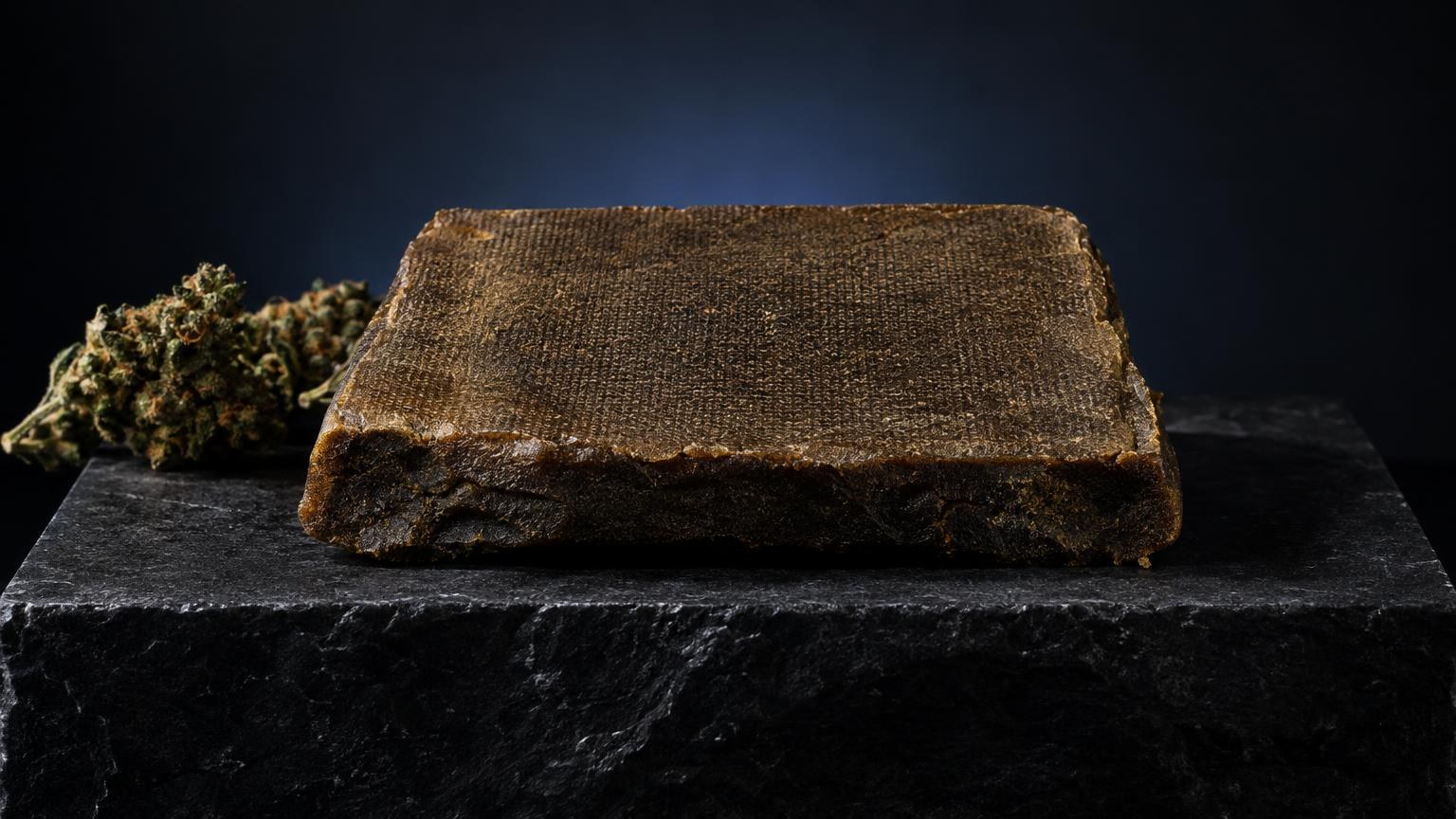
Hash rosin is our pick for the top tier. That’s an editorial call, not a lab verdict: the trichomes are already separated from the leaf before pressing, so less plant material usually ends up in the jar.
The types of rosin you’ll see on a shelf differ mostly in texture, which depends on how the oil is worked after the press:
- Sap: glossy and runny, like warm honey.
- Jam: thicker and slightly grainy, close to fruit preserves.
- Badder: whipped into a soft, cake-batter consistency.
- Budder: creamy and opaque, like whipped butter.
Light vs dark rosin: what the colour tells you
Colour is your fastest high quality check. A light, golden rosin usually signals a low-temperature press and fresh starting material, keeping more terpenes intact. Darker shades point to oxidation, too much heat or plant matter slipping into the input.
Dark isn’t automatically bad, and the line between light and dark rosin is one of the details worth asking about on any new batch. Pair it with texture: a uniform sap or budder with a bright, clean smell is what high quality rosin looks like, whatever your rosin use.
Musicians judge their bow rosin by feel rather than shade, since its job is helping the hair grip the strings and make them sound, and athletes use it to improve grip in various sports[4].
How should rosin be stored?
Think of rosin like good coffee beans: air, heat and light are what dull it. Once the jar is open, your job is to slow down oxidation, the same process behind that darkening you just learned to read.
- Airtight glass container: seal it properly after every use so less air reaches the oil.
- Cool spot: keep it away from radiators, sunny windowsills and warm car interiors.
- Dark place: a drawer or cupboard beats an open shelf, since light speeds up darkening.
Cool, dark and airtight is the whole routine. Stored that way, your rosin holds its colour, texture and terpene profile for longer.
How is rosin pressed, from flower to jar?
Rosin is pressed by placing flowers, hash or kief in a fine micron filter bag, folding it inside parchment paper and squeezing it between the two heated plates of a rosin press. Heat softens the trichome resin, pressure pushes it out through the mesh, and the oil is scraped up and sometimes cured for texture.
Making rosin comes down to three variables: heat, pressure and time. The sequence looks like this.
- Bagging: the material goes into a filter bag woven in microns, holding back plant matter while letting resin through.
- Parchment: the bag sits between two sheets of parchment, giving the oil a clean, non-stick surface to flow onto.
- Pressing: the heated plates close, and the resin seeps out of the bag onto the paper.
- Collecting and curing: the oil is scraped up, and some batches rest in a jar until they become badder, jam or sap.
Temperature is where the presser makes the real call. A low, slow press keeps more volatile terpenes alive but yields less oil. Push the heat up and yield grows while aroma goes flatter.
That’s why two rosins from the same batch can smell different. Nothing gets added, so nothing has to be purged. Unlike butane-based BHO or supercritical carbon dioxide extraction, there’s no solvent to remove afterwards, and you can follow the process from bag to jar.
What is live rosin, and why does it cost more?
Live rosin is rosin made from fresh frozen cannabis: plants frozen right after harvest, washed in ice water to free the trichomes as bubble hash, then pressed at low temperature. It costs more because every extra step loses yield. The payoff is the terpene profile closest to the living plant.
The price follows the process. Freezing, washing, drying the hash and keeping the chain cold take time and equipment, and each stage leaves less material for the press.
Live rosin typically presses cooler than flower rosin, which is how those bright, fruity aromas survive. A cellist or viola player can rosin the hair on a bow in seconds before some fast-moving playing; this kind needs a long, cold workflow.
Live rosin vs live resin: one letter, two methods
Both start from the same fresh frozen plants. The difference is extraction: live resin is generally made with a solvent such as butane and purged afterwards, while live rosin relies on ice water, heat and pressure alone.
Live resin can smell loud and fresh, but you’re trusting the purge. With live rosin, what’s in the jar is resin and nothing else, which is why we rate it higher.
| Concentrate | Starting material | Extraction | Terpenes |
|---|---|---|---|
| Rosin | Dried flower, hash or kief | Heat and pressure | Depend on material and temperature |
| Live rosin | Fresh frozen, washed into bubble hash | Ice water, heat, pressure | Closest to the living plant |
| Live resin | Fresh frozen plants | Solvent, then purge | Fresh, solvent-extracted |
| Distillate | Dried plant material | Refined to an isolated cannabinoid | Often reintroduced afterwards |
Think cold-pressed juice against a reconstituted concentrate. Light vs dark rosin is a matter of feel; pale live rosin from clean hash sits at the cold-pressed end of the shelf. If you’d rather use rosin without a dab rig, the Magic Vape Live Rosin puts it in a ready-to-use vape format.
Choosing a rosin product: dabs, carts or pods
Once you know what live rosin costs to make, match it to how you’ll use it. Start with four quality checks that hold for any format.
- Starting material: the rosin should be named as flower, hash or live. Vague wording usually hides the cheaper input.
- Colour and texture: read light versus dark as a signal, not a verdict, matching the type on the label.
- Lab results: a serious seller can share them when you ask.
- Hardware: for carts and pods, the heating element and seal decide whether terpenes come through clean or taste scorched.
Then pick the format. A dab means a rig or an e-nail, a tool to apply rosin to a hot surface, and a sticky oil on your fingers. You vaporise it, and the setup is half the ritual.
Carts and pods skip all that. They’re discreet, easy to portion and need no extra gear, so if you’re curious about live rosin, a vape is the logical place to start before investing in a dab rig.
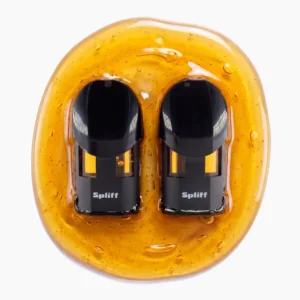
At Spliff, the Magic Pod Live Rosin x2 brings it in pod format, while the Magic Vape Live Rosin is the vape version. Each product page shows today’s price, specs and customer reviews. The lab analysis of each batch is available on request from customer service.
Conclusion
Whichever format you land on, the method stays the same: read the starting material first, then the colour, the texture and the lab results. A cellist playing a freshly rosined bow and a dabber both want a resin that does one job well, and rosin earns its place when nothing was used to make it except heat and pressure, a purely natural press.
Our take is simple. Solventless oil pressed from good hash with a little patience beats a rushed, hot press of average flower, and a pod or cartridge is the easiest way to put that knowledge to use.
At Spliff, orders ship quickly after payment, and we offer delivery to several countries, including Austria, Belgium, Germany and the Netherlands. Our live rosin vapes and pods are in the collection whenever you’re ready.
Frequently asked questions
Sources
- Rosin – Wikipedia — en.wikipedia.org