 Written by Sophie Clarke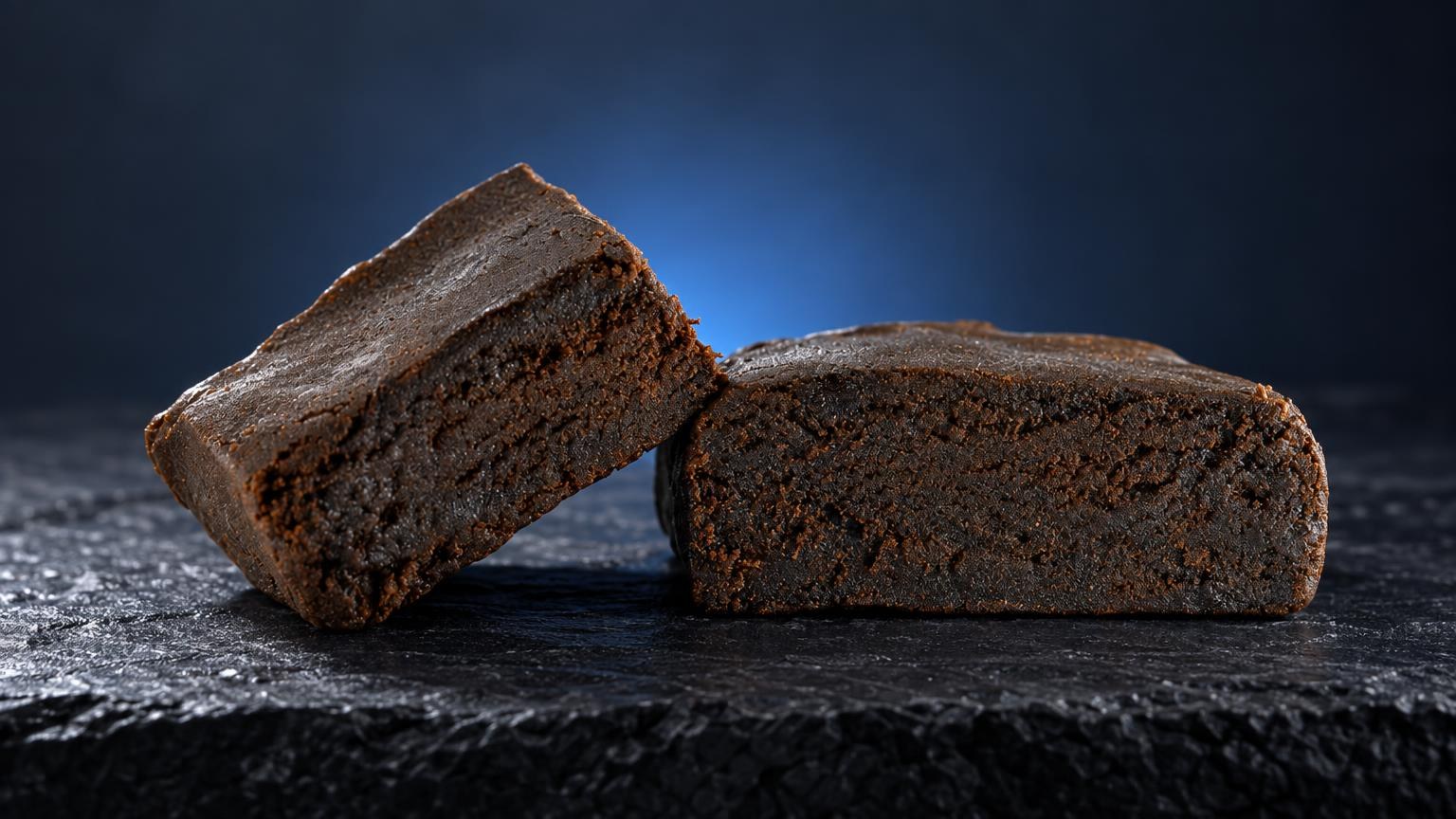
Temple ball hash is traditional Nepalese hash: hand-rolled charas cured into a dense sphere, a forms cannabis concentrate style distinct from kief or pressed hash. Modern versions use ice water extraction instead, and Spliff’s lab-tested, high quality CBD and THCX hash balls let you compare both types temple ball without guessing cannabinoid content.
Hash THCX at Spliff · from €5.90/g · ★ 4.9/5 (423 reviews)
72 h delivery in Europe · Free delivery from €99
Contents7 sections
- What Is a Temple Ball? Nepal's Hand-Rolled Hash Explained
- Nepal, Charas and the Hippie Trail: Where Temple Balls Come From
- Temple Ball vs Brick Hash: Shape, Curing and Oxidation
- Temple Balls Today: Traditional and Modern Versions
- How to Recognise and Store a Temple Ball
- Conclusion
- Frequently asked questions
Temple ball hash is charas with a shape that does a job. The roundness isn’t decoration, and once you get the answer to why, you’ll never look at a lump of resin the same way.
From there, you’ll follow the resin from Nepal along the hippie trail and see why a sphere protects the aromas that live inside it better than a brick does. Then come the modern versions rolled using the same hand process, plus a practical guide to judging and storing one, because hand rolling works as a preservation technique as much as a craft.
What Is a Temple Ball? Nepal's Hand-Rolled Hash Explained
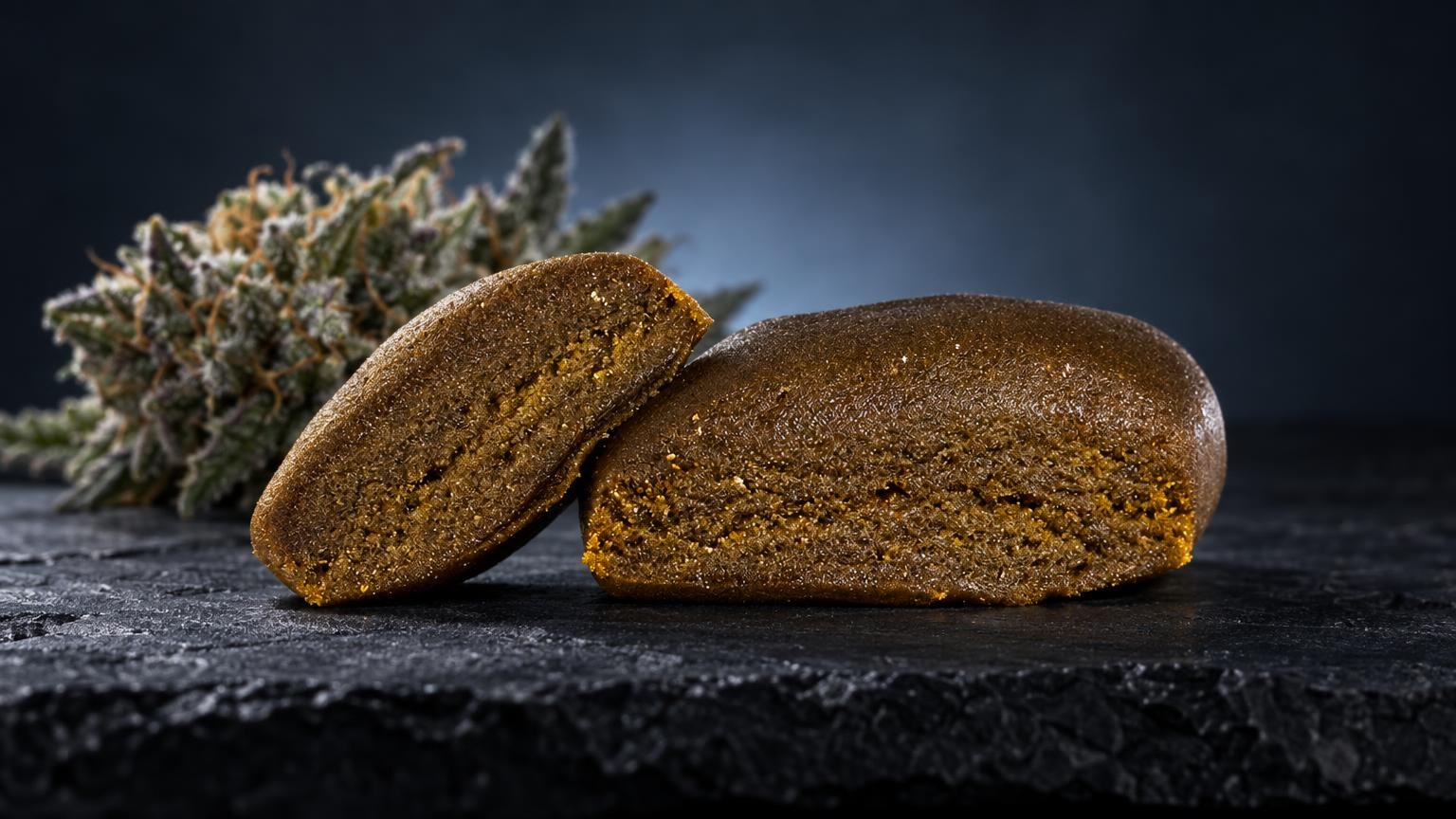
In traditional hash-making, as craft accounts describe it, a temple ball is a form of traditional Nepalese hash made from hand rolled resin: charas rubbed off living cannabis plants, then shaped into a dense sphere or egg and cured. That’s an artisanal tradition, not a regulatory standard. Unlike kief or pressed hash, temple ball hash keeps a darker, firm crust over a soft, aromatic core, with each ball hand rolled rather than machine pressed.
To place temple balls among the many forms of cannabis concentrate, sort the vocabulary by how the resin leaves the plant:
- Kief: loose, dry trichome powder sifted from dried buds, never worked by hand.
- Pressed hash: kief or sieved resin compacted into blocks, the classic Moroccan style.
- Charas: sticky resin rubbed from fresh, living plants, the raw material of every hash temple ball.
All hash balls start as charas, but not all charas becomes a temple ball. The rolling and the curing are what turn a raw concentrate into this specific style of cannabis hash, much like kneading and proofing turn flour and water into bread. Where the name comes from is covered in “Nepal, charas and the hippie trail”.
Nepal, Charas and the Hippie Trail: Where Temple Balls Come From
That crust-and-core logic wasn’t invented in a lab. It grew out of Himalayan valleys, where traditional Nepalese farmers turned that raw resin into a village craft passed down by hand, not a factory product.
Then the road opened. Travellers’ accounts, which are anecdotal rather than documented history, suggest the overland route across Turkey, Persia and Afghanistan would end in Kathmandu, with Freak Street said to be the last stop. There, the traditional Nepalese temple ball reportedly found an audience that carried both the name and the legend back to Europe.
When the hippie-trail era faded, the myth outlived the shops. Today sellers have used temple ball as a quick quality badge for almost any rolled product. The name travelled further than the traditional method did, so knowing what a traditional Nepalese temple ball hash actually looks like matters more than the label or any potency claim stuck on it.
Temple Ball vs Brick Hash: Shape, Curing and Oxidation
The Himalayan roll was never just tradition. It was storage logic: the sphere shape mentioned above turns out to be a deliberate oxidation strategy. The outer layer oxidises, darkens and firms up into a shield, much like the rind on an aged cheese or the crust on a sourdough loaf that keeps the crumb moist.
Behind that shield, curing does the slow work. Terpenes stay sealed in the core, so a well-cured temple ball hash tends to deepen in aroma rather than go flat. That’s the whole bet behind ball hash traditional to Nepal: sacrifice the skin, protect the heart.
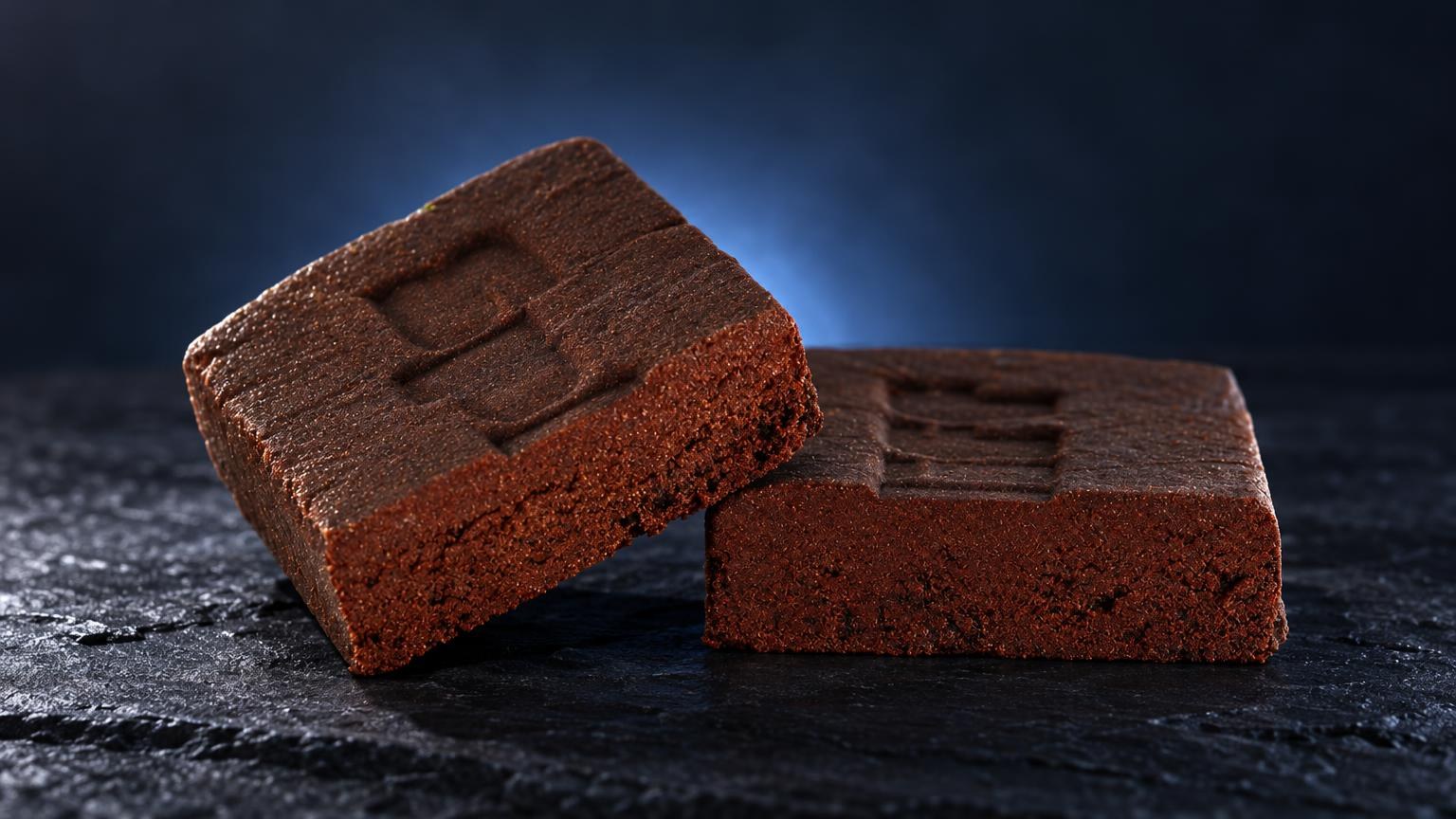
Brick hash plays a different game. Machine-pressed slabs show far more surface, and the compression runs evenly from edge to centre, so the texture is uniform and the block ages at a single pace. Pressed hash isn’t worse: it simply never builds that layered contrast.
Bubble hash, also called ice water hash, is the method that spread among growers in the Americas: trichomes are knocked loose from the flower in ice and cold water, sieved through fine bags, then dried. It isn’t automatically stronger than traditional hash, and a temple ball isn’t automatically weaker.
Temple Balls Today: Traditional and Modern Versions
Since the hippie-trail years, the temple ball hash on offer has split into two families. The traditional one is still hand-rubbed charas. The modern one starts with ice water extraction: water hash or bubble hash, then a temple ball hand rolled and left to cure in a glass jar.
Hash temple balls now get rolled from resin sourced far beyond Nepal, from Europe to North Africa, so the shape alone no longer tells you where a temple ball comes from.
If you like resinous, hand-pressed profiles, browse the hash range instead of chasing a label. None of the three products below is sold as a temple ball, but together they show how the choice really splits. Your first call isn’t the shape, it’s the range: CBD or THCX.
- Golden Crystal: listed in our CBD hash collection, so it’s the one to look at if you’d rather stay on CBD.
- Golden Hash: same hash format, but from the THCX range. THCX is a trade name, not a molecule: every batch is lab-tested for classified molecules and none are detected.
- Kashmir Hash: also THCX. Since it shares the format and range with Golden Hash, today’s price on each product page is the fairest way to choose between them.
The lab analysis of each batch is available on request from customer service. Legal rules differ from one country to the next, so check what applies where you live before you order.
How to Recognise and Store a Temple Ball
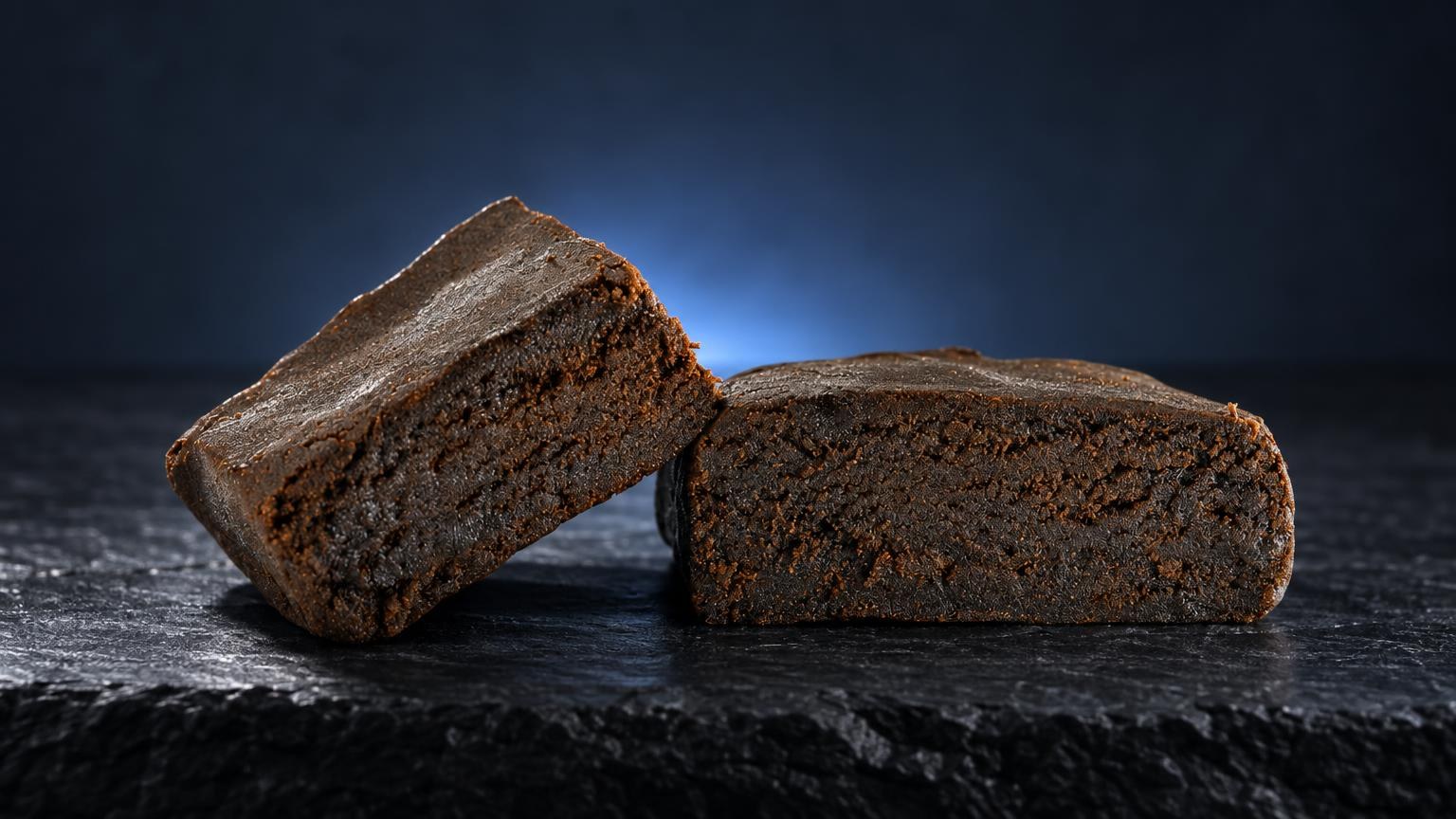
Whatever types of temple ball you come across, from Nepal, India or Pakistan, or rolled from water hash, you judge them the same way: cut a small ball in half and read the cross-section.
- Good signs: a dark, glossy crust, a lighter and softer core, resin that stays pliable between warm fingers and a deep, rich resinous smell.
- Red flags: a surface that looks too perfect and uniform, a chemical smell, or a sandy, brittle texture right through to the centre.
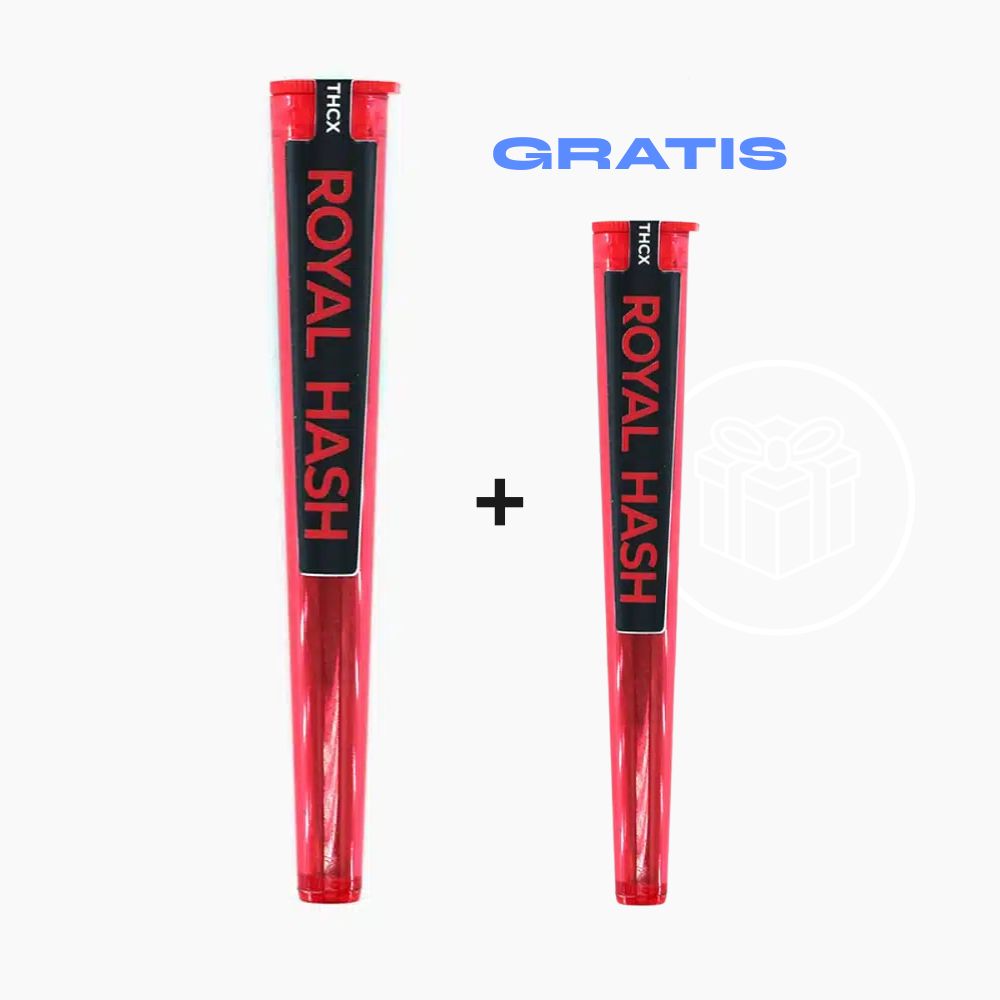
If you’d rather skip rolling altogether, the Royal Hash pre-roll is a hash joint from our THCX range that arrives already rolled, with the same testing standard noted earlier for this range. THCX is a trade name, not a molecule: every batch is lab-tested for classified molecules and none are detected.
For pressed alternatives to temple ball hash products you can buy today, browse our CBD hash collection or the hash THCX collection. For adults only (18+), and never drive after use.
Conclusion
Shape is a method, not decoration. It’s a legacy of traders and hashish makers who spent centuries learning what works with cannabis resin, and the cross-section is what tells the real story.
Just keep in mind that a round, glossy ball says nothing about its cannabinoid content. Whether there’s CBD or THC inside is a question for the lab, not for your eyes.
If a resinous, hand-pressed experience is what you’re after, our CBD hash collection comes in 3 g, 5 g, 10 g, 20 g, 50 g and 100 g.
One thing to keep straight: cannabidiol does exist as a medicine, but only as a specific pharmaceutical (Epidyolex) assessed and authorised by the European Medicines Agency.[3] A CBD hash is a different product altogether, so don’t expect medical effects from it.
Frequently asked questions
What is the difference between temple ball hash and brick hash?
Temple ball hash is hand rolled into a dense sphere or egg with a darker, firm crust protecting a soft, aromatic core, while brick hash (pressed hash) is kief or sieved resin machine- or hand-compacted flat into blocks, the classic Moroccan style, without the same crust-and-core oxidation and curing process.
Sources
- Epidyolex (cannabidiol) — European Medicines Agency, EPAR — www.ema.europa.eu