 Written by Sarah Mitchell
Contents9 sections
- What THCP Actually Feels Like: Onset, Intensity and Duration
- The Chemistry Behind It: Seven Carbons That Change Everything
- Where THCP Comes From: Distillate, Vapes, Gummies and Infused Flower
- THCP vs THC, THCA, THCX and HHC: Reading the Cannabinoid Ladder
- Dosing THCP and Reading a Certificate of Analysis
- Is THCP the Right Cannabinoid for You? How to Choose
- Conclusion
- Frequently asked questions
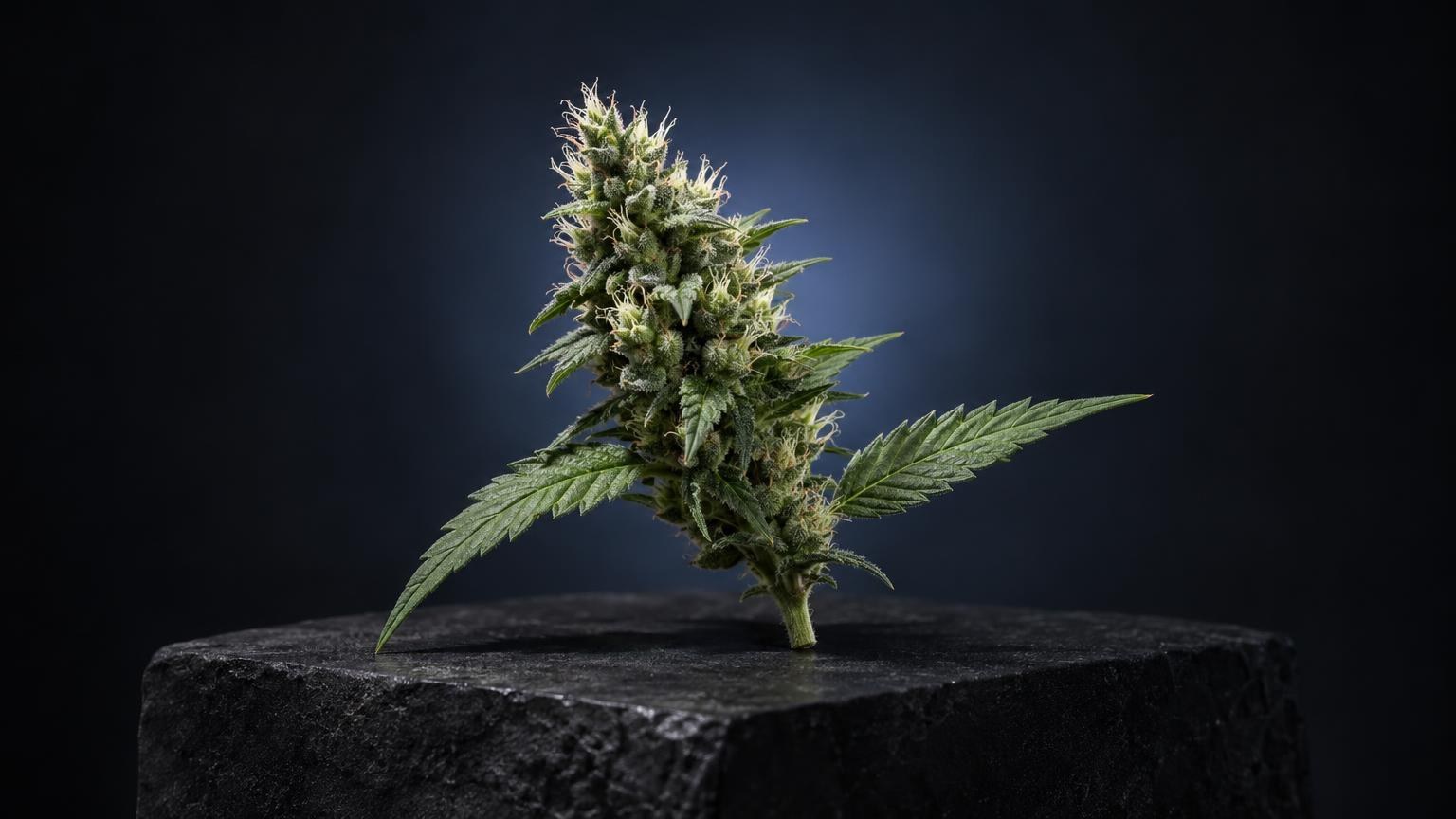
Let me answer the question you came for before I draw a single molecular diagram. THCP, or tetrahydrocannabiphorol, is a naturally occurring cannabinoid found in cannabis in trace quantities, and the reason anyone talks about it is intensity: milligram for milligram, users consistently report a perceived effect well above what the same dose of Δ9-THC delivers. That is not a stronger cannabinoid in the abstract. It is a different dose scale.
So where does that intensity actually come from? And why does almost everyone misread the famous “33x” figure quoted across every forum and product page? That is the chemistry I want to walk you through next, and it starts with a seven-carbon side chain.
The essentials in 30 seconds
THCP, or tetrahydrocannabiphorol, is naturally occurring in cannabis but only in trace amounts, so most derived THCP products sold today are built from hemp-derived precursors and purified in a lab. Its seven-carbon side chain explains why THCP binds receptors differently than Δ9-THC, producing effects users describe as stronger, longer lasting, and requiring careful, milligram-based dosing rather than percentage guesswork.
- Tetrahydrocannabiphorol naturally occurring in cannabis only in trace quantities, making commercial extraction from flower impractical.
- Onset is slow and deceptive: effects keep building for roughly fifteen minutes, a window into overconsumption that tempts extra draws.
- Always check lab tested products and a certificate of analysis before buying.
What THCP Actually Feels Like: Onset, Intensity and Duration
Let me put a clock and a milligram count on that, because “stronger” tells you nothing without a timeline.
Inhaled, the deceptive window is the first two minutes. A familiar THC vape announces itself almost immediately; hemp derived THCP tends to arrive quietly, then keeps climbing for a quarter of an hour after you’ve already written it off. That lag is exactly where people take three extra draws they never needed.
| Route | Reported onset | Reported peak | Typical total duration |
|---|---|---|---|
| Inhalation (vape, pod, infused flower) | 2–5 min | 15–30 min | 3–5 h |
| Oral (gummies, edibles) | 45–90 min | 2–3 h | 6–10 h |
Now the arithmetic that actually governs the effects of THCP in real use. A 1 ml cartridge holds roughly 1 000 mg of oil; at a 20 % load, that’s about 200 mg of active cannabinoid distributed across 100–200 draws.
So each puff delivers somewhere near 1–2 mg. That figure looks trivial next to a joint, and it isn’t: for the receptor-level reason already on the table, THCP products sit in a completely different perceived intensity bracket at equal milligrams. One draw is a dose, not a warm-up.
Oral formats compound the problem from the other direction. A single gummy commits you to a duration measured in hours, with no way to dial it back once absorption is underway. That’s precisely why I treat edibles as a second-session format rather than a first experiment, and why the practical risks here are about timing, not about the molecule being exotic.
Where you land inside those ranges is personal. Body weight, stomach contents and your existing cannabinoid habits shift the same milligram figure by a wide margin. Two people sharing one pod will honestly describe two different evenings, because each body clears cannabinoids on its own schedule.
The Chemistry Behind It: Seven Carbons That Change Everything
Two carbon atoms. That is the whole structural story, and it sits at position C3.
That side chain is the business end of the molecule. Length matters because the chain has to seat itself in the lipophilic binding pocket of the CB1 receptor, and a longer alkyl tail makes more van der Waals contact along the pocket wall[4].
Picture a narrow, greasy slot. More contact means the molecule stays docked longer before it drifts off, and binding affinity is simply a measure of how reluctant a ligand is to let go of its target. That docking behaviour is the mechanical reason people describe the effect as stronger and longer lasting.
What makes the case convincing is that the seven carbon chain is not an outlier, it is one rung on a ladder. Cannabis produces a homologous series, each member differing by carbon units on the same chain, and measured affinity at cannabinoid receptors tracks chain length in a fairly orderly way up to about seven.
| Cannabinoid | C3 side chain | CB1 affinity (in vitro) |
|---|---|---|
| CBD | Pentyl, 5C | Negligible at the orthosteric site |
| THCB | Butyl, 4C | Below Δ9-THC |
| Δ9-THC | Pentyl, 5C | Reference, 1x |
| THCP | Heptyl, 7C | ~33x Δ9-THC |
That 33x ratio comes from the in vitro receptor binding assays of the 2019 discovery paper[4], and it is the number everyone repeats as “times stronger thc”. It comes from isolated receptor preparations on a test plate. No lungs, no liver, no bloodstream in that plate, so affinity is not a dose multiplier (I unpack what that means for your actual dosing further down).
One process point changes what you actually inhale. Cannabinoids accumulate in the living plant as carboxylic acids, and heat drives off that carboxyl group to give the neutral, receptor-active form.
I would expect the THCP seven carbon homologue to follow the same decarboxylation pathway that THCA follows to become THC, though published characterisation data on its acid form remains thin. In practice, that is exactly why curing temperature, vape coil temperature and extraction heat all shape the final cannabinoid profile.
So when you ask what THCP is at a molecular level, the honest answer stays narrow and precise: same scaffold as the delta-9 THC carbon chain, two rungs longer, with markedly higher measured CB1 affinity in the lab. Anyone converting that ratio into “33 times stronger” is reading a chemistry result as a pharmacology result[4].
Where THCP Comes From: Distillate, Vapes, Gummies and Infused Flower
The pharmacology explains the intensity. It explains almost nothing about what ends up in your cart.
Here’s the part most product pages skip: tetrahydrocannabiphorol occurs in cannabis only in trace amounts. You cannot extract a commercial volume of it from flower any more than you could run a distillery on the sugar in one apple. Every gram of THCP on the market is therefore built from hemp derived CBD and other cannabinoid precursors, then purified, which is why forensic reference bodies like the CFSRE classify it as a semi-synthetic cannabinoid.
That is not a scandal, it is synthesis chemistry doing what synthesis chemistry does. It does mean the finished formulation varies from one producer to the next, which shifts the burden onto the certificate of analysis rather than the marketing copy. In practice, hemp derived THCP products live or die on that document[5].
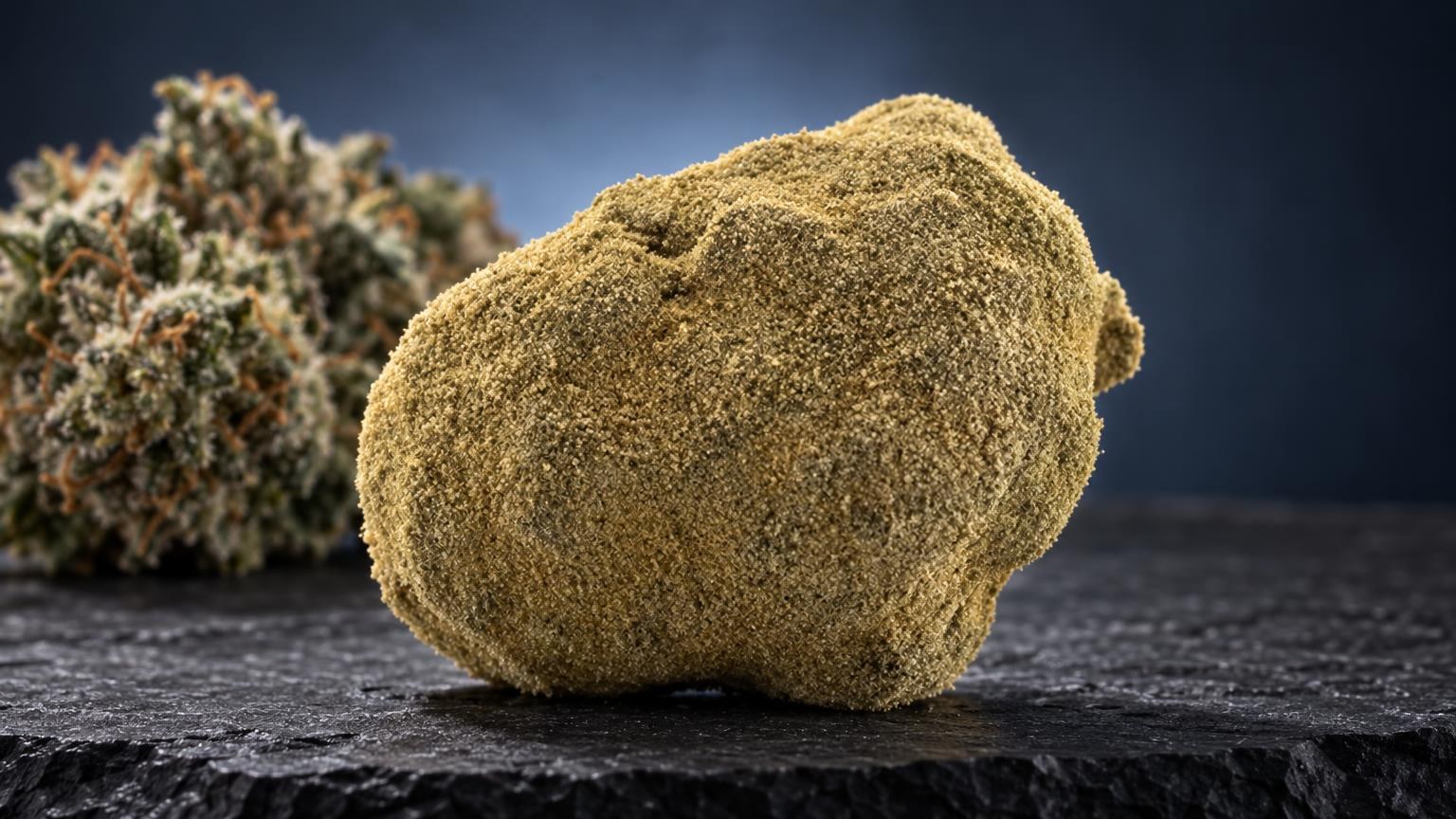
Which brings us to the format that generates the most confusion. THCP flower does not exist as a cultivar. What you are buying is CBD hemp flower sprayed or infused with THCP distillate, and because that coating never distributes evenly, potency swings from one nug to the next. The CFSRE monograph notes exactly this spread of formats sold online: flower, edibles and vapes.
Vapes are the cleanest illustration of formulation quality, because there are only two real families of THCP cartridge.
- Distillate with botanical terpenes: a purified cannabinoid load, then aromatics reintroduced after the fact. Consistent, cheap to scale, flavour that reads a little flat.
- Live rosin: a solventless extract that keeps the plant’s own monoterpene and sesquiterpene signature intact, so the taste actually tracks the cultivar.
The difference is not subtle on the inhale. Our Magic Pod Live Rosin x2 exists for people who care about that terpene layer, while the standard Magic Pod x2 covers the everyday, dose-predictable end of the range. Same pod hardware, two very different flavour philosophies.
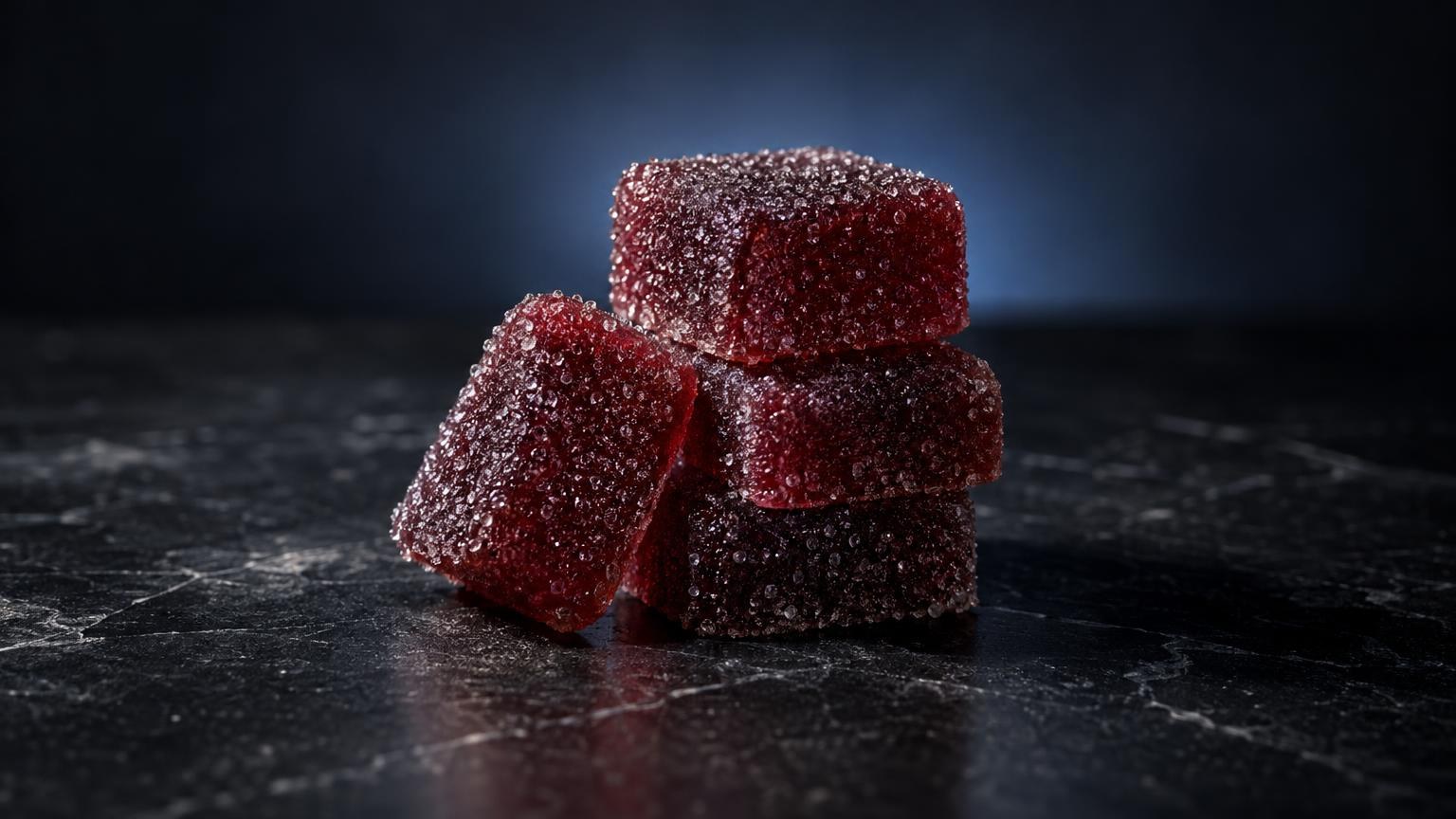
Gummies are the format that punishes improvisation. Dosing is fixed per unit, so your only real variables are how many you take and how long you wait before deciding anything.
Cutting a gummy in half is not a defeat, it is the correct move on an unfamiliar batch. With inhalation you can stop mid-session. With an edible, you made the decision twenty minutes before you feel it.
One honest caveat on a molecule this young: the long term effects of repeated THCP exposure have not been characterised in published human research. Buy lab tested products, read the COA, respect the potency, and keep your sessions modest. CBD is not a medicine and is not a substitute for medical advice or treatment. If in doubt, consult a healthcare professional[5].

THCP vs THC, THCA, THCX and HHC: Reading the Cannabinoid Ladder
Once you can read a side chain, the rest of the cannabinoid shelf stops looking like a random alphabet.
Start with the pair everyone compares. THCP and Δ9-THC share the same tricyclic skeleton and the same C3 attachment point. Practically, that means you never rank them as “stronger” and “weaker” products: you dose them in milligrams, per format, and you accept that the same number describes two very different things.
Then there’s the question that fills forums: is THCA or THCP stronger? That’s a category error, not a close call. THCA is the acid precursor sitting in raw flower, while THCP is an active cannabinoid, so you’re comparing an ingredient to a finished dish.
The semi-synthetic cousins occupy the shelf for one simple reason: hemp-derived CBD is cheap and chemically flexible. HHC is hydrogenated THC, H4CBD is hydrogenated CBD, and Delta-8 and Delta-10 are isomers produced by shifting the position of the double bond. All four are documented, reproducible reactions, not industry mysteries. Quick profiles of HHC, H4CBD and the plant’s own cannabinoids, from THC to CBG, sit on our Molecules page.
THCX is a different animal. It functions as a commercial label rather than a single named molecule. What matters at purchase is that it reproduces THC-type effects, and that each batch is screened in the lab for scheduled molecules, none of which are detected.
| Cannabinoid | Origin | C3 chain | Relative intensity (indicative) | Common formats |
|---|---|---|---|---|
| CBD | Occurs naturally in cannabis, abundant | Pentyl (C5) | Non-intoxicating | Oils, flower, hash |
| Delta-8 / Delta-10 | Isomerised from CBD | Pentyl (C5) | Below Δ9-THC | Vapes, gummies |
| Δ9-THC | Natural | Pentyl (C5) | Reference point | Flower, resin, edibles |
| HHC / H4CBD | Hydrogenated (semi-synthetic) | Pentyl (C5) | Around or below Δ9-THC | Vapes, resins, gummies |
| THCP | See above | Heptyl (C7) | Well above Δ9-THC per mg | Vapes, infused flower, gummies |
| THCX | Trade name for a range, not a molecule | Not published | THC-type | Vapes, pods |
One footnote worth keeping in your pocket when someone calls THCP a new invention: Roger Adams synthesised heptyl homologues of THC back in 1942, decades before anyone confirmed a naturally occurring THCP in the plant.
Dosing THCP and Reading a Certificate of Analysis
Knowing where a molecule sits on the shelf is one thing. Calibrating it in your own body is a different skill entirely.
Anyone asking what is THCP eventually lands on the only two operational questions that matter: how much, and how do I know what’s actually in it? Take the first one.
Stop where the climb has clearly plateaued, not where you stopped feeling it rise.
Now the part I care about most, because this is where the market separates serious formulators from opportunists. A certificate of analysis is not a decorative PDF, and most people read only the one line that flatters the product. An analysis date recent enough to be meaningful, and a stated method (HPLC, typically), are what separate a real audit trail from a marketing prop.
Which brings me to a position I’ll defend without hedging: the highest percentage on the shelf is usually the worst formulated product. A heavy distillate load with no terpene profile, no per-unit dosing and no full panel isn’t potency. It’s laziness dressed as strength.
Is THCP the Right Cannabinoid for You? How to Choose
THCP suits you if you already have a real cannabinoid tolerance, if you’re willing to dose in milligrams rather than percentages, and if you can sit through a slow climb without redosing. If you have little experience with hemp derived cannabinoids, start elsewhere. Decide your route first, then check the certificate, then buy.
Everything above collapses into three questions. Answer them honestly and the shelf narrows itself.
- What’s your tolerance? No regular cannabinoid use means no THCP as an entry point.
- Inhalation or oral? Inhalation gives you a short feedback loop and puff-level control; oral gives you hours and almost no room to correct.
- How much does flavour matter? Botanical terpene distillate and a live extract are two different products, not two price tiers.
Yes, THCP binds cannabinoid receptors far more tightly than THC does. That is exactly why the sensible move is a small first dose and a long wait, not a bigger puff.
If you’re curious but carry no tolerance, meet the receptor gently. A Magic Vape THCX is the honest comparison tool here: same pod format, so you learn what your own baseline experience feels like before you touch a seven carbon side chain.
Chasing fidelity to the plant instead? That’s the Magic Pod Live Rosin x2. Live rosin retains the monoterpene and sesquiterpene signature that distillation strips out, so it reads as resin on the palate rather than as added flavouring. Want the same pod convenience with a cleaner, more neutral profile? The Magic Pod x2 does that job at a lower entry cost.
That grid answers the whole question of what is THCP worth buying. Not the biggest number on the label. The product whose contents you can verify and whose dose you can actually control.
Conclusion
Three questions, answered honestly, and the decision makes itself.
The intensity is real, but the lab number isn’t a promise about your evening.
So judge THCP products the way you’d judge any extract. Certificate first, milligrams second, percentage last.
Frequently asked questions
What is THCP?
THCP (tetrahydrocannabiphorol) is a naturally occurring cannabinoid found in cannabis in trace quantities, known for high perceived intensity per milligram compared to Δ9-THC. Since natural extraction volumes are too small for commercial use, market THCP is built from hemp derived CBD precursors and purified, making it semi-synthetic.
What is THCP vs THC?
THCP and Δ9-THC share the same tricyclic skeleton and C3 attachment point, but THCP’s seven carbon side chain, two carbons longer than THC’s, seats deeper in the CB1 binding pocket. This means they’re never “stronger” or “weaker” products, just different doses at the same milligram count[4].
What is THCP compared to THC in terms of onset and duration?
See “What THCP Actually Feels Like: Onset, Intensity and Duration”, inhaled THCP arrives quietly and keeps climbing for roughly 15 minutes, unlike a familiar THC vape that announces itself almost immediately, so re-dosing during that ramp is the most common mistake.
What is a THCP vape?
A THCP vape is typically distillate reintroduced with botanical terpenes, or a live rosin extract keeping the plant’s own terpene signature. A standard 1 ml cartridge at 20% load delivers about 1–2 mg per puff across 100–200 draws, so one draw already counts as a real dose, not a warm-up.
Is THCP natural or synthetic?
THCP occurs naturally in cannabis, but only in trace amounts impossible to extract commercially. Forensic bodies like the CFSRE classify commercial THCP as semi-synthetic since it’s produced from hemp derived cannabinoid precursors that are purified and chemically converted rather than harvested directly from flower[5].
What's the difference between THCA and THCP?
They answer different questions. THCA is the acidic, non-intoxicating form of ordinary THC found in raw flower, which heat converts into THC. THCP is a separate molecule: the same scaffold as THC with a seven carbon side chain at position C3, two carbons longer, which is what drives its stronger receptor binding.
Is THCP the same as CBD?
No. Hemp derived CBD serves as the precursor material used to synthesize commercial THCP, but the two are chemically distinct: THCP shares its tricyclic skeleton with Δ9-THC and binds CB1 receptors differently, giving it the intensity profile CBD doesn’t have.
Sources
- Cannabidiol (CBD) critical review report — WHO Expert Committee on Drug Dependence — www.who.int
- Cannabis — World Health Organization — www.who.int
- Epidyolex (cannabidiol) — European Medicines Agency — www.ema.europa.eu
- Citti C. et al. A novel phytocannabinoid isolated from Cannabis sativa L. with an in vivo cannabimimetic activity higher than Δ9-THC: Δ9-THCP. Sci Rep. 2019 (PMC6937300) — pmc.ncbi.nlm.nih.gov
- THCP monograph — Center for Forensic Science Research & Education (NPS Discovery) — www.cfsre.org