 Written by Sarah Mitchell
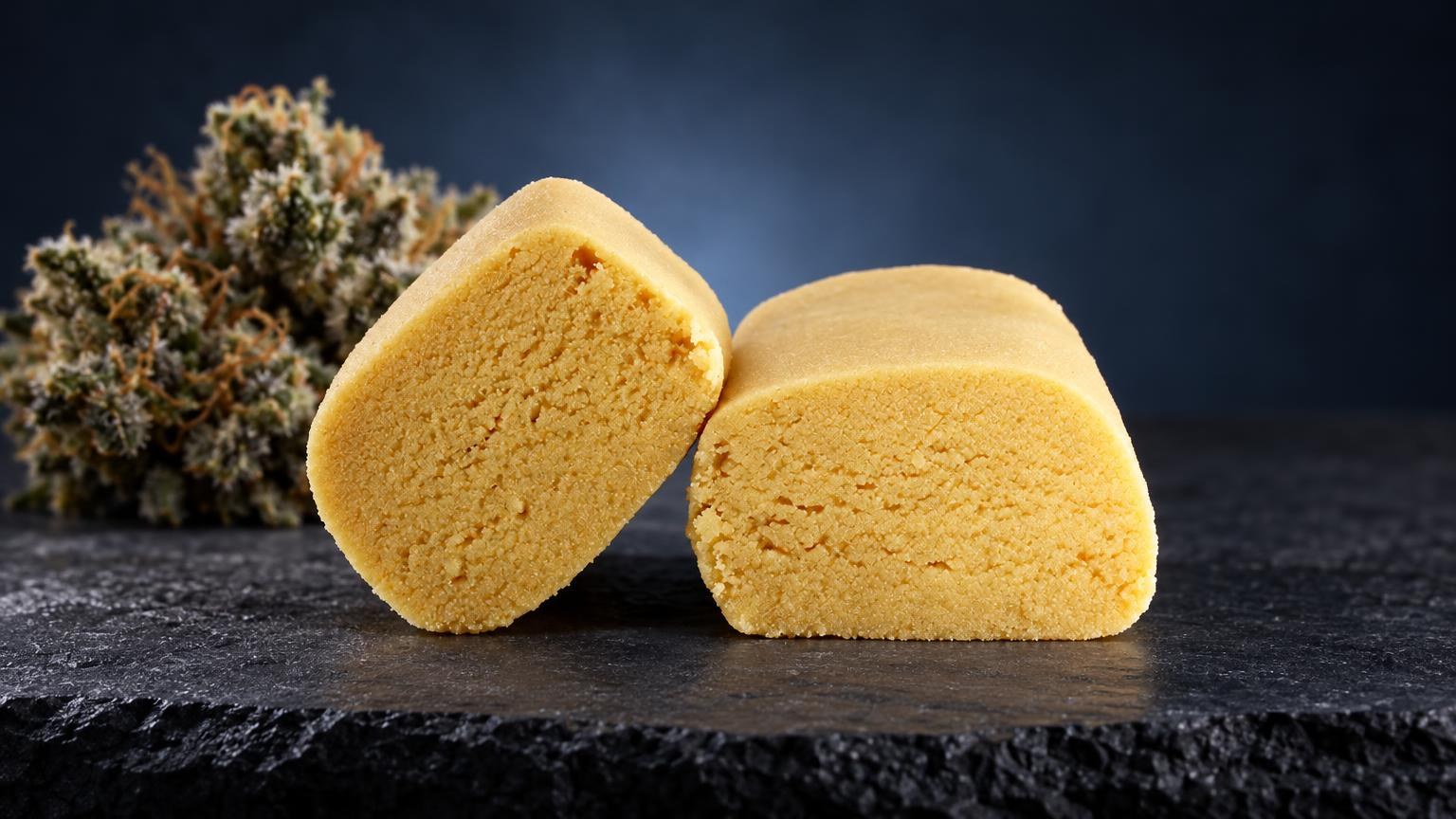
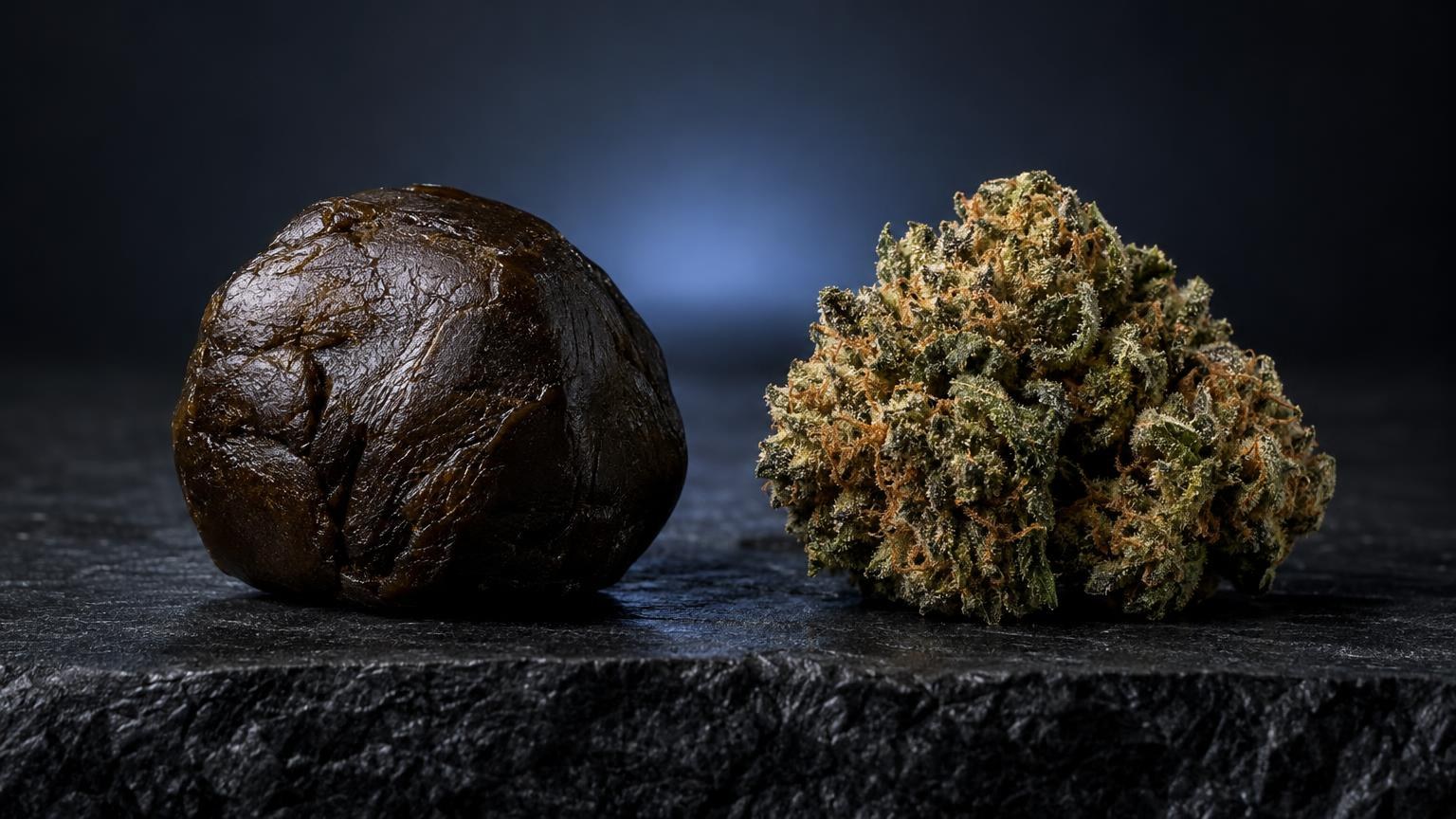
Piatella is a solventless hash, cold-cured for weeks from full melt bubble hash without heat or pressing, giving it a creamy texture and fresh terpene profile. The name, derived from the Italian word piatto meaning flat, reflects its thin patty shape, while Spliff’s selection results page lets you compare the CBD and THCX versions before choosing.
Contents9 sections
- What is piatella hash?
- How piatella is made: the cold cure, step by step in principle
- Where piatella comes from, and why the name
- Piatella vs rosin, bubble hash and pressed hash
- How to recognise real piatella
- How to store piatella so it stays creamy
- Piatella at Spliff
- Conclusion
- Frequently asked questions
Piatella (also spelled piattella) is a solventless hash made from high quality full melt bubble hash, washed from plants frozen fresh at harvest, then sealed and cold-cured for weeks instead of being heated or hot-pressed.
That missing heat is what defines it. This guide covers how cold curing works in principle, where the format comes from, how it compares with rosin and pressed hash, and how to recognise and store genuine piatella hash.
Adults only, in countries where these products are permitted.
What is piatella hash?
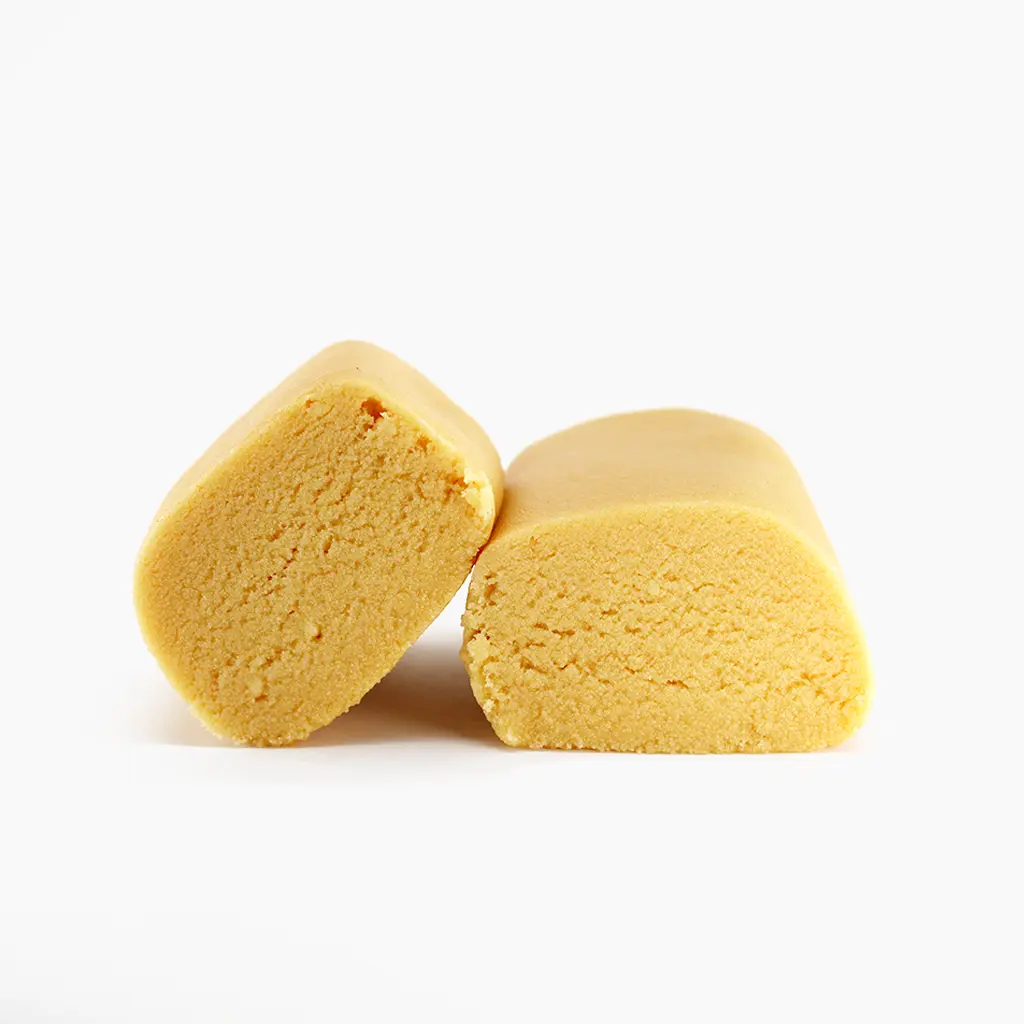
Piatella is a solventless hash made by cold curing high quality full melt bubble hash, the ice water extract washed from cannabis frozen right after harvest. Instead of being dried with heat or hot-pressed, the resin is sealed and left to mature at low temperature. That gives piatella its creamy body and a terpene profile close to the fresh plant. West Coast Cure (2024) describes it as a solventless, fresh frozen bubble hash.[2]
The fresh frozen starting point gets its own guide on frozen hash. Here, what sets the format apart is the curing itself, and you can see it in three traits:
- Texture: supple and almost buttery. It softens when handled instead of crumbling, closer to a thick paste than a hard slab.
- Aroma: intense and layered, carrying the full terpene spread of the wash with no toasted note on top.
- Curing: weeks in a sealed pack at a steady low temperature. Hash makers leave it to mature and do not rush it.
How piatella is made: the cold cure, step by step in principle
Getting from fresh frozen resin to piatella follows one rule: keep heat out at every stage. Trichomes, the resin glands of the cannabis flower, are separated in ice water and freeze-dried, meaning moisture is removed under vacuum at sub-zero temperature instead of with warmth. The resin is then sealed airtight and left to mature in steady cold: West Coast Cure (2024) describes vacuum-sealed resin curing at 4 to 10 °C, with no temperature swings.[2]
The cold matters because terpenes, the aromatic compounds behind a hash’s smell, escape and degrade more readily as temperature rises. Booth & Bohlmann (2019) describe terpenes as the volatile compounds behind the plant’s aroma,[5] and Marchini et al. (2014) traced the characteristic smell of hashish to a compound formed during its manufacture.[6] In a one-year storage study, Milay et al. (2020) found 25 °C to be the least favourable temperature for cannabinoids and terpenes, compared with 4 °C and below.[3] A heat-free curing process therefore keeps more of the original aroma profile in the resin. This is a hash makers’ craft built on tightly controlled conditions, not a home project to copy.
Why does the cold cure make piatella so soft?
Piatella is soft because nothing in its making forces the resin into a dense, compacted block. Pressed hash is shaped by pressure, often with added warmth, which packs the trichome heads together and closes the structure. Piatella skips both steps.
During the cold cure, the freeze-dried resin rests sealed and undisturbed, so its oils settle evenly through the mass instead of being squeezed out or melted. Week after week, the loose full melt becomes a cohesive, supple paste. That creamy, almost buttery body you feel when you break a piece comes from patience rather than force.
Where piatella comes from, and why the name
That cold-first logic is usually credited to Barcelona, where hash makers around the city’s cannabis club scene looked for a way to keep fresh frozen resin intact without heat, as West Coast Cure (2024) recounts.[2] Who was first to make piatella is hard to verify, so treat any single founding story with caution.
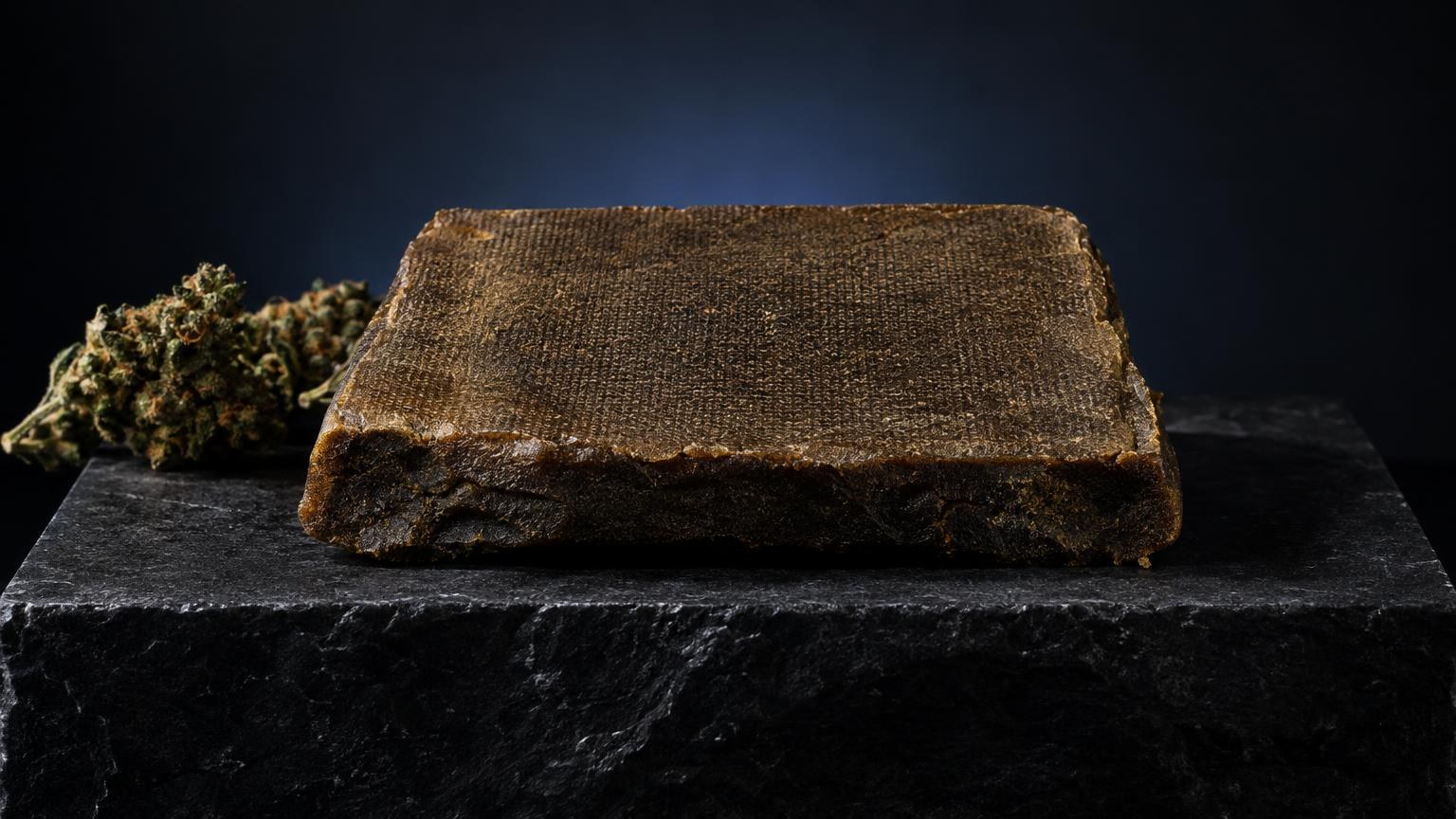
The name is easier to trace. It is derived from the Italian word piatto, meaning flat, a nod to the thin patty form hash makers let the resin cure in.
The spelling depends on where you read it. Piattella, with a double t, is the Italian form, while piatella is the version you will usually meet elsewhere. Both names refer to the same cold-cured resin.
Piatella vs rosin, bubble hash and pressed hash
Knowing where piatella comes from makes it easier to place on the hash map, and its three closest neighbours are where most of the confusion starts. The table compares process only, with no quality ranking.
| Format | Starting material | Heat used? | Texture | What defines it |
|---|---|---|---|---|
| Piatella | Full melt bubble hash from fresh frozen plants | No | Supple, creamy, buttery | Sealed, slow cold curing |
| Bubble hash / full melt | Trichomes washed in ice water | No | Granular, sandy, loose | Ice water separation alone |
| Rosin | Flower or bubble hash | Yes, with pressure | Sticky, sap-like to buttery | Squeezed out between warm plates |
| Classic pressed hash | Dry-sifted or hand-rubbed resin | Yes, often with pressure | Firm, softens when warmed | Shaped into blocks or temple balls |
Rosin is defined by heat and pressure, piatella by their absence. Both can start from the same bubble hash, but only rosin ever meets a press.
Piatella is not the same as bubble hash either. It begins as one, yet the cold cure reshapes its body and aroma, so a melt hash vacuum-sealed and left in a fridge for a few days does not qualify. Classic pressed hash and hand-rolled temple balls sit at the opposite end, shaped by warmth and pressure, and the wider family of hash styles has its own dedicated guide to types of hash.
How to recognise real piatella
The table shows what piatella should be on paper. In your hand, those same traits turn into signals you can check by sight, touch and smell.
- Colour: ivory, golden beige or light brown, never a chalky white.
- Touch: a slightly oily surface that leaves a faint sheen on your fingertips.
- Break: an even, homogeneous grain inside rather than a dusty crumble.
- Smell: fresh and rich as soon as the container opens.
Then read the label. A genuine piatella names its method plainly: ice water, fresh frozen, cold cured. Vague wording such as “premium hash” tells you nothing about how the resin was made.
How to store piatella so it stays creamy
Once a piatella passes those checks, your job is to keep it as the hash maker left it. Its creamy body and aroma come from the cold cure (see “How piatella is made: the cold cure, step by step in principle”), so warmth undoes this format far faster than it would a firm pressed block.
- Cold: a steady low temperature in the fridge, at the back rather than in the door, where temperature swings hit hardest.
- Airtight: keep it vacuum sealed, or in a small airtight container with as little air as possible. A vacuum sealer lets you restore the vacuum after each opening.
- Dark: an opaque box or a closed drawer, never a sunny shelf.
Piatella at Spliff
Keeping a piatella cold is half the job. Finding one made the cold way is the other half, and two products in our shop follow that logic. Our Piatella Hash is a CBD piatella, cold-cured, with a soft texture and earthy, spicy notes. It sits within our CBD hash range.
The second is the Piatella from our THCX range. THCX is a trade name, not a molecule: every batch is lab-tested for classified molecules and none are detected.
At EU level, the European Commission sets a THC limit of 0.3% for hemp under the common agricultural policy, a rule for the plant that does not settle the status of finished products country by country.[4]
CBD is not a medicine and is not a substitute for medical advice or treatment. If in doubt, consult a healthcare professional.
Conclusion
Whichever version you choose, piatella comes down to one idea: resin washed in ice water, cured in the cold, never heated or pressed. That restraint is what keeps its creamy body and aroma intact. It is also why the fridge, not a warm shelf, is where it belongs.
To see that logic in a finished CBD hash, start with a cold-cured CBD piatella. At Spliff, these products have 214 reviews with an average rating of 4.9/5.
Frequently asked questions
What is piatella hash?
Piatella hash is a soft, solventless resin made from ice water hash that matures sealed in the cold instead of being dried with heat or pressed. Hash makers leave it for weeks at a low, steady temperature, and the result is a pliable, creamy paste with a fresh aroma, sold in flat slabs.
Is piatella the same as bubble hash?
Not quite. Piatella starts as a high grade bubble hash, but it only becomes piatella after weeks of sealed cold curing. Plain bubble hash stays granular and sandy; the cure turns the same resin into a cohesive, buttery mass. Every piatella began as bubble hash, while most bubble hash never becomes piatella.
What is the difference between piatella and rosin?
Rosin is squeezed out of flower or bubble hash between warm plates, so heat and pressure define it. Piatella uses neither: the same ice water resin is sealed and cured in the cold. Rosin tends to look like a glossy sap, while piatella stays matte, creamy and easy to work with at hand temperature.
Why is piatella so soft?
Piatella is soft because it is never compacted by a press or dried with warmth. During the cold cure, the resin rests undisturbed and its natural oils spread evenly through the mass, binding the loose trichome heads into one supple paste. Warmth later makes it sticky, which is why it is handled cold.
How do you store piatella?
Store piatella in the fridge, in its vacuum pack or a small airtight container with as little air as possible, inside an opaque box. Keep it at the back rather than in the door, take out only what you need, and reseal straight away. Repeated warming and opening dry it out and fade its aroma.
Sources
- West Coast Cure (2024), The Rise of Piatella: Artisanal Hash from Barcelona — origin, ice water extraction, freeze-drying, cold cure at 4 to 10 °C — wcc.com
- Milay, Berman, Shapira, Guberman & Meiri (2020), Metabolic Profiling of Cannabis Secondary Metabolites for Evaluation of Optimal Postharvest Storage Conditions, Frontiers in Plant Science — 25 °C the most unfavourable storage temperature vs 4, −30 and −80 °C — pmc.ncbi.nlm.nih.gov
- European Commission, Hemp: CAP rules, THC content of hemp not exceeding 0.3% — agriculture.ec.europa.eu
- Booth & Bohlmann (2019), Terpenes in Cannabis sativa: From plant genome to humans, Plant Science 284 — pubmed.ncbi.nlm.nih.gov
- Marchini et al. (2014), Multidimensional analysis of cannabis volatile constituents: a volatile marker of hashish formed during manufacture, Journal of Chromatography A — pubmed.ncbi.nlm.nih.gov