 Written by Sophie Clarke
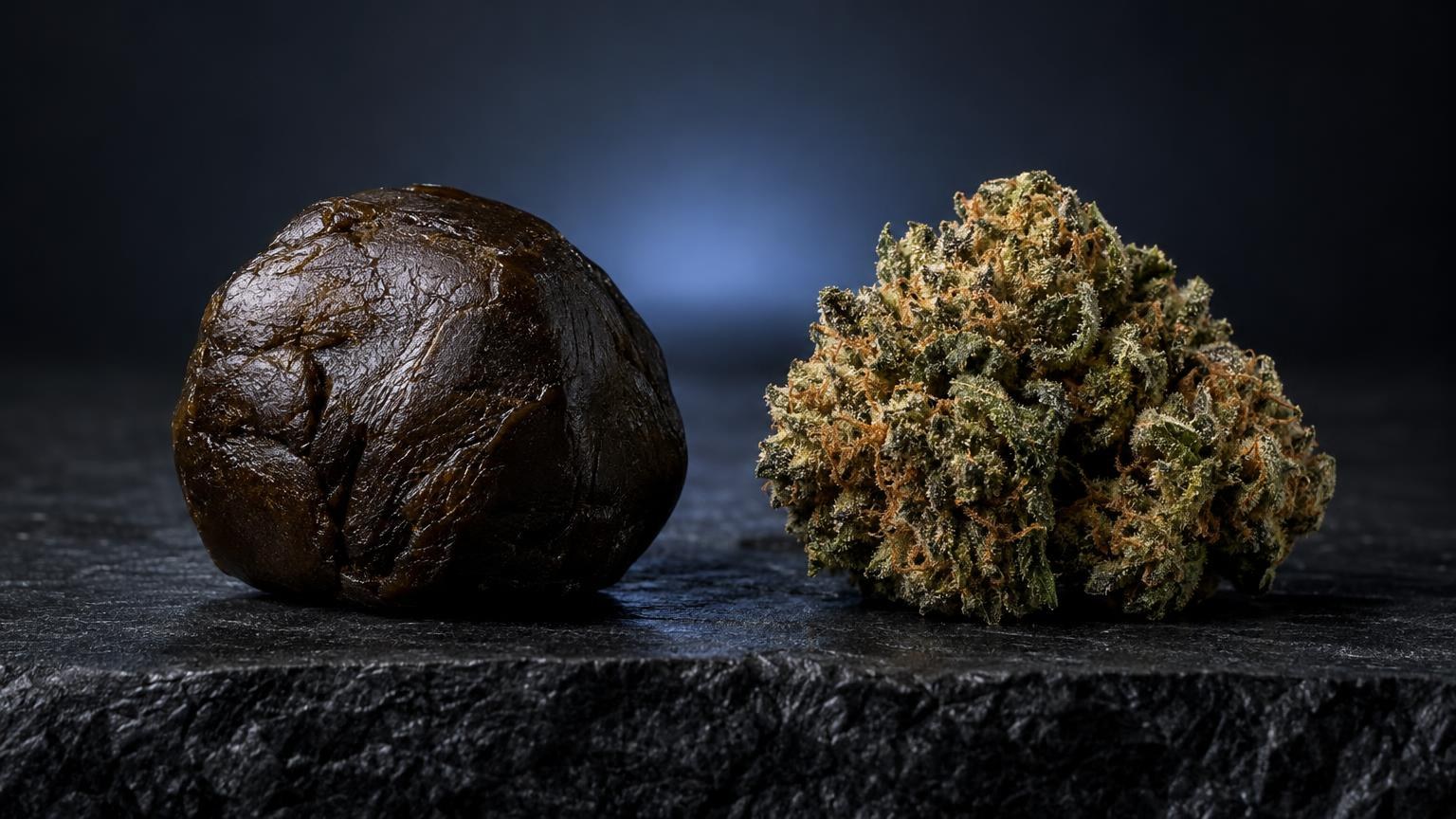
Hash and weed come from the same cannabis plant and share identical cannabinoids, but hash is a concentrated form of cannabis, so gram for gram it usually packs more THC[4]. The real hash vs weed high difference lies in dose and format, not in a different substance, with short term effects shared across both.
Hash THCX at Spliff · from €5.90/g · ★ 4.9/5 (512 reviews)
72 h delivery in Europe · Free delivery from €99
Contents6 sections
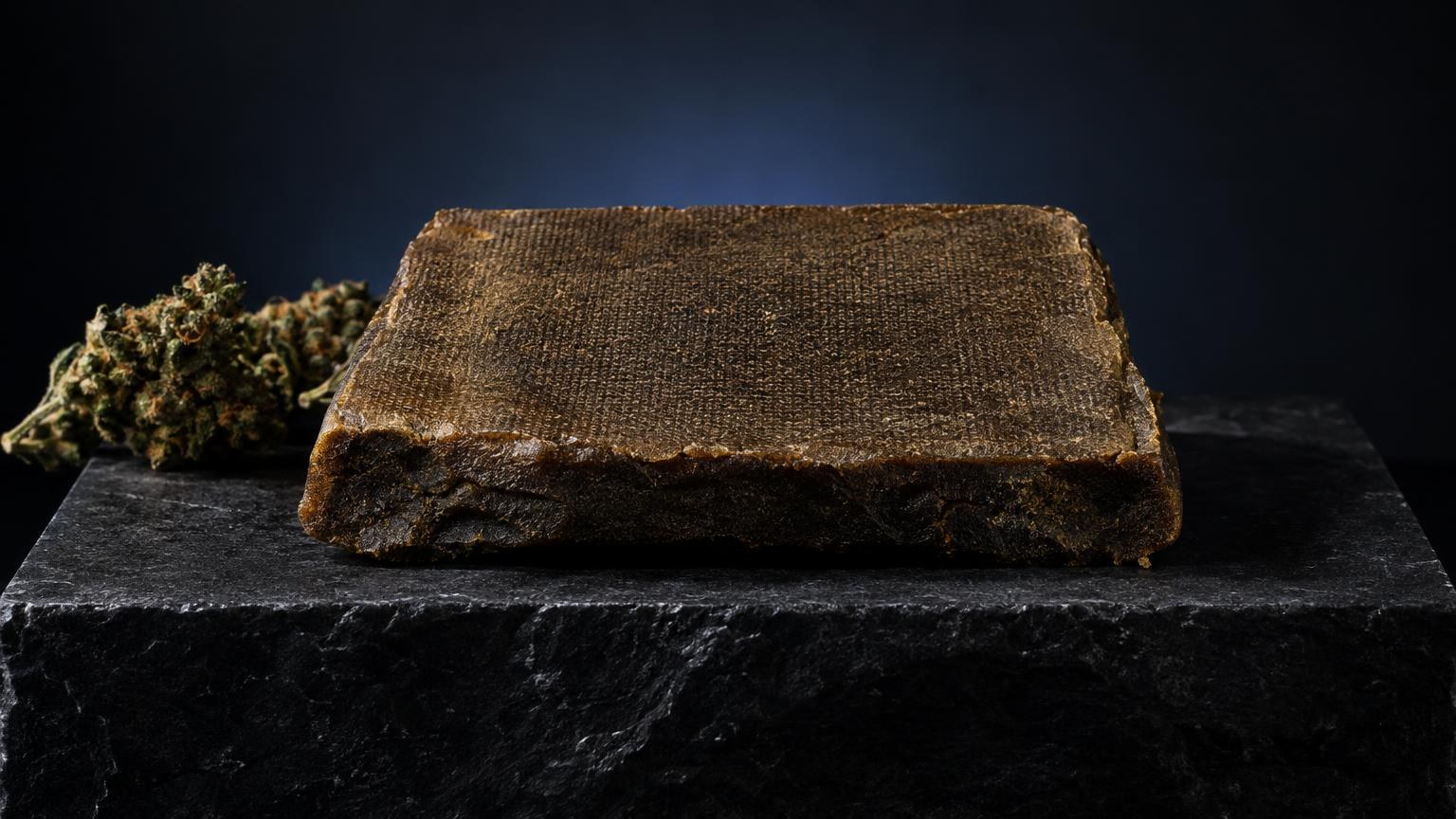
The hash vs weed high difference is mostly a matter of concentration: hash is a concentrated form of cannabis made from the resin glands called trichomes, so gram for gram it usually carries more THC and other cannabinoids than the flower of the same cannabis plant.
Both come from the cannabis plant, and both contain the same cannabinoids. Think espresso versus filter coffee: same bean, different extraction, with hash playing the role of the concentrate. Hash isn’t a different kind of high, it’s a more potent package of the same plant.
So the real question isn’t which one wins, it’s how much you take and in what form. A potent product doesn’t automatically mean a bigger high if you use less of it. The potency per gram printed on a label is one number, and the potency of your session is another.
Below, you’ll learn how to read those labels, which variables change how strong the effect feels, and what the sources say about short-term risks. Then comes a practical way to pick a format that fits your cannabis use, especially if you’ve only known using marijuana flower.
Does hash get you higher than weed?
Usually, yes, gram for gram. Hash is a concentrated form of cannabis, so one gram tends to hold more cannabinoids than one gram of flower. The high you feel, though, depends on how much THC reaches you in a session, not on hash being a different substance. A smaller amount of hash can match a bigger amount of weed.
How much more concentrated is hash than flower?
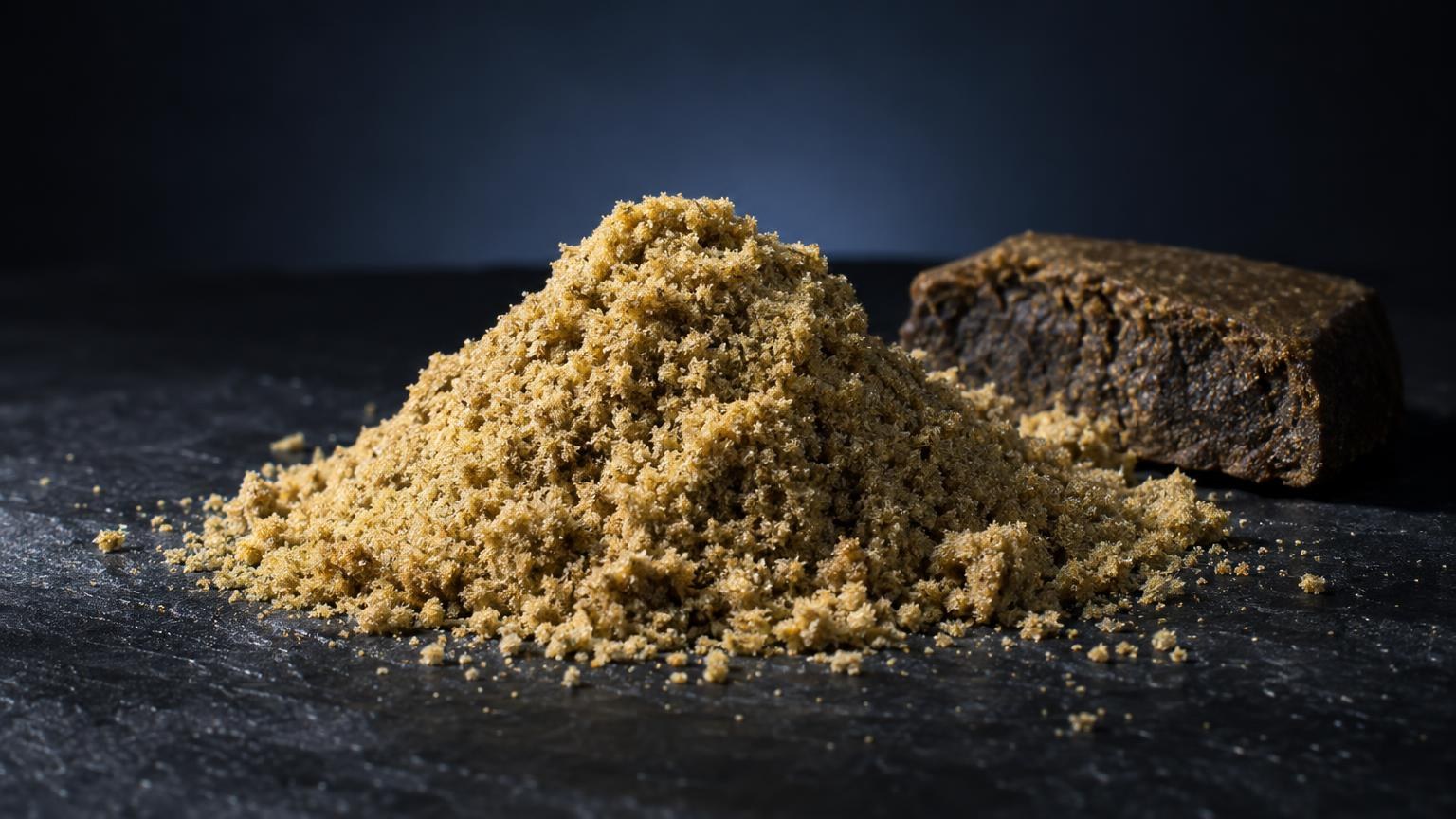
There’s no single multiplier, because “hash” covers everything from soft, traditional pressed resin to dense modern extractions. Its strength comes from what goes into it: the resin glands called trichomes, which the cannabis plant grows on its flowers, separated from most of the leafy material that dilutes a bud. That’s why most cannabis hash shows a higher concentration of cannabinoids than the flower it came from.
The ranges also swing for another reason. Not every hash is a THC heavyweight: in hash, CBD levels are generally higher and THC tends to be lower, at a relative ratio of about one to one[5]. The only number worth trusting is the one on the label of the piece you’re actually buying.
How do you compare a hash label with a flower label?
Read the percentage as cannabinoid weight per gram, then multiply it by the amount you’ll actually use. A product with double the percentage, taken at half the amount, delivers the same dose. In practice, that’s the real hash vs weed high difference.
The same logic applies to THC, CBD or THCX figures, whether the form of cannabis is a bud or a block of cannabis plant resin. THCX is a trade name, not a molecule: every batch is lab-tested for classified molecules and none are detected.
Thinking in milligrams matters because small amounts already count. Inexperienced users who take in a large amount of THC may feel sick, paranoid and quite anxious[5]. Over the long run, regular heavy use also carries the dependence risk covered earlier.
What changes how strong hash feels compared to weed?
Four levers shape how strong hash feels next to weed: how much you use, whether it’s pure or mixed, the format, and your own tolerance. The label sets the ceiling, but the amount that actually reaches you in one session drives the psychoactive effects you notice, which is why the gap shifts from one session to the next.
The label is only your starting point. For scale, a national study on hashish use notes that a typical joint holds only 0.5–5% THC, while hashish tends to sit at 2–20%, with some estimates as high as 50%[4]. That spread is wide, so the hash vs weed high difference depends heavily on which hash you hold.
- Amount: a pinch of resin is not a gram of flower. The way people use cannabis matters here: many misjudge their first hash because they size it like weed.
- Mixing: hash crumbled into flower, or hash mixed with tobacco in a joint, spreads the concentration out. Used pure, the same piece delivers it all at once.
- Format: soft resin, crystal-style extracts and pre-rolls each package a different dose per session.
- Profile: aroma, terpenes and texture tell you about quality and style. On their own, they don’t tell you how strong the high will be.
Then there’s you. Tolerance varies a lot, so the same product used the same way won’t land identically for two people. On paper it reads hash stronger, weed milder, but your amount and format decide how the effects actually feel.
What are the short-term effects and mental health risks of hash use?
Hash produces the same kind of short-term effects as any cannabis. According to the WHO, THC is the major psychoactive constituent of cannabis[2]. On the risk side, the hash vs weed high difference comes down to dose: a concentrated form of cannabis makes a large amount of THC easier to take without noticing, and large amounts are where unpleasant reactions show up.
Short-term effects, including the cognitive and coordination impairments mentioned earlier, apply whatever the format. Hash doesn’t add a new category of effect. What it changes is your margin for error.
The main mental health concern here is the sick, paranoid, anxious reaction already described for inexperienced users who overdo THC. With resin, a crumb that looks harmless can be the bigger dose. That’s why mental health risks track the amount you actually take, not the label on its own.
For long-term use, the core issue is the dependence risk noted earlier. Developing cannabis use disorder means use slipping out of your control, and a denser format doesn’t make that easier to spot. If that sounds familiar, or you have questions about recovery or approaches like cognitive behavioral therapy, a healthcare professional is the right person to talk to.
For adults only (18+). CBD is not a medicine and is not a substitute for medical advice or treatment. If in doubt, consult a healthcare professional.
Hash or flower: picking the right strength for you
With the levers and the risks in mind, choosing comes down to your starting point. Our stance is clear: if flower is what you know, begin with the lowest concentration or a pre-roll, not the strongest of the resin concentrates available.
Where do Golden Hash and Kashmir Hash sit on the scale?
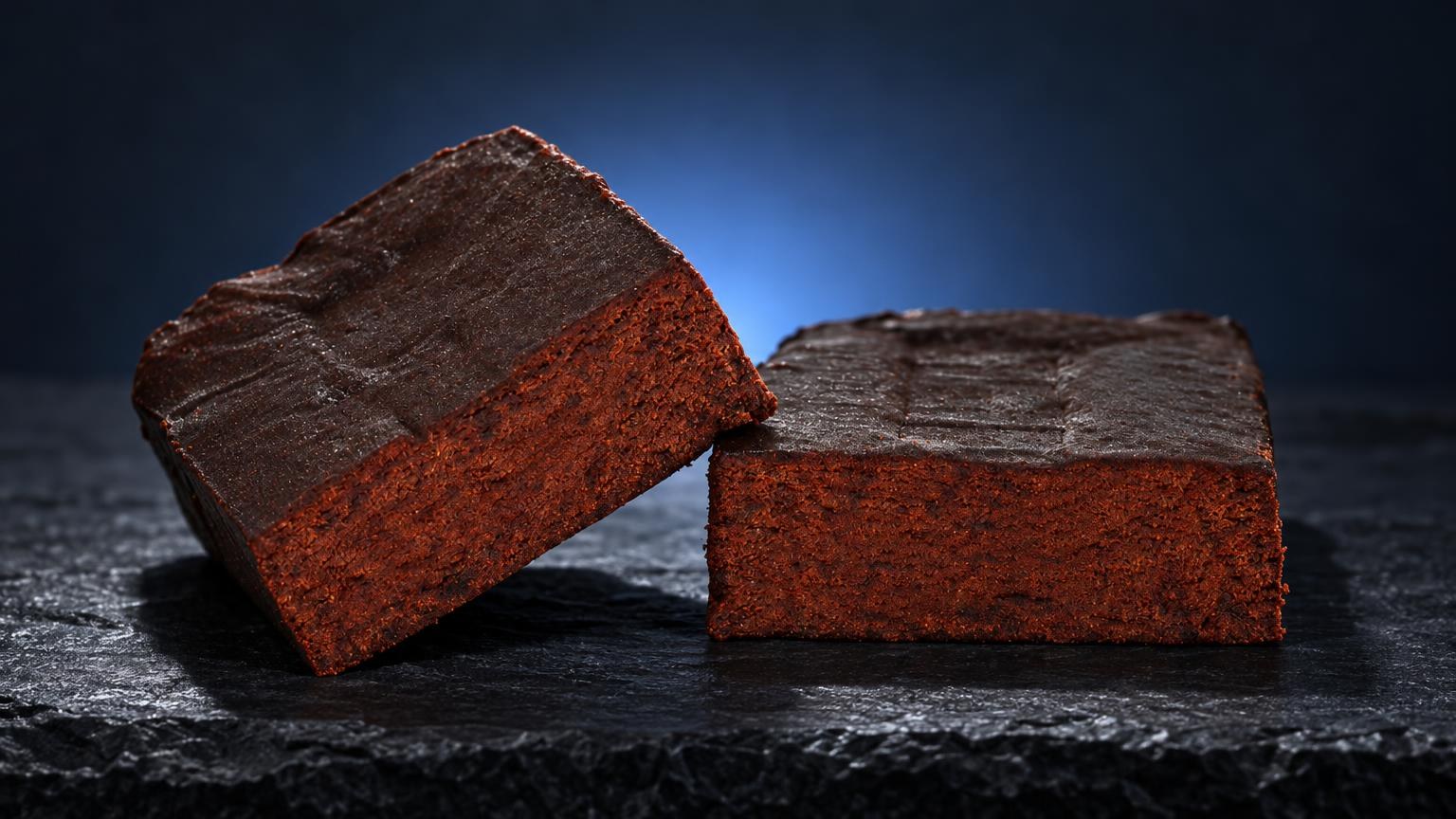
Golden Hash 30% THCX is the entry step of the resin range. Kashmir Hash 60% THCX sits at the top, with twice the displayed strength in the same resin format. THCX is a trade name, not a molecule: every batch is lab-tested for classified molecules and none are detected.
Coming over from weed, the golden hash is the sensible first buy. It lets you feel the hash vs weed high difference without jumping straight to hashish in its most concentrated form. Both products show today’s price on their product card.
Is a hash pre-roll a good middle ground?
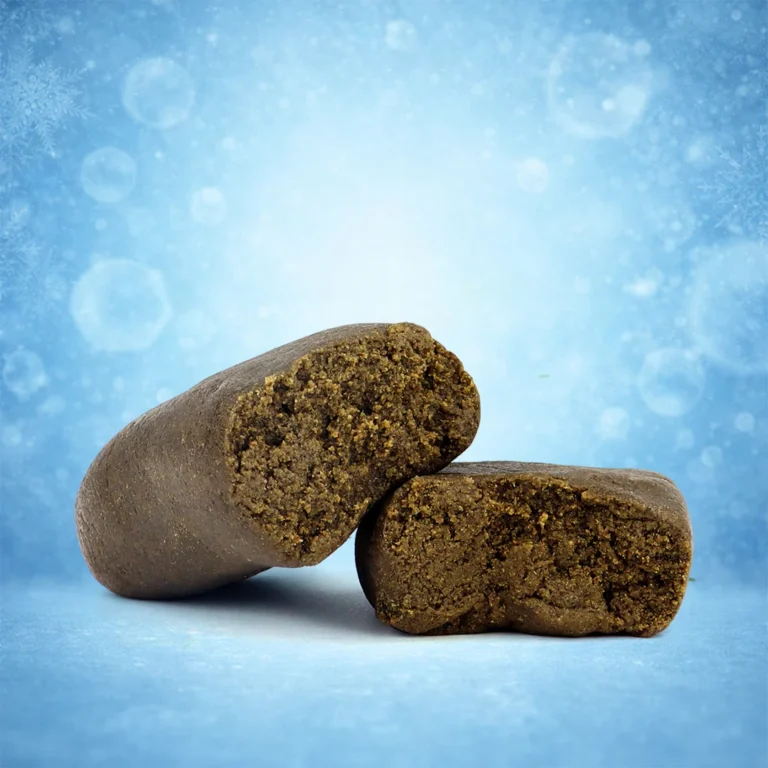
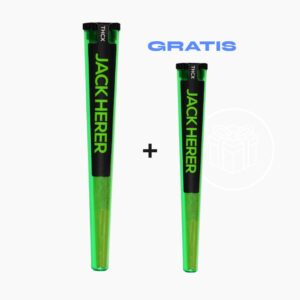
Yes. If you want to try hash use without crumbling, warming or portioning resin yourself, a pre-roll is the easiest way in. The Royal Hash pre-rolled THCX joint comes ready to go, so the amount per session is fixed for you instead of guessed from a lump of hashish.
If you’ve been searching for a THX pre roll, this is the format that matches. Golden Crystal is the other route around sticky resin, a crystal format that’s simpler to handle and measure. Whichever you pick, the dependence and addiction risk covered in the risks section stays just as relevant.
To compare every strength side by side, browse the THCX hash collection. If you’d rather leave THCX aside, the CBD hash range is where to look.
Conclusion
Strip away the labels and the hash vs weed high difference fits in one line: the same plant, with more THC packed into resin than into the dried leaves and buds you’d usually roll. Whatever the etymology suggests (hashish means grass, roughly), a resin never behaves like a pinch of flower. How much you use in one session decides the rest.
Let the percentage on the label set your pace, not your curiosity. If a session tips into anxiety or panic attacks, or you notice withdrawal symptoms when you skip a day, treat it as a signal, not a quirk. When use stops feeling like a choice, talk to a healthcare professional about your health, support and treatment options.
When you’re ready to compare formats side by side, browse the THCX hash collection or the CBD hash range.
Frequently asked questions
Is it better to smoke weed or hash?
Neither is objectively better: both come from the same cannabis plant and contain the same cannabinoids. Hash is simply a concentrated form, so a smaller amount delivers a comparable dose. The right choice depends on your tolerance and how precisely you want to control the amount of THC you take in.
When hash is swallowed instead of smoked, does the high feel different?
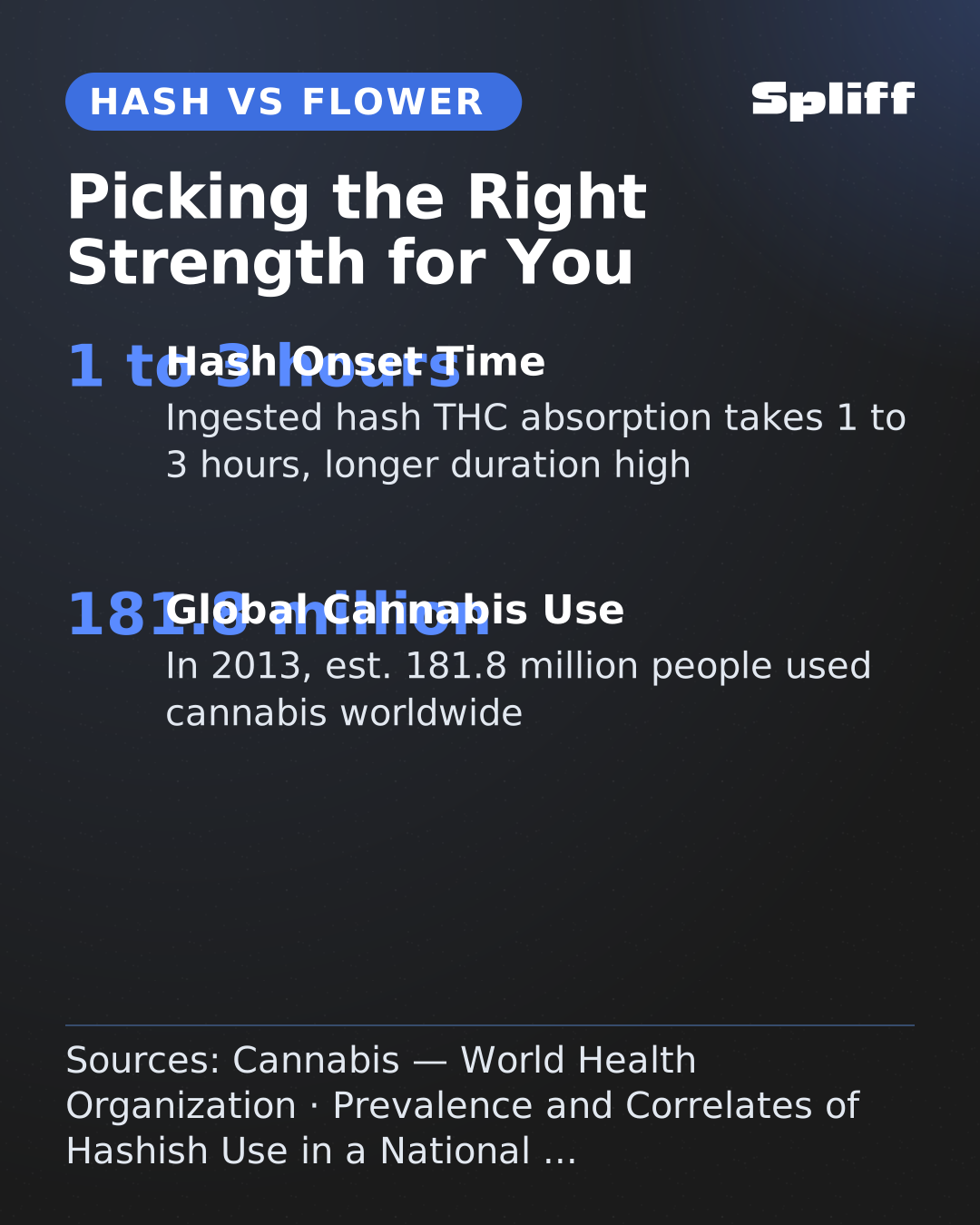
Yes. When hashish is ingested, THC absorption is slower, taking 1 to 3 hours to enter the bloodstream, and the result is a less intense high of longer duration[4]. This differs from smoking, where effects appear almost immediately and fade sooner.
Sources
- Cannabis — World Health Organization — www.who.int
- Prevalence and Correlates of Hashish Use in a National … — pmc.ncbi.nlm.nih.gov
- The science of high-potency cannabis — www.bbc.co.uk