 Written by Sophie Clarke
THCV effects are still poorly understood. The minor cannabinoid tetrahydrocannabivarin (THCV), a close chemical relative of THC, acts differently at cannabinoid receptors: it is described as a CB1 antagonist and a CB2 partial agonist[4]. Preliminary human trials hint at effects on appetite and glycemic control, but larger studies are needed to confirm efficacy and safety[4].
Contents7 sections
THCV effects refers to what tetrahydrocannabivarin (THCV), a minor cannabinoid of Cannabis sativa and a close chemical cousin of THC, does in the body. At low doses it’s reportedly mild or barely intoxicating, while higher doses may bring THC-like effects. Much of this is still being studied, and a good chunk of the early work comes from mice rather than people.
That’s why the popular “THCV non psychoactive” label is only half true.
The energy angle works the same way. The “clear-headed” and “sports weed” reputation comes mostly from marketing copy and strain descriptions, not from published human data gathered under controlled conditions.
This guide sorts the effects THCV gets credited with into three groups: what the sources say, what is only reputation, and what nobody knows yet. Then it shows you how to read a label and a lab report. Our take: treat THCV as a cannabis compound with a different profile from THC, not as THC without the effects.
What are THCV effects, and does THCV get you high?
THCV effects depend on dose and on how the molecule meets your receptors. Tetrahydrocannabivarin (THCV) is described as an antagonist at the CB1 receptor and a partial agonist at the CB2 receptor, unlike THC[4]. Small amounts are reported as mild, while a high THCV intake may feel closer to THC. Human data are still thin.
That receptor picture is why the “non psychoactive” label only half works when you put tetrahydrocannabivarin (THCV), THC and their effects side by side. Think of THC as a key that turns the CB1 lock, and THCV as a key that mostly sits in it without turning. The effects THC users know don’t simply carry over, but nobody can point to the exact dose where that changes, because human trials remain rare and small.
The energy question follows the same pattern. The “clear-headed” and “sports weed” reputation comes mostly from strain descriptions of THCV-rich Cannabis sativa varieties and from marketing copy. No study among the sources behind this article measures an energy effect from THCV.
- Sourced: a receptor profile that differs from THC[4].
- Reputation: energy, focus, “diet weed”.
- Unknown: the dose threshold for a high, plus long-term efficacy and safety in humans.
According to the WHO, studies report effects of cannabinoids on nausea and vomiting linked to advanced illnesses such as cancer and HIV/AIDS, but that data concerns cannabinoids in general, not THCV specifically[2]. Borrowing that evidence for THCV is a shortcut you shouldn’t take.
Our take: see THCV as a cannabinoid with a different profile, not as THC without the high.
How does THCV compare to THC in terms of effects?
THCV and THC are close chemical cousins that play at different tempos. THC is the reference intoxicant and is famous for the munchies. THCV effects are reported as milder at low doses, and its appetite reputation runs the other way, which is why it keeps popping up in marketing about potential weight management. That reversal is still a hypothesis, because human trials on THCV remain rare and small.
Two tracks in the same key: same chemical family, different rhythm. Being related on paper doesn’t mean they hit the same way.
| Cannabinoid | Reported psychoactivity | Appetite reputation | Level of evidence |
|---|---|---|---|
| THC | Intoxicating | The classic munchies | Widely studied |
| THCV | Mild at low doses, more THC-like effects as the dose rises | Opposite of the munchies (hypothesis) | Thin: few, small human trials |
| CBD | Not described as intoxicating | Decreased appetite is one of the common side effects reported for the CBD medicine Epidyolex[3] | Strongest: an approved medicine with documented side effects |
The “thcv appetite” story is the most marketed and least proven line in that table. Product copy also ties THCV to improved sustained attention or to obesity research, though larger-scale studies are necessary to confirm its clinical efficacy and safety[4]. Read both as reputation, not established fact.
Where does THCV come from in the cannabis plant?
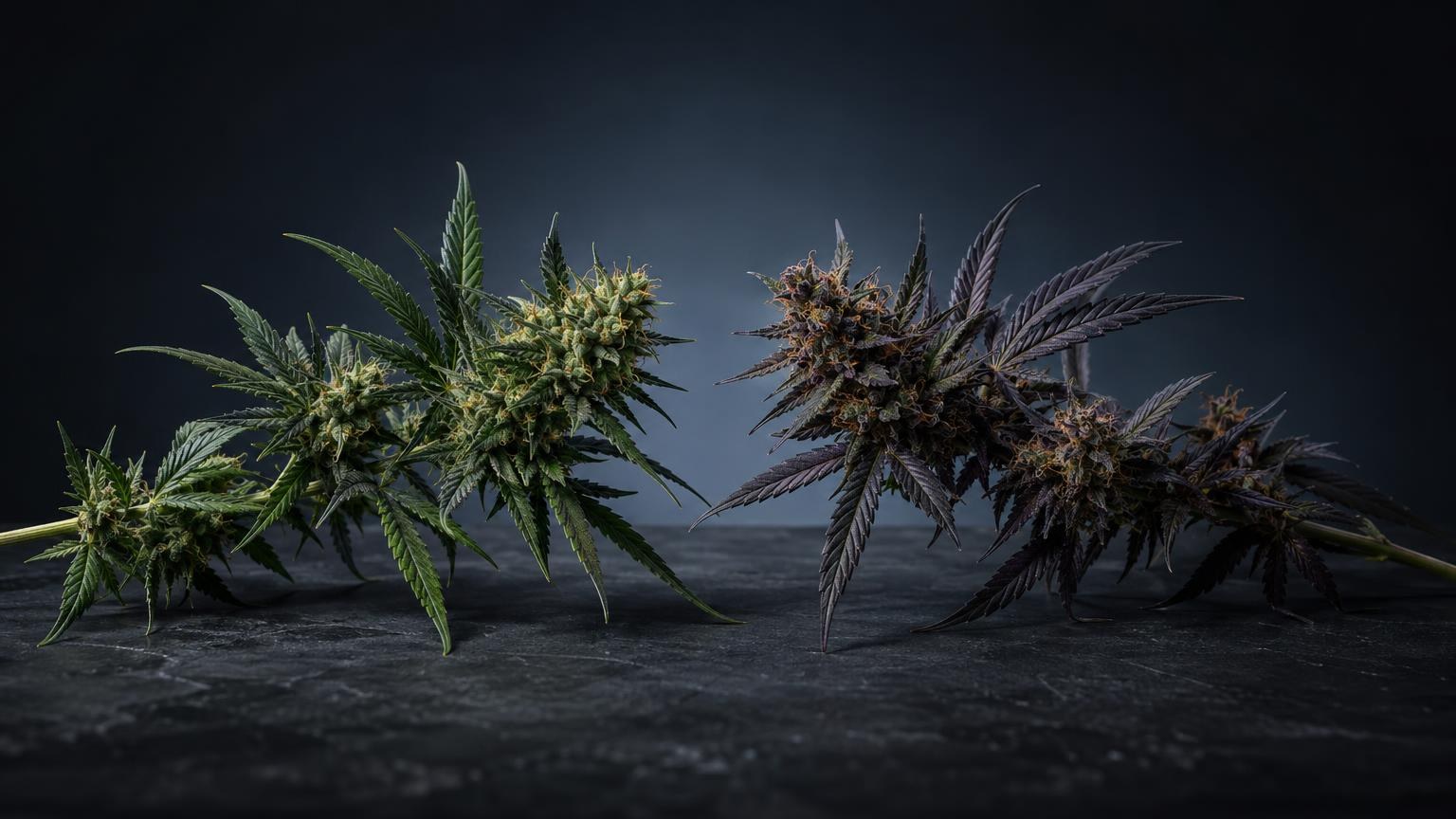
THCV runs on a parallel pathway to THC: a slightly shorter precursor gives the “V” versions of familiar cannabinoids, such as THCV, CBDV and CBGV.
In most flowers on the market, it stays a trace compound next to THC or CBD. That rarity matters when you shop: a “THCV” mention on a label tells you little unless a measured content backs it up.
What does research actually say about THCV, appetite and blood sugar?
A recent review says preliminary human trials suggest THCV may modulate appetite and glycemic control, but larger-scale studies are needed to confirm its clinical efficacy and safety[4]. In plain terms, it’s a signal worth watching. It is not a proven benefit for appetite, blood sugar levels or weight.
Two tracks keep coming up. The first is appetite: the “THCV appetite suppressing” idea links appetite suppression, weight and food reward aversion, meaning food might feel a little less rewarding. The second is metabolic: blood sugar levels, insulin sensitivity and insulin resistance, mostly in patients with type II diabetes.
Much of that groundwork comes from lab and animal models, and human trials remain rare and small. That’s the honest state of play. What the field would need is a run of large type II diabetes randomized double blind trials, and that evidence doesn’t exist yet.
Appetite suppressing effects are not the same thing as weight loss.
Same logic for type II diabetes: a shift in a lab marker isn’t a better-managed condition.
Our take on THCV potential is clear: interesting early signals, not a health product. When a label sells THCV effects as “diet weed”, you’re reading marketing copy, not medical cannabis evidence.
Is THCV safe to use?
Nobody can honestly call THCV safe or unsafe yet, because long-term human safety data are limited. Trials so far are few, small and short, so no side-effect profile specific to THCV has been established. Start low, don’t combine it with medication without advice, and check what the product actually contains.
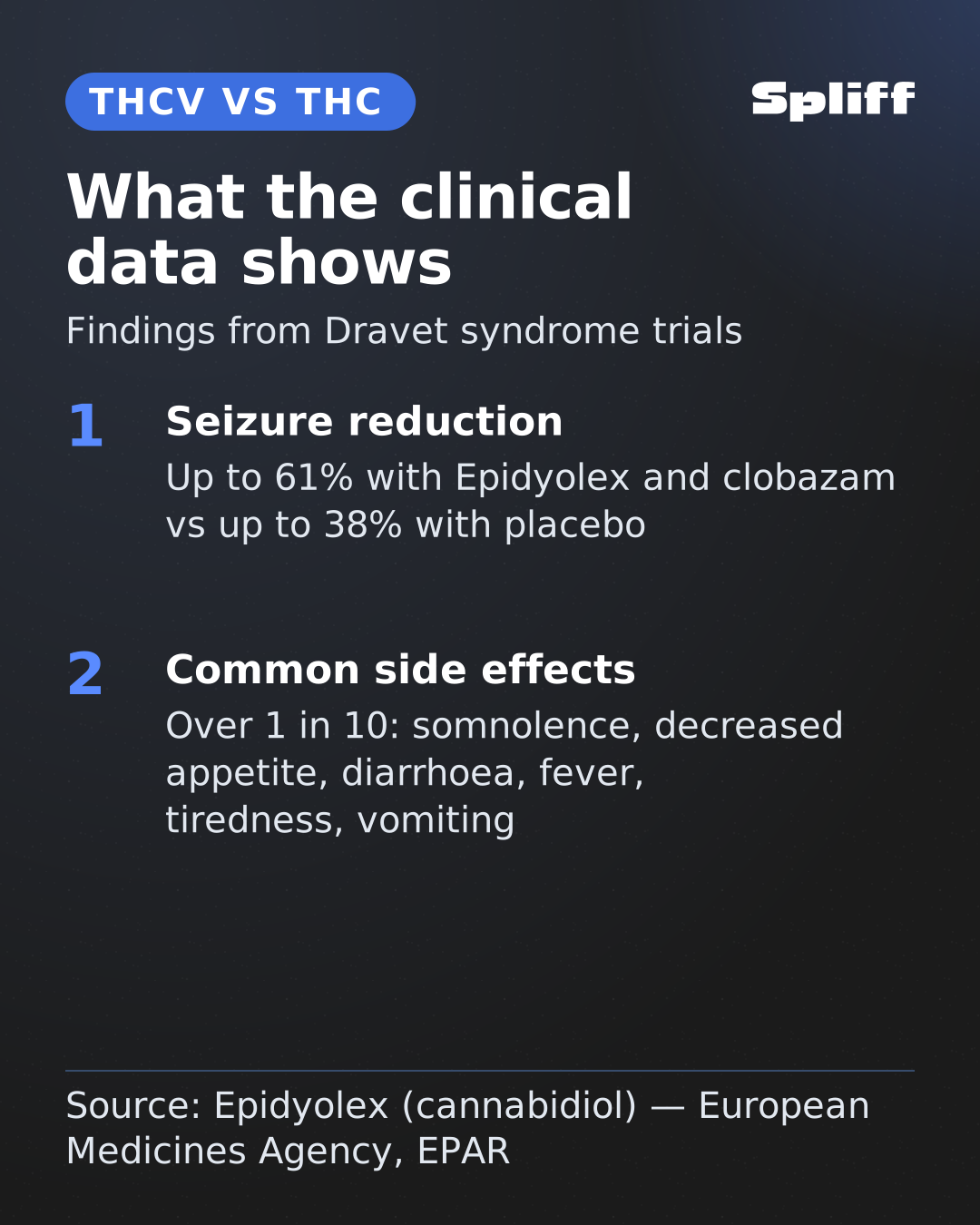
That evidence gap is the core of any safety question about thcv effects. For comparison, the European Medicines Agency’s assessment of Epidyolex, a CBD medicine, shows what formal medical evaluation looks like: according to the EMA, it is used alongside clobazam for patients from two years of age with Lennox-Gastaut or Dravet syndrome[3].
Until THCV gets that kind of scrutiny, a few points matter for your health:
- Medication: interaction data for THCV are scarce, so talk to a doctor or pharmacist first if you take any treatment.
- Individual sensitivity: everyone’s ECS (endocannabinoid system) responds in its own way, so the same product can feel quite different from one person to the next.
- Blends: many cannabis products mix several cannabinoids, so you may be reacting to the THC in the mix rather than to THCV. Heavy, frequent THC use is also linked to cannabis hyperemesis syndrome, a pattern of repeated vomiting, so persistent nausea is a signal to stop and get checked.
In practice, the biggest risk often sits on the label, not in the molecule. A product sold as “THCV-rich” can contain far less THCV than advertised, or more THC than expected. An independent lab analysis closes that gap.
For adults only (18+), and never drive or operate machinery after using cannabis products. CBD is not a medicine and is not a substitute for medical advice or treatment. If in doubt, consult a healthcare professional.
Choosing a THCV or THCX product: what to check before you buy
Most cannabis products contain several cannabinoids at once, and a quick Google search shows plenty of packs shouting “THCV” with no figure behind the word. The numbers are what you’re actually buying.
What should a THCV lab report show?
A trustworthy report shows a measured THCV figure, not just the word on the packaging. Run down these lines:
- The lab’s name, ideally an independent third party rather than the brand itself.
- An analysis date and a batch number that match the product in your hand.
- A figure for each cannabinoid: THC, cannabidiol (CBD) and THCV each on their own line.
- Residual solvents, especially for extracts and vape oils.
If THCV reads “ND” (not detected) or isn’t listed, don’t count on THCV effects, whatever the box says. A label hinting at reduced glucose intolerance or help with diabetes is marketing copy, not a lab result.
THCX is a trade name, not a molecule: every batch is lab-tested for classified molecules and none are detected. So a THCX product isn’t a THCV product, and you shouldn’t read a THCV content into it. The lab analysis of each batch is available on request from customer service.
Vape pod or live rosin pod: what’s the difference?
Choose live rosin if aroma comes first, and a standard pod if you want a smooth, consistent hit. Standard pods run on a refined oil, clean and uniform, where consistency matters more than nuance.
Live rosin is pressed with heat and pressure instead of chemical solvents, so it keeps more of the plant’s original terpene profile and has a thicker, richer texture. Think fresh-pressed juice versus the filtered carton.
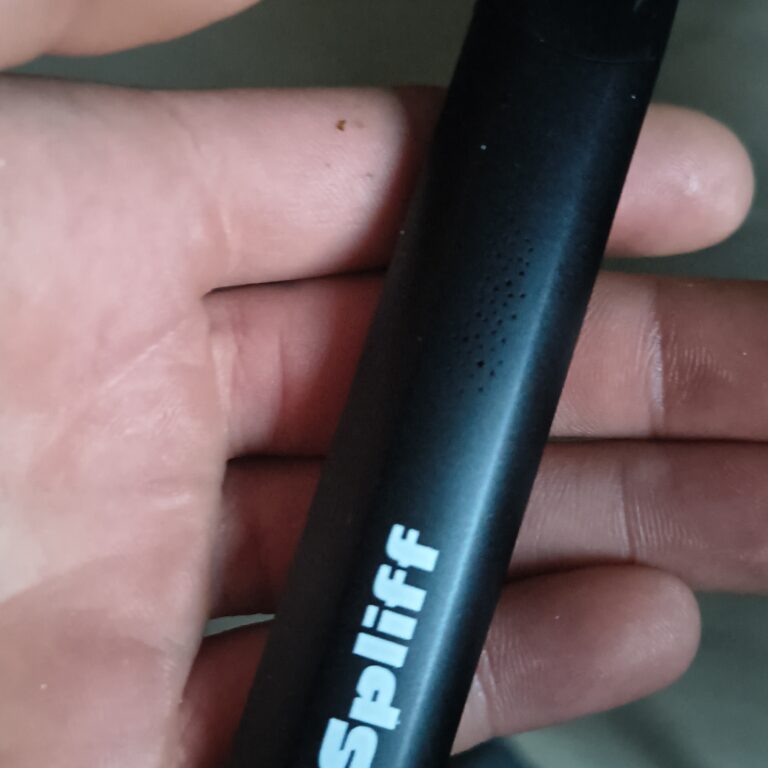
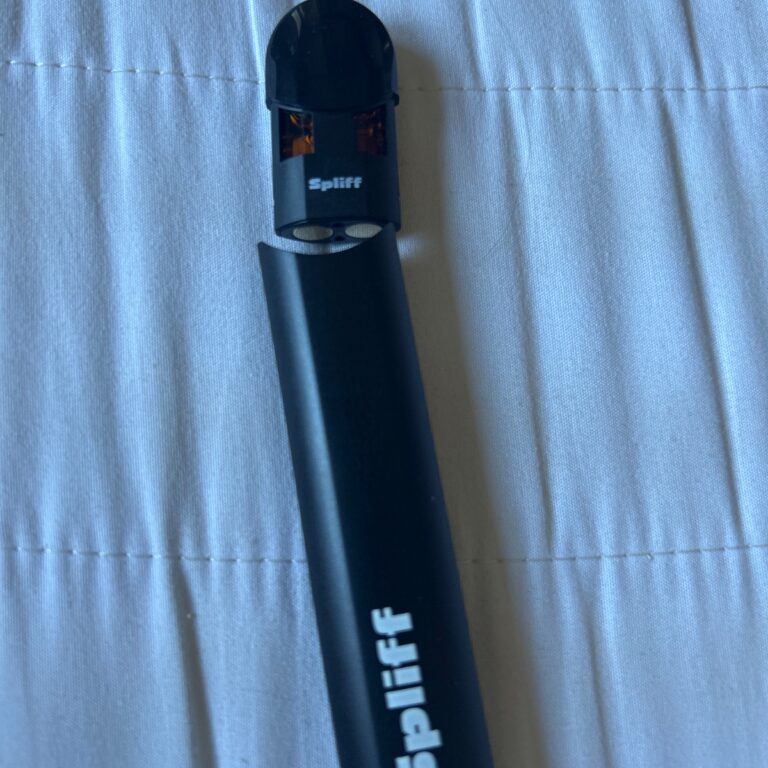
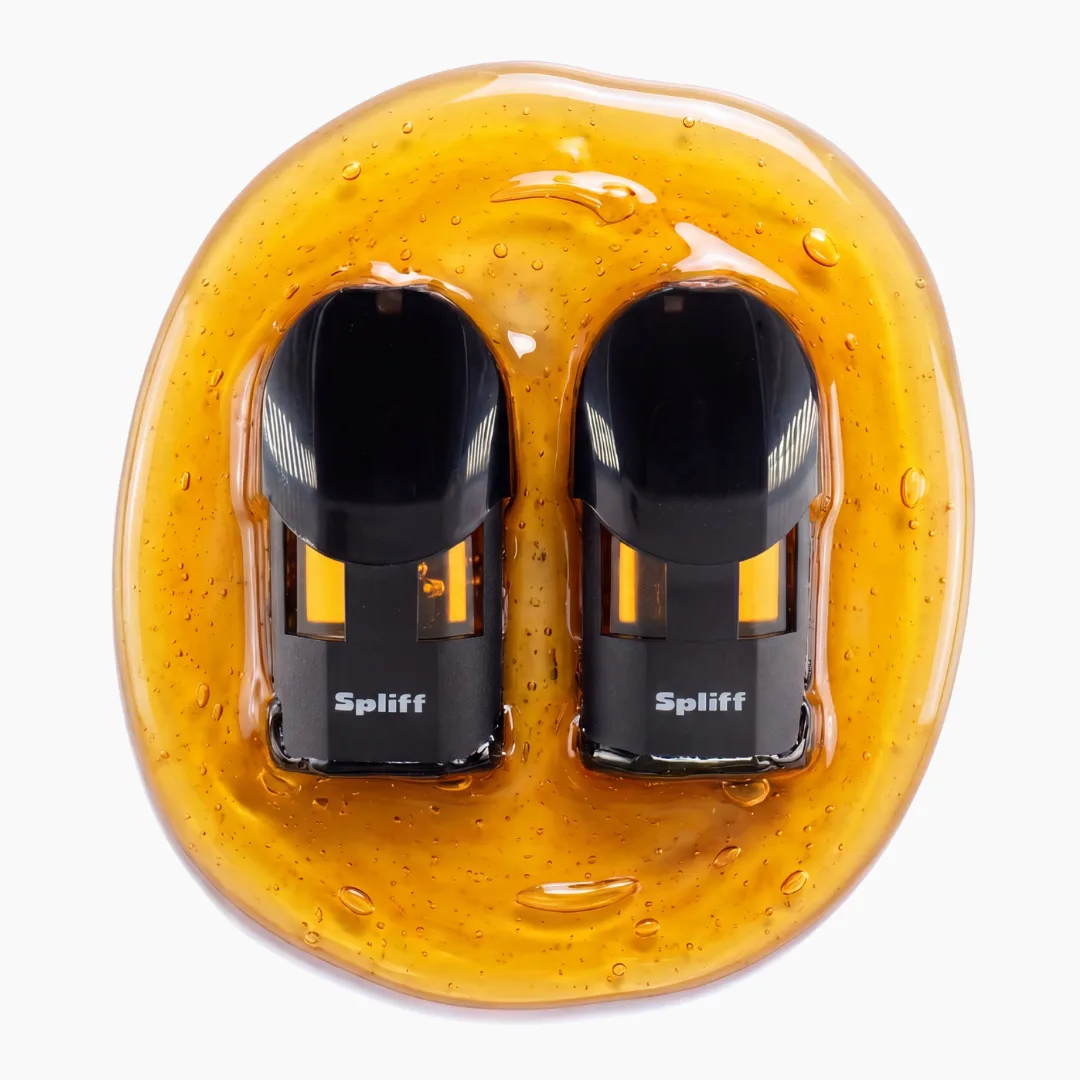
At Spliff, both styles sit in the THCX range: Magic Pod x2 for the classic pod, Magic Pod Live Rosin x2 for the terpene-forward version, and Magic Vape in the same line. None of them is sold as a THCV product.
Conclusion
Once the lab report checks out, what’s left is setting the right expectations. THCV effects remain a dose story with thin human data behind it, so treat this minor cannabinoid as one with potential worth following closely, not a shortcut to promised benefits. The metabolic and glucose questions stay open until larger trials report back.
For everyday use, the logic is simple. If you want the classic profile, look at products built around THC or a THC CBD balance, and read the measured figures with care. If THCV is the reason you’re buying, the lab-measured figure is the only proof that counts.
Frequently asked questions
Can THCV cause anxiety?
Human trials on THCV remain rare and small, so no specific anxiety profile has been established. What’s known is its distinct receptor action, as an antagonist at CB1 and partial agonist at CB2, unlike THC[4].
Does THCV provide energy?
No source confirms an energy effect specific to THCV. The “clear-headed” or “sports weed” reputation comes mainly from strain descriptions and marketing copy rather than measured data. What research does support is that THCV may modulate appetite and glycemic control, though larger-scale studies are needed to confirm clinical efficacy and safety[4].
Sources
- Cannabis — World Health Organization — www.who.int
- Epidyolex (cannabidiol) — European Medicines Agency, EPAR — www.ema.europa.eu
- The role of tetrahydrocannabivarin (THCV) in metabolic disorders: A promising cannabinoid for diabetes and weight management – PMC — pmc.ncbi.nlm.nih.gov