 Written by Sophie Clarke
The effects of weed on the body start with THC binding to receptors, raising heart rate and lowering blood pressure while impairing cognitive and motor function[4]. National Institute Drug Abuse and National Institutes Health research links frequent, strong-THC use to cannabis use disorder, a recognised substance abuse mental health diagnosis, while CBD remains non-psychoactive[7].
Contents7 sections
The effects of weed on the body refers to what THC, the main psychoactive cannabinoid in cannabis, does once it binds to your cannabinoid receptors. Within minutes, it can speed up your heart rate, redden your eyes, dry out your mouth, wake up your appetite and slow your coordination and reaction time.
Picture THC as a key sliding into a lock your body already has. CB1 receptors sit mostly in the brain, which is why perception, mood and short-term memory shift. CB2 receptors sit mainly in the periphery, around the immune system.
This guide covers the short term effects of cannabis, how timing changes with the format you buy (smoke, vape, edibles), the long-term risks flagged in peer-reviewed reviews (several of them open access on PMC), and how THC, CBD and THCX differ.

What are the effects of weed on the body?
Within the first hour, THC binds to your CB1 receptors, and the effects of weed on the body can show up fast. Commonly reported signs include a quicker heartbeat, red eyes, a dry mouth, sudden hunger, looser coordination and slower reactions, though not everyone feels all of them. These short-term effects fade as THC levels drop, and how strongly you feel them depends on the dose, the format and your own tolerance.
Those signals come from a receptor system that reaches well beyond your head. That’s why the effects of weed on the body feel physical as much as mental.
THC tends to switch hunger on. Yet the European file on Epidyolex, a CBD-based medicine, flags decreased appetite as one of its common side effects[3].
According to that EPAR, side effects affecting more than 1 in 10 people include somnolence, decreased appetite, diarrhoea, fever, tiredness and vomiting[3]. “Weed” isn’t one switch: THC and CBD can push the same function in opposite directions.
One thing to keep straight: the CBD you buy in a shop isn’t Epidyolex. CBD is not a medicine and is not a substitute for medical advice or treatment. If in doubt, consult a healthcare professional.
Your gut sits on that circuit too. According to the WHO, several studies have reported effects of cannabinoids on nausea and vomiting in patients at advanced stages of illnesses such as cancer and AIDS, within a supervised medical setting[2]. That’s medical use, not a casual evening session.
Keep one distinction in mind: short-term effects play out over hours and fade, while long-term effects build up over months of regular use, a different conversation from what your heart and eyes do tonight.
Does smoking, vaping or eating cannabis change how your body reacts?
Yes, mostly on timing. The effects of weed on the body depend a lot on the route. Smoking cannabis or vaping sends THC and other cannabinoids through your lungs into your blood, so effects arrive within minutes and fade sooner. Edibles and gummies have to be digested first, so they generally start later and tend to stick around longer. The format changes when you feel it and for how long far more than what you feel.
The effects of weed on the body stay recognisable whatever the route: a faster heart rate, lower blood pressure and dulled cognitive and motor function[4]. What shifts is the curve. Inhalation is a track that drops the beat in the first bar, while an edible is a slow build that keeps going long after you’d expect the outro.
That tail can outlast the feeling itself. According to the World Health Organization, performance on complex machinery can stay impaired for as long as 24 hours after smoking as little as 20 mg of THC[2].
Smoking adds something vaping skips: combustion. Cannabis smoke carries burnt plant material into your airways. Many cannabis users also roll with tobacco, which makes it hard to say what cannabis alone does to lung health.
Our take: pick the format whose timing you can read. For most users, a predictable curve matters more than the strength printed on the label.
What are the long-term effects of cannabis use?
For occasional adult use, long-term data on the health effects of cannabis are thin. The documented risk grows with frequent, prolonged marijuana use and stronger THC, starting with cannabis use disorder, a recognised DSM-5 diagnosis. Heavy use also means repeated exposure to acute adverse effects such as anxiety and psychotic symptoms[5].
Frequency and strength decide what the effects of weed on the body look like over the years.
Cannabis use disorder is defined as a medical diagnosis in the DSM-5, the reference manual of mental disorders. It’s the point where use stops being a choice and starts making choices for you.
Potency matters too, because what marijuana does to you over time follows what you’re actually consuming. Some varieties can reach as much as 34% THC, and a habit built on that level isn’t the same as one built on milder material.
A review of acute and long-term cannabis effects reports that acute adverse effects can include hyperemesis syndrome, impaired coordination and performance, anxiety and psychotic symptoms[5]. These are short-term reactions rather than lasting changes.
The practical reading: whatever effects cannabis has on you down the line, use disorder risk climbs with how often and how strong, not with a single evening. Frequency is the dial you actually control.
Do THC, CBD and THCX affect your body the same way?
No. THC is the major psychoactive cannabinoid and drives the effects of weed on the body described above, while CBD is classed as non-psychoactive and shows neuroprotective activity[7]. THCX is the name of a product range, and there are still no robust studies on how it acts in the body or what that means for your health.
What sets a THCX flower apart from a CBD flower?
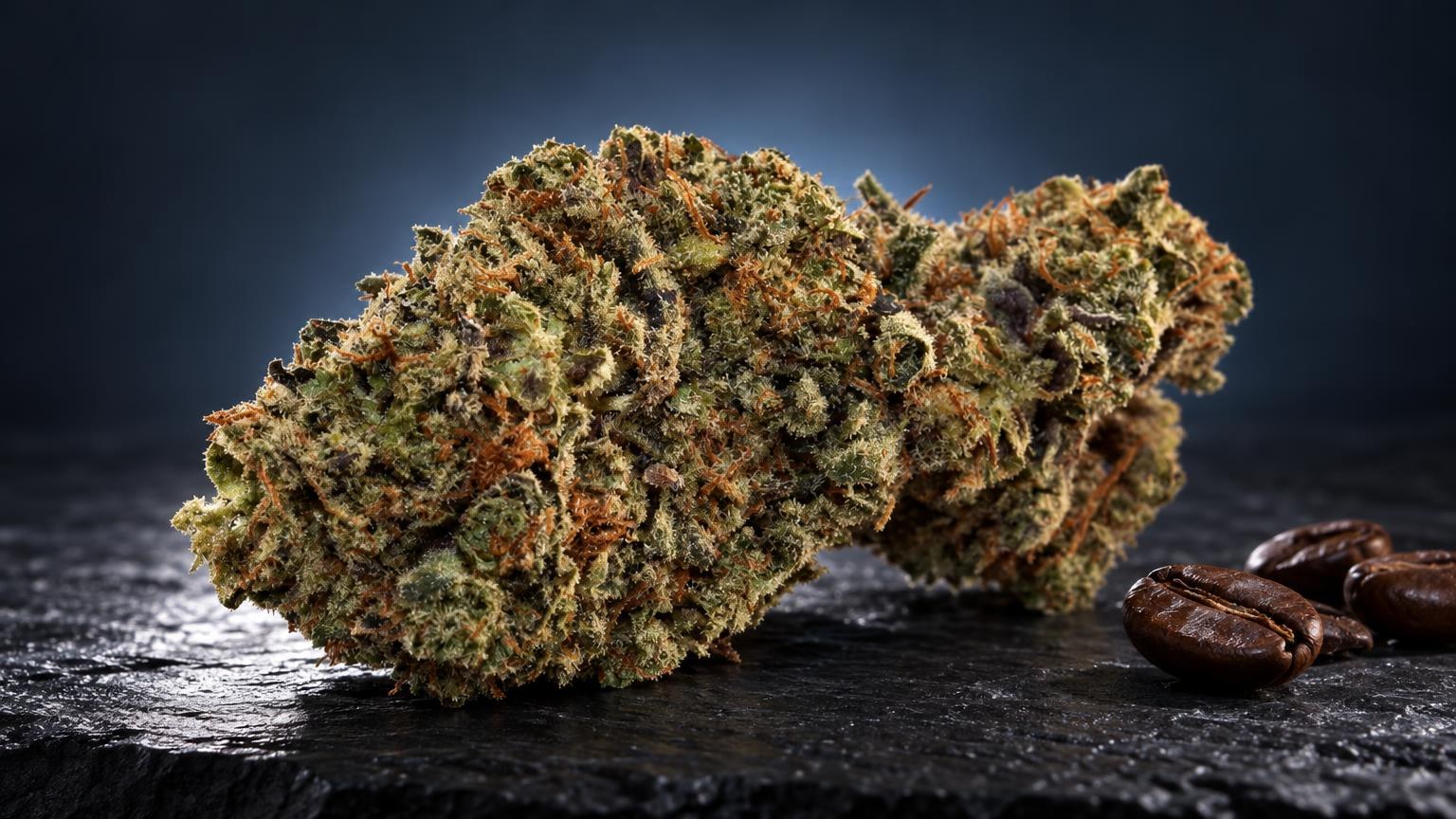
The cannabinoid on the label is the dividing line, so start there. A CBD flower is built around a cannabinoid described as non-psychoactive, while Pink Panther belongs to our THCX range.
| Cannabinoid | What sources say | Still unknown |
|---|---|---|
| THC | Major psychoactive component, tied to cognition-related deficits[7] | How your own tolerance shifts the curve |
| CBD | Believed to regulate THC metabolism by inactivating cytochrome P450 enzymes | How much that matters at everyday amounts |
| THCX (Pink Panther) | THCX is a trade name, not a molecule: every batch is lab-tested for classified molecules and none are detected. | No robust studies on how it acts in the body |
Flower sizes in the shop run from 3 g to 100 g. The lab analysis of each batch is available on request from customer service.
How do Amnesia and Pink Panther compare on aroma and texture?
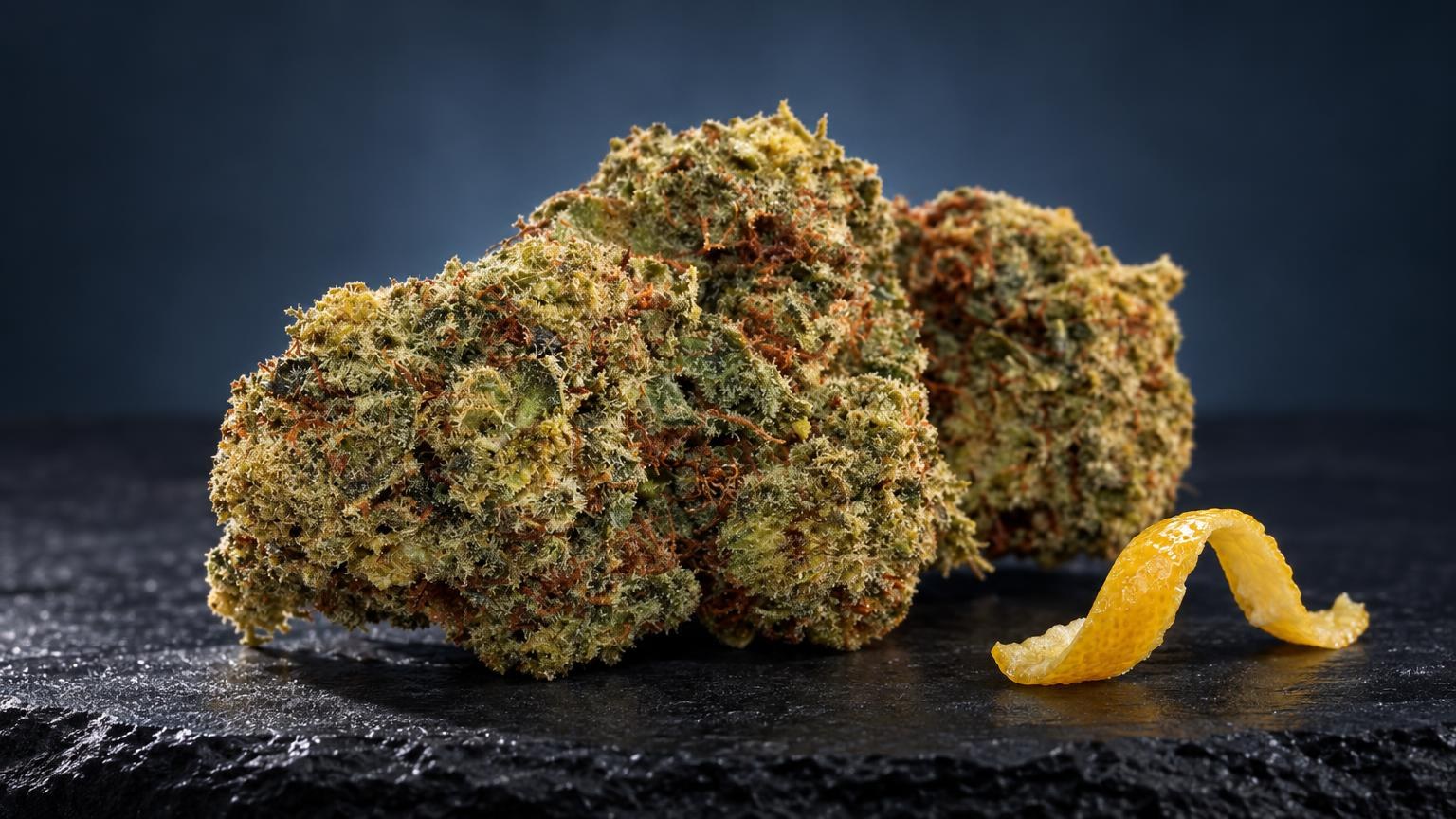
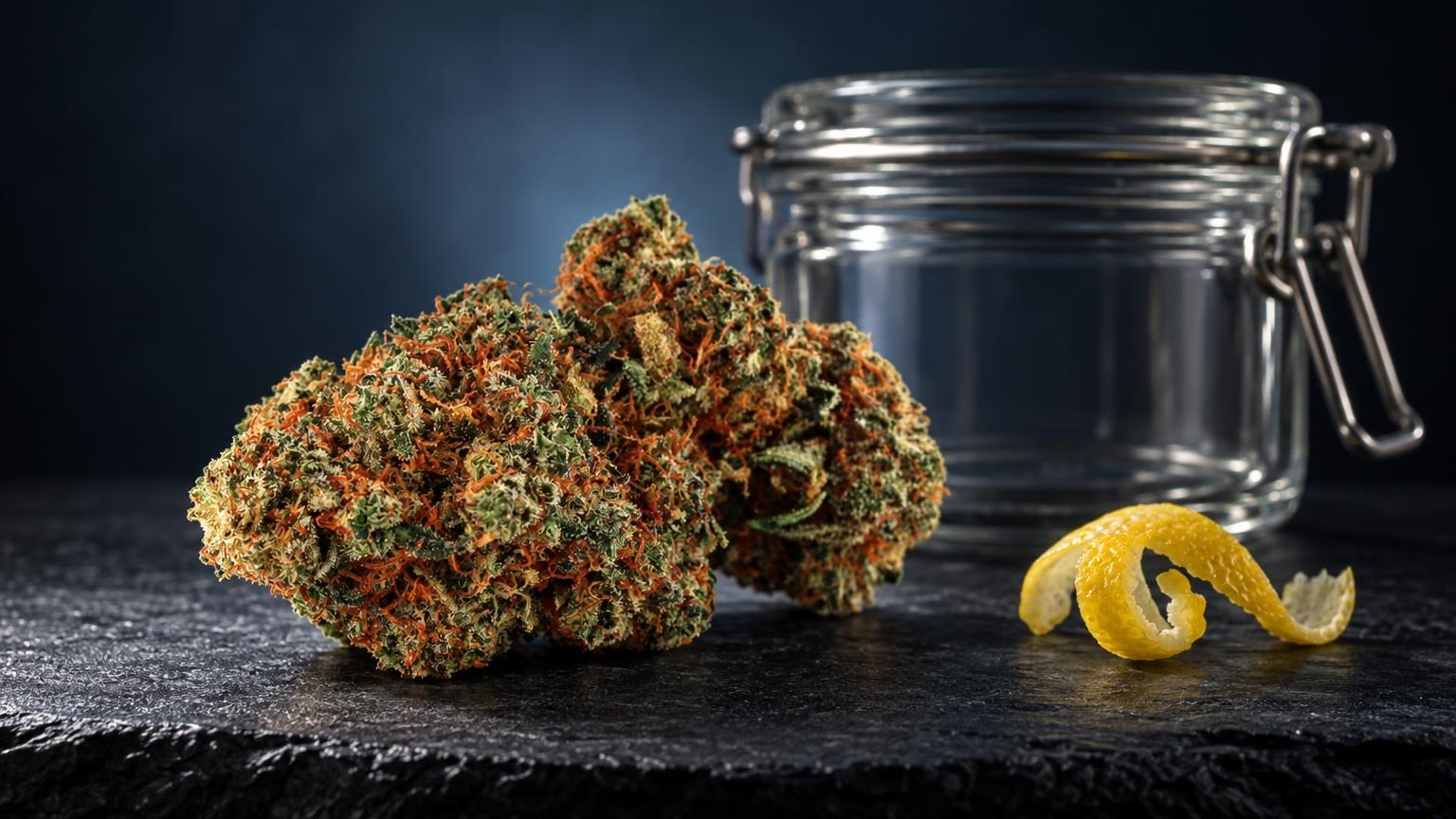
Amnesia is the reference profile: citrus up front with a spicy edge, like lemon zest grated over cracked black pepper.
Pink Panther’s tasting notes sit on its product page, so read them against that citrus-and-spice baseline. For texture, trust your fingers: dense, slightly sticky buds keep their aroma, while dry, crumbly heads have lost it.
Choosing by flavour never rewrites the THC-related risks covered earlier, cannabinoid hyperemesis syndrome included.
Choosing your cannabis with your body in mind
All of that comes down to three habits, the same common sense that applies to any drug use. They’ll serve you better than any strain name on a jar.
- Start low, go slow. A small first amount shows how the effects of weed on the body play out for you, not for someone else.
- Pick a format whose timing you can read. Inhaled cannabis shows its hand quickly, while an edible keeps you guessing.
- Read the label first. Check whether the jar holds cannabinoids like THC or CBD, or a THCX product. The lab analysis of each batch is available on request from customer service.
If you use cannabis, keep it occasional too, because people with the DSM-recognised cannabis use disorder may face a higher risk of attention and memory problems[10]. If your use starts to feel hard to control, talk to a doctor or your local mental health services.
For a real example, Pink Panther is our THCX flower, and Amnesia is a classic expression of the cannabis sativa plant. THCX is a trade name, not a molecule: every batch is lab-tested for classified molecules and none are detected. The range starts at 3 g, which makes starting low easy.
If this article simply made you want to wear the culture, the FEEL THE DIVINE tee does that with zero effect on your health.
Conclusion
Those three habits work best when you know what’s actually in your jar. The effects of weed on the body aren’t a fixed script: they shift with the cannabinoid, the format and your own use. That’s why the delta-9 THC line on a cannabis label tells you more than any strain name.
Want to dig deeper? Skip the quick Google search on open questions like THC and brain development, where the science is still moving and an association isn’t proof of cause.
Browse the collection with your label-first habit switched on.
Frequently asked questions
Can I smoke weed and still be healthy?
Moderation and awareness of these risks matter more than any single habit.
What organs does weed affect?
THC acts mainly on the heart and brain, raising heart rate and lowering blood pressure while impairing cognitive and motor function[4]. Acute reactions can also include hyperemesis syndrome affecting the digestive system, along with impaired coordination, anxiety and psychotic symptoms[5]. CBD, unlike THC, is non-psychoactive and has shown neuroprotective activity[7].
Sources
- Cannabis — World Health Organization — www.who.int
- Epidyolex (cannabidiol) — European Medicines Agency, EPAR — www.ema.europa.eu
- Effects of Cannabis – an overview | ScienceDirect Topics — www.sciencedirect.com
- Acute and long-term effects of cannabis use: a review — pubmed.ncbi.nlm.nih.gov
- Effect of Cannabis on Memory Consolidation, Learning and … — pmc.ncbi.nlm.nih.gov
- Understanding Your Risk for Cannabis Use Disorder — www.cdc.gov