 Written by Sophie Clarke
H4CBD is a hydrogenated, semi-synthetic derivative of CBD, chemically modified through catalytic hydrogenation rather than a natural process. Claims about its effects, including affinity for brain neuroreceptors, remain largely marketing-driven and unverified by independent data. Choosing wisely means prioritizing transparency, composition and lab-backed analysis over potency claims.
Contents5 sections
H4CBD effects refers to what sellers and users attribute to hexahydrocannabidiol, a hydrogenated cannabinoid made from cannabidiol (CBD).
Chemically, H4CBD is a form of CBD with extra hydrogen atoms added to the molecule. Those atoms saturate its double bonds, much like hydrogenating a vegetable oil changes its texture and stability. Same backbone, different behaviour, at least on paper.
H4CBD belongs to the wave of new cannabidiol derivatives that have reached shelves across Europe, sitting next to other cannabinoids sold on bold promises. Whether the pack comes from a newcomer or an established CBD manufacturer, a potency multiplier printed on it isn’t data.
Below, you’ll get the chemistry in plain words and a side-by-side comparison with better-known cannabinoids (CBD, HHC and delta-9 THC), so you can see what actually sets them apart.
What is H4CBD, and what effects does it have?
H4CBD (hexahydrocannabidiol) is a hydrogenated cannabinoid made from cannabidiol (CBD). For now, treat these effects as marketing claims, not established facts.
How is H4CBD made from CBD?
Here’s the general picture, a textbook outline of hydrogenation rather than a detail drawn from a cited source: H4CBD is made through catalytic hydrogenation. CBD comes into contact with hydrogen gas and a metal catalyst, and hydrogen atoms are generally described as attaching to the carbon-carbon double bonds outside the aromatic ring. Nothing is cut away and nothing new is grafted on: the skeleton stays the same and carries more hydrogen.
The process follows a clear sequence:
- Sourcing. The source CBD is extracted from hemp and purified, because any impurities would carry over into the final compound.
- Hydrogenation. Under controlled pressure, hydrogen saturates the double bonds and turns rigid, flat sections of the molecule into single bonds that can rotate.
- Refining. The catalyst is filtered out, and the result is cleaned up into a distillate.
This step matters because a double bond locks part of a molecule at a fixed angle, while a single bond lets it flex. Change that, and you change the molecule’s three-dimensional shape. Shape decides how a molecule fits into a receptor and how well it holds up against heat, light and air.
H4CBD isn’t a one-off. HHC is often mentioned as a comparable hydrogenated cannabinoid built on a THC-type structure, though none of the sources listed here draws that parallel explicitly, and the idea has fed a wave of new cannabidiol derivatives. These compounds sit apart from the plant’s best-known cannabinoids: CBD and THC grow in hemp, while H4CBD only exists in useful amounts because a lab adds the hydrogen.
How does H4CBD compare with CBD, HHC and THC?
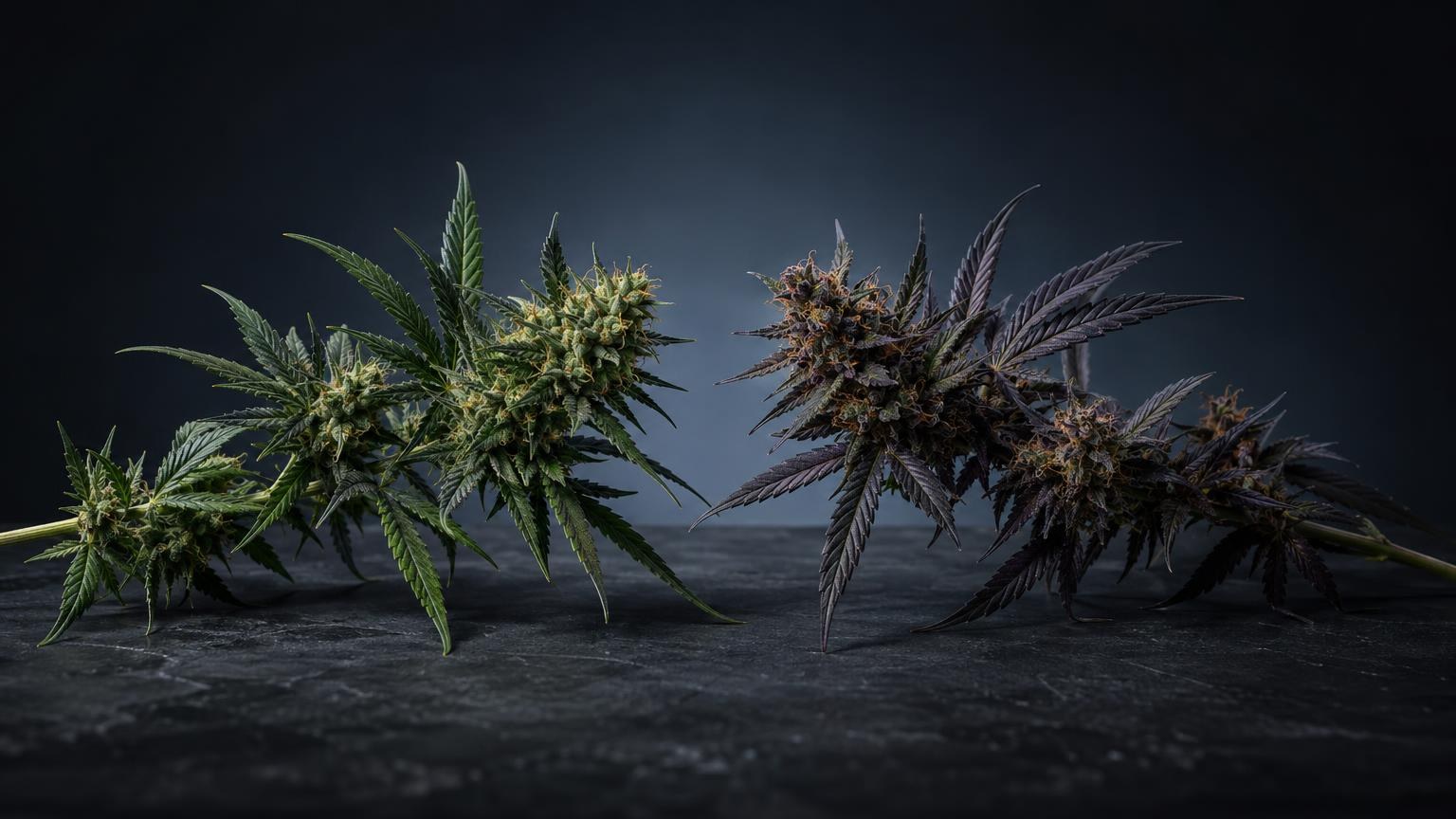
H4CBD is CBD with extra hydrogen, the CBD-side twin of HHC, which is hydrogenated THC. Compared on receptor binding and psychoactive effects, delta-9 THC and HHC sit at one end and CBD at the other. Where H4CBD lands between them is still mostly claimed rather than measured.
Is H4CBD natural or synthetic?
It’s semi-synthetic. The starting CBD comes from hemp, but H4CBD itself only appears after a lab step, so it’s neither fully natural nor built from scratch. “Derived from hemp” on a label tells you where the raw material started, not what happened to it afterwards.
Those two words get used loosely, and so does the line between synthetic and natural derivatives. A fully synthetic cannabinoid is assembled with no plant involved, and a synthetic route can even make plain CBD without touching hemp. H4CBD sits in between: natural CBD as the input, then a chemical change the plant never makes on its own.
The family logic helps here. HHC is to THC what H4CBD is to CBD: the hydrogenated version of its parent. Keep that pair in mind and the comparison below reads itself.
| Compound | Starting point | Origin | Receptor activity (as commonly described) | Psychoactive profile |
|---|---|---|---|---|
| CBD | Hemp plant | Natural, extracted | Little affinity for CB1 | Non-intoxicating |
| H4CBD | CBD | Semi-synthetic, hydrogenated | Binding data scarce | Marketed as stronger than CBD, not established |
| HHC | THC structure | Semi-synthetic, hydrogenated | Described as closer to THC | Described as psychoactive |
| Delta-9 THC | Cannabis plant | Natural, extracted | Binds CB1 directly | Psychoactive |
The core difference shows up at the receptor. CBD has little affinity for CB1, the receptor linked to the psychoactive effects of THC, while delta-9 THC binds it directly.[1] For H4CBD, solid cannabinoid receptor binding data is thin, so its affinity for brain neuroreceptors remains an open question.
Non-intoxicating doesn’t mean side-effect-free, though, and that holds even for plain CBD in its approved pharmaceutical form. The most common side effects of Epidyolex, affecting more than 1 in 10 people, include somnolence, decreased appetite, diarrhoea, fever, tiredness and vomiting.[3]
What does the research on H4CBD actually say?
The comparison above looks tidy on paper. The medicinal chemistry of synthetic and natural derivatives of cannabidiol is a serious field, and H4CBD is one of the many tweaks chemists make to the CBD skeleton.
But it doesn’t tell you what a vape or an oil does once you use it. What the field offers today is an overview of medicinal chemistry, not a picture of human use.
A cannabinoid receptor evaluation measures how tightly a compound binds in a lab setting. Useful, but binding and felt effect are two different things. A key that fits a lock doesn’t tell you how far the door swings open, which is why “close to THC” claims built on binding alone don’t carry much weight.
You’ll also run into a “times potency” figure, or the promise that H4CBD is several times as effective as CBD. Potency sells, but a number with no source is decoration.
Here’s where the gaps sit:
- No proven link between lab affinity and how a product actually feels.
- Market batches vary, so what one lab measured isn’t automatically what’s in every cart or bottle.
Our take: read any list of potential benefits on a product page as a hypothesis, not a result.
Choosing an H4CBD-style product: pods, live rosin or vape
That shifts the focus from a hyped number to the product in your hand.
Here’s the grid we’d use to choose CBD products and their newer cousins:
- Composition stated clearly. The page should say what’s inside in plain words. Vague blends and “secret formulas” are a red flag, whatever compound CBD or a derivative is sold as.
- Lab analysis. Ask whether a batch analysis exists before you trust any claim about strength.
- Format. A ready-to-use pod, a live rosin pod and a rechargeable vape each suit a different way of use. The real difference lies in texture, flavour and convenience, not in a promise about effects printed on the box.
- Aroma and terpenes. Terpenes shape flavour the way spices shape a dish. A named strain profile tells you more than any multiplier.
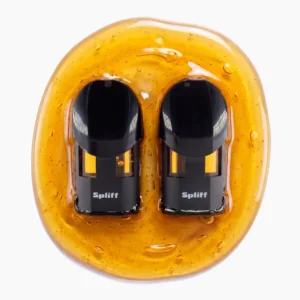
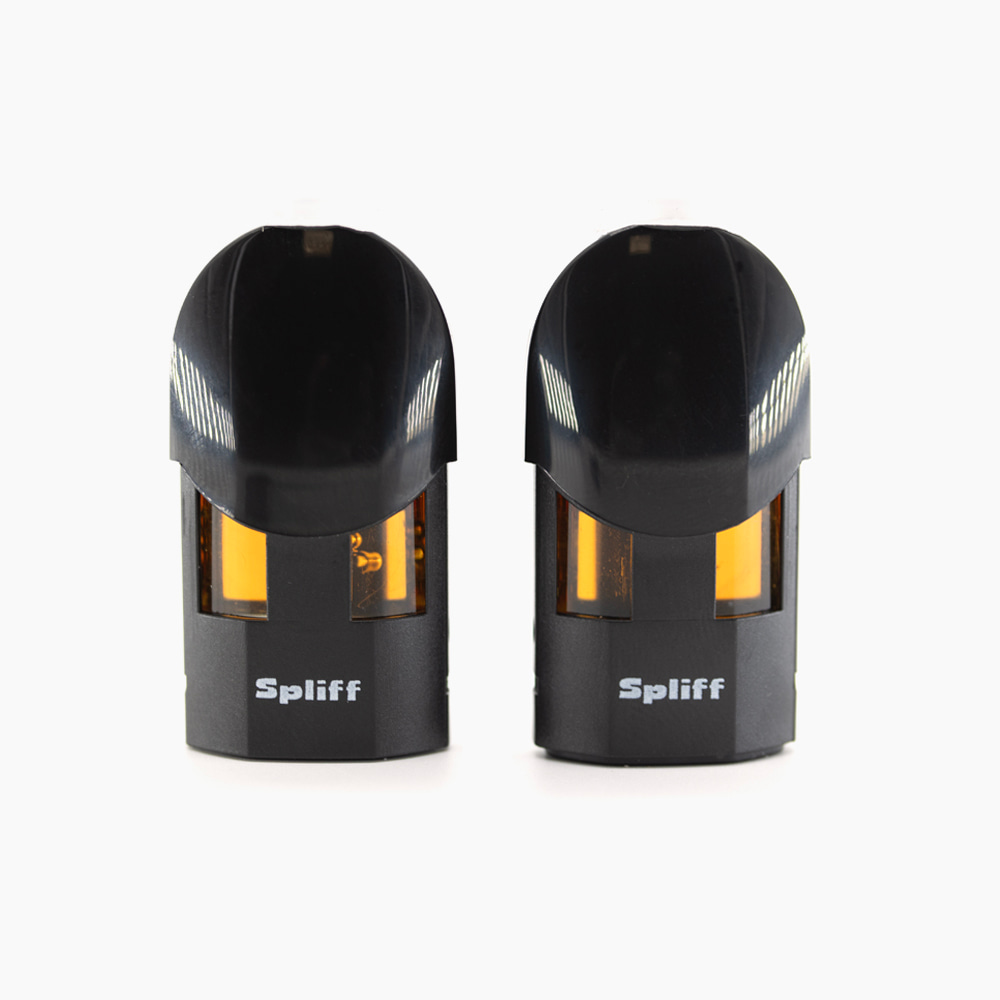
To see how those criteria play out on real products, here are 3 Spliff formats side by side. None is presented here as an H4CBD product: check the composition as stated on each page, next to today’s price and the reviews.
| Product | Format | What it illustrates |
|---|---|---|
| Magic Pod Live Rosin x2 | Pack of pods, live rosin | Solventless extraction, pressed rather than washed out, so the selling point is a richer texture and an aroma closer to the plant. |
| Magic Pod x2 | Pack of standard pods | The plain plug-in pod: the simplest format if you want zero fuss. |
| Magic Vape | THCX vape | A product from our THCX range, sold as such. THCX is a trade name, not a molecule: every batch is lab-tested for classified molecules and none are detected. |
The lab analysis of each batch is available on request from customer service. That’s the kind of answer you should expect from any shop selling products in this category.
Our take: pick on transparency, not on a potency multiplier. A clear label and an analysis you can request tell you more about H4CBD effects claims than any “stronger than CBD” banner. Rules and age limits differ across Europe, so check what applies in your country before you order.
Conclusion
Run any product through that grid and the verdict on H4CBD effects gets simple: the potency promise is ahead of the data. New cannabinoids can be interesting without being “stronger” by some fixed multiplier, and nothing published yet turns H4CBD into a stand-in for THC or a guaranteed high.
So choose on transparency. A high quality product tells you exactly what’s inside, whether the label reads hexahydrocannabidiol, plain CBD, tetrahydrocannabidiol or something newer, and a batch analysis backs that up. The same habit works across all cannabinoids, CBD included, and it keeps you paying for a formula rather than a slogan.
Don’t assume the benefits CBD users talk about carry over to derivatives of cannabidiol (CBD) either. Expect a different profile, not a guaranteed upgrade. Rules on these compounds vary between countries, so check what applies where you live before you order.
Sources
- Cannabidiol (CBD) critical review report — WHO Expert Committee on Drug Dependence — www.who.int
- Epidyolex (cannabidiol) — European Medicines Agency, EPAR — www.ema.europa.eu