 Written by Sophie Clarke

Contents6 sections
The essentials in 30 seconds
A 1g joint holds one full gram of cannabis or CBD flower, usually in a king size cone. Strength depends on the label rate, how much you smoke, the strain and your tolerance. Splitting the gram over a week is often the smarter start.
- Earlier estimates assumed a typical joint held one gram of marijuana[5].
- Every Spliff product is lab-tested: THC content below 0.3% (0% for vapes and pods).
- A pre-roll gives a stated weight and rate, for convenience and consistent quality every time.
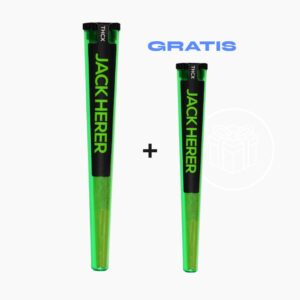
A 1g joint is a joint holding one full gram of cannabis or CBD flower, which typically fills a king size paper rolled into a cone. By hand-rolling standards, it sits at the generous end of the range.
That gram doesn’t have to end up as one joint. Whether it becomes a single cone or gets spread over a week of smaller rolls, the maths is a simple division:
- 1 fat king size cone of 1 g
Pre-rolls print their weight on the label. A hand-rolled joint almost never meets a scale and often turns out lighter than you’d guess. That’s why this blog post works from displayed grams.
Size is only half the picture, though. Weight tells you how much is in the paper, not how strong it is: the percentage on the label does that. If you’re choosing between rolling your own and buying ready-made, or comparing pre-roll categories side by side, that percentage is the first number to check.
How big is a 1g joint, and is that a lot?
Yes, a 1g joint is a generous roll. A full gram needs a king size paper shaped into a cone, which is more than most people pack into a hand-rolled joint. Earlier estimates even assumed that a typical joint contained one gram of cannabis[5]. Size tells you how much is in the paper, not how strong it is.
Which paper size does a full gram need?
Almost always a king size, rolled as a cone. A 1¼ paper is the compact format, like a pocket notebook next to a sketchbook. A full gram overfills it, and the roll turns lumpy and burns unevenly.
King size slim saves width, but one gram of cannabis or CBD flower makes it tight and hard to close. The cone shape isn’t exclusive to big rolls, but it really earns its place here: it gives the material room at the wide end, where most of the bulk sits. The real goal when choosing accessories is to match the paper to the portion you plan to roll.
How many joints can you roll from 1g?
Anywhere from one to four, depending on how you cut it. This is plain division, not an average:
- 1 king size cone holding the full 1 g
- Joints comfortable in a 1¼ paper
How many mg of THC are in a 1g joint?
A 1g joint, assumed to hold one gram of cannabis plant material, lets you multiply that weight by the percentage on the label.[5] The same rule works for THC, CBD or any other cannabinoid listed.
For scale, estimates based on real-world monitoring data put the average joint at 0.32 g (range 0.30–0.35 g)[4]. So the full gram is the generous case, not the typical one.
| Rate on the label | Half a gram in the paper | 1 g in the paper |
|---|---|---|
| 10 % | 50 mg | 100 mg |
| 20 % | 100 mg | 200 mg |
Plug in the total figure for the cannabinoid you care about, as printed on the label or the lab analysis. Keep in mind that this is what sits in the paper, because part of it burns off or drifts away as side smoke.
Flower, hash or a mix: does the filling change the maths?
No, the method stays exactly the same: weight times percentage. What changes is the percentage you plug in. Flower and hash are different materials, each with its own analysis, so you can’t borrow the flower’s rate to read a hash pre-roll, or the other way round.
A mix needs one extra step. Each component brings its own weight and its own rate, so the real figure is the sum of both: grams of flower times their rate, plus grams of hash times theirs.
Is a 1g joint strong?
A 1g joint isn’t strong just because it’s big. Its strength depends first on the cannabinoid rate on the label, then on how much you actually smoke, then on the strain and its terpene profile, and finally on your own tolerance. Weight sets the size of the roll, not its punch.
Start with the milligram figure on your label: that’s your real baseline. Check the rate before the grammage: a slim roll at a high rate can carry more than a fat cone at a low one.
Strain comes next. Even the best cannabis varieties, popular names included, each have their own terpene profile, which gives them a distinct aroma and character. Tolerance is the last filter, and it’s personal.
One thing to keep straight: the European Medicines Agency has assessed and authorised one specific cannabidiol medicine, Epidyolex, under its own marketing authorisation.[3] CBD joints are different products altogether, and they’re not sold or meant as medicines.
Rolling your own gram vs buying a 1g pre-roll
Once you can judge strength from the label, the roll-or-buy question is quick to settle. Rolling your own gram gives you unparalleled freedom over strain and split. A pre-roll gives you a stated weight, a stated rate and the same even roll every time.
Our take: if you enjoy shaping cones and mixing strains on your own terms, roll it yourself. If you’d rather see the weight and stated strength of your 1g joint before it’s lit, a pre-roll is the cleaner choice.
What to read on a pre-roll label before you buy
Read these five features in this order and you can compare any pre-rolled products side by side:
- Weight: the grams in the paper, your base for the maths.
- Cannabinoid and rate: which one is listed, and at what percentage.
- Filling: flower, hash or both.
- Filter or tip: whether one is fitted.
- Paper: its size and type.
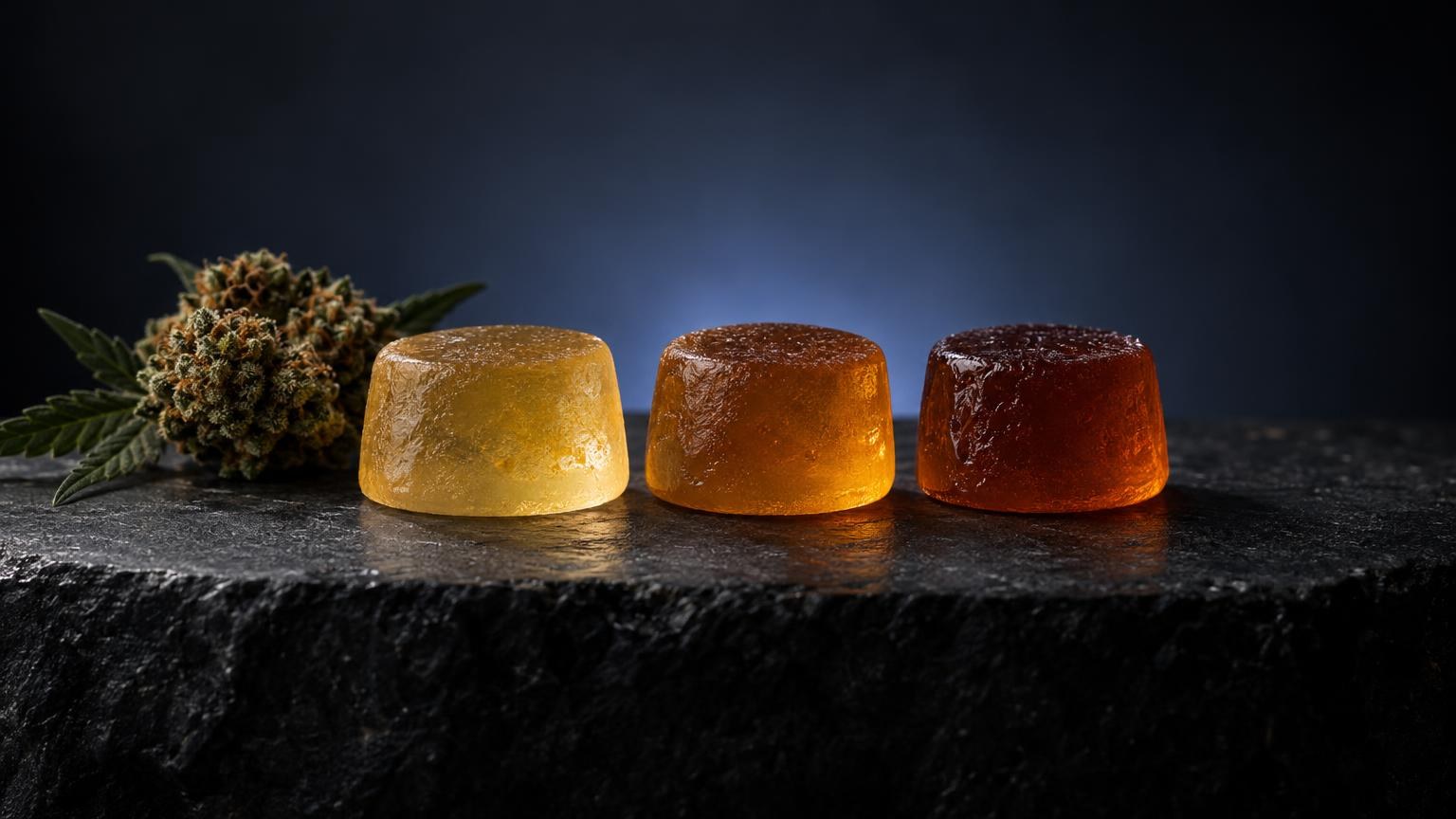
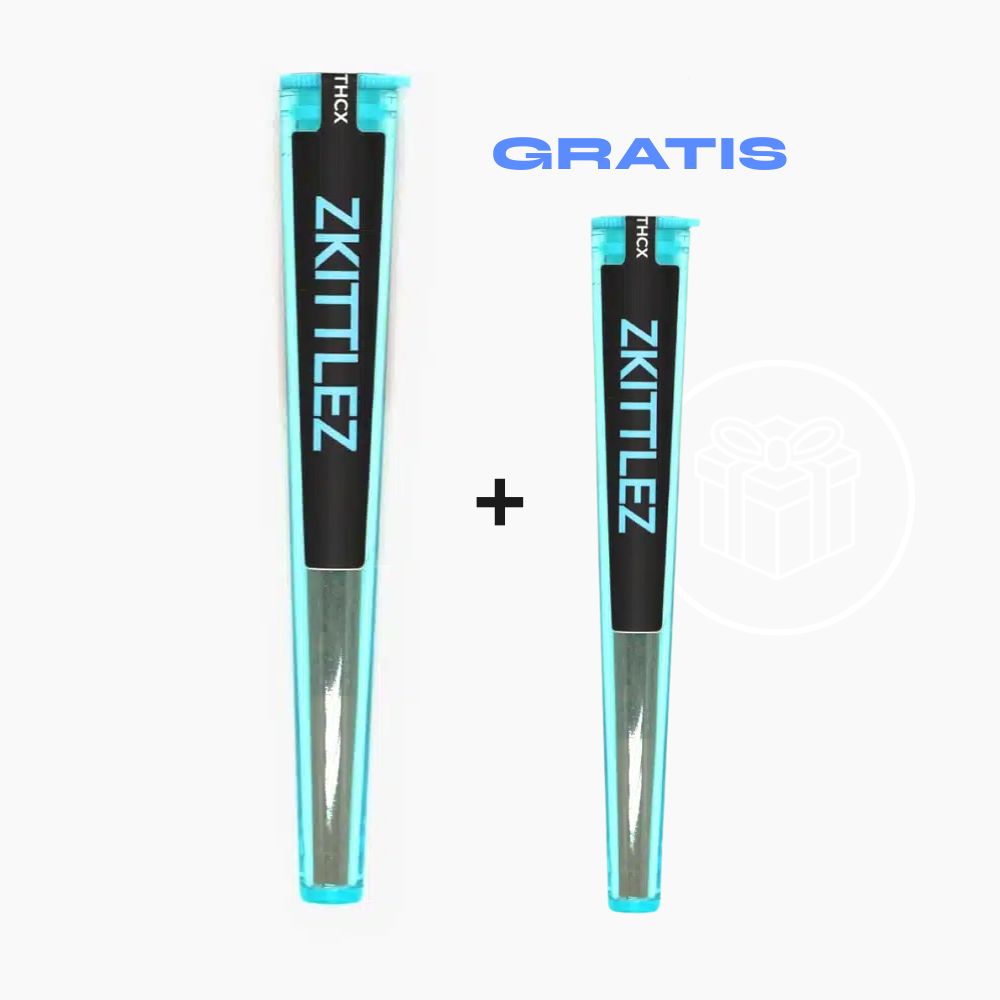
The Royal Hash and Zkittlez pre-rolls from our THCX range follow this checklist, with weight and filling shown on each product page. THCX is a trade name, not a molecule: every batch is lab-tested for classified molecules and none are detected.
The full THCX pre-roll collection sits in one place. If you’d rather stay with CBD, the CBD pre-rolled joints follow the same label logic.
Conclusion
Whichever way you go, a 1g joint follows the same logic: the weight sets the size of the roll, the label rate sets the milligrams, and your own pace decides the rest. A full gram sits at the generous end of the scale, so splitting it is often the smarter call.
Keep the rate-first habit, and it works on any CBD flower, any hash you’ve added to the mix and any blend of strains you roll. It turns a vague hunch about strength into a number you can check before you even pick up a paper.
If you’d rather roll and portion your own grams, flower comes in 3 g, 5 g, 10 g, 20 g, 50 g and 100 g formats. That gives you enough to work out your ideal split, one cone or several slims, at your own rhythm.
Frequently asked questions
How long does it take to smoke a 1g joint?
There’s no fixed duration in the data available, since smoking time depends on pace, draw size and how tightly the cone is rolled rather than weight alone. A 1g joint, being larger than the average 0.32 g joint[4], generally takes longer to work through than a standard roll.
Sources
- Epidyolex (cannabidiol) — European Medicines Agency, EPAR — www.ema.europa.eu
- Bayesian inference for the distribution of grams … — www.sciencedirect.com
- How Much Weed Is in a Joint? Pot Experts Have a New … — www.nytimes.com