 Written by Sophie Clarke
Contents6 sections
The essentials in 30 seconds
THC vape side effects include dry mouth, red eyes, dizziness and a faster pulse[5], while panic attacks and paranoia are more common at high levels of THC[5]. Cough, chest pain and shortness of breath can signal lung injury such as EVALI[4]. No fixed amount of THC causes symptoms in everyone[6].
- Dry mouth, red eyes and dizziness usually point to the THC itself.
- Cough or throat irritation calls for checking the liquid and the hardware before blaming the cannabinoid.
- Chest pain or shortness of breath that won’t settle means stopping and seeing a healthcare professional.
THC vape side effects refers to the unwanted reactions that can follow vaping cannabis in the short term: dry mouth, red eyes, a faster heart rate, shifts in blood pressure, dizziness and, with high levels of THC, anxiety, panic attacks or paranoia. This guide sorts them by cause, so you can tell what comes from the THC itself and what comes from the hardware or the liquid.
A vape tends to make these effects of cannabis feel sharper. Inhaled THC arrives fast, and a concentrated liquid compares to a joint the way an espresso compares to a filter coffee: same bean, very different jolt.
From there, we move to the lungs (cough, shortness of breath, chest or heart discomfort), then to the long-term side of cannabis use: mental health, substance use and the risk of cannabis use addiction. Along the way you’ll see where THC vs CBD fits in, and which label details to read before you pick a vape.
What are the side effects of THC vape juice?
The side effects of THC vape juice come from the THC it carries, not from the flavour or the base liquid. Common physical effects of cannabis use include mild or moderate dizziness, red eyes, dry mouth and changes in pulse rate and blood pressure[5]. On the mental side, anxiety, panic attacks and paranoia are the reactions linked to high levels of THC.
That list is your first diagnostic filter. If what you feel matches one of these THC vape side effects, the cannabinoid is the likely cause.
- Body signals: dry mouth, red eyes, a light-headed spin.
- Circulation: THC can affect heart rate and shift blood pressure soon after a hit[5].
- Mind: the panic attacks and paranoia already flagged above, which track with high levels of THC.
Vaping cannabis sharpens all of this because of delivery speed. An inhaled hit is the espresso shot, an edible the slow filter coffee: same bean, but your body meets the effects of cannabis in one go.
In the THC vs CBD split, the psychoactive column belongs to THC, since CBD doesn’t bring the high. People also mix up a rough session with dependence, yet substance use addiction is a long-term pattern, not a short term reaction.
Is it the THC or the vape itself?
Not every reaction after vaping comes from the THC. Throat irritation, coughing and chest discomfort can come from the liquid you inhale and the hardware heating it. In the reported cases, EVALI (e-cigarette or vaping use-associated lung injury) is associated with severe respiratory symptoms: cough, chest pain and shortness of breath[4].
So once the THC signals are on your checklist, the next filter is your lungs. A dry mouth or a quick pulse points to the cannabinoid. A cough that won’t settle, a tight chest or getting short of breath on the stairs points to what you’re inhaling.
EVALI isn’t only an adult story either: approximately 15% of cases were diagnosed in youths under 18[4].
When you sort THC vape side effects, keep the scope clear. The facts here describe acute, short-term lung injury. They don’t tell you how much risk of long-term lung disease comes from vaping cannabis.
What are the long-term risks of vaping cannabis?
The long-term risks of vaping cannabis are less about how you feel after one session and more about mental health, problematic use and the hardware you inhale from over months. On the hardware side, reports of injuries tied to device malfunction or explosion keep increasing[4].
Once vaping becomes a daily routine, the question shifts from tonight’s high to how cannabis fits into your life. That’s where the cannabis use mental health conversation starts.
The dependence signs covered earlier are your checkpoint. If you use cannabis to get through the day, talk to a healthcare professional or local addiction support resources.
Your hardware history matters too: more than three-quarters of people diagnosed with EVALI reported vaping THC products[4].
Choosing a THCX vape: what to read on the label
Once you can tell a THC signal from a hardware problem, choosing gets much simpler. Read the label before the flavour name: a stated concentration, a clear THC/CBD or THCX line and a named format. No fixed amount causes symptoms in everyone[6].
Pod system or ready-to-use pen: which format suits you?
Pick a pen if you want zero setup, and a pod system if you want finer control over each session. A ready-to-use vape pen is the one-button espresso machine of the category: you draw and go, with nothing to fill or clean.
A pod system splits the battery from the liquid, so you click in a sealed pod and never handle the oil.
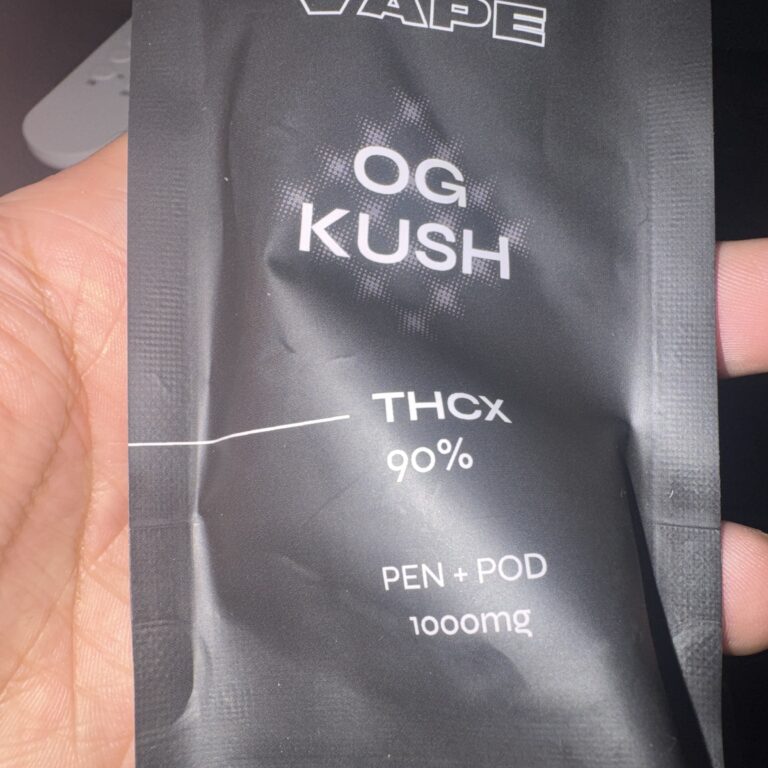
On our side, Magic Vape is the pen option and Magic Pod x2 is the pod option. THCX is a trade name, not a molecule: every batch is lab-tested for classified molecules and none are detected. The lab analysis of each batch is available on request from customer service.
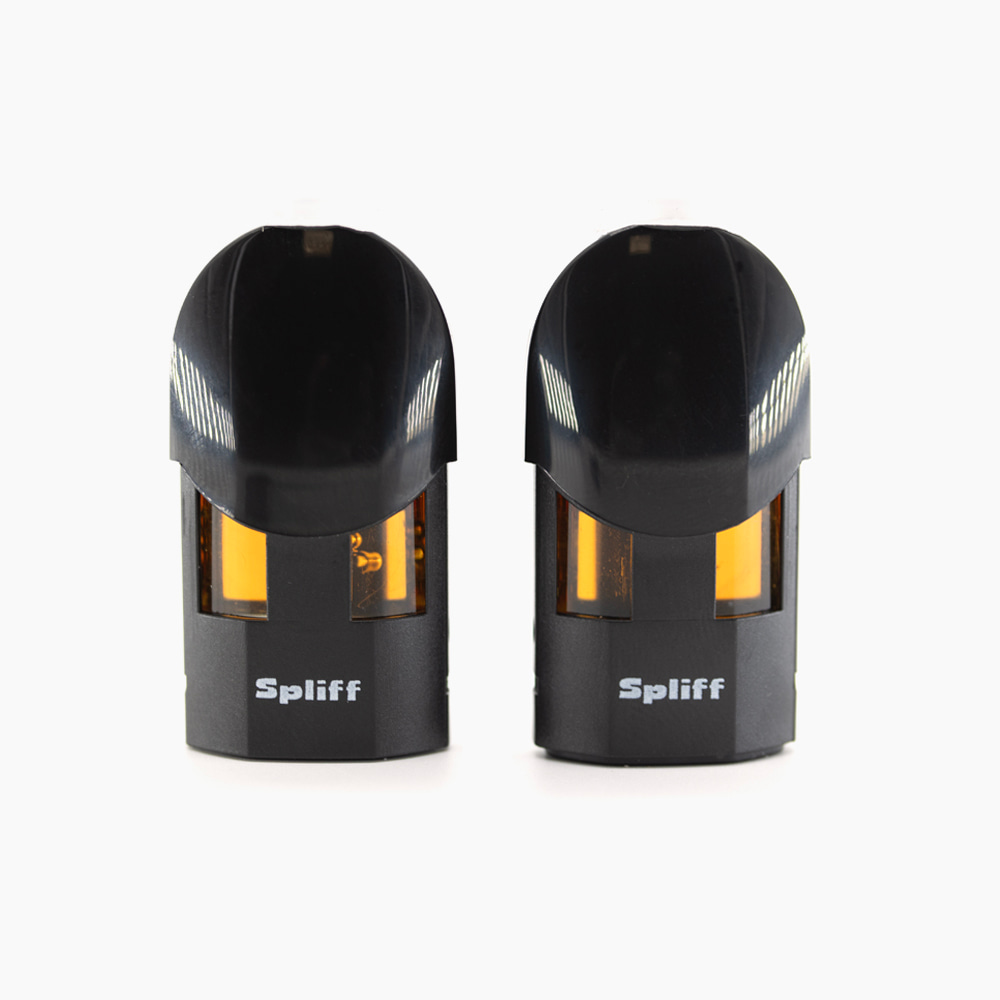
You’ll find both in the THCX vape collection. If your THC vape side effects include anything beyond the usual dry mouth, the cause can be the dose as much as the format: see a doctor about the warning signs.
For adults only (18+), and never drive after vaping. CBD is not a medicine and is not a substitute for medical advice or treatment. If in doubt, consult a healthcare professional.
Conclusion
With a format picked and a label you can actually read, the whole diagnostic fits in three lines. Keep this grid in mind whenever thc vape side effects show up after a session.
- Dry mouth, red eyes, a racing pulse, an anxious mind: these point to a THC cause.
- Cough, throat burn, chest discomfort: check the liquid and the hardware before blaming the cannabinoid.
- Shortness of breath or chest pain that won’t settle: stop vaping and see a healthcare professional.
Fast shipping to several European countries. You’ll find the full range in our THCX vape collection.
Frequently asked questions
Do THC vapes get you stoned?
Yes, inhaled THC produces a fast, noticeable high because vaping delivers the cannabinoid quickly into the bloodstream. The intensity depends on the dose: high levels of THC are more likely to trigger panic attacks or paranoia[5].
Are THC vapes bad for you?
They carry two separate risk types: THC itself can raise heart rate, shift blood pressure and, at high levels, cause panic attacks or paranoia[5], while the hardware or liquid can cause cough, chest pain and shortness of breath, as seen in most EVALI cases[4]. Reports of device malfunction or explosion injuries have also been increasing[4].
How many hits on a vape equals a joint?
There’s no fixed number: the amount of THC that causes effects or symptoms varies from person to person, so no puff count reliably matches a joint[6]. Rather than counting hits, judge by physical signals (dizziness, dry mouth, racing pulse) and stop if anxiety, panic attacks or paranoia appear from high THC levels[5].