 Written by Sophie Clarke
Weed side effects range from short-term effects marijuana use like red eyes, dry mouth, and pulse changes[4] to mental reactions such as panic and paranoia[4], plus longer-term effects short term use young people should weigh carefully, since the national institute drug abuse flags both psychomotor impairment and dependence risks.
Contents8 sections
- What are the side effects of weed?
- Why do side effects change from one product to another?
- What are the long-term effects of marijuana use?
- Who faces an increased risk from cannabis use?
- How can you lower the risk of unwanted effects?
- Choosing a product with fewer surprises
- Conclusion
- Frequently asked questions
The term weed side effects refers to the unwanted physical and mental reactions that can follow marijuana use. Most of them are driven by THC, the compound behind the high. They range from short-lived discomfort to the longer-term, potential harms of marijuana linked mainly to regular, heavy consumption.
If you use marijuana, this guide helps you tell what’s a normal part of the ride from a real warning sign. You’ll also see how to keep those reactions low, and why marijuana use during pregnancy and other higher-risk situations call for extra caution.
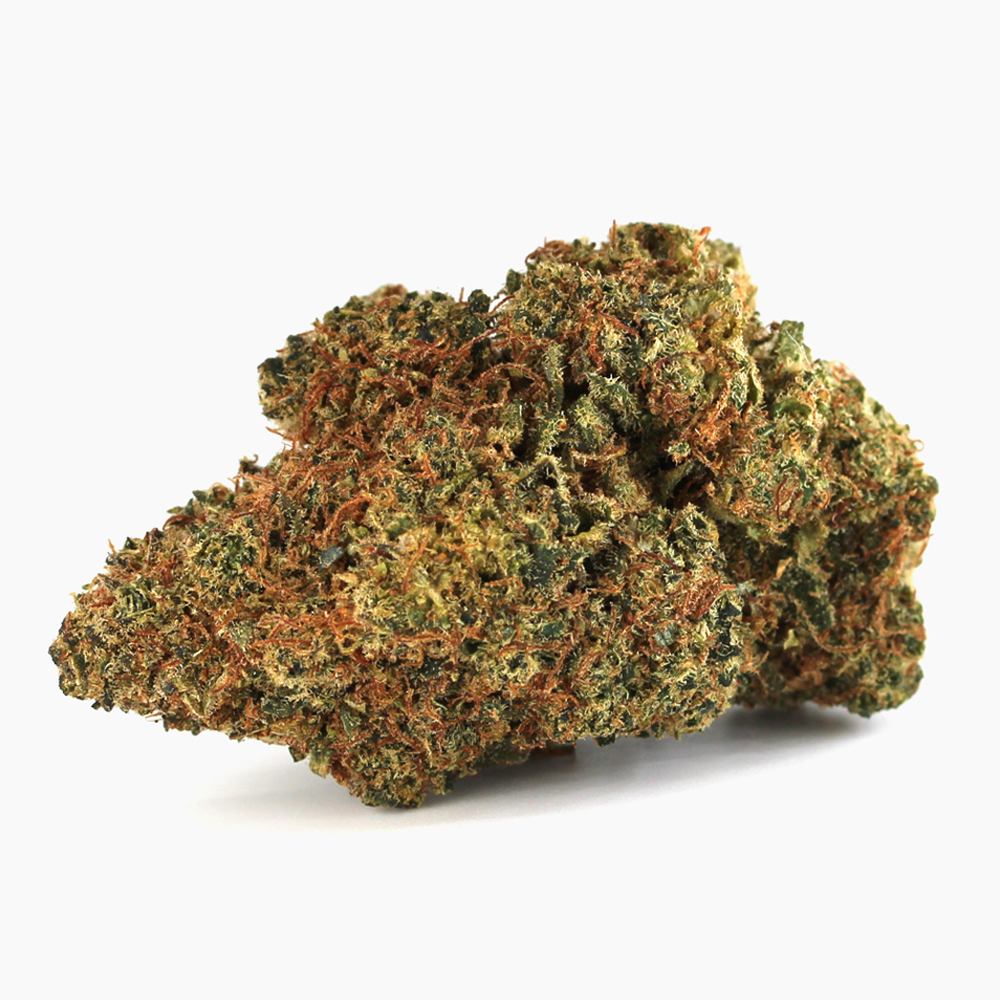
What are the side effects of weed?
The weed side effects to watch in the short term are both physical and mental. Your body may show red eyes, dry mouth, shifts in pulse and blood pressure, or clumsier movements. Your mind may react with panic attacks, paranoia or hallucinations, which show up more often at high THC levels[4].
The physical side is usually easy to spot: red eyes, dry mouth, changes in pulse rate and blood pressure, and impaired motor skills[4].
Those motor skills matter beyond a bit of clumsiness: driving and the risk of motor vehicle crashes get their own look in the section on who faces an increased risk.
The mental side is where THC works like a volume knob: panic attacks, paranoia and hallucinations become more common as THC levels climb[4]. An occasional rough reaction isn’t the same thing as drug abuse, but it’s a signal worth reading:
- Expected: the high itself, plus things like dry mouth or red eyes, which fade as THC wears off.
- Worth taking seriously: panic, paranoia or hallucinations, a cue to ease off rather than push through.
Edibles add a timing trap: the effects of marijuana in a gummy take half an hour or more to arrive, and taking a second piece too early is how people overshoot[6].
Why do side effects change from one product to another?
Weed side effects change from one product to another because three things vary at once: how much THC the product carries, how you take it (smoking, vaping or eating), and how much CBD sits next to the THC. Same plant, different recipe, and your body responds to the recipe.
Format shapes the effects long term, not just in the moment. If you use cannabis by smoking, you also inhale benzene, formaldehyde and heavy metals, and that smoke is no less toxic than cigarette smoke[6]. That’s about health effects long after the high fades, not about how strong it feels.
What does the THC percentage on a label actually tell you?
It tells you how intense the product is likely to be. On flowers and hash, the figure is a share of the product’s weight, so a higher number means more THC in every pinch. On gummies, check the amount per piece instead.
The CBD figure is the next line to read. Flowers and hash from the cannabis sativa plant carry very different cannabinoid balances, THC to CBD, from one strain to the next. That’s why two products with similar THC can still land with a different effect, a bit like two coffees with the same caffeine but a different roast.
Newer formats come with less background. THCX is a trade name, not a molecule: every batch is lab-tested for classified molecules and none are detected.
What are the long-term effects of marijuana use?
One of the clearest long-term effects of marijuana use is respiratory: long-term cannabis smoking injures the lining of the trachea and major bronchi, and it’s associated with chronic bronchitis symptoms[2]. Other areas, such as cannabis use disorder, memory and mental health, are still studied mostly in heavy, frequent users, so the picture of long-term weed side effects is less settled.
Red eyes, dry mouth, changes in pulse rate and blood pressure, and impaired motor skills are the short-term physical effects of marijuana, tied to the moment of use[4]. Long term use raises a different set of questions.
These topics are covered by the US National Institute on Drug Abuse and by public health agencies in Canada. Most of the data comes from people who use often, start young or favour high-THC products.
Who faces an increased risk from cannabis use?
Some people face an increased risk of weed side effects whatever the product: anyone underage or in early adulthood, people who are pregnant or breastfeeding, people with a personal or family history of psychosis, people taking medication, and anyone who operates complex machinery the day after use. For them, caution comes before curiosity.
Who you are matters just as much as the cannabinoids and the THC figure printed on the pack.
Cannabis is something adults choose to use; young people are a different case. The brain keeps building its wiring through adolescence and young adulthood, and brain development is not a process to gamble with. If you’re not an adult, the answer is simply no.
Other profiles where certain factors increase risk and weed side effects can weigh heavier:
- Pregnancy or breastfeeding: talk to your doctor or midwife before anything else.
- A personal or family history of psychosis: the mental reactions covered in “What are the side effects of weed?” deserve extra respect here.
- Ongoing medication: check possible interactions with a doctor or pharmacist, not with a product page.
Work is another factor that gets overlooked. Human performance on complex machinery can stay impaired for as long as 24 hours after smoking as little as 20 mg of THC[2]. If you’re a person whose job involves heavy equipment, plan around that window rather than around how you feel.
How can you lower the risk of unwanted effects?
You lower the risk of unwanted effects by starting with a small amount, giving it time before taking more, never mixing cannabis with alcohol or other substances, and choosing products whose label states the cannabinoid content. If your use starts to feel hard to control, ask a healthcare professional for help.
Whatever your profile, most weed side effects come down to a handful of habits you control.
- Pace yourself, and remember that edible timing trap before reaching for more.
- Keep it on its own. Don’t combine cannabis with alcohol or other substances, and don’t drive after use.
- Read the label. Pick products that state their THC and CBD content. A bag with no figures leaves you guessing how strong the effects will be.
The clearest warning sign is losing the feeling of choice: using cannabis more often than you planned, struggling to skip a day, or letting it crowd out other things. That’s the moment to talk to a doctor. They can look at your situation, answer bigger questions such as your risk of lung cancer if you smoke, and walk you through support or treatment options.
Choosing a product with fewer surprises
Here’s our take for new users: a format you feel quickly, with its content clearly stated, beats a heavily dosed edible every time.
How are CBD flowers different from THC weed?
The difference is the lead cannabinoid printed on the label. The term “CBD flower” means a flower sold for its CBD, while THC weed is built around THC, the compound that acts on your brain’s receptors and drives the high. Every Spliff product is lab-tested: THC content below 0.3% (0% for vapes and pods).
That category line matters because THC weed can bring disorientation and sometimes anxious or paranoid thoughts, according to the CDC[5]. So before you buy any cannabis product, check three things: which cannabinoid comes first, its stated content and the format.
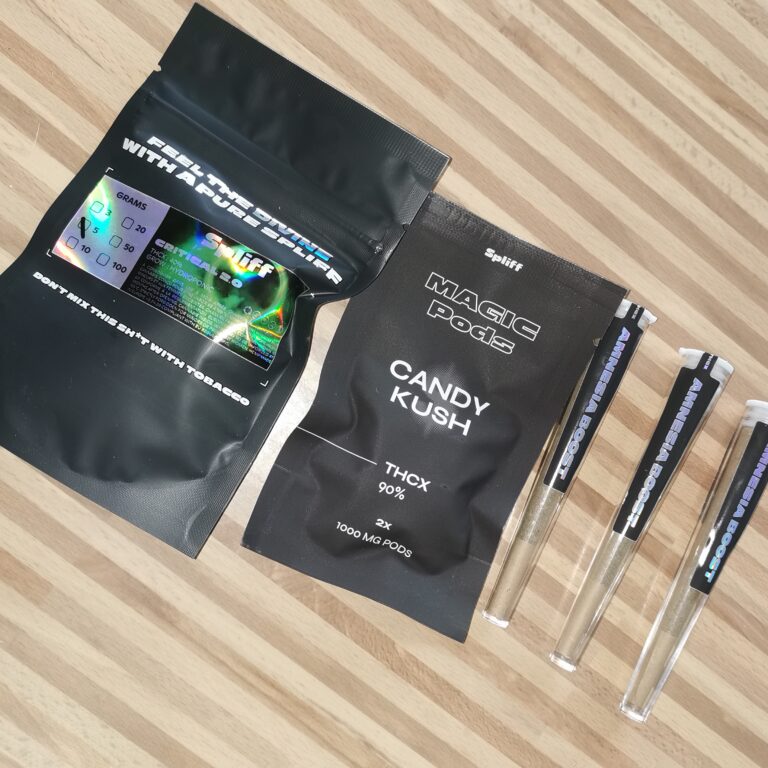
Take Amnesia. Its product page shows the stated content and the price of the day, so you know the recipe before it reaches your grinder. The lab analysis of each batch is available on request from customer service.
Conclusion
Ultimately, the side effects people have reported tend to track the product you choose and how you use it, not just the strain name. Treat THC with the same caution as any mood-altering substance. Check in with a doctor first, particularly if you’re managing a disease like cancer or any ongoing treatment, so they can flag related risks for you.
Frequently asked questions
What are the potential health effects of smoking weed daily?
Daily smoking is linked to injury of the trachea and bronchi lining and chronic bronchitis symptoms[2], plus exposure to benzene, formaldehyde and heavy metals from the smoke[6]. Chronic use is also linked to a dependence syndrome marked by loss of control over use[2]. Talk to a healthcare professional about ongoing habits.
What are the long-term effects of using cannabinoids?
Beyond the respiratory effects tied to smoking, chronic cannabis use can lead to a dependence syndrome with loss of control over use[2], and cannabis use can worsen schizophrenia in people already affected by it[2]. Some studies also point to therapeutic effects of cannabinoids against nausea and vomiting in advanced illness[2].
Sources
- Cannabis — World Health Organization — www.who.int
- Short-Term Effects of Cannabis Consumption — lcb.wa.gov
- Cannabis and Mental Health — www.cdc.gov
- How does marijuana affect our bodies? — www.universityofcalifornia.edu