 Written by Sophie Clarke
CBD bud is hemp flower bred for high CBD and low THC, sharing the same look and genetics as regular weed but a different cannabinoid balance. Spliff’s CBD flowers are lab-tested below 0.3% THC and available in multiple weights, with customer reviews confirming consistent quality.
Contents8 sections
- What is CBD bud, and how is it different from regular weed?
- Does CBD bud make you high?
- Can you smoke CBD bud, or are there better ways to use it?
- How do you spot good-quality CBD bud?
- Is CBD bud legal in Germany, Austria, the Netherlands and Belgium?
- Choosing a CBD bud shop and the right format
- Conclusion
- Frequently asked questions
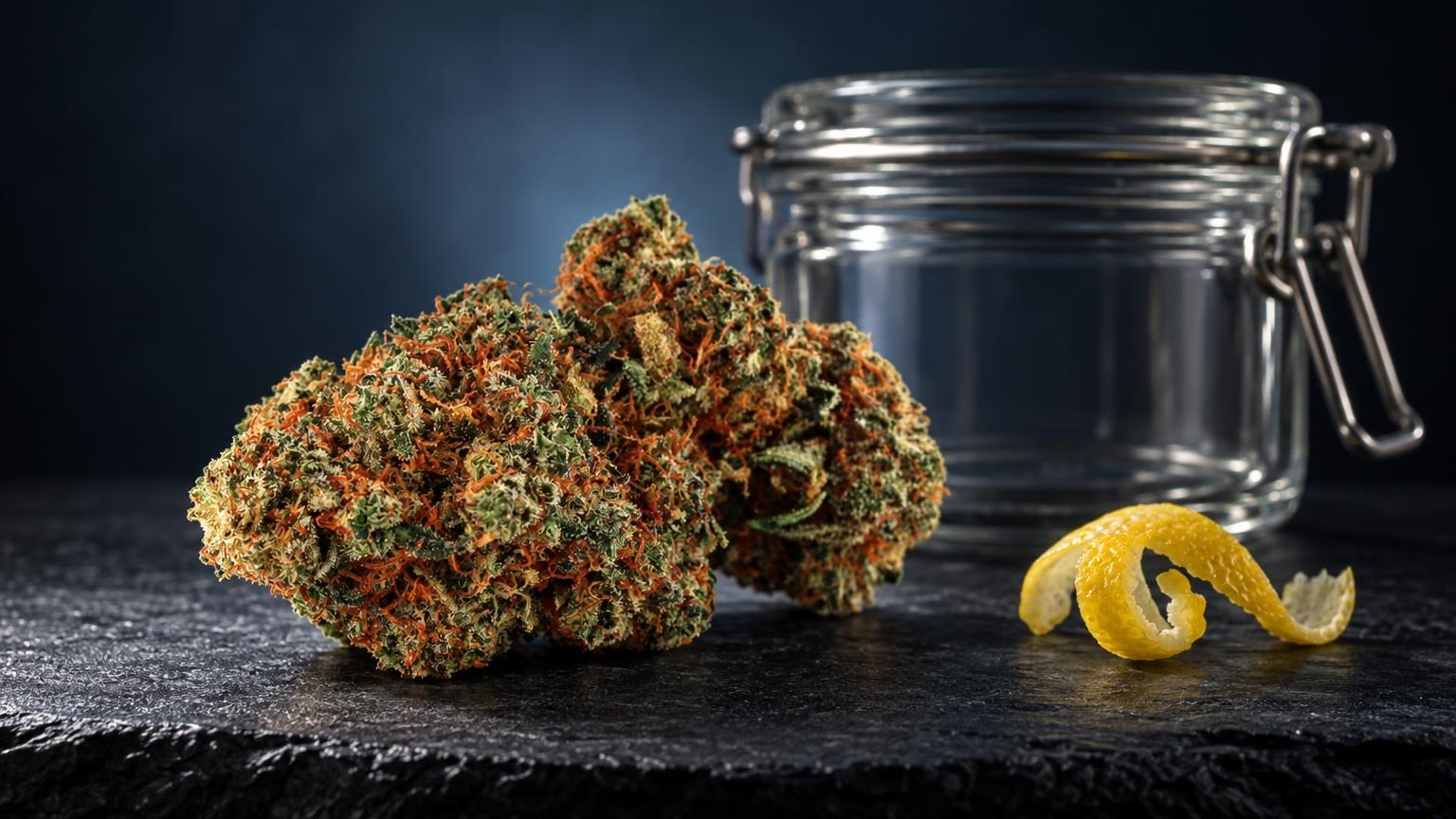
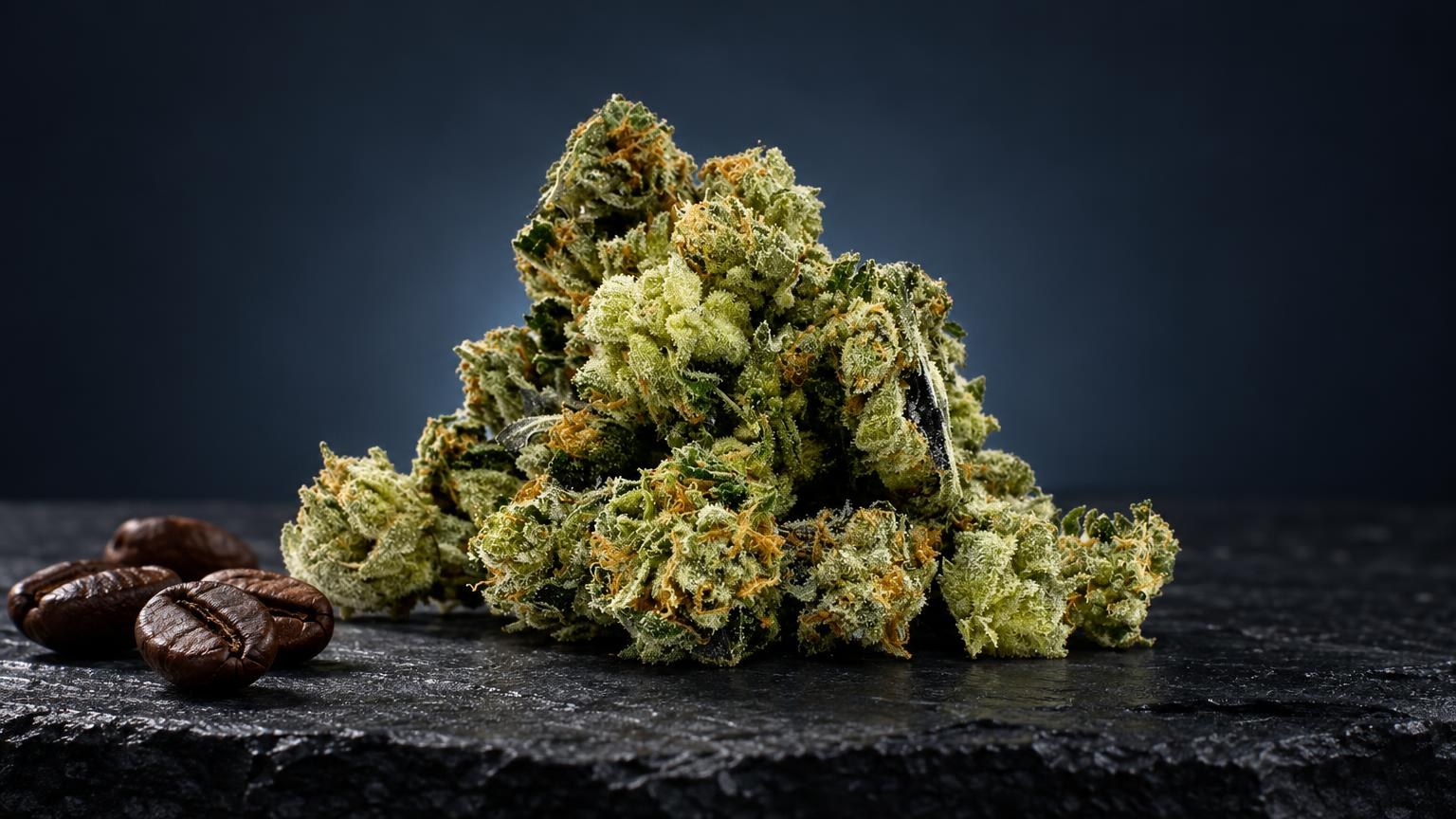
CBD bud is the dried, cured flower of hemp-type cannabis, bred to be high CBD and kept low in THC, so it looks, smells and grinds like any other cannabis flower. Same plant species, different cannabinoid balance. This guide gives you the vocabulary to read a jar of hemp flower properly, then covers effects, uses beyond a joint, quality cues and what to check before buying in Europe.
Think of a bud as a dish with three ingredients. The calyxes are the structure, the trichomes are the sugar coating that holds the cannabinoids, and the terpenes are the aroma palette, usually led by one dominant terpene: citrus, pine, earth, or the tropical pineapple people still link to Maui strains. Like grape variety in wine, genetics set that palette long before harvest.
Growing environment and each grower’s house style shape the rest. Indoor hemp flowers tend to be dense and bright, greenhouse buds sit in between, and outdoor CBD hemp flowers usually turn looser, earthier and deeper in colour.
Typing “is CBD flower illegal” into a search bar won’t get you a blanket yes or no, and neither will this intro. Later sections walk you through what to check for your own country before you buy, because what counts as legal in one market isn’t automatically the same next door.
What is CBD bud, and how is it different from regular weed?
CBD bud and regular weed come from the same plant species, bred in opposite directions: regular weed runs on THC-dominant genetics, while CBD bud pushes CBD to the front and keeps THC low. On sight you often can’t tell them apart: same calyxes, same frosty trichomes, same grind. The cannabinoid profile is what separates them.
That profile is the line that matters on a label. THC is the compound behind the high, and according to the World Health Organization (WHO), performance on complex machinery can be impaired for as long as 24 hours after smoking as little as 20 mg of THC[2]. CBD hemp flower sits on the other side of that line, with high-CBD genetics such as Cannatonic as a classic reference.
CBD bud vs THCX flower: what’s the actual difference?
They share a shelf, not a category. Hemp flower CBD gets its character from the cannabinoids the plant produced itself, while THCX flower is a separate family built to reproduce the feel of THC. The label, not the regular price or a sale sticker, tells you which brew you’re getting.
THCX is a trade name, not a molecule: every batch is lab-tested for classified molecules and none are detected.
- CBD bud: CBD-dominant, picked for aroma, flavour and terpene character.
- THCX flower: aimed at an experience closer to regular weed, with more intensity and its own rules of use.

Does CBD bud make you high?
No, CBD bud isn’t bred to get you high. The classic high comes from THC, and CBD bud is selected to keep THC low while CBD takes the lead. Low still isn’t zero, though, so the cannabinoid profile on the lab report tells you how much THC a given batch actually carries.
Across the range of CBD products, strains and batches differ, and so do bodies: the same flower won’t land identically for two people. High quality CBD flower always comes with a full cannabinoid breakdown, so read it instead of trusting the jar label.
Terpenes shape how a strain comes across, which is why Cannatonic CBD reviews read so differently from notes on a citrusy Sativa-leaning strain. Think of it like wine tasting notes: useful for aroma and character, useless as a forecast. Treat those reviews as flavour notes, not as effect promises.
Can you feel buzzed from CBD bud?
Nobody can promise you a feeling, or tell you when you’d notice one. Low THC isn’t zero, and there’s natural variation from batch to batch and from one body to the next.
The lab report gives you the actual THC figure, and that’s the number to check before you light up.
Will CBD bud show up on a drug test?
It can’t be ruled out. Low THC still isn’t zero, so a positive result isn’t something anyone can honestly exclude for you.
- Check the THC value on the lab report for the exact batch you bought.
- Ask the testing body directly what they screen for.
- If you’re unsure, talk to a healthcare professional before you consume.
If you smoke your flower, keep your lungs in the picture. According to the WHO, heavy cannabis consumption is associated with a higher prevalence of chronic bronchitis symptoms and a higher incidence of acute bronchitis compared with non-smokers[2].
One nuance: the European Medicines Agency has assessed and authorised Epidyolex, a cannabidiol-based medicinal product[3]. CBD bud is a different thing, a consumer flower, with nothing to do with that authorisation.
Can you smoke CBD bud, or are there better ways to use it?
Yes, you can smoke CBD bud: grind it and roll it like any cannabis flower, without tobacco. A dry-herb vaporiser is gentler, because it heats the flower instead of burning it. Terpenes evaporate before they scorch, so you taste more of the strain. Tea and homemade oil work too.
Whatever strains you’re working with, CBD included, an even grind gives an even burn or vapour. The kitchen methods add one step: raw CBD flowers carry mostly CBDA, and heat (decarboxylation) turns it into CBD. A flame does that instantly, but tea and oil need it done first.
How do you make CBD tea from bud?
Plain hot water extracts very little, since cannabinoids dissolve in fat, not water. The fix is simple:
- Decarb the ground CBD flower bud in a low oven on baking paper.
- Simmer it gently in whole milk, or water with a knob of butter.
- Add your tea or spices, then strain through a fine sieve.
Small formats suit these trials: the Mini Bud – CBD – 10 G gives smaller buds of the same flower, with less at stake while you tune your method.
How do you make CBD oil out of bud at home?
Decarb the bud in the oven, then infuse it in a carrier oil over very low heat, never letting it bubble. Any premium CBD flower, glasshouse or indoor, does the job, so save your showpiece buds for the grinder. Strain through cheesecloth into a dark glass bottle, and keep it cool and away from light, since air and light break cannabinoids down towards compounds like CBN.
How do you spot good-quality CBD bud?
Before any of those methods, the flower itself has to be worth it. Good-quality CBD bud smells clean and distinct, carries a dense coat of trichomes and feels slightly sticky without being damp. It also comes with a lab report whose batch number matches your jar. Hay, must or dust are warning signs.
- Nose: an earthy Bubba Kush or a pungent skunk CBD flower should smell like itself, with a terpene profile you can actually name. Flat hay or musty notes point to a poor cure or old stock.
- Look and feel: look for careful trimming, frosty calyxes, stems that snap rather than bend, no brittle powder and no spongy buds. CBD small buds should look like the big ones from the same batch, only smaller.
What should a CBD bud lab report actually show?
A usable report covers a few key points: the CBD and THC values, a batch number, the lab’s name and an analysis date, plus contaminant screening showing the batch is free of pesticides, heavy metals and moulds. Check that the batch on the report matches your package. If a CBD flower shop can’t produce one for its products, look elsewhere.
That date also helps you judge cheap clearance flowers: older harvests lose terpenes, so check the date and smell the flower before calling it a bargain.
The lab analysis of each batch is available on request from customer service.
Is CBD bud legal in Germany, Austria, the Netherlands and Belgium?
There’s no single answer for all four countries. Whether you can buy CBD bud in Germany, Austria, the Netherlands or Belgium depends on each country’s own position, and that position can change. Before ordering, check the current guidance published by the competent authority in your country.
CBD hemp flower can fall under several rulebooks at once: drug law, food rules, smoking-product rules and customs. The same jar of kush or hybrid CBD flower may be assessed differently in Berlin, Vienna, Amsterdam or Brussels, so keeping your CBD flower legal starts with your local rules.
Before you buy, check three points:
- The current legal THC limit for hemp in your country, and whether it applies to the growing plant or to the finished product.
- Who rules on it: your national health ministry, food-safety authority or customs office publishes the up-to-date position.
- How the product is presented: the category a flower is sold under can change which rules apply to it.
The THC value is the first number any authority looks at, so asking for the original analysis behind your batch rewards the extra minute of checking. Every Spliff product is lab-tested: THC content below 0.3% (0% for vapes and pods). The lab analysis of each batch is available on request from customer service.
Choosing a CBD bud shop and the right format
Once you can read a flower and its label, the shop itself is the last filter. A CBD bud shop worth your money makes these points easy to verify:
- a lab analysis for every batch, not one generic sheet for the whole range;
- product pages that state strain, weight and unit price without fine print;
- reviews shown with both a score and a count;
- a returns policy written in plain words.
Anonymous marketplace listings rarely tick those boxes. The seller is hard to identify, and a sale price slashed from an inflated original price tells you nothing about harvest date or batch.
Start small. The Mini Bud – CBD – 10 G lets you get to know a strain without stretching your budget, and the 20 G version makes sense once you know you like it. Compare the current price of both formats on their product cards, then work out what you’re really paying per gram.
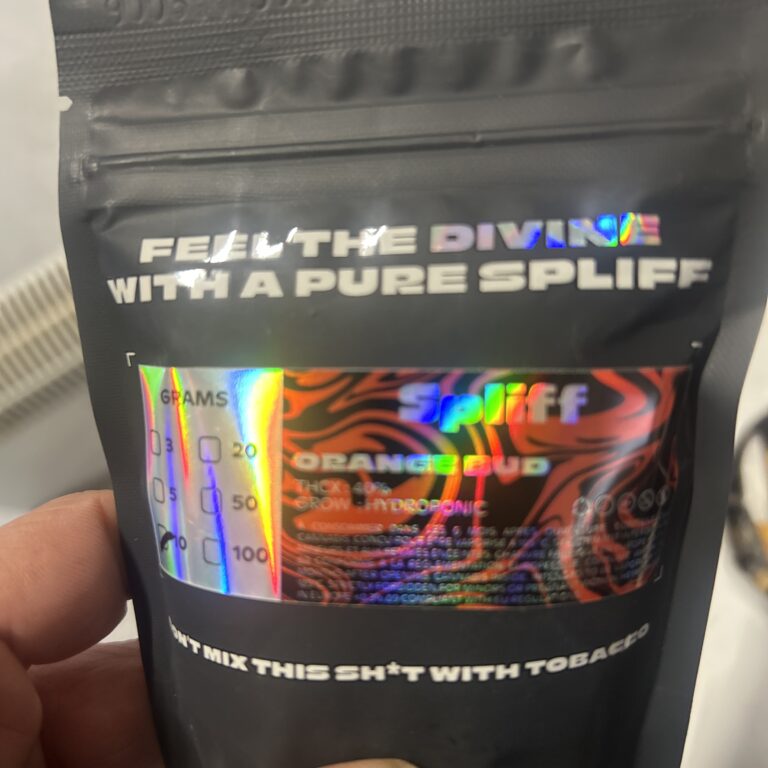
If you’re after something other than CBD, Orange Bud sits in the THCX range introduced earlier.
To round off your setup, pick up a grinder and papers from the accessories. If you’d rather skip the kitchen, a ready-made CBD oil does the job.
Conclusion
That checklist works for any jar, whether it’s a new lemon haze CBD or an earthy, hash-scented cut. Judge the nose, the trichomes and the lab report before you even look at the word “sale” on the label. Then compare the unit price per gram, not the headline price.
The same cues apply whether a haze CBD flower comes from Switzerland or from elsewhere in Europe.
The best CBD bud is the one whose paperwork matches the flower in your hand.
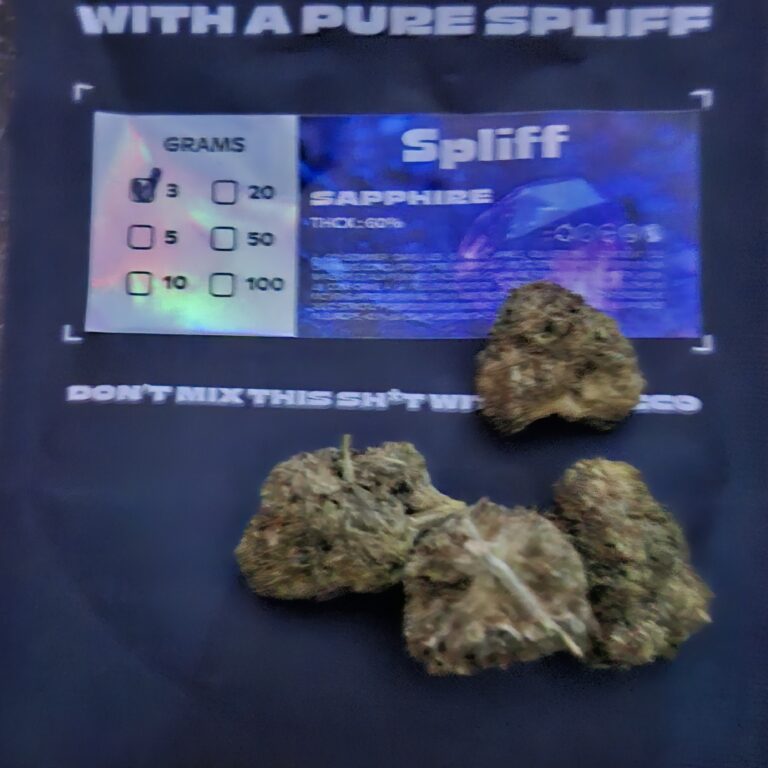
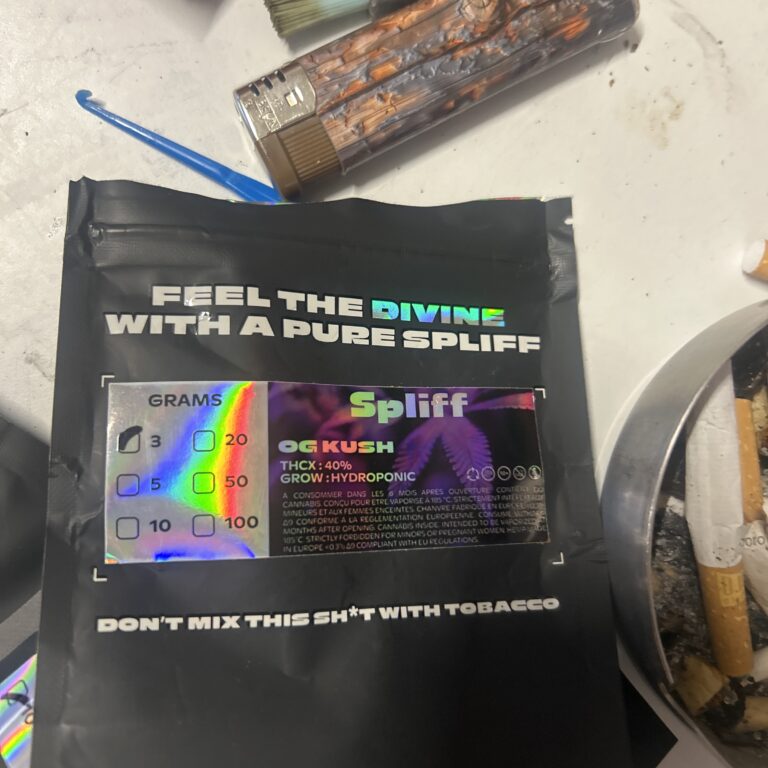
At Spliff, CBD flowers come in 3 g, 5 g, 10 g, 20 g, 50 g and 100 g, so you can start small and scale up once you know a strain.
Frequently asked questions
Will I fail a drug test if I use CBD?
CBD bud itself isn’t the issue; trace THC is. Every Spliff product is lab-tested with THC content kept below 0.3%, but trace amounts can still accumulate with regular use. If drug testing is a concern, check the lab analysis for your exact batch, available on request from customer service, and speak with a healthcare professional.
Sources
- Cannabis — World Health Organization — www.who.int
- Epidyolex (cannabidiol) — European Medicines Agency, EPAR — www.ema.europa.eu