 Written by Sophie Clarke
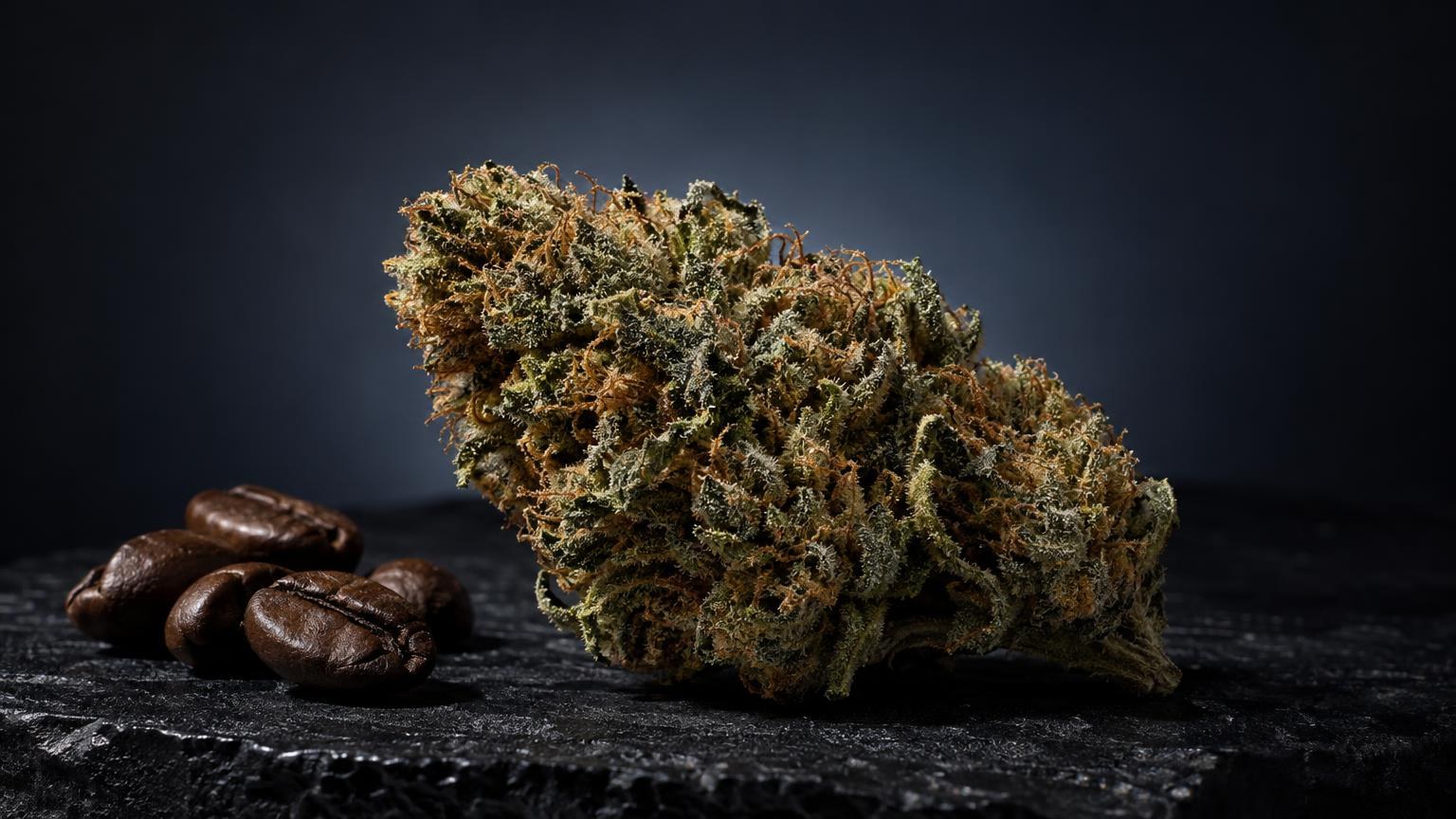
CBD weed refers to dried cannabis flower bred for high levels CBD and low levels THC, giving the same look and aroma as regular weed with a different cannabinoid profile. THC and CBD come from the same plant but act differently, which studies suggest cbd behaves distinctly from THC despite shared origins[4].
Contents7 sections
CBD weed is the dried flower of the cannabis plant, taken from varieties bred for high levels of CBD and low levels of THC, so it looks like regular weed but carries a very different cannabinoid profile. You’ll also see it sold as CBD flower, CBD buds or hemp flower: three names, one product. These three names sit alongside dozens of everyday nicknames, and our guide to slang for weed across Europe lists the most common ones country by country.
The plant itself stays the same. Same buds, same calyxes, same frosty coat of trichomes; what changes is the balance inside, a bit like two loaves baked from the same flour with a different recipe. Among the cannabis-based products available today, flower is the raw ingredient, while hash, oils and vapes are processed formats built on that same plant.
On the market, CBD weed comes in a few familiar formats:
- loose buds, whole or as smaller popcorn buds
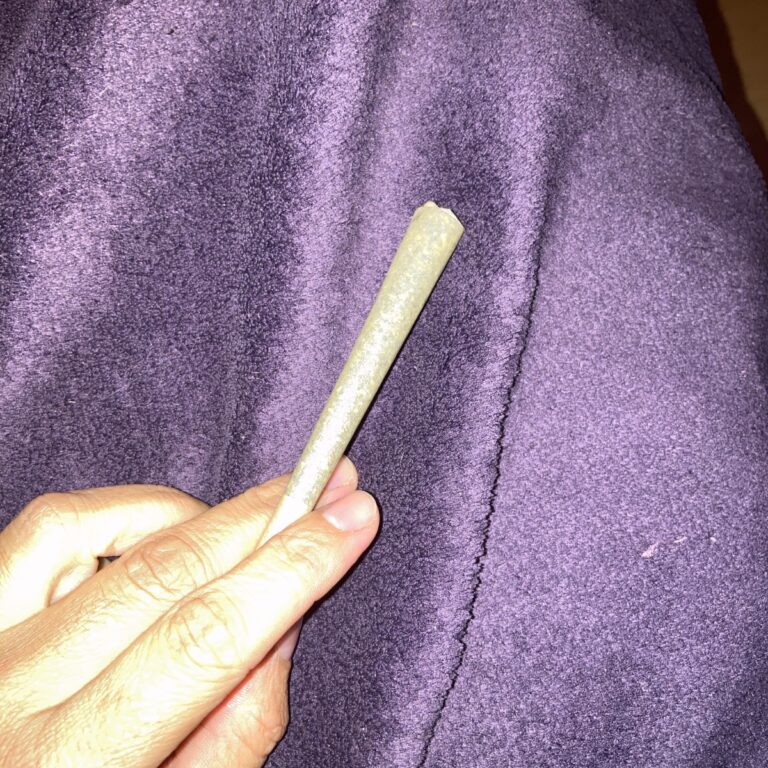
- CBD joints and pre-rolls, ready-rolled
- ground flower, prepped for a dry-herb vaporizer
One expectation to set straight away: it doesn’t deliver the classic THC high, and experiences vary from person to person. If you’re trying cannabis-based products for the first time, this guide walks you through the CBD vs THC profile, what your senses pick up, how indoor, greenhouse and outdoor growing shape the bud, and how to read a lab analysis before you buy.
What is CBD weed?
CBD weed is the dried, cured flower of cannabis varieties bred so their buds contain high levels of CBD and only very low levels of THC. It doesn’t produce the classic THC high, and how it feels can vary from one person to another.
Botany explains why one plant can give two such different experiences. THC and CBD are made by the same cannabis plant and have similar chemical structures, yet they differ dramatically in how they act and in their effects on brain function[4]. Breeders steer that balance through genetics, and the bud you buy is the result.
Among cannabis-based products, flower is the least processed option on the shelf. Hash is compressed resin, oils are extracts diluted in a carrier, and vapes rely on a cartridge containing a liquid formulation. Flower is the only format where you see the plant exactly as it was grown, with its trichomes and terpenes still sitting on the bud.
Flower itself comes in a few formats, and each one has its own trade-off:
- Loose buds: the format that tells you the most about quality.
- CBD joints and pre-rolls: usually rolled without tobacco.
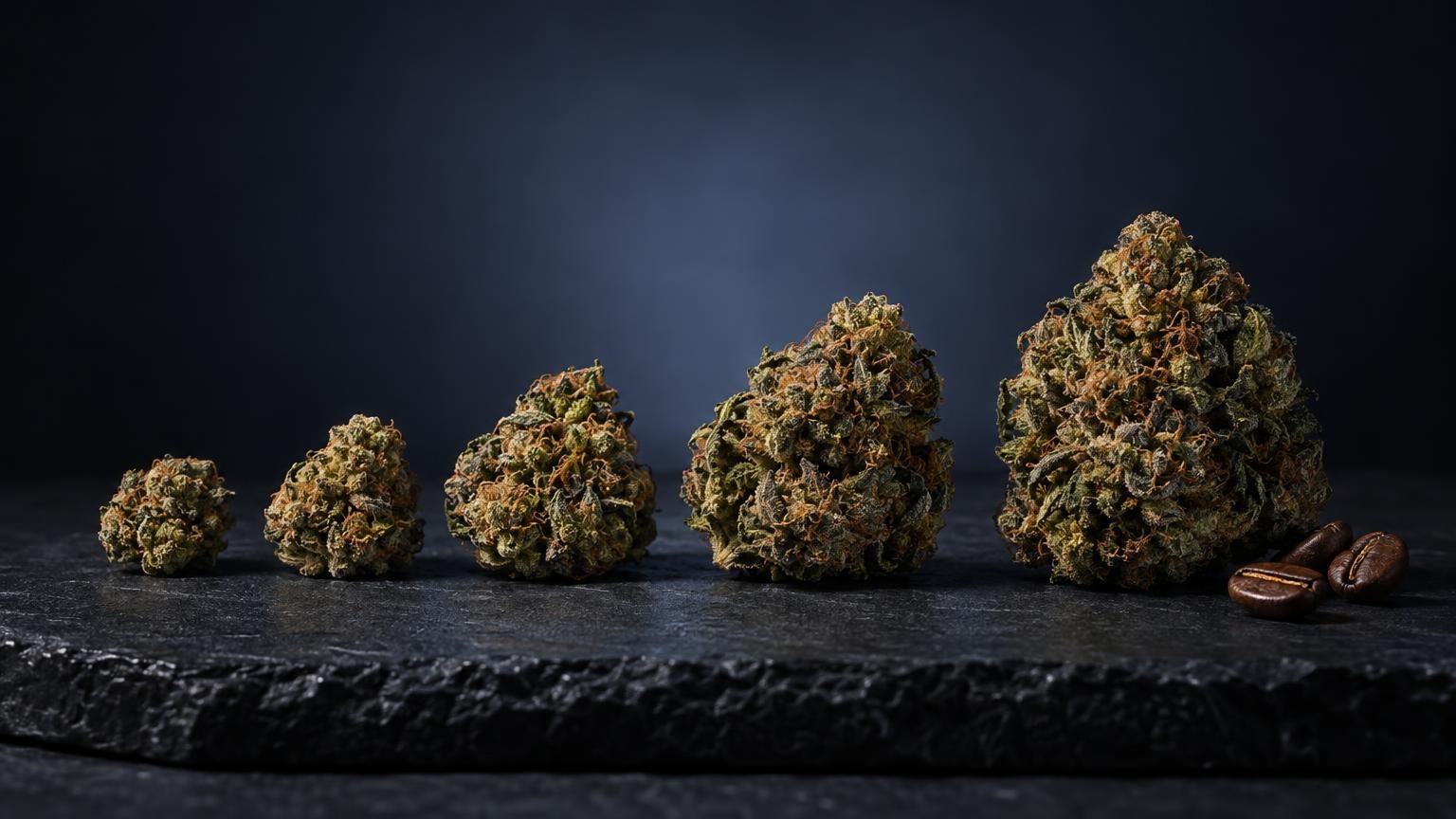
- Small buds: smaller flowers from the lower branches, same genetics in a less photogenic size.
- Ground flower: ready-milled for a dry-herb vaporizer.
CBD weed vs THC weed: the cannabinoid profile
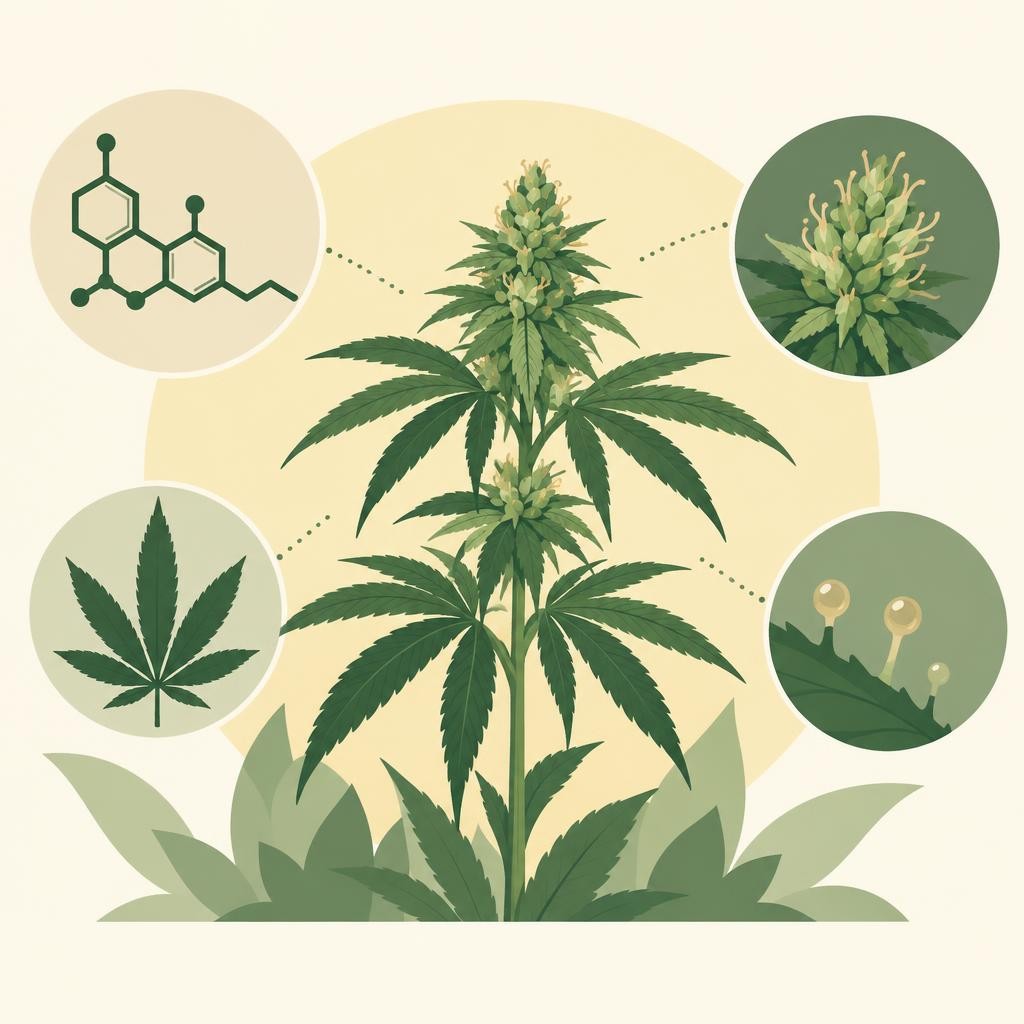
If the plant stays the same, the difference lives in the chemistry, and for anyone considering cannabis based products it comes down to one thing: the THC CBD ratio.
In raw flower, neither compound exists in its familiar form yet. The cannabis plant builds acids, CBDA and THCA, and heat from a flame or a vaporizer turns them into CBD and THC. Whatever the form of administration, the activated version is what counts, which is why serious lab reports list both. For a closer look at buds bred to stay high in this raw acid form, see our guide to THCA flower.
THC is the intoxicating compound behind the classic high. According to Harvard Health, CBD itself does not cause a high and is not addictive[5]. You don’t need a map of the brain to read the result: the ratio, not the strain name, tells you which side of the line a bud sits on.
| What you’re comparing | CBD weed | THC weed |
|---|---|---|
| Dominant cannabinoid | CBD | THC |
| Classic high | No | Yes |
| What defines it | The cannabinoid ratio | The cannabinoid ratio |
CBG, CBN and terpenes fill out the profile like supporting instruments in a band. They shape aroma and character without stealing the melody. A CBD flower sativa label describes genetics and scent, not guaranteed effects.
Across the CBD flowers in our catalogue, from Amnesia to Dream Diesel, you can read what other customers think in the reviews on each product page. The lab analysis of each batch is available on request from customer service.
Look, smell and taste
The THC CBD ratio has no colour and no scent. A CBD flower with low levels of THC can look and smell exactly like the potent stuff, so don’t judge it by its bouquet.
According to the World Health Organization, cannabis is globally the most commonly used psychoactive substance under international control[2]. What you’re picking up is mostly terpenes, the aromatic compounds that act like the bouquet of a wine. Four of them shape most profiles:
- Myrcene: earthy and musky, close to ripe mango.
- Limonene: bright citrus, like fresh lemon zest.
- Pinene: crisp pine needles with a hint of rosemary.
- Caryophyllene: peppery, with a touch of clove.
Those profiles carry through to the taste: limonene-forward is zesty, myrcene-heavy leans earthy and sweet. The Epidyolex research on Lennox-Gastaut syndrome lowered the number of seizures when added to other epilepsy medicines[3], but that’s a medical story, not a flavour one: flavour stays a terpene story.
Your eyes and fingers can still judge quality. A well-trimmed bud shows tight calyxes rather than stray leaves, and good density feels springy, never airy. A slight stickiness means the trichomes are intact.
Moisture matters too: dry enough to snap but never dusty or damp, smelling cured and resinous rather than like hay.
Indoor, greenhouse or outdoor
Those sensory cues get easier to read once you know where the flower was grown. Product pages often add a label (indoor, greenhouse or outdoor), and it tells you more about texture and aroma than about cannabinoid concentrations.
The growing environment works the same way on CBD weed, shaping the density of the bud, its frost and how loud its terpenes are.
| Label | What you’ll usually see | Aroma | Price positioning |
|---|---|---|---|
| Indoor | Controlled light and climate; compact, frosty, very uniform buds | Intense, concentrated | Often the top of the range |
| Greenhouse | Natural sunlight with some control; a middle ground in shape and frost | Balanced, fairly expressive | Often good value |
| Outdoor | Sun-grown; larger, looser buds with more variable colour | Rustic, earthy terpene profile | Usually the most affordable |
Outdoor is the live album: rougher around the edges, but with its own character. Greenhouse sits between the two.
Our take: if you grind your flower for a vaporizer or a joint anyway, greenhouse or outdoor buds make a lot of sense. If you want the full visual and aromatic show in the jar, indoor is where to look.
Reading the lab analysis before you buy
Since neither your eyes, your nose nor the grow label can settle the THC question, the paperwork has to. To check the THC content of CBD flower, you read its certificate of analysis: an independent lab report for that exact batch, showing how much CBD and THC come through in the tested sample.
Here’s the order we’d read it in:
- The lab. A named, traceable independent lab, not the seller’s own bench.
- The date. Recent enough to match the stock on sale now.
- The batch number. It should match the product in front of you, so the report describes that harvest and not a distant cousin of it.
- The cannabinoid table. CBD, CBDA, THC and THCA, each of these cannabinoids on its own line.
With flowers especially, look next for “Total THC”. A report that lists only Delta-9 THC tells half the story, because THCA is the share that heat turns into THC. A thorough lab combines both into one total figure, the way a nutrition label gives you total sugars rather than a single type.
Our take: a readable, recent, batch-linked report is the best sign of serious CBD weed, well ahead of colour or price. If a line puzzles you, ask the seller. A testing specialist reads these tables in seconds, and anyone who regularly uses cannabis products should make that check a habit.
The same logic covers every format, from Afghan Hash to a vape like the Magic Vape, or CBD oil if you’d rather skip smoke entirely. Whatever the format, the report tells you more than the packaging ever will. The lab analysis of each batch is available on request from customer service.
Conclusion
With the paperwork checked, choosing CBD weed gets simple: trust the THC CBD ratio on the lab report, and let terpenes and curing guide your nose. If you’re new to it, start with the lab report and let your taste do the rest.
That’s a question for your doctor, not for a shop.
CBD is not a medicine and is not a substitute for medical advice or treatment. If in doubt, consult a healthcare professional.
For adults only (18+). Don’t drive after use, whatever the CBD THC balance, and that goes double if you use THC products as well.
Flower comes in sizes from 3 g to 100 g, and grinders and papers are in our accessories collection.
Frequently asked questions
Does CBD oil smell like weed?
CBD oil doesn’t share the terpene-driven aroma of raw flower in the same way, since extraction and dilution in a carrier oil change how volatile compounds express themselves. Any cannabis-like scent comes from residual terpenes, not from CBD or low levels THC content, which carry no smell of their own.
Do CBD vapes smell like weed?
CBD vapes rely on a cartridge with a liquid formulation rather than raw flower, so they typically produce little to no plant-like odor during use. Spliff’s lab-tested vapes show 0% THC content, and any scent comes from added flavoring or terpenes rather than from CBD itself.
Sources
- Cannabis — World Health Organization — www.who.int
- Epidyolex (cannabidiol) — European Medicines Agency, EPAR — www.ema.europa.eu
- THC and CBD: Similarities and differences between siblings – PMC — pmc.ncbi.nlm.nih.gov
- Cannabidiol (CBD): What we know and what we don't — www.health.harvard.edu