 Written by Sophie Clarke
 Contents8 sections
- What Ice O Lator Hash Is, in One Paragraph
- Ice O Lator vs Dry Sift vs Static Hash: The Sensory Difference
- White vs Black Ice O Lator: What the Colour Tells You
- The Three Spliff Ice O Lator References, Compared
- How to Use Your Ice O Lator Without Wasting It
- Price: What Ice O Lator Costs in September 2026
- Conclusion
- Frequently asked questions
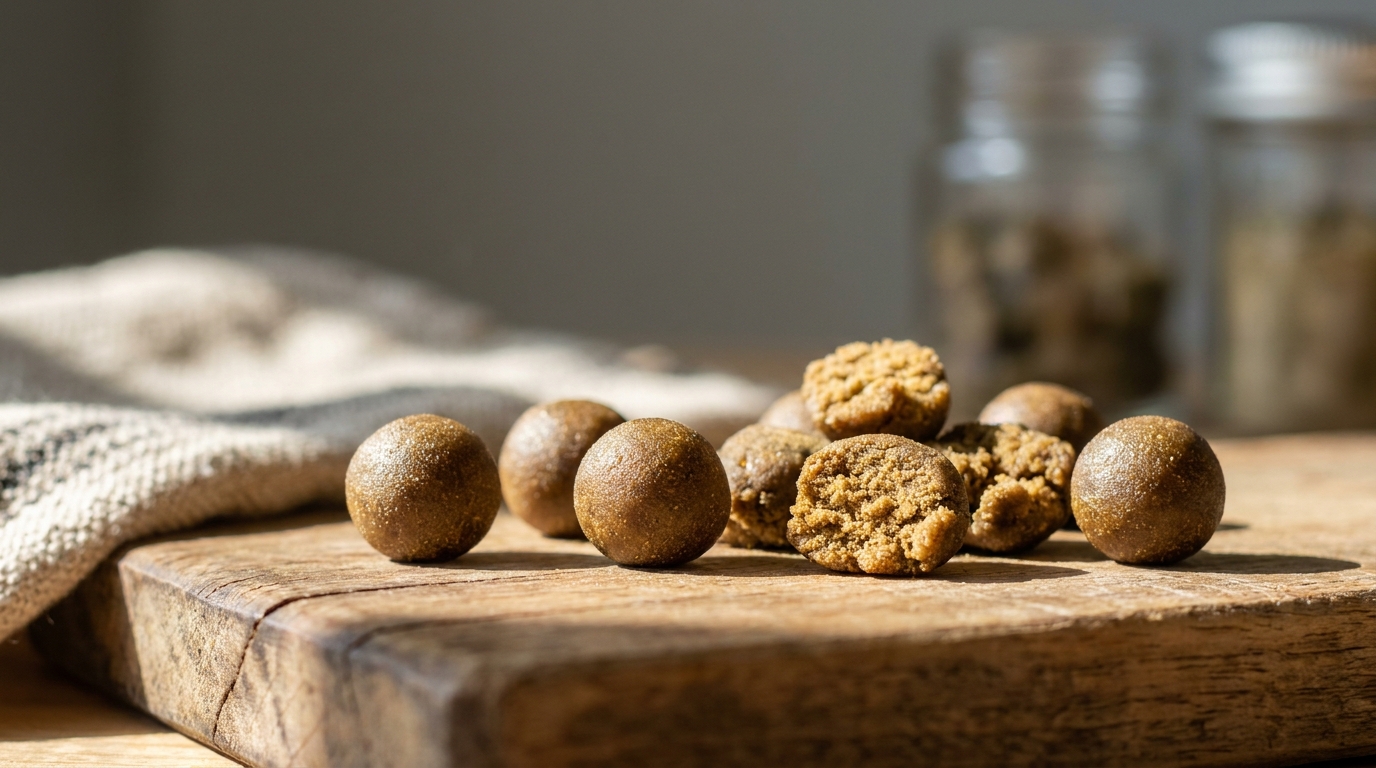
Ice O Lator is hash separated from the plant with ice-cold water and fine screens, which is why you will also see it sold as ice water hash.
It differs from dry-sieved hash by texture, colour and aroma, not by any promise of a stronger effect: the cold water simply sorts the trichomes from the plant matter. That sorting is what you are paying for.
Here is where most search results lose the plot. This is not a build guide, so no bags, no microns, no machine, no steps.
I am talking about the slab you actually buy, already pressed and dried. And I am assuming you settled the hash versus weed question years ago, probably in someone’s kitchen at 2am.
What you really want is to read a label properly. Colour and texture are telling you plenty before you even reach for a lighter, and I will walk you through what they are saying.
The essentials in 30 seconds
Also known as hash ice water or bubble hash ice, this is a purely mechanical sort of trichomes, not a stronger high. Judging an ice lator cbd hash comes down to reading the label and a few quick sensory checks.
What Ice O Lator Hash Is, in One Paragraph
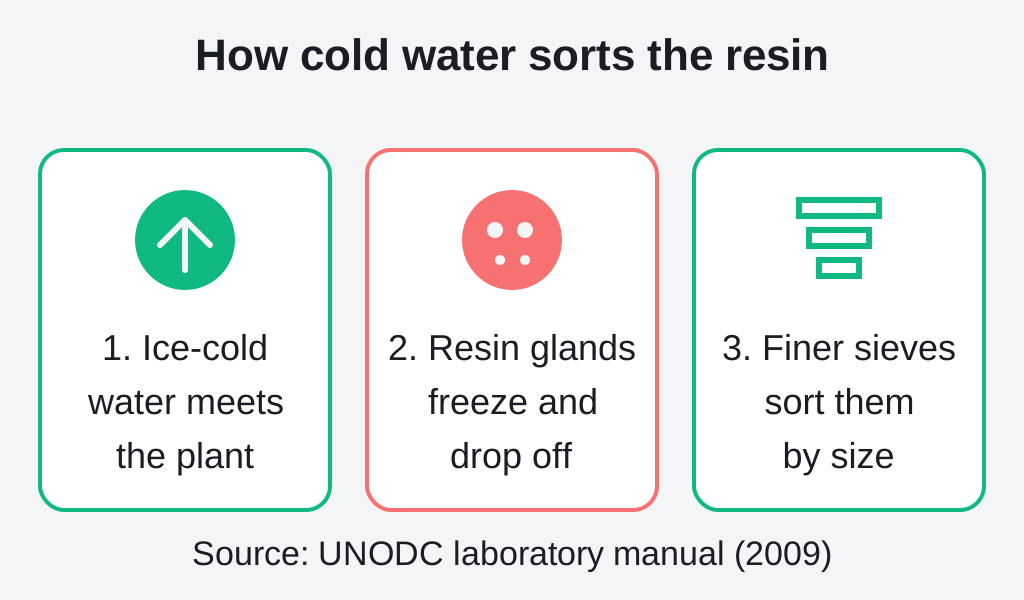
Ice o lator hash is cannabis resin separated from the plant using ice-cold water and fine screens, then dried and pressed into a block. No solvents, no dry sieving, just cold, water and patience. According to the UNODC laboratory manual, which files it under resin from “pollinators” and “ice-o-lators”, low temperature reduces the stickiness of the resin, the ice causes the resin glands to freeze and drop off the plant, and progressively finer sieves do the sorting[1].
The word itself is Dutch. Ice-o-lator started life as a product name at the Amsterdam-based Pollinator Company, which still sells it as the original water and ice separation system[4], and like Thermos or Frisbee it slipped straight into everyday speech. Today it just means ice water hash.
And the label follows the passport. Europe says ice o lator, while North America tends to say bubble hash for the same cold-water product.
So is bubble hash the same as ice o lator? In practice, yes. Same cold-water family, same idea, different word depending on who wrote the menu.
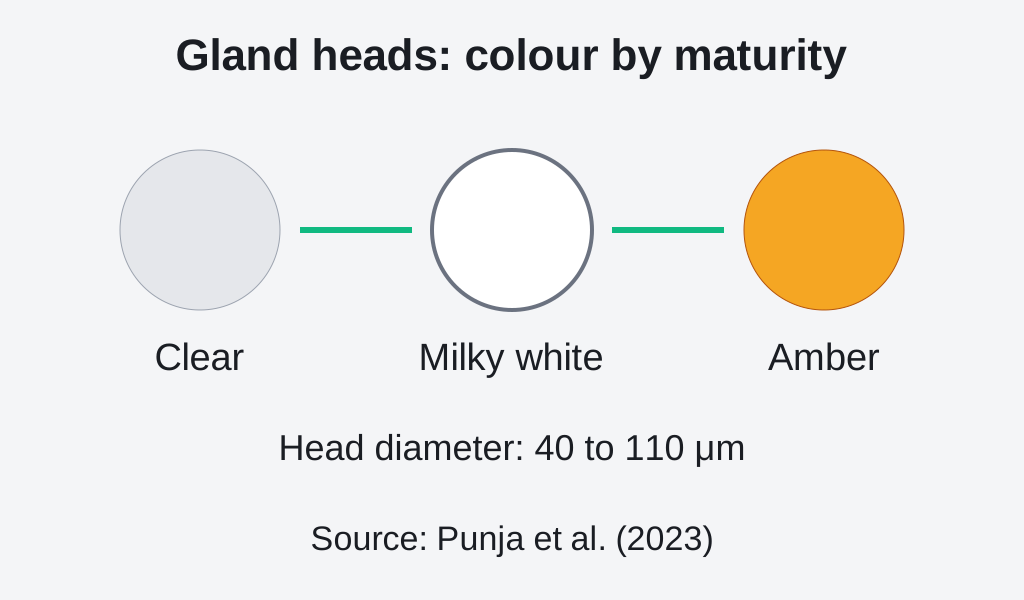
Here is what actually changes. Instead of shaking dried material through a dry screen, the plant meets ice-cold water and fine screens, and the trichome heads (the resin glands carrying the cannabinoids and the smell) come away from the leaf. A study by Punja et al. (2023) measured those glandular heads at 40 to 110 μm in diameter and confirm that cannabinoids and terpenes are produced inside them[2].
You can see it in the finished ice lator hash: a cleaner, more uniform look, and an aroma that hits fresher and louder the second you open the jar.
For the fuller picture on resin versus flower, see our guide to hash vs weed.
Ice O Lator vs Dry Sift vs Static Hash: The Sensory Difference
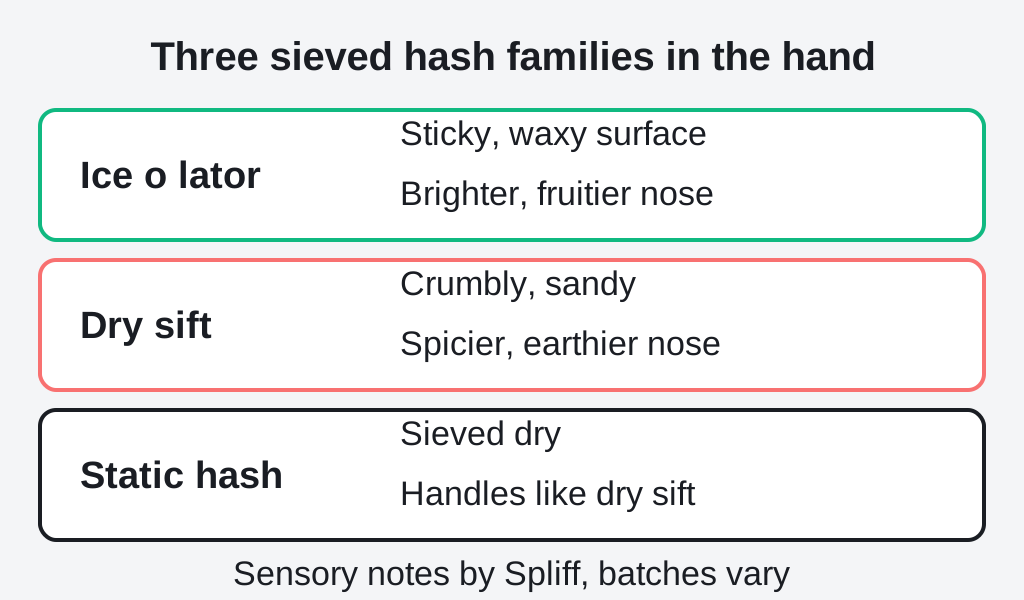
The sensory difference between ice o lator, dry sift and static hash comes down to three things you can check yourself: how the block reacts to warmth, how the surface looks, and what it smells like. Put three pieces side by side and your fingers will tell you more than any label does.
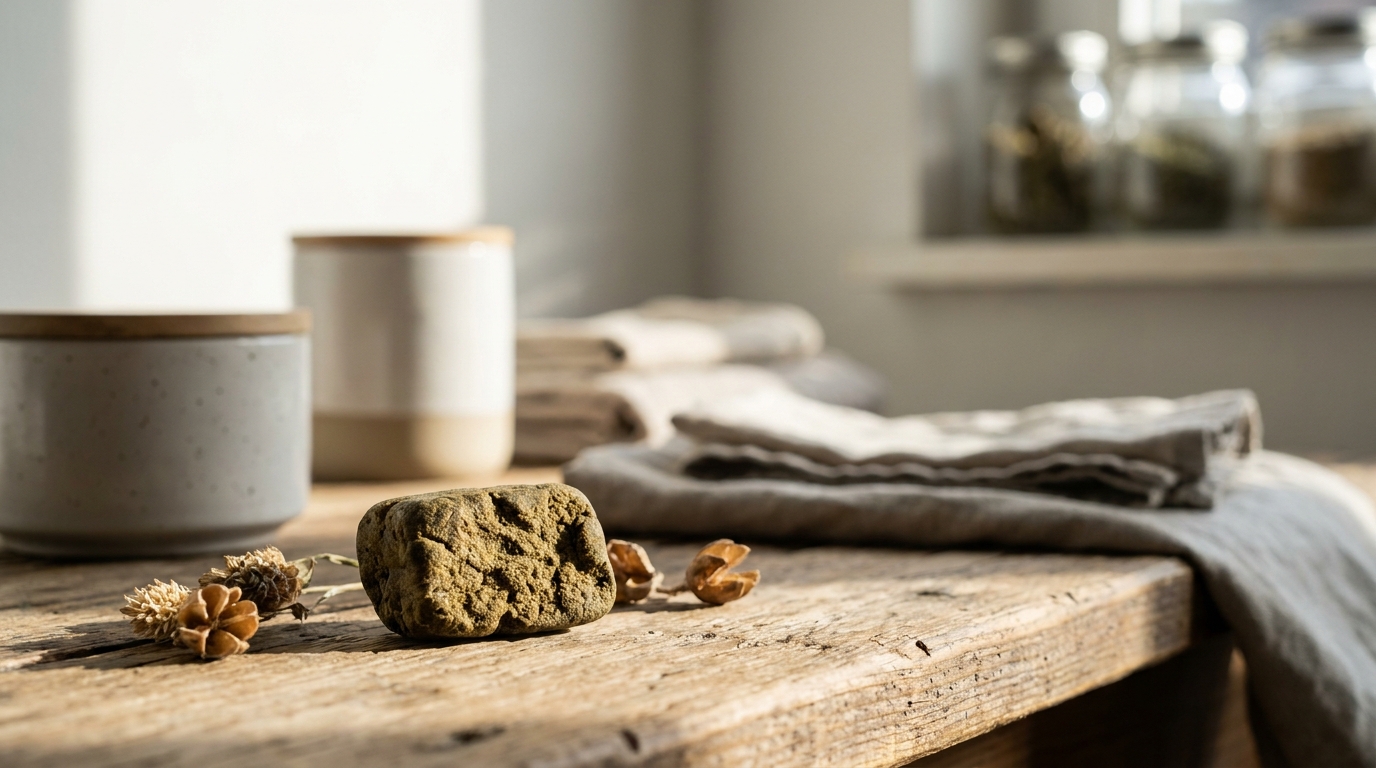
Ice o lator sits on the sticky, malleable side. It turns soft and putty-like in a warm room, then firms up again as soon as things cool down. Dry sift feels drier and more crumbly, and it often breaks into a sandy powder rather than a paste.
I did exactly that on my kitchen table here in Lisbon, three blocks lined up on baking paper. The pale one crumbled at the corner first and only started to spread once it had warmed between my fingers. The dark one went visibly tacky after four or five minutes in a room I had not bothered to ventilate.
That difference in how each block reacts to warmth is the most reliable tell I know.
The surface is far more honest than shade alone. Ice water hash usually looks denser and slightly waxy, while dry sift keeps that granular, powdery look even after pressing.
Aroma is where the gap is widest. The cold and the water tend to hold a brighter, fruitier profile, while dry sift more often leans spicy and earthy. According to Sommano et al. (2020), terpenes sit in the same trichomes as the cannabinoids and are thermally labile[3], so a cold process is at least kind to them on paper. Honest caveat from me: reading an aroma is subjective, and it shifts from one batch to the next, so treat it as a clue rather than proof.
Where static hash fits in
Static hash is the third sieved family in the room, and in the hand it behaves much closer to dry sift than to ice o lator. These are different ways of sorting the same resin glands, not rungs on a ladder.
Quick recap before you go hunting:
- Ice o lator: sticky, waxy surface, softens fast in the warmth, brighter and fruitier nose.
- Dry sift: crumbly and sandy, stays granular even pressed, spicier and earthier.
- Static hash: sieved like dry sift, handles like it too. If you want the detail, we covered it in our full breakdown of static hash.
And if you want the wider picture of how every method compares, start with our complete guide to hash types and extraction, then browse the textures for yourself in the Spliff hash selection.
White vs Black Ice O Lator: What the Colour Tells You
Ice o lator colour tells you where the hash came from and how it was handled, not how strong it is. That pale-to-dark range comes down to the plant material it started as, plus the pressing and drying that happened afterwards. Pressing works the material finer and darker as it goes, which is handling, plain and simple.
Two sources back this up. The study by Punja et al. (2023) shows that the resin inside the gland heads turns from clear to milky white and then to amber as the heads mature[2], so the shade starts with the plant. And the UNODC manual notes that resin appears as loose or pressed sticky powder depending on the method of production[1].
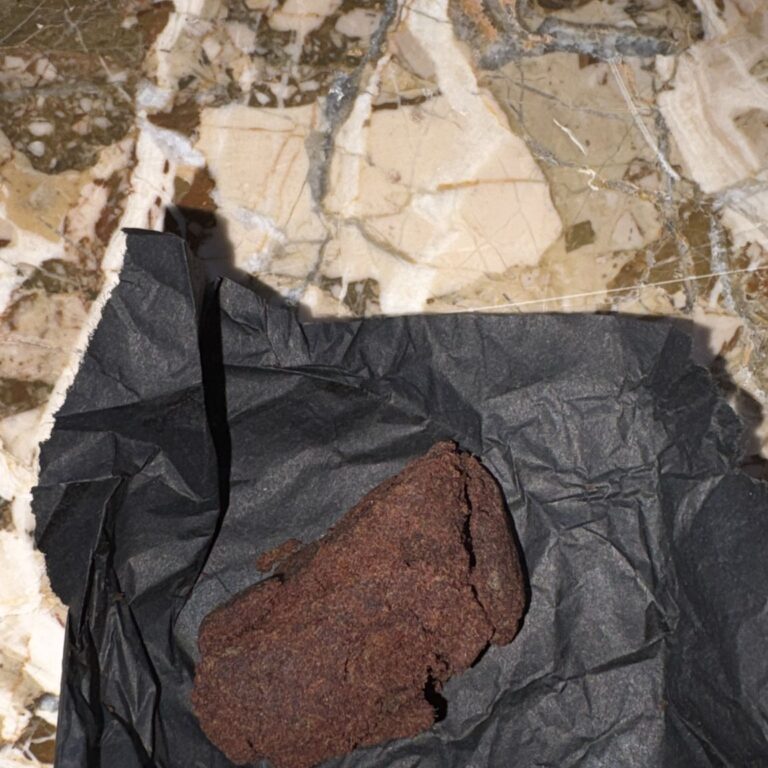
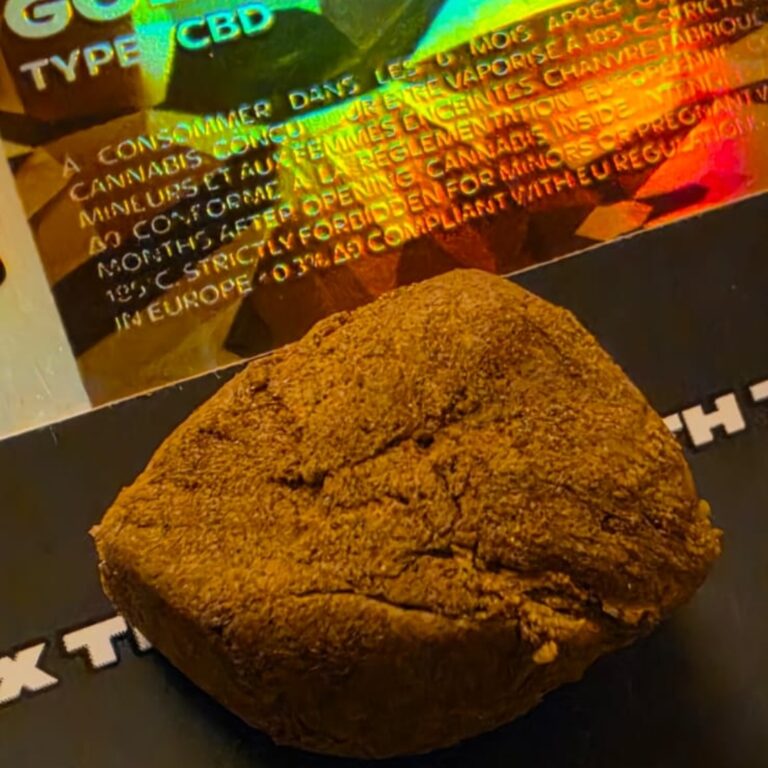
White hash looks pale, somewhere between sandy and creamy in your hand. Get your nose close and the smell leans fresh and floral rather than heavy. It tends to crumble apart before it ever smears.
Black hash sits at the other end of the range: darker, denser, its warmth response the same one flagged earlier. The aroma runs deeper and spicier, the kind you notice across the table.
Both shades turn up across CBD hash and across neo-cannabinoid labels alike. Read the label first, then trust your fingers and your nose for the rest.
The Three Spliff Ice O Lator References, Compared
Spliff stocks three ice o lator references, and they differ on two points only: the cannabinoid printed on the label, and the colour and texture of the hash itself. Here’s what the three labels actually say, side by side, at regular September 2026 prices.
| Product | Cannabinoid on the label | Regular price |
|---|---|---|
| White Ice O Lator 70 | CBD 70 % | 19,80 € |
| White Ice O Lator 30 THCX | THCX 30 % | 23,70 € |
| Black Ice O Lator | CBD | 17,70 € |
You’ll find all three listed on the hash pages at spliffstore.eu, with the current batch details on each product sheet.
All three sit in the same cold-water family, so what changes between them is the starting material and the handling, confirmed by the cannabinoid content on the label.
One thing I want to be straight with you about: THCX is a trade name, not a molecule. It covers hemp-derived neo-cannabinoids, and two producers can put quite different formulas behind the same four letters. Each product sheet carries the details of the current batch, so read it before you compare two labels.
And if this cold-water texture clicks for you, a pressed style like Piatella Hash is the natural next stop. We ship to 21 EU countries.
How to Use Your Ice O Lator Without Wasting It
Once you have picked a label, the rest is just handling. Straight out of a cool drawer, ice o lator stays firm and snaps cleanly, which is exactly when you want to break off a piece.
So work with the temperature instead of fighting it. Cold and firm is your friend when you want to break off a small piece without smearing half of it across the paper. Warm and pliable is better when you want to shape it.
A little goes with flower, or on its own if you want the aroma undiluted. Good resin wants gentle heat, never scorching. The gesture itself is covered in our article on how to smoke hash, so I will not repeat it here.
For storage, keep it sealed, cool and away from heat and light. According to the UNODC manual, cannabis material keeps for many months but THC degrades with time when exposed to air, light and humidity[1], and the same three flatten the aroma over a few weeks. A small airtight tin in a dark cupboard beats a bag on the windowsill every single time, trust me on that one.
Price: What Ice O Lator Costs in September 2026
Straight answer: an ice o lator costs between 17,70 € and 23,70 €, based on regular prices I read on spliffstore.eu on 11 September 2026. No promo window, no flash deal. Treat that as the honest baseline you can plan around.
Three things push a piece up or down that range. First the cannabinoid declared on the label, then the grade of the reference, and finally the plant material it all started from.
The THCX reference sits at the top of the range purely because of sourcing and the extra batch testing that a neo-cannabinoid label demands. The two CBD references land lower, with Black Ice O Lator right at the floor.
Want to compare textures and labels a bit more before you commit? The full all CBD hash selection covers dry sift and pressed styles alongside the water-separated ones, so you can see where ice o lator actually sits.
Conclusion
So here’s where we land: choosing an ice o lator is way simpler than the forums make it look. One resin, one solvent free method, and the label plus your own senses are all you need.
Want the familiar route? Go for a white piece labelled CBD, it’s the easiest first buy you’ll make. Prefer something darker, deeper on the nose? Or you’re curious about what THCX actually means as a trade name for unscheduled neo-cannabinoids? That’s covered too.
My own approach after years of sniffing my way through these: trust your nose over the hype, start low, and take notes. When you’re ready to compare textures side by side, our CBD hash collection is a decent place to start looking.
Frequently asked questions
What is Ice O Lator?
A Dutch product name turned generic term, now used for hash made with ice-cold water and fine screens rather than solvents.
What is Ice O Lator hash exactly?
Cannabis resin separated with ice-cold water and fine screens, then dried and pressed into a slab. Compared to dry sift, it looks stickier and waxier, and smells brighter when the jar is opened.
How strong is Ice O Lator hash?
The method sets no strength of its own: it is a mechanical sort. The figure to read is the cannabinoid content declared on the label.
Is bubble hash ice the same as Ice O Lator?
Yes, same cold-water family, same product, just different regional wording.
Does the colour of Ice O Lator CBD hash indicate its quality?
No. Shade comes from the maturity of the resin heads and from pressing and drying. Quality shows in the label, the texture and the smell.
How do you handle a piece of Ice O Lator hash without wasting it?
Keep it cold and firm when you want to snap off a clean piece straight from a cool drawer, and let it warm up when you want to shape it, since it turns soft and putty-like at room temperature. Working with temperature instead of fighting it avoids smearing product across the paper.
Sources
- Recommended Methods for the Identification and Analysis of Cannabis and Cannabis Products (section 3.13.2, cannabis resin) — United Nations Office on Drugs and Crime, 2009 — www.unodc.org
- Punja ZK, Sutton DB, Kim T. Glandular trichome development, morphology, and maturation in cannabis inflorescences — Journal of Cannabis Research, 2023 — pmc.ncbi.nlm.nih.gov
- Sommano SR, Chittasupho C, et al. The Cannabis Terpenes — Molecules, 2020 — pmc.ncbi.nlm.nih.gov
- Pollinator Company, Amsterdam — maker of the original Ice-O-Lator — pollinator.nl