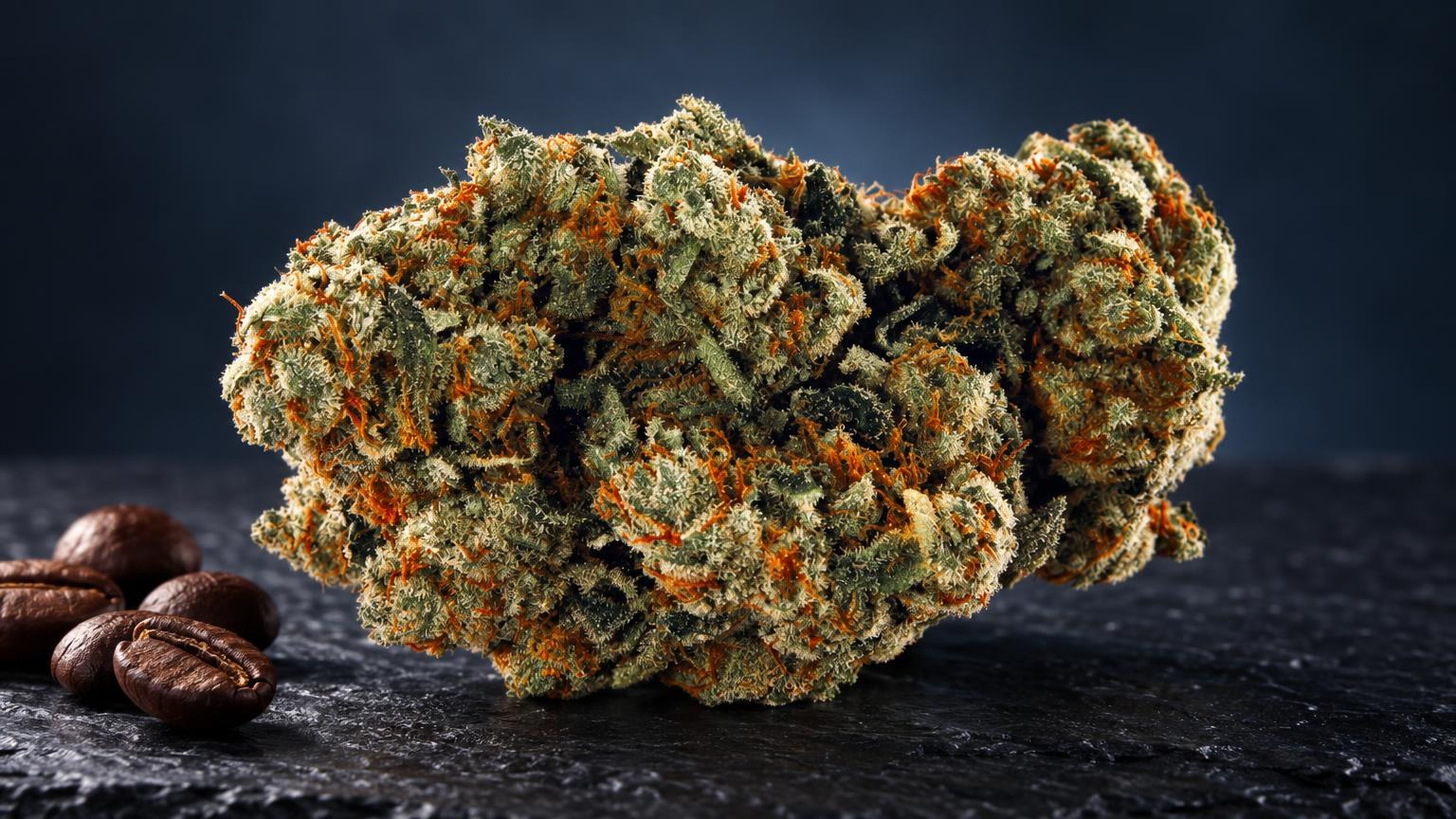
Weed, pot, ganja, Mary Jane, dank and gas: English and European slang for cannabis spans jazz-era coinages, Sanskrit roots and Gen Z quality labels, with over 1,200 slang names identified for the plant[4]. Spliff ships across these markets, offering flower in multiple weights for anyone browsing the day’s menu of options.
THCX flowers at Spliff · from €2.80/g · ★ 4.9/5 (462 reviews)
72 h delivery in Europe · Free delivery from €99
Contents6 sections
Slang for weed refers to the informal names English speakers use for cannabis and marijuana use, and the most common one is simply “weed”, ahead of pot, grass, herb, bud, green and dope. Below you’ll get these core slang names first, then the story behind them: ancient words like ganja and kif, 20th-century reefer and Mary Jane, Gen Z emojis, and how Germans, Dutch, French, Spanish, Italians and Poles actually say it. Every etymology is hedged, because plenty of popular origin stories are myths.
Weed became the global default because it’s short, neutral and travels well online. Dope still circulates, but it reads older and vaguer, since it has labelled more than one substance over the years.
Many marijuana slang terms describe a format rather than the plant itself:
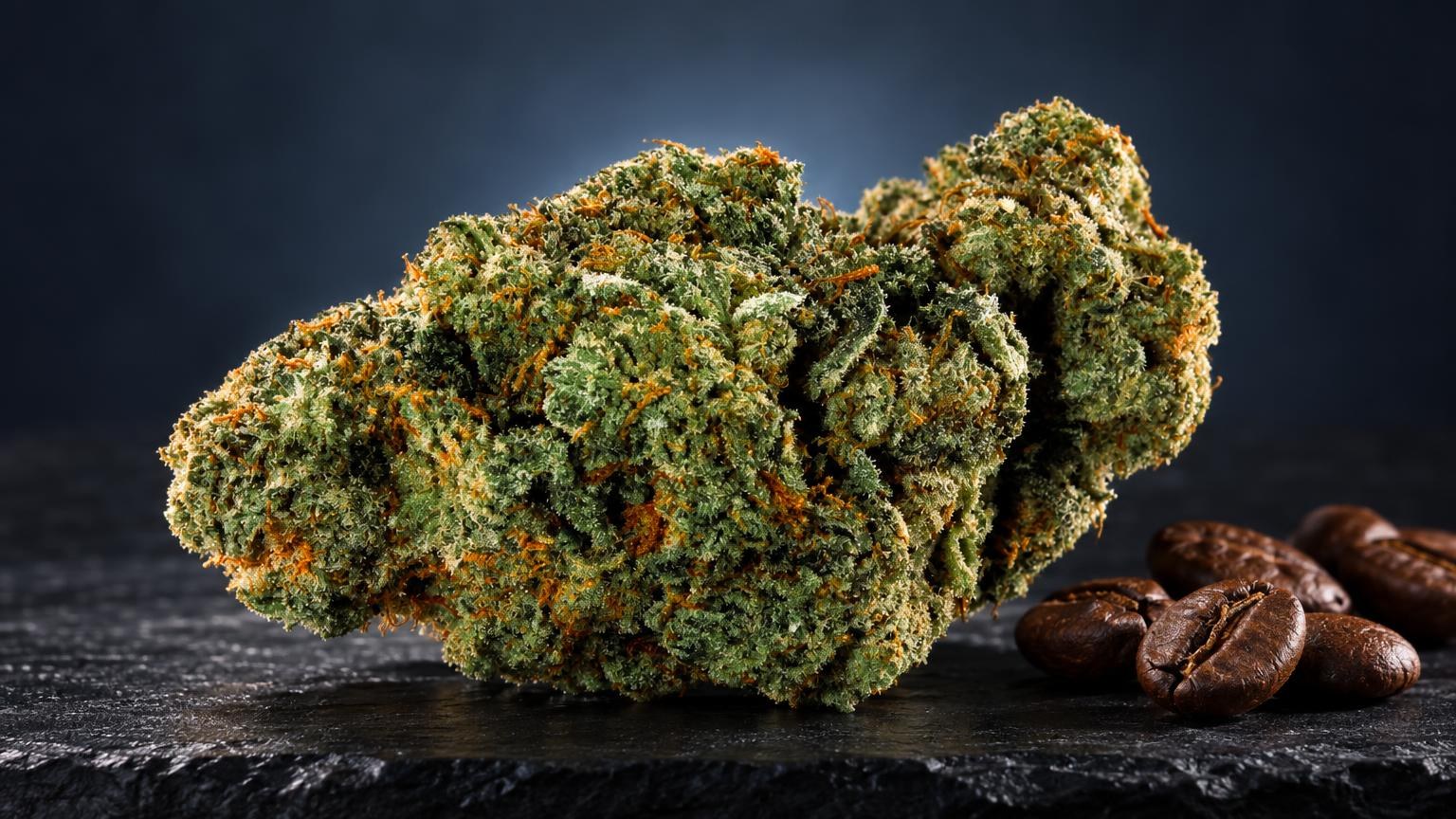
- Plant words: flower, bud and nug all mean the dried, trimmed cannabis flower.
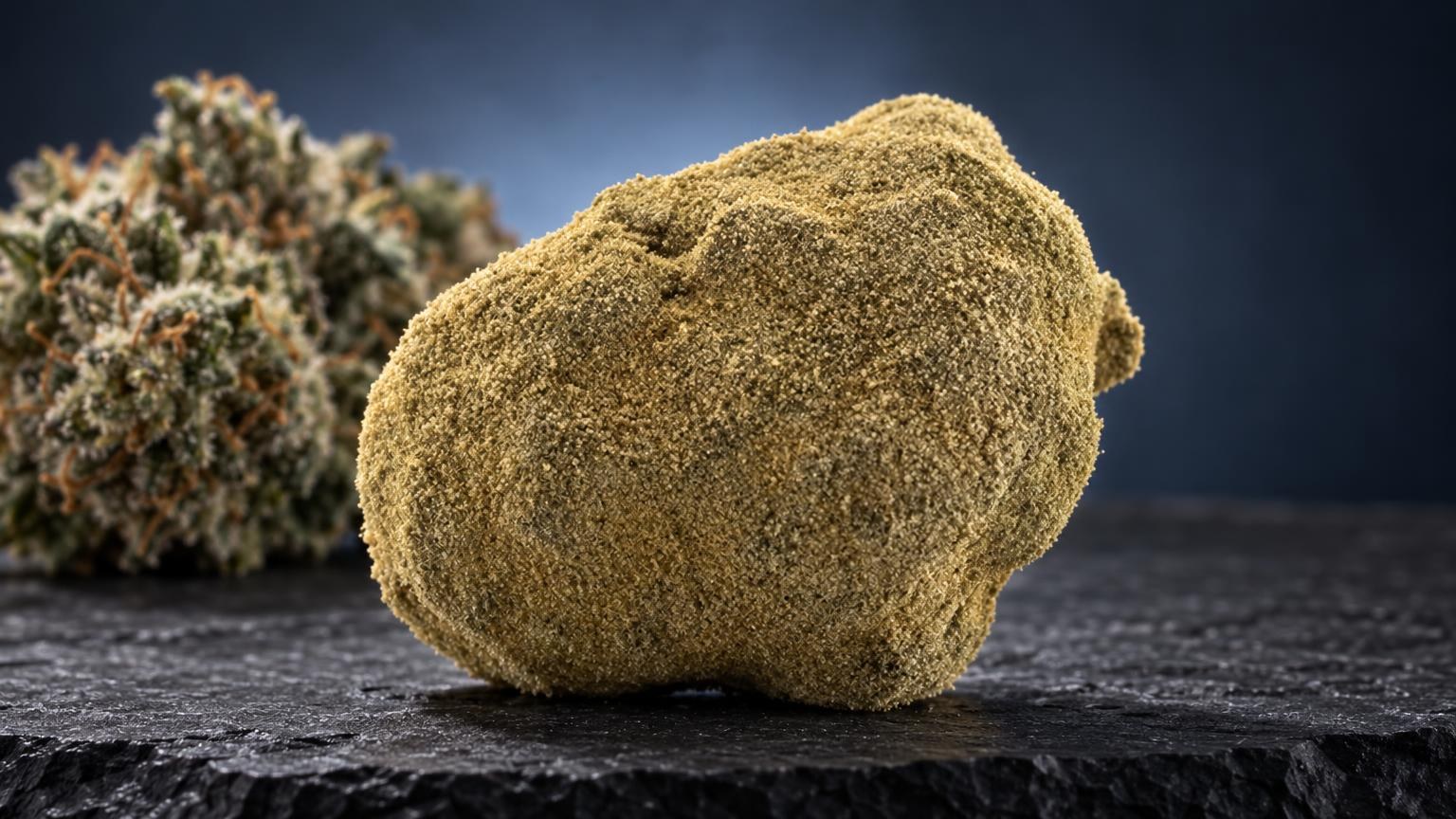
- Rolled formats: a joint (also J or doobie) is rolled in paper, a blunt uses a cigar wrap, and a pre-roll is a joint sold ready-made. A spliff is cannabis rolled with tobacco, a term most often traced to Jamaica.
- Product words: hash means pressed resin, while edibles and space cake cover any products you eat.
Among the common slang words weed lovers use today, bud, joint and green sound natural from Berlin to Antwerp. Doobie, on the other hand, sounds lifted straight from a film.
What is the most common slang for weed?
The most common slang for weed is simply “weed”, the default word across English-speaking internet culture, ahead of other plant names. Format words such as joint, blunt, spliff, hash and edibles don’t rename the plant: they tell you what form the cannabis takes.
A lot of marijuana slang is older than it sounds. According to Wikipedia’s List of slang names for cannabis, most US slang names for marijuana and hashish date to the jazz age, when it was called gauge, jive or reefer[4].
Part of the staying power of cannabis slang is that it hides in plain English. Out of context, a “pot” could just as easily hold basil as bud.
Place-based names tied to Panama and Maui belong to that older layer too. For the everyday words, think of the table below as a pocket appendix: cannabis slang sorted by what it actually describes.
| Weed slang | Type | What it means |
|---|---|---|
| Joint, J, doobie | Format | Cannabis rolled in paper |
| Blunt | Format | Rolled in a cigar wrap |
| Spliff | Format | Cannabis rolled with tobacco, a term traced to Jamaica |
| Pre-roll | Format | A ready-rolled joint |
| Flower, bud, nug | Plant | The dried cannabis flower itself |
| Hash | Product | Pressed resin |
| Edibles, space cake | Product | Cannabis in food |
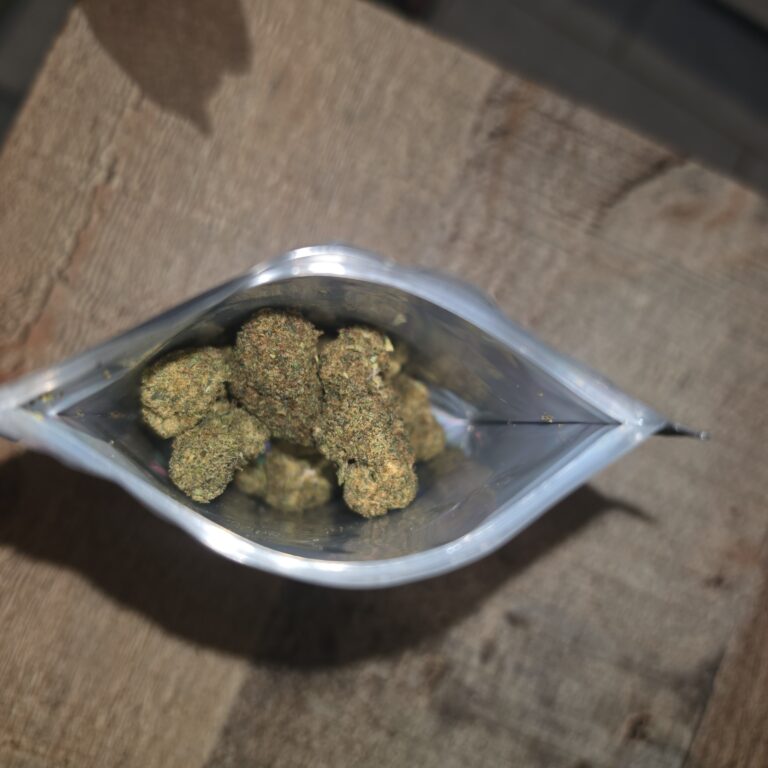
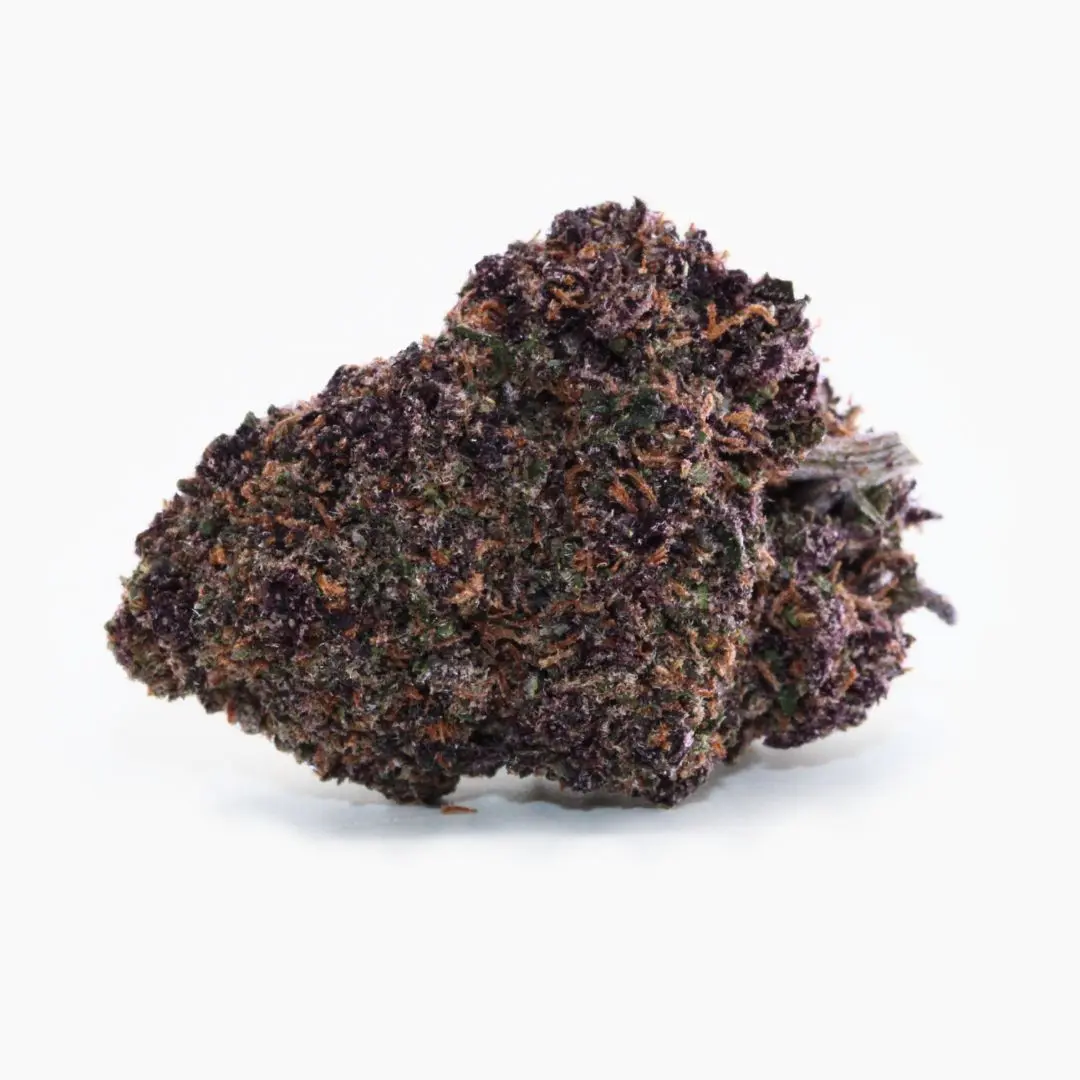
The plant words are the ones you’ll meet when you shop, and strain names add a second layer. Bubba Kush from our CBD range is “flower” in the literal sense: whole dried buds, offered in 3 g, 5 g, 10 g, 20 g, 50 g and 100 g. The “kush” part names the strain, not the format.
Ganja, kif, hashish: the oldest names for cannabis
Weed and pot are the newcomers. The words that sound most exotic in any list of slang for weed are actually the oldest names cannabis has carried, brought into English by trade routes, empires and migration.
That long history is part of why the vocabulary is so huge, with hundreds of names spanning continents and centuries[4]. Most of the oldest names marijuana still answers to began as plain, everyday words in their own languages.
| Word | Language of origin | What it names |
|---|---|---|
| Cannabis | Greek kannabis | The plant itself |
| Ganja | Sanskrit/Hindi gañjā | The flower, later a core Rastafarian word |
| Hashish | Arabic, often glossed as “grass” | Pressed resin |
| Kif | Arabic, often glossed as “pleasure” | North African cannabis culture |
| Bhang | South Asian | Ground leaves and flowers |
| Charas | South Asian | Hand-rubbed resin |
The Arabic pair is worth a second look. Hashish is often glossed as “grass” and kif as “pleasure” or “well-being”, though etymologists don’t all agree on the exact shades. Treat those translations as the popular reading rather than settled fact.
The word cannabis is most often traced to the Greek kannabis. Herodotus’s account of Scythian customs is often cited as an early written mention, though the details are debated. Ganja took a longer road, travelling from Sanskrit and Hindi to the Caribbean with workers from India, where Rastafarian culture turned it into a core word.
Bhang and charas name specific preparations, a bit like “espresso” and “cold brew” both mean coffee. Bhang is green and earthy, ground from leaves and flowers. Charas is resin rubbed from living buds by hand, so it comes out dark, sticky and intensely fragrant.
Kif may have left the clearest mark on Europe. Through North African hash culture, Moroccan above all, it’s commonly suggested as the root of German kiffen, the everyday verb for cannabis use, but that’s a widespread etymological theory rather than one confirmed by a linguistic source we can point you to. The verb comes back in “How Europe says weed: German, Dutch, French, Spanish, Italian, Polish”.
Reefer, pot and Mary Jane: the 20th-century weed slang
If ganja and kif arrived by trade route, the next wave of slang for weed shipped out of the United States, carried worldwide by records, films and later the internet. That’s why so many common slang terms for marijuana in English sound American: most of them are.
The short answer to “what are slang terms for pot?” is reefer, Mary Jane, Aunt Mary, tea, muggles, grass, dope and herb. Nearly all of these slang names for marijuana were coined or popularised in the US during the last century.
- Marijuana and Mary Jane: the most widespread explanation is that “marijuana” (or “marihuana”) reached American English from the Spanish spoken in Mexico early in the last century, but that etymology is still debated. Mary Jane and Aunt Mary are usually read as playful anglicisations of it, though the exact path is unclear, which is why a slang list can jump from ganja to Mary Jane in one line.
- Reefer, muggles and tea: these began as insider words among jazz-age musicians in New York City and other American cities. “Jazz cigarette” still works as a knowing nod to that scene, and the propaganda film Reefer Madness locked “reefer” into pop culture.
- Pot: its origin is disputed. One popular theory traces it to the Mexican Spanish potiguaya, but treat that as a theory, not a fact.
- Grass, dope and herb: counterculture words of the sixties and seventies, still understood everywhere English is spoken.
Weed itself remains a commonly used slang term for drug cannabis, and the vocabulary never stopped moving: newer names like trees came into use early in the twenty-first century[4].
Gen Z words and emojis for weed: zaza, gas, loud and mids
The jazz-era words came from clubs; the newest layer of slang for weed comes from adult internet culture, and it grades the flower rather than naming it or describing the high. If you’re wondering what Gen Z adults online call weed, the answer is zaza, za, gas, loud, fire, exotic and mids. Read as a ladder, these terms run from low quality to top shelf.
| Term | Tier | What it claims about the flower |
|---|---|---|
| Schwag, reggie | Low quality | Flat smell, dry or crumbly texture, few visible trichomes, stems and seeds |
| Mids | Middle | Decent but forgettable: average aroma, average frost |
| Dank | High quality | Sticky, resinous, a high quality potent flower with a strong nose |
| Loud, gas, fire | Top shelf | Terpene-heavy aroma you notice before the bag is open |
| Zaza, za, exotic | Premium exotic quality | Rare genetics, dense frosty buds, a standout flavour |
Notice how much of the ladder is about smell. Calling a bud dank is the older way of saying it reeks in the best sense. Loud frames aroma like volume on a speaker, while gas points to the diesel and fuel notes of terpene-rich strains.
The emoji code is the same shorthand in picture form. The leaf, evergreen tree and broccoli emojis stand for the plant or a nug, the dash means smoke, and the fire emoji means top quality.
Under every label sits the same raw material. On its cannabis page, the World Health Organization treats cannabis as an umbrella term covering several psychoactive preparations of the Cannabis sativa plant[2]. The ladder only describes how well that plant was grown, dried and cured.
How Europe says weed: German, Dutch, French, Spanish, Italian and Polish
Zaza and gas travel across borders through English-language feeds, but at street level every European language keeps its own slang for cannabis. Here’s what people actually say in six of them, sorted by what the word names.
| Language | Weed (the plant) | Hash | Joint / smoking |
|---|---|---|---|
| German, Austrian | Gras, Dope | Ott, Dope | Tüte, Joint; kiffen |
| Dutch, Flemish | wiet, stuff | hasj | jonko; blowen |
| French (Belgium) | beuh, herbe | shit, teuch | bédo, pétard |
| Spanish | maría, hierba | costo | porro |
| Italian | erba, maria | fumo | canna |
| Polish | trawka, zioło, marycha | hasz | skręt |
Tone matters as much as meaning. In German, Gras is plain and neutral, Ott sounds older and more street, and Tüte (literally “bag”) is the relaxed word for a joint. The verb kiffen itself traces back to that North African root mentioned earlier.
Dutch has its own verb, blowen, plus jonko for a joint. It also exported space cake, a Dutch-origin term now understood across Europe for cannabis baked goods. French slang flips syllables through verlan, which is how shit became teuch, while Spain gives you maría for the plant and porro for the roll.
Whatever you call the plant, Gras, wiet or erba, a CBD flower like Big Buddha or Banana Berry is the literal version: whole dried buds, not a joint or a cake.
Conclusion
From Sanskrit ganja to Polish trawka, slang for weed shows where each word travelled and who carried it. Keep plant words, format words and the quality ladder apart, and you’ll decode almost any shop menu or meme. Slang moves fast, so expect the next edit soon, and keep judging flowers on aroma, cure and texture rather than hype.
Whatever you call it, Spliff ships to readers across Europe, including Austria, Belgium, Germany and the Netherlands.
Sources
- Cannabis — World Health Organization — www.who.int
- List of slang names for cannabis – Wikipedia — en.wikipedia.org