 Written by Sophie Clarke
CBD Flower at Spliff · from €0.65/g · ★ 4.9/5 (936 reviews)
72 h delivery in Europe · Free delivery from €99
Contents6 sections
A sativa plant means two different things depending on who’s talking. In a botany journal, it means a species. On a shop label, it’s a category: a tall, narrow-leafed plant type used to sort strains.
Most of the confusion starts with that double meaning. When you see “sativa” on a label, you can’t tell whether someone is talking taxonomy or simply describing how a marijuana plant grew.
This guide untangles the two. You’ll get a practical checklist for spotting sativa-type plants (leaves, height, buds, flowering length), an honest look at where the indica/sativa categories break down, and a clear way to read a sativa-style product by what’s in it rather than the name on the pack.
The essentials in 30 seconds
Since effects depend on THC, CBD and terpene mix rather than leaf shape, the sativa new tag works best as a sense calm hint, not a guarantee, when choosing a product.
- Cannabis sativa covers both hemp and marijuana under one species, with over 100 phytocannabinoids and more than 100 aromatic terpenes identified[5][5].
- Per a cited source (citation, categories: legislation review), the species traces back to central and southwest Asia[4].
- Rather than trusting the sativa label alone, check THC level, CBD content and terpene listing on the product sheet; details available via Spliff’s site web or customer service, with every batch lab-tested at THC below 0.3% (0% for vapes).
What does sativa mean in plants?
In plant names, “sativa” is Latin for “cultivated”. Cannabis sativa is the formal species name, and it covers hemp and the marijuana plant alike. In everyday shop talk, “sativa” also labels a tall, narrow-leafed plant type that sellers and breeders use to sort strains.
So when you read “sativa plant” on a label, it helps to know which of the two meanings is in play. The species name is botany; the strain label is marketing shorthand.
Are hemp and the marijuana plant the same species?
Yes. Botany draws no species line between a field of rope hemp and a resin-heavy flower: both are Cannabis sativa. Every psychoactive preparation we call cannabis comes from this one plant, with THC as its major psychoactive constituent[2].
What separates them is chemotype and breeding. Hemp lines were selected for fibre, seed and very little THC, while other lines were pushed toward dense, resinous buds. The Latin name stayed the same throughout.
Wine offers a handy comparison. A single grape species gives you plain table grapes, a crisp Riesling and even an amber orange wine, and the difference comes from centuries of selection rather than from a new species. Cannabis works the same way, which is why the species name alone tells you almost nothing about what a product will feel like.
What does a sativa plant look like?
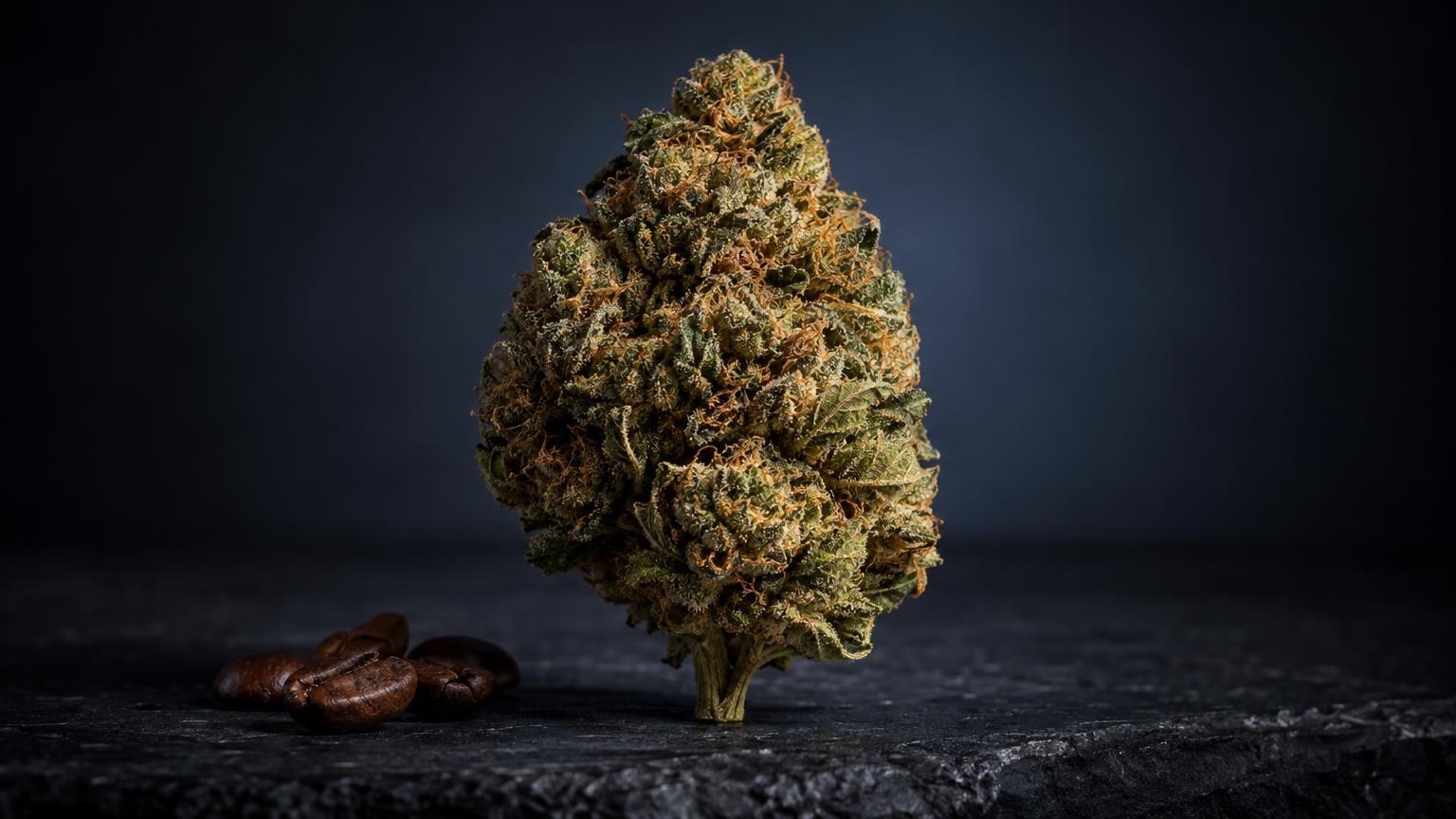
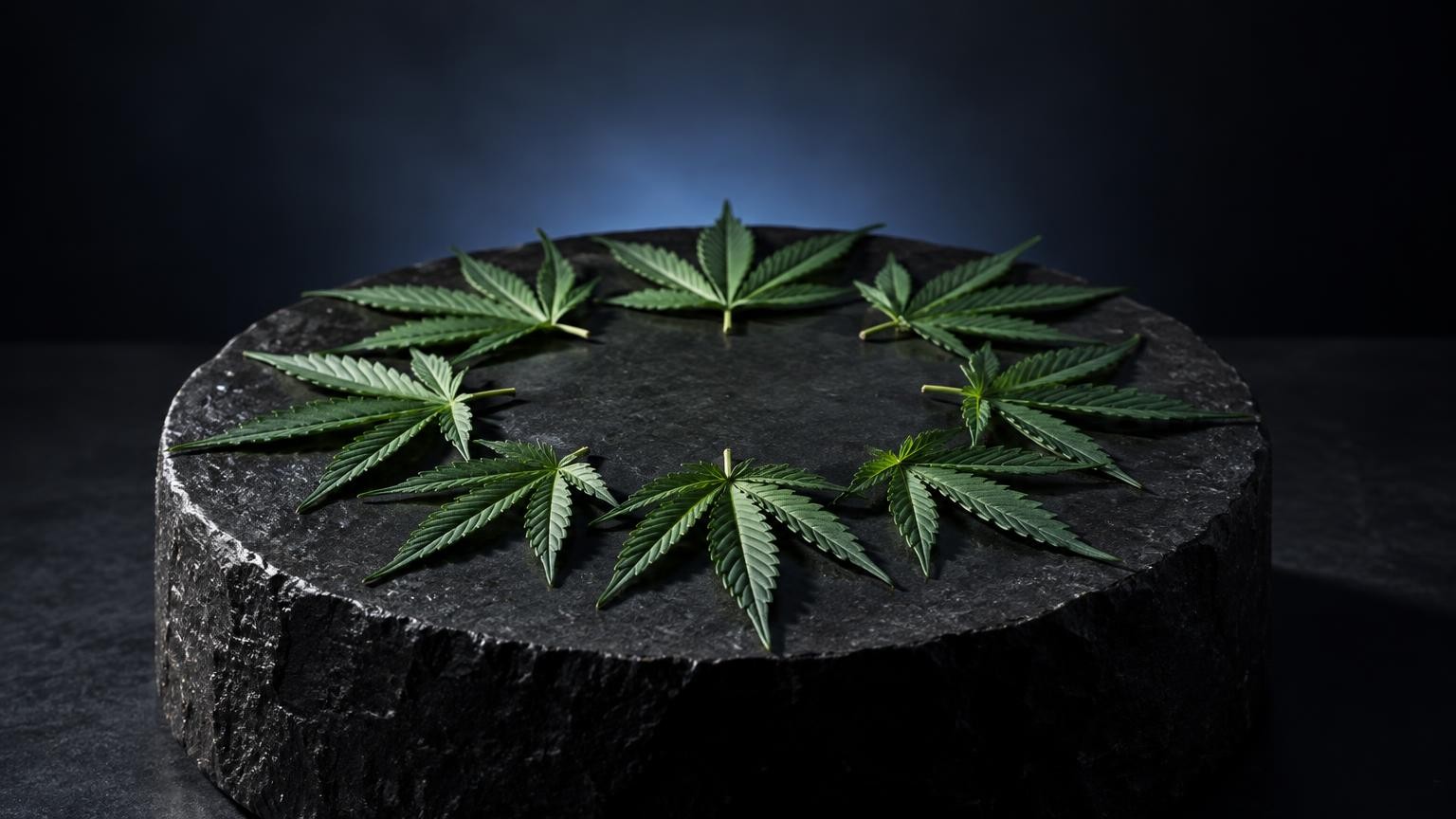
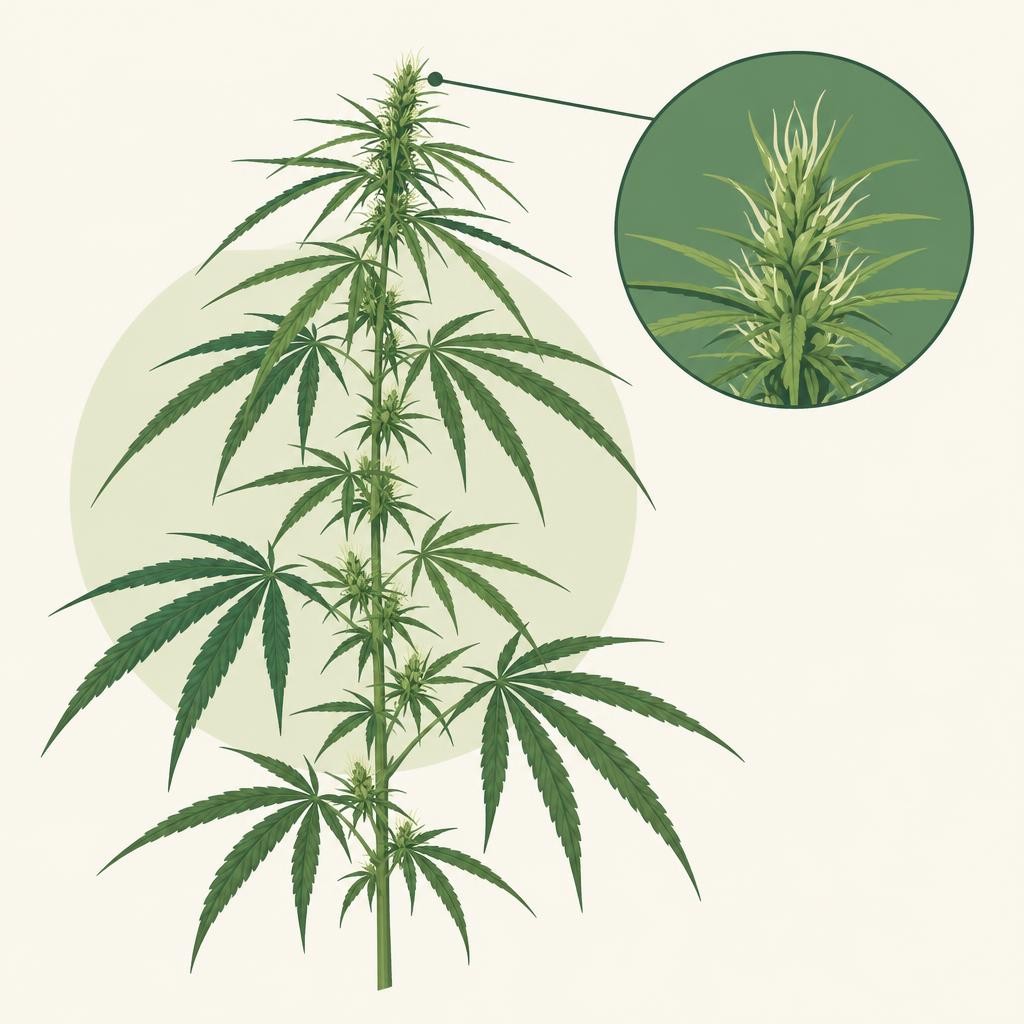
A sativa plant usually grows tall and stretchy, with narrow, serrated leaflets in a lighter green and long, airy, spear-shaped buds. It also tends to flower for longer than an indica, which usually stays short and bushy. These plant characteristics describe shape and growth habit, so they help you spot the type but say little about what’s inside the buds.
The shape is the easiest part to read. According to Cannabis sativa L.: A comprehensive review on legislation, the species as a whole traces back to central and southwest Asia[4].
The tall, narrow-leafed type is commonly linked to warmer regions closer to the equator, where day length barely shifts through the year. With the sun as such a steady light source, the plant stays in vegetation for longer before it switches to flower. That’s the botanical logic behind the height and the slow finish.
Is your plant indica or sativa? The visual clues
Check leaves, height and buds together, and treat the result as a strong hint rather than a verdict. A single trait can mislead you, but when all four point the same way, the read gets far more reliable.
| Trait | Sativa type | Indica type |
|---|---|---|
| Leaves | Long, thin, finger-like leaflets, lighter green | Broad, short leaflets, darker green |
| Height | Tall and stretchy, wide gaps between branches | Short, bushy, compact |
| Buds | Long, airy, spear-shaped | Dense, chunky, tight |
| Flowering | Longer cycle | Shorter cycle |
As for when a sativa plant is ready, the answer lies in its botany: it finishes later than an indica, because the long flowering cycle is part of what defines the type.
Indica vs sativa: what the label really tells you
Spotting the shape is one skill. Knowing what that shape promises is another, and here’s our position: indica and sativa are handy shorthand for how a plant grows and the area its ancestors came from, but a weak forecast of how a product will feel.
Why do hybrids blur the line?
Hybrids blur the line because almost every strain on the market today is a cross, so a sativa plant can carry a tall, airy frame while its buds hold a chemistry closer to an indica. Breeders pick traits that include aroma, yield or potency, and the visible silhouette and the chemical profile don’t travel as a package.
That’s why “sativa-dominant” on a pack, often pitched as the upbeat, social pick, usually describes lineage, meaning which parents went into the cross. It’s family history, not a lab reading. The outward look of a plant tends to say more about its parents than about what ends up in the bud.
And there’s a lot that can end up in the bud. Cannabis contains more than 550 chemical compounds, with more than 100 phytocannabinoids identified, including THC and CBD[5]. Two plants with the same outline can sit far apart on that map.
That chemical fingerprint is the chemotype, and it comes down to three readings:
- THC level: high or low THC says more about intensity than any leaf shape.
- CBD content: shifts the overall balance of the profile.
- Terpenes: limonene reads like fresh citrus peel, pinene like a walk through a pine forest, myrcene earthier and more herbal.
What is a sativa high supposed to feel like?
The sativa label comes with a reputation: the classic sativa high is lively and head-focused, as opposed to the heavier one usually linked to indica. Treat that as cannabis folklore, not a promise. The shape of a sativa plant is a poor guide to how a product will feel. THC level and the terpene mix matter far more.
This follows straight from the chemotype argument in “Indica vs sativa: what the label really tells you”. A sativa plant’s silhouette tells you about its ancestry, not about what’s in the jar. Read the usual descriptions of what sativa strains do the way you’d read tasting notes on a wine label: useful hints, nothing binding.
Three things decide why one “sativa” feels nothing like another:
- THC level: a high-THC sativa and a low-THC one can share the same tall, airy family tree and still land in completely different places.
- CBD presence: the balance between CBD and THC changes the whole chemical profile, so two strains sold under the same “sativa” banner can be very different products.
- Terpene mix: cannabis carries more than 100 aromatic terpenes, so two “sativas” can smell as different as lemon zest and pine resin[5].
So if you want a reliable read on a product, be wary of any chart that promises “this terpene equals this mood”.
Format adds another layer. Smoking sativa flowers, dabbing a concentrate and pulling on a distillate pod differ in flavour, intensity and how much you take in per session. Think of it like a song played live, on vinyl or through phone speakers: the same strain name, whether it’s a New York Diesel cut or anything else, won’t feel identical across them.
How do you pick a sativa-style product?
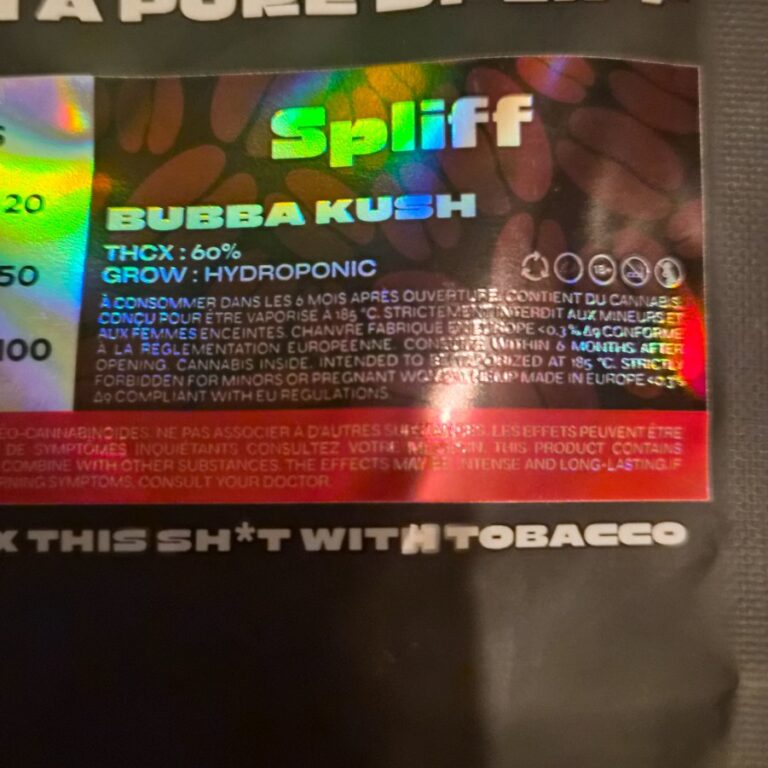
To pick a sativa-style product, look past the strain name and check three things: which cannabinoid types it contains and at what level, whether the terpenes are listed, and how it was extracted. The label hints at the plant and the cerebral feeling people expect from it; those details show how much of the plant reached the product.
Plant characteristics like height, leaf shape or vascular structure disappear once buds become an extract, so the product sheet picks up the sativa story from here. Scan it for:
- Cannabinoid type and level: THC, CBD or a blend, with the figure stated.
- Terpene listing: named terpenes say more about aroma than the word “sativa”.
- Extraction method: solventless or solvent-based, which decides how much of the plant survives.
Live rosin or distillate: which keeps the plant’s character?
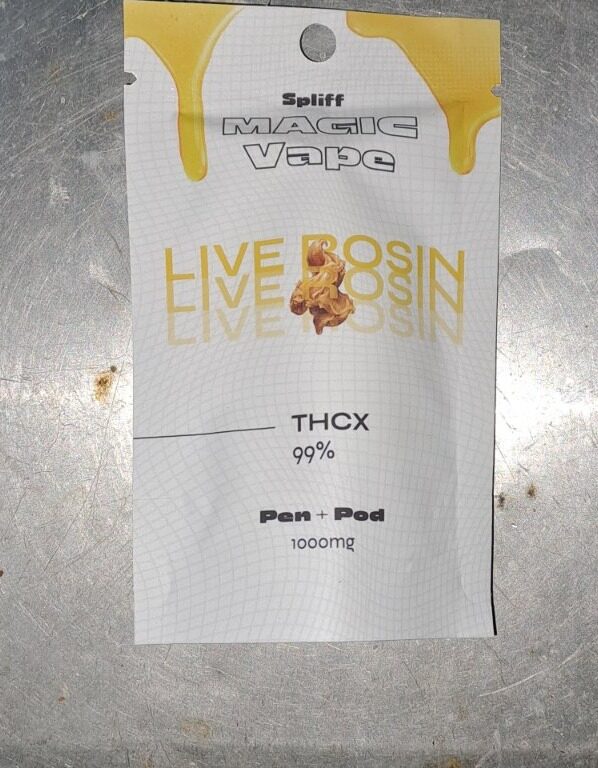
Live rosin keeps more of it, and of the two extract types it’s the one we’d pick for flavour. It’s pressed with heat and pressure alone, with no solvent, so the terpene mix of the original strains comes through closer to the flower. Think cold-pressed juice next to cordial.
Distillate takes the other road: the solvent one. The WHO describes cannabis oil (hashish oil) as a concentrate of cannabinoids obtained by solvent extraction of crude plant material or resin[2]. Refining that kind of extract gives a clean, predictable base, but the sativa plant’s own aroma is largely stripped back, and the flavour you taste can be rebuilt on top.
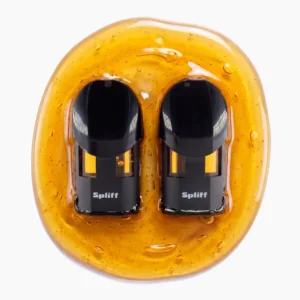
If aroma fidelity is the point, Magic Pod Live Rosin x2 is the format that stays nearest to the plant. If you’d rather get the same taste and feel from one refill to the next, Magic Pod x2 is the everyday option, built for consistency over nuance.
The lab analysis of each batch is available on request from customer service. Pair that data with the terpene listing and you’re reading the product, not only the label.
Conclusion
That’s where the label lands: a sativa plant tells you a lot about how cannabis grows and very little about how a product will feel in your body, especially since individual reactions vary. Use the name as a hint about the plant, then let the THC level, CBD and terpenes do the real talking, whether you’re after something punchy or a low THC profile.
When you’re ready to compare formats, line up the THC level, the CBD content and the terpene profile side by side, and treat the sativa tag as a footnote. It’s the clearest possible way to judge real value in weed instead of buying into a strain name. Spliff orders go to several countries, notably these 4: AT, BE, DE and NL.
Sources
- Cannabis — World Health Organization — www.who.int
- Cannabis sativa L.: A comprehensive review on legislation … — pmc.ncbi.nlm.nih.gov
- Constituents of Cannabis Sativa — pubmed.ncbi.nlm.nih.gov