 Written by Sophie Clarke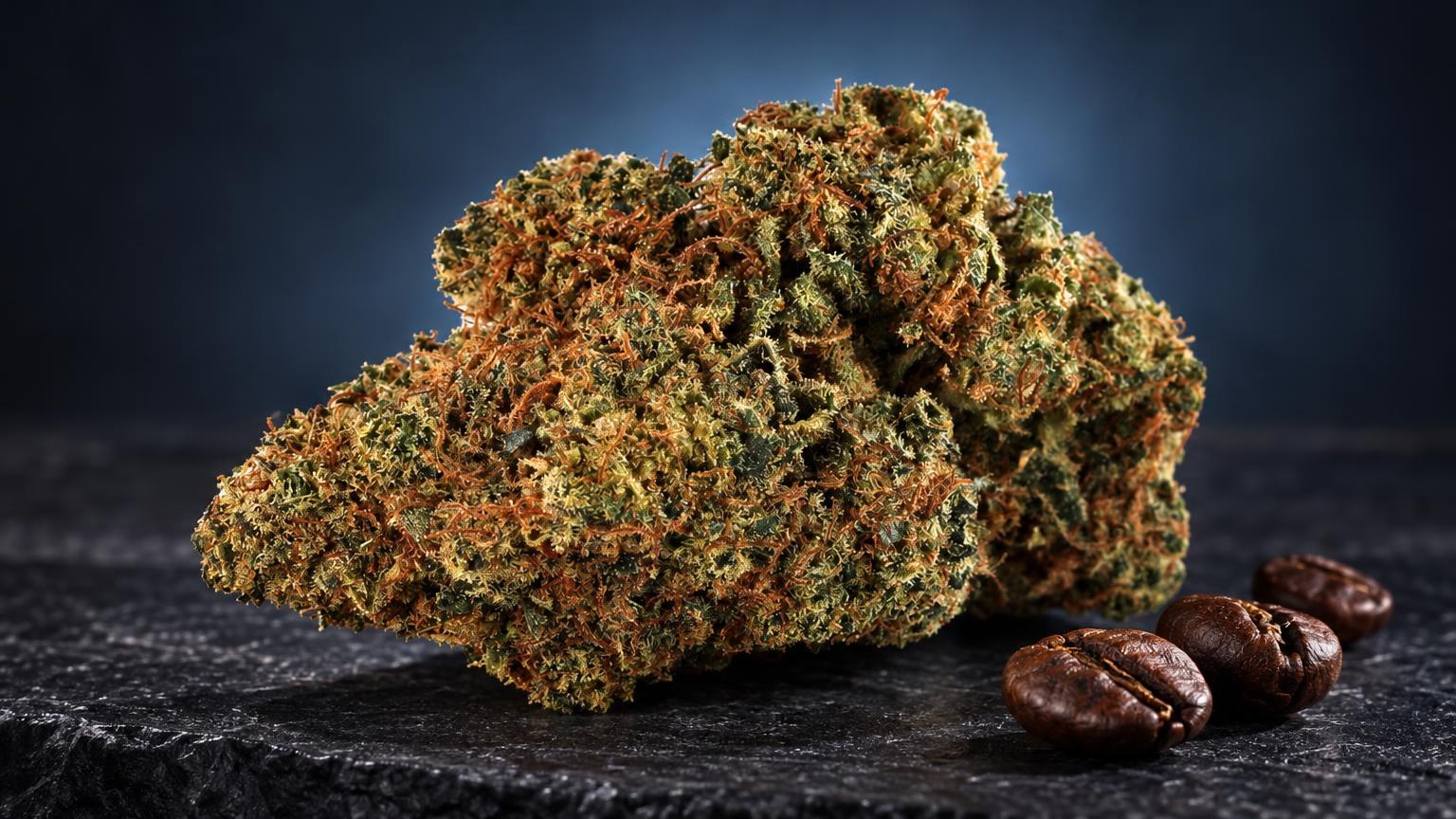
THCA flower is cannabis bud dominant in tetrahydrocannabinolic acid, the raw hemp derived THCA that converts to THC through heat rather than making you feel high on its own, since THCA is non-psychoactive until decarboxylation converts delta THC from it. Spliff offers this flower high THCA format across multiple weights, backed by lab testing and customer reviews.
THCX flowers at Spliff · from €2.80/g · ★ 4.9/5 (468 reviews)
72 h delivery in Europe · Free delivery from €99
Contents6 sections
THCA flower is the dried bud of the cannabis plant, sold for its high share of tetrahydrocannabinolic acid (THCA), the raw acidic form of the cannabinoid that the plant stores in its trichomes before any heat touches it. This guide covers the chemistry without the hype, a simple way to read a lab certificate, an honest answer on smell and texture, and a format-by-format comparison.
First, the vocabulary. THCA isn’t the same molecule as delta-9 THC, the “delta THC” line you’ll spot on lab reports and the compound behind the “feel high” reputation of cannabis. Heat turns the acid into delta-9 through a reaction called decarboxylation[1].
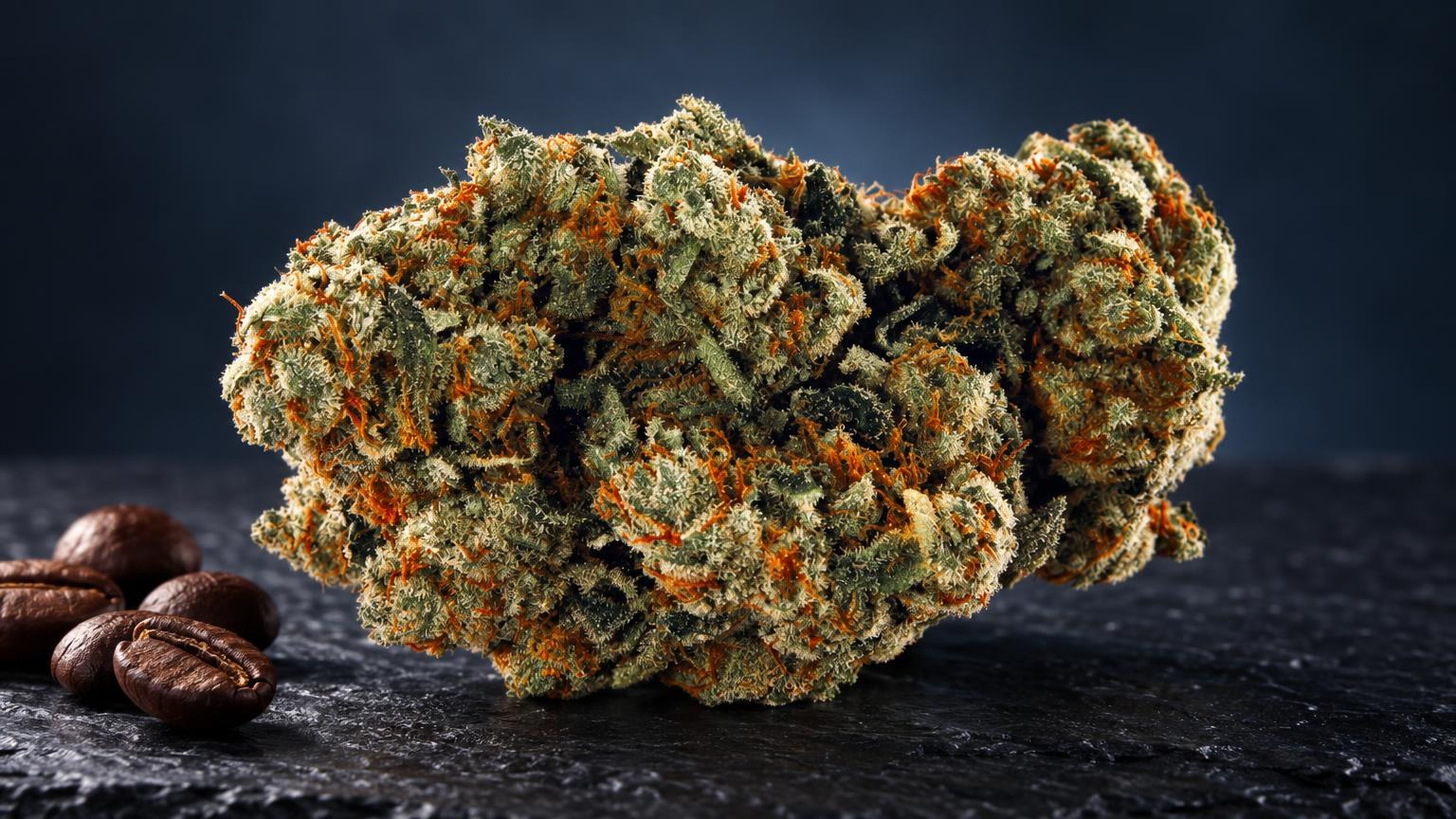
To the eye, hemp flower, regular cannabis (marijuana, in United States shop talk) and THCA flower are the same plant with the same frosty buds. The difference sits in the cannabinoid profile. Think green coffee beans next to roasted ones: same bean, different chemistry.
THCA products also go beyond buds, with rosin and pods following a similar logic, and we’ll weigh them against flower further down.

What is THCA flower?
THCA flower is cannabis flower, very often hemp-derived THCA flower, whose dominant cannabinoid is THCA (tetrahydrocannabinolic acid). That’s the raw acidic form cannabis plants build up in their trichomes before any heat reaches them. On a product page, the term tells you which molecule leads the bud’s lab profile, and nothing more.
Put a THCA hemp flower next to a regular cannabis bud and a classic CBD hemp flower, and you won’t tell them apart. Same plant, same calyxes, same frosting of resin glands. The difference lives in the cannabinoid profile, and only a lab can read it.
Think of green coffee beans versus roasted ones: same bean, different chemistry, and the roast is what changes it. THCA in raw hemp sits on the green side of that line until heat triggers the decarboxylation step, which is why asking whether a raw bud will make you feel high is really a question about the roast, not the bean.
When a listing calls something a high THCA flower, it’s describing a proportion: the share of the acid in the dried bud, expressed as a percentage. Sellers love printing that number in large type, so a page shouting “high THCA content” reads like a spec sheet, and that’s how you should treat it.
Keep the delta-9 line in mind as you read: that separate figure is the one people often confuse with THCA when they skim a product page in a hurry.
The term also reaches past the bud: “THCA products” covers the flower itself, concentrates pressed from it such as rosin, and the pods built around those extracts, each format handling aroma, texture and convenience in its own way.
How does THCA convert to THC, and how do you read the lab numbers?
That acid-to-neutral shift runs on decarboxylation, the step you need to convert THCA to THC: heat pulls a carboxyl group off the molecule, that group leaves as carbon dioxide gas, and what remains is delta-9 THC. In a lab study, Wang et al. (2016) found that THCA converts to delta-9 THC through heat with no side reactions or by-products[1]. Untouched THCA flower stays mostly acidic. To read the lab numbers, find the THCA and delta-9 lines on the Certificate of analysis, then work out total THC yourself.
Think of sugar and caramel: the sugar sits unchanged until the pan meets a flame. Heat is the fast lane, converting THCA to THC in seconds.
Time and light do the same job slowly. Keep your jar cool and dark, and the acidic form stays dominant for a long while.
A lab report turns that chemistry into columns:
- THCA: the acid’s share of the sample, as a percentage.
- Delta-9 THC: usually given as % THC dry weight, leaving water out so batches compare fairly.
- CBD and minor cannabinoids: the rest of the profile.
- Terpenes: the aroma compounds, when the lab tests for them.
Sellers love to headline the THCA figure alone. Don’t fall for it. What tells you what the bud can yield once it converts to THC is total THC: delta-9 THC plus THCA multiplied by a conversion factor. Whatever share of THCA converts to delta THC adds to the total, but never gram for gram.
How that factor is applied can differ from one lab to another, so check how the report calculates total THC instead of assuming one fixed figure.
Even a spotless report has a shelf life of its own: a COA is a snapshot taken on test day. Storage keeps nudging the THCA/THC ratio of any THCA flower afterward, which is why aroma, texture and storage tell the rest of the story.
Does THCA flower smell like weed?
Yes, THCA flower smells like regular cannabis. Its scent comes from terpenes, the plant’s aromatic compounds, rather than from THCA itself: a review by Sommano et al. (2020) describes terpenes as responsible for the aroma characteristics of cannabis, with hundreds identified so far[2]. So the earthy, fruity, peppery or gassy notes you pick up depend on the strain’s terpene profile, how the bud was dried and how it has been stored since. Spadafora et al. (2024) showed that both the drying method and the storage container change the volatile compounds behind that aroma, with glass bottles best at keeping the initial profile[3].
A lab analysis covers the cannabinoids in a flower, THCA included, and your nose covers everything else. Anyone searching “does THCA flower smell like weed” hoping for a quieter bud will be disappointed: THCA flower strains carry the same terpene families as any other cannabis.
Think of terpenes as the accords in a perfume: myrcene as a musky base, limonene as a citrus top note, caryophyllene as peppery warmth, pinene as a sharp forest edge. These are sensory shorthand, not lab claims.
Two buds with an identical flower THCA reading can smell worlds apart, and a figure at the top of the range THCA sellers advertise tells you as little about the bouquet as a wine’s alcohol level tells you about its nose.
To judge aroma and texture, use your eyes and fingers:
- Density: well-cured heads feel firm and spring back slightly instead of crumbling.
- Trichomes: a frosty, sugary coat that’s still intact, not rubbed off in the bag.
- Moisture: slightly sticky and breaking cleanly. A bud that snaps like a twig has dried out.
- Grinder: fresh flower clings a little to the teeth, while dusty, powdery output points to old material.
THCA flower vs THCX flowers, CBD flower and vapes: which format suits you?
It comes down to the routine you enjoy. If you love grinding, rolling and picking out aromas, stay with flower: THCX flowers for a close profile, CBD flower for a CBD-led bud. If you want zero prep and the same taste every session, choose a pod or vape. Concentrate fans should go for a live rosin pod.
Once you can read a lab sheet and judge a bud by nose, picking a format is mostly about your habits. Fans of THCA flower usually love the hands-on part: the sticky break-up and the burst of smell when the lid opens.
Keep a THCA flower raw and unheated, and it stays exactly what it is: in raw form, THCA is non-psychoactive. Heat changes that, so with flower the ritual of grinding and lighting is part of the experience, not just a prep step.
You get that same hands-on product in our THCX flowers, with every pack size listed on the collection page. For a CBD-centred bud, browse the CBD flower collection. THCX is a trade name, not a molecule: every batch is lab-tested for classified molecules and none are detected.
Judge them the way you’d judge any THCA flowers: aroma, texture, strain character and the price shown on the page that day. The lab analysis of each batch is available on request from customer service.
| Format | Best for | Prep | Aroma |
|---|---|---|---|
| THCX or CBD flower | Ritual, nuance | Grinder, rolling | Varies by strain and batch |
| Magic Pod / vape | Convenience | None | Identical every session |
| Magic Pod Live Rosin | Concentrate fans | None | Fresh-plant terpenes |
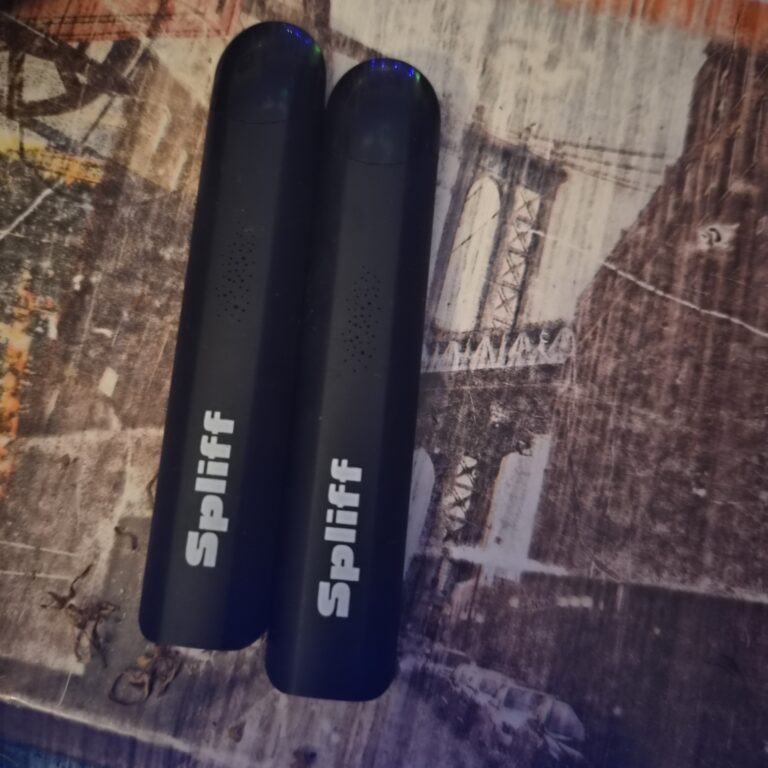
Not into grinders? Magic Pod x2 and the matching THCX vape skip the prep entirely, keeping the flavour identical from one session to the next.
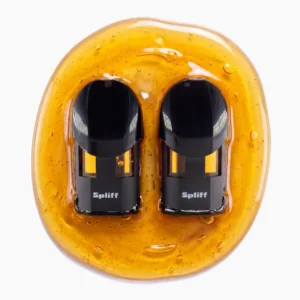
Concentrate lovers should look at Magic Pod Live Rosin x2: live rosin is pressed without solvents, so more of the fresh plant’s terpenes reach the pod.
Our take: buy flower for ritual and aromatic depth, a pod or vape for consistency and convenience. Your routine and the lab data will tell you which format fits, not a slogan.
Conclusion
Habit settles the format question, and the chemistry question comes down to one sheet of paper that tells you what the substance in the jar actually is. Before you buy any thca flower, check the THCA, delta-9 and total THC lines, then let your nose judge aroma and texture. A hybrid label, a big percentage or a flashy “new” or “sale” banner never replaces a readable, batch-matched lab report.
The best use of this guide is as a checklist, not a promise about effects. At Spliff, we ship to several countries, including Austria, Belgium, Germany and the Netherlands, so the same checklist works wherever you order from.
For adults only (18+), and never drive after use. CBD is not a medicine and is not a substitute for medical advice or treatment. If in doubt, consult a healthcare professional.
Frequently asked questions
Will THCA get you just as high?
Raw THCA is non-psychoactive; it’s the unheated, acidic form the plant builds before any heat touches it. The “feel high” effect associated with cannabis comes from delta-9 THC, which only forms once THCA converts through decarboxylation, so an unheated THCA flower isn’t equivalent to that converted form.
Is THCA still strong in terms of its lab profile?
“Strong” depends on the percentage of THCA listed on the certificate of analysis, since that figure shows the acid’s share of the sample. Every Spliff product is lab-tested, with THC content kept below 0.3%, so checking the THCA and total THC lines together gives the real picture rather than relying on a single number.
Is a high THCA percentage considered potent?
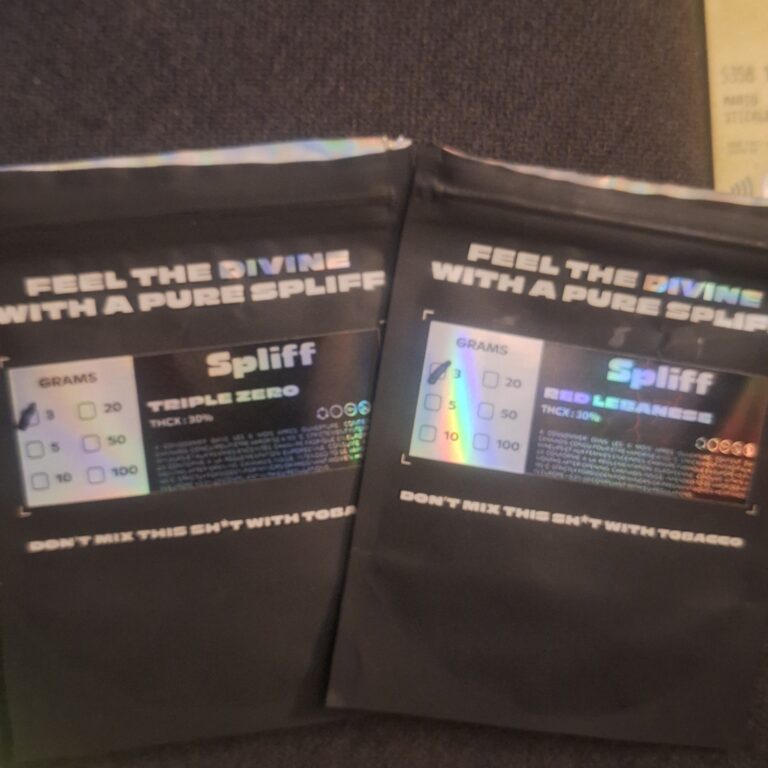
A percentage like THCA’s share of the dry weight on a lab certificate simply reflects composition, not a guaranteed experience, since the acid must still convert to delta-9 THC through decarboxylation to change form. Spliff flower comes in grammages of 3 g, 5 g, 10 g, 20 g, 50 g and 100 g, with lab analysis for each batch available on request from customer service.
Sources
- Decarboxylation Study of Acidic Cannabinoids (Cannabis and Cannabinoid Research, 2016) — pubmed.ncbi.nlm.nih.gov
- The Cannabis Terpenes (Molecules, 2020) — pubmed.ncbi.nlm.nih.gov
- The influence of drying and storage conditions on the volatilome and cannabinoid content of Cannabis sativa L. inflorescences (Analytical and Bioanalytical Chemistry, 2024) — pubmed.ncbi.nlm.nih.gov