 Written by Sophie Clarke

This article explains that a weed membrane, also sold as landscape fabric or weed barrier, is a permeable sheet that blocks light so buried seeds cannot sprout, while water and air still reach plants. It stresses that the membrane reduces weeding rather than ending it, and it notes that a “weed” search may mean cannabis instead.
Contents5 sections
Membrane weed refers to a weed membrane, also sold as weed control fabric, landscape fabric or weed barrier: a permeable sheet laid over soil that blocks light so buried seeds can’t germinate, while allowing water and air to reach your plants.
So, does weed membrane stop weeds for good? Don’t count on it.
It’s built to cut new growth from below, but seeds that land on the bark or gravel on top can still find a foothold in that layer. Think of it as a way to keep weeds at bay, not a reason to stop weeding.
Thickness is measured in gsm, which works like paper weight. A light sheet typically sits under bark in borders, while a heavy duty weed membrane is the usual pick under gravel paths and anywhere you walk. Woven weed control fabric behaves like denim (tough, easy to cut straight, but it can fray), while non-woven is closer to felt and drains more evenly around planting holes.
Below, you’ll see how price range links to gsm and lifespan, when eco friendly options like jute or cardboard suit a bed better, and a compact landscaping how-to that includes laying over grass and under paving. A short final section is for readers who typed “weed” meaning cannabis.
What is a weed membrane, and does it actually stop weeds?
A weed membrane, also sold as a weed suppressant membrane, sits on bare ground and shades the soil so buried seeds never get the light they need. The growth of weeds from below drops, while rain still soaks through. As the intro pointed out, it cuts weeding rather than ending it, so expect to pull the odd one by hand.
Does weed membrane let water through?
Yes, a proper one does. Good weed control fabric is porous by design, so water drains through and water, air and nutrients still reach the roots.
That’s what separates landscape fabric from cheap plastic sheeting. Plastic blocks light too, but it traps rain, so puddles sit on top and the ground below goes stale. On a heavy duty weed control membrane, the extra gsm should add strength, never seal the surface.
What are the real downsides of weed barrier fabric?
You get less weeding, not zero, even with a membrane heavy duty enough for a driveway. And that’s only the start. Weigh these limits before you buy:
- Top layer upkeep doesn’t go away. Bark and gravel still need topping up and a quick tidy, whatever the gsm.
- Soil life under the fabric gets less organic matter and can end up compacted or starved.
- Fraying plastic may shed loose strands at the edges as it ages, and they’re a pain to pick out of the bed.
- Replanting gets fiddly, since every new plant means cutting through the sheet.
A weed membrane on the ground under a gravel path earns its keep there. In a border you replant every season, you may not need one at all.
Woven, non-woven, plastic or cardboard: which one fits?
Pick the material for the size of the area and the job it does, not just the price tag. Here’s our take on where each one belongs:
| Material | Best for | Our verdict |
|---|---|---|
| Woven fabric | Gravel paths, driveways | Toughest underfoot. Cut it cleanly to limit fraying. |
| Non-woven fabric | Planted borders | Our default for beds you won’t dig up often. |
| Plastic sheet | Short-term clearing | Skip it for permanent beds: it holds water on top. |
| Cardboard | New beds, veg patches | Plastic-free and often free. It breaks down, so plan to redo it. |
What really kills weeds permanently?
Honestly, no single method does. Seeds blow in, roots left behind regrow, and any bare patch of soil gets claimed again sooner or later.
What works for keeping weeds at bay is stacking methods. Dig out roots fully rather than snapping them off, cover the ground with a membrane or cardboard, then add a generous layer of mulch on top.
Think of weed control like brushing your teeth: a routine that keeps things clean, not a one-off fix.
How do you lay and secure weed membrane properly?
Laying a weed membrane properly is mostly about prep, not the product. Clear out roots and stones and level the soil, because that groundwork is what makes a weed membrane work for years instead of months. Roll the fabric out flat and overlap every joint generously. Pin the edges and the middle, cut X-shaped slits for plants, then cover everything with bark or gravel so the sheet stays put and stays out of UV light.
- Dig out perennial roots and stones. Nothing pushes up or punctures the sheet later.
- Rake the soil level. The fabric lies flat, with no air pockets.
- Roll out the membrane and overlap the joints generously. Light can’t leak through at the seams.
- Pin the edges and the middle at regular intervals. Wind can’t lift it.
- Cut an X for each of your plants. Woven fabric is an easy cut with a sharp knife, but fold or seal the edges so they don’t fray. Non woven fabric needs no extra care, and the sheet stays tight around the stems.
- Top it with bark in borders, or gravel and decorative stone on paths. The sheet stays down and shielded.
Can you put weed membrane over grass?
Yes, you can use weed membrane over grass, as long as you mow the lawn very short first and accept that the grass will rot underneath. That works for a bed you don’t plan to plant straight away.
If you want to plant soon, lift the turf instead. A lumpy, decaying layer leaves the ground uneven, and the fabric won’t sit flat or stay pinned. For a path over old lawn, lifting the turf is always the cleaner route.
Do you need a membrane under paving slabs?
Not always. Under slabs laid on a well-compacted sub-base, a membrane is optional, because the base itself leaves weeds very little room.
It earns its place between the soil and the sub-base. There it keeps gravel from sinking into the soil and cuts down the weeds pushing up through the joints. Membranes don’t seal the joints themselves, though, so brush the jointing compound in properly.
For a durable garden path, the base does most of the work. Think of it like a good bassline: nobody notices it, but every layer on top depends on it. If you want your membrane’s best results, start there, and the results show for seasons.
Typed 'weed' but meant cannabis, not weed control?
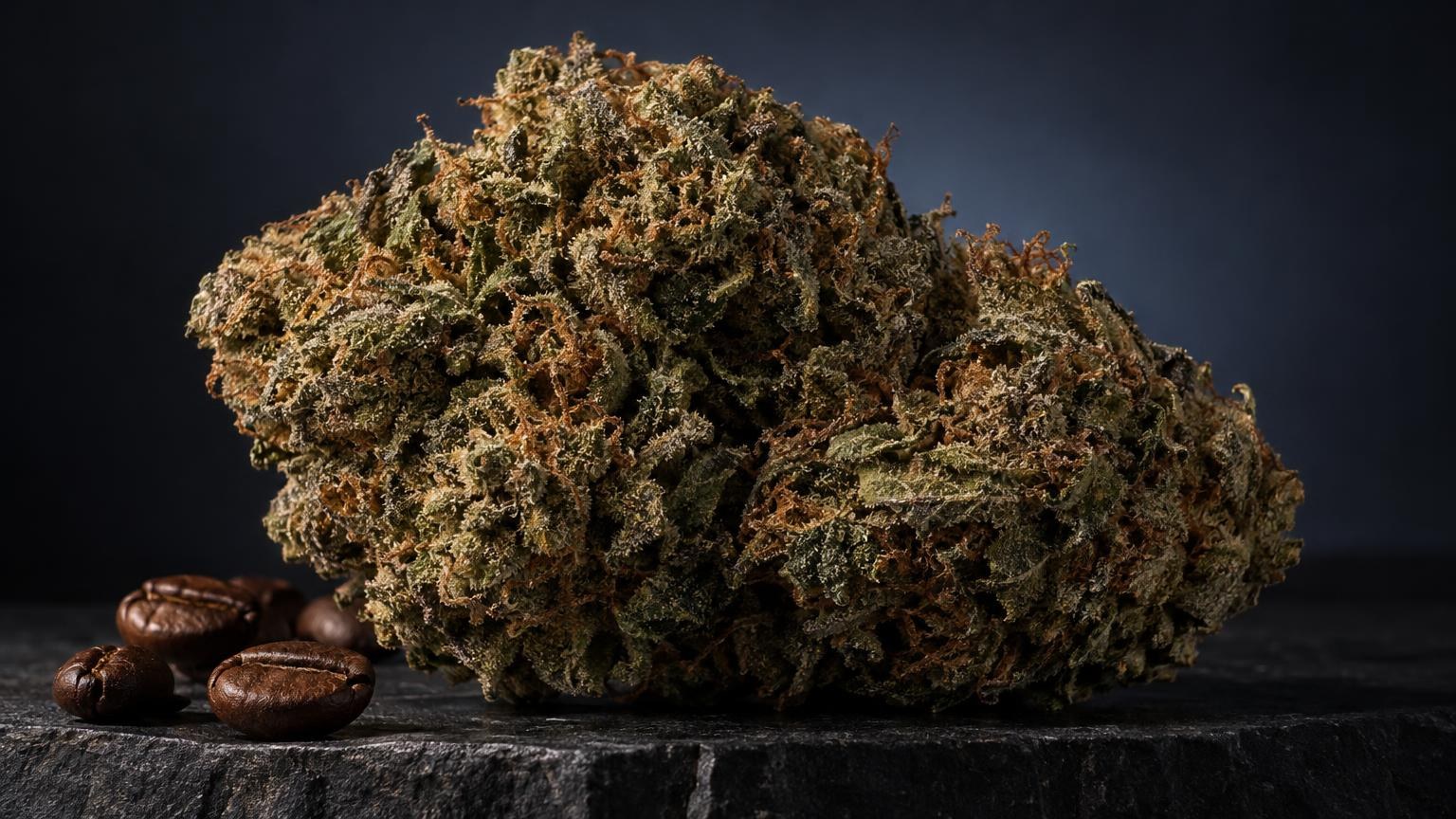
If your “membrane weed” search was about buds rather than a weed control membrane, the mix-up is fair. To gardeners, “weed” means dandelions; to everyone else, it means cannabis flowers. Fabric is effective at keeping weeds at bay in a border. For the other kind, a well-known classic strain is an easy place to start.
That’s where the garden side of things stops. Weed membranes and eco-friendly jute won’t help you pick the best weed of the other kind. Strain family, aroma and texture will, and those small details are what set one bud apart from the next.
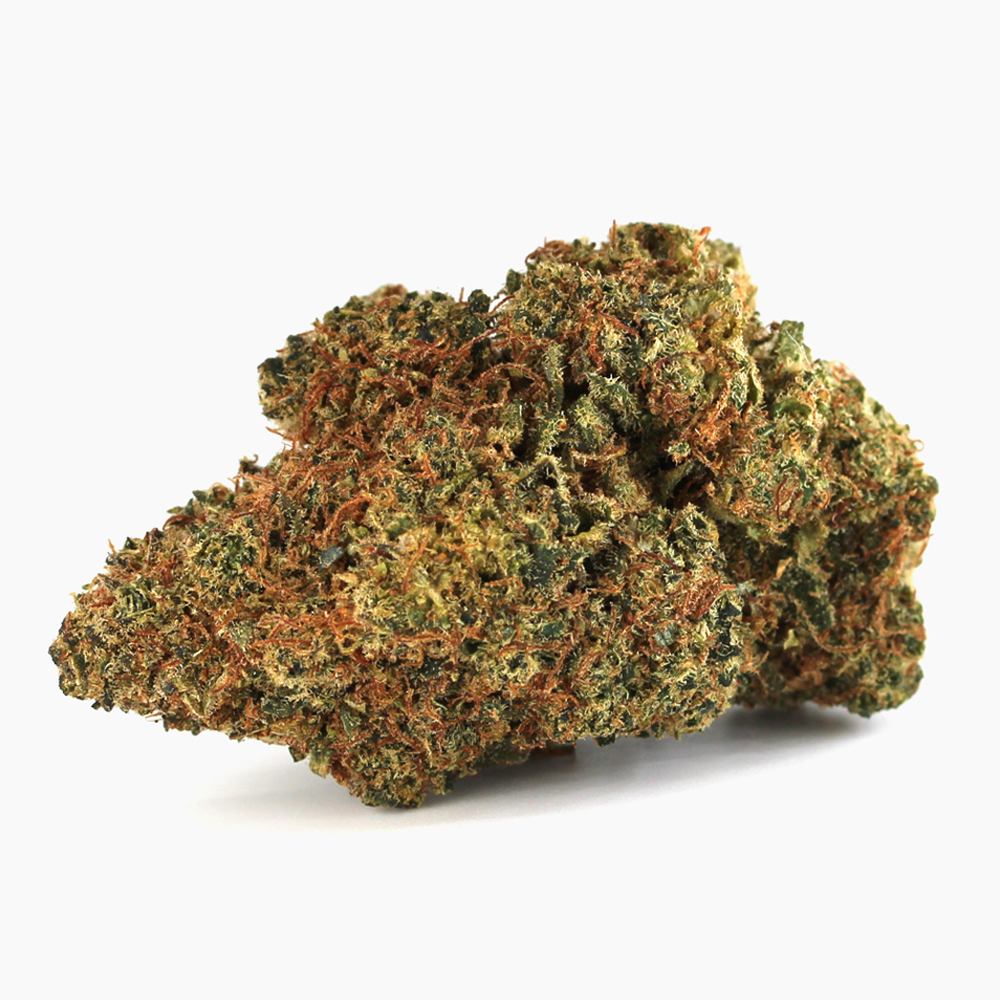
Amnesia belongs to the Haze family, as its product page states. If you like knowing a strain’s lineage before you choose, that’s a solid reference point. The price of the day is shown on the product page.
One thing to keep straight: the European Medicines Agency has authorised a cannabidiol medicine, Epidyolex, which is assessed and supplied as a medicinal product[3]. CBD flowers bought in a shop are not that, and they aren’t sold as medicines.
Conclusion
Whichever kind of weed brought you here, the rule is the same: match the material to the job. For membrane weed control, select the gsm for the use the area will get, cut clean X-shaped slits, and keep a cover layer on top for long-term use. The best weed membrane is simply the one you won’t be ripping up next spring.
Roll up any offcut left over and store it somewhere dry for quick patch repairs.
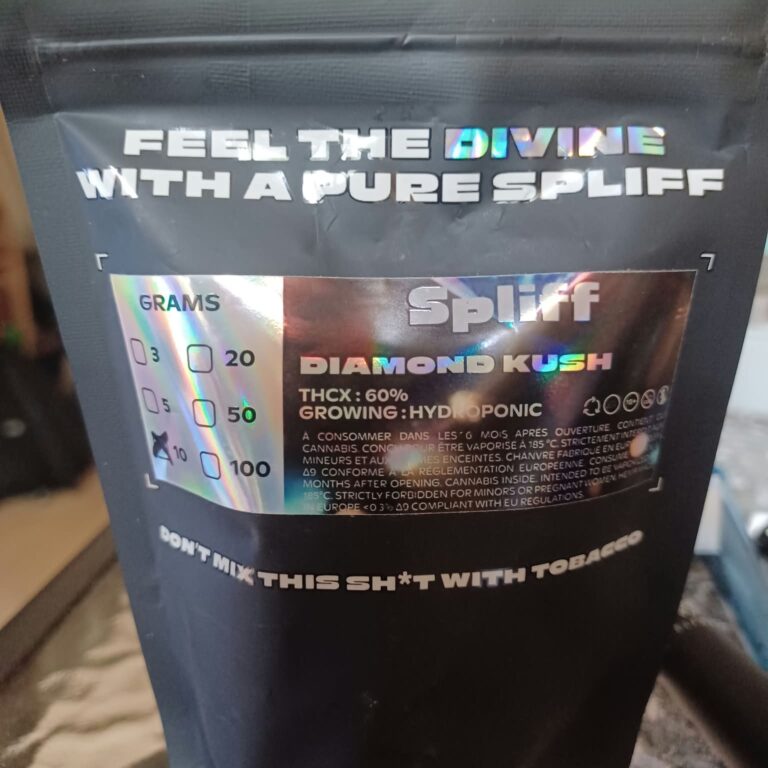
If you’d rather browse buds than borders, the flower collection keeps formats in stock from 3 g to 100 g. Customer reviews and delivery times are listed on each product page, so you can check them before you order.
Frequently asked questions
What's the difference between a weed membrane and a chemical weed killer?
A weed membrane works physically, not chemically: it’s a porous sheet laid over soil that blocks light so buried seeds can’t germinate, while still letting water and air reach the roots. It reduces new growth from below rather than eliminating existing weeds instantly, unlike a chemical treatment.
Sources
- Epidyolex (cannabidiol) — European Medicines Agency, EPAR — www.ema.europa.eu