 Written by Sophie Clarke
Contents8 sections
- What is cannabis vape juice, exactly?
- Distillate, live rosin or live resin: what's the difference?
- How is CBD vape juice different from a cannabis oil cartridge?
- Can you make cannabis vape juice at home?
- Disposable, pod or refillable: choosing your format
- How should you store vape juice and read its label?
- The bottom line
- Frequently asked questions

Cannabis vape juice refers to the liquid inside a cannabis vape: either a concentrate extracted straight from the plant (distillate, live rosin or live resin) or a CBD e-liquid diluted in a vegetable glycerin/propylene glycol base, often shortened to VG/PG.
Think espresso versus a long coffee. Same origin, but one is dense and undiluted while the other is stretched out for a different texture and a different use. That split between pure concentrate and diluted e-liquid is the map for everything below.
Beyond that first divide, these liquids differ on three points:
- Cannabinoids: THC, CBD (cannabidiol naturally occurring in the plant) or CBG.
- Terpenes: the aroma compounds, either preserved from the fresh plant or added back by the maker after extraction.
- The base: none at all in a pure concentrate, a glycerin and PG blend in a CBD vape liquid. Don’t mix up a CBD liquid for your tank with a CBD oil made for drops: same cannabinoid, completely different product.
This guide shows you how to read a label before you use vape juice of any kind, and we recommend doing it every single time: which extract, which base, which cannabinoids, which terpenes. You’ll also see why a live extract and a re-terpened distillate taste so different, and why a PG/VG e-liquid is its own product rather than a lighter version. Once you know where to look, telling them apart is possible in a few seconds.
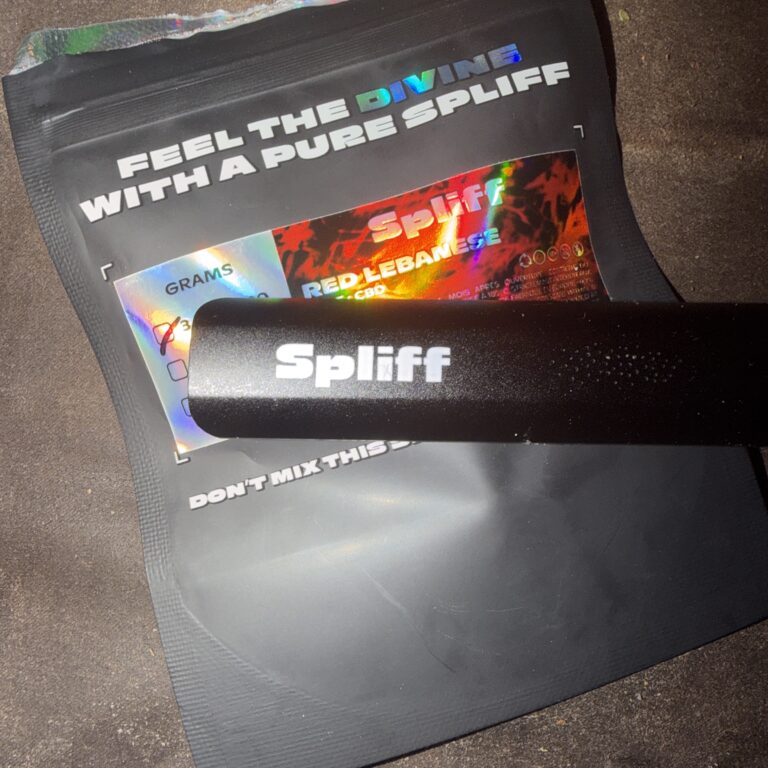
One point of transparency upfront: Spliff’s vapes belong to the THCX range, alongside CBD vape liquids. THCX is a trade name, not a molecule: every batch is lab-tested for classified molecules and none are detected.
The essentials in 30 seconds
Cannabis vape juice is either a pure plant concentrate (distillate, live rosin, live resin) or a CBD e-liquid diluted in a vegetable glycerin propylene glycol base, often shortened to PG/VG. Emissions from vaping concentrates include a substantial share of harmful aerosol toxicants[4], so checking extract type, base and declared cannabinoids on the label matters before buying from any CBD vape range.
- Texture differs by design: dense, undiluted concentrates versus thinner oil CBD liquid stretched in a glycerin vegetable glycerin propylene base for tanks.
- Vaping cannabis concentrates releases harmful aerosol toxicants like isoprene and 3-methylcrotonaldehyde[4], so label transparency on hemp plant CBD extracts and named cannabinoids (CBD, CBG) is essential.
- Every Spliff product, including the use CBD vape range, is lab-tested with THC below 0.3% and 0% for vapes and pods, with each batch’s lab analysis available on request from customer service.
What is cannabis vape juice, exactly?
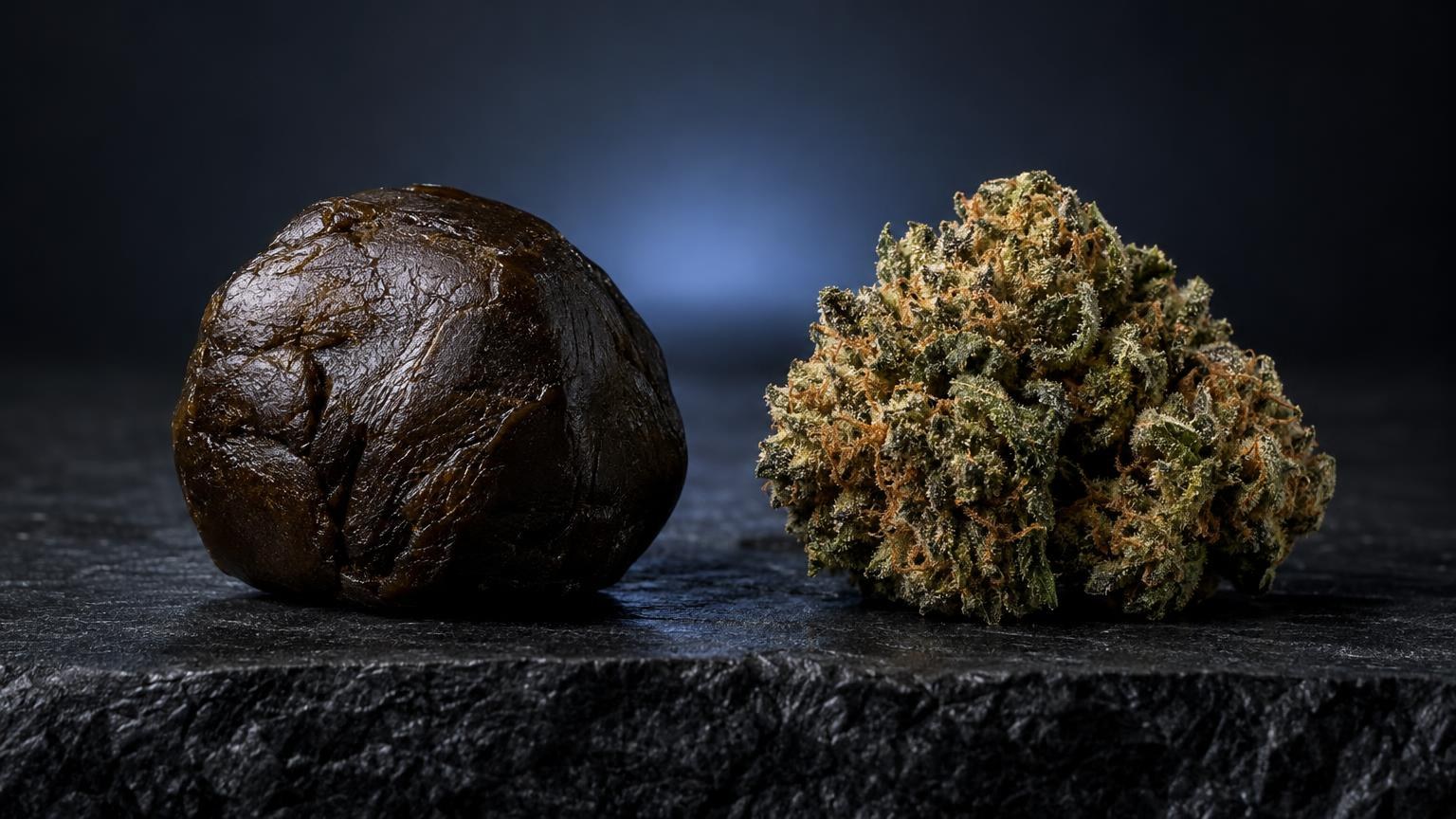
Cannabis vape juice comes in two textures that behave very differently. A concentrate is dense, sticky and keeps whatever terpenes survived the extraction process, so it tastes like the strain it came from. An e-liquid is thin, often flavoured, and its strength depends on how much extract makers add to the base.
| Criterion | Concentrate | CBD e-liquid |
|---|---|---|
| Starting point | Extract from the cannabis plant, undiluted | Hemp plant CBD extract blended into a base |
| Texture | Thick, honey-like | Thin, free-flowing |
| Cannabinoids | THC, CBD or CBG, depending on the extract | Mostly CBD, sometimes with CBG |
| Base | None | PG/VG |
If you’re new to this, watch the wording: shelf vocabulary across vape products is messy. “CBD vape oil” often means CBD liquid in a PG/VG base, not sublingual drop oils (more under “Can you put regular CBD oil in a vape?”). If the bottle doesn’t say it’s made for vaping, it’s a different product: follow the manufacturer’s label.
And thick doesn’t mean clean. According to a review of cannabis concentrate vaping chemistry in Frontiers in Toxicology, emissions from vaping cannabis concentrates contain a substantial proportion of harmful aerosol toxicants, including isoprene and 3-methylcrotonaldehyde[4].
Distillate, live rosin or live resin: what's the difference?
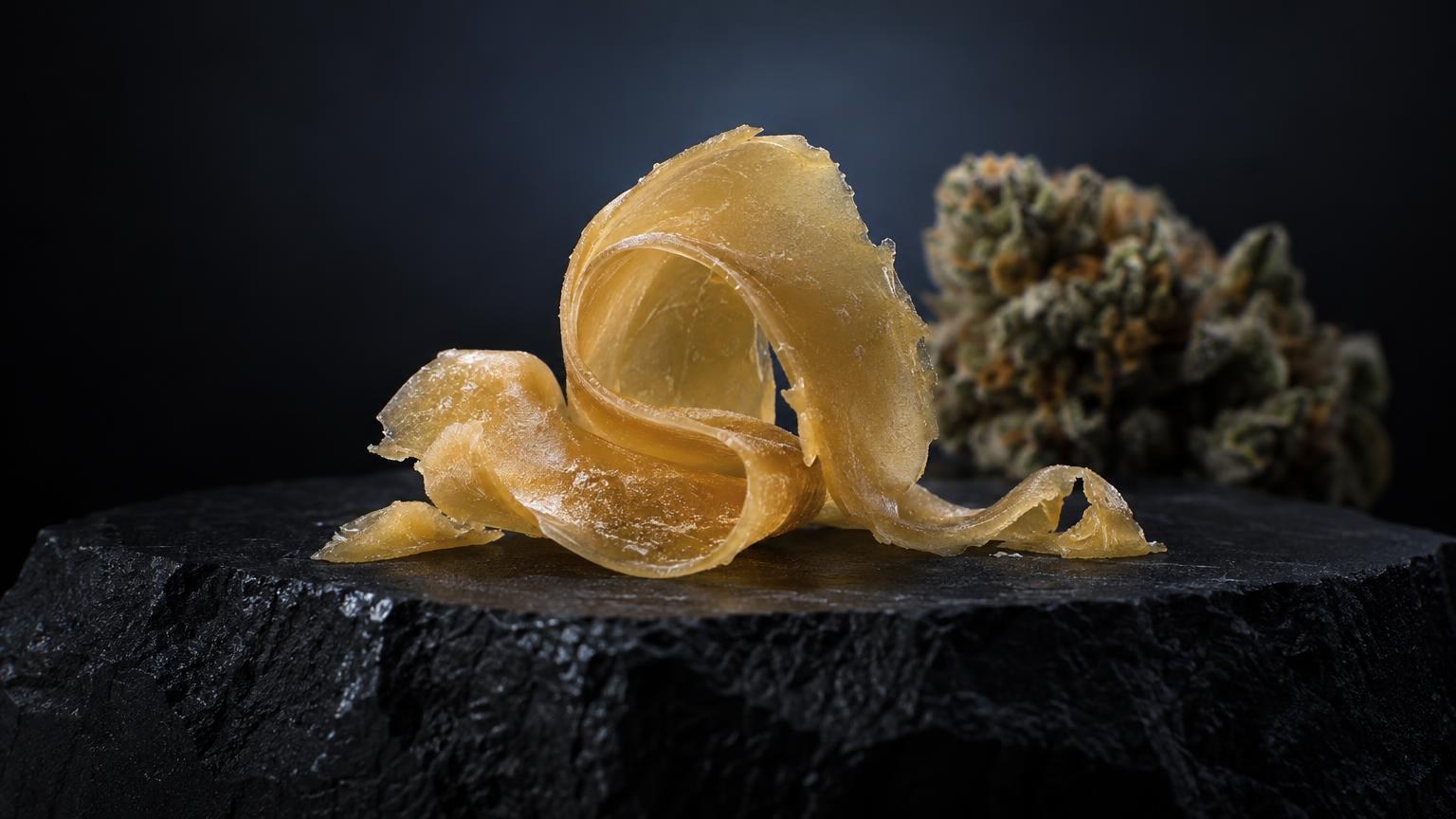
In cannabis vape juice, distillate is a heavily refined cannabinoid extract, usually re-flavoured with added terpenes. Live resin comes from freshly frozen plants extracted with a solvent, while live rosin skips solvents entirely and uses only heat and pressure. Whether you’re after CBD from hemp or another cannabinoid, it’s the same plant and three routes, and the two “live” options keep far more of the original aroma than a refined extract that gets its scent added back afterward.
What does “live” actually mean on a vape label?
On a label, “live” means the plant was frozen right after harvest instead of being dried and cured. Drying lets light terpenes evaporate, so a live extraction starts from material that still smells like the growing plant.
For true strain flavour, live beats re-terpened distillate, like fresh-pressed juice against flavoured syrup. Check the extract type before you vape CBD or anything else.
Why is live rosin usually priced higher?
Live rosin usually costs more because solventless yields are low: heat and pressure release less extract than a solvent pulls from the same fresh material. Frozen plants also need cold storage and careful handling before the work even begins.
Many CBD vape products stick to a CBD isolate distillate because it standardises easily, and a refined base makes it simple to pair CBD, CBG and other cannabinoids in one blend. If you’re after a neutral, consistent taste, that’s a fair trade.
To see the live rosin format in a finished product, look at the Magic Vape Live Rosin or the Magic Pod Live Rosin x2, where current customer reviews are shown on each product page.
How is CBD vape juice different from a cannabis oil cartridge?
CBD vape juice is made to soak a wick in a refillable vape kit. A cannabis oil cartridge, by contrast, is a sealed, pre-filled unit with its own coil, built for undiluted concentrate. Different liquid, different hardware: they’re not interchangeable.
CBD vape juices go into a tank you fill yourself, while a cartridge of cannabis concentrate, the format most people link to THC vapes, is used as sold and swapped when empty. When you browse cannabis vape juice, read the fine print for “e-liquid”, “cartridge” or “pod” before anything else.
Can you put regular CBD oil in a vape?
No. A sublingual CBD oil is formulated to be taken as drops, not heated on a coil, so stick to the use printed on the manufacturer’s label. Whether it’s built on a carrier oil or on alcohol, that base is made for the mouth, and a vape wick isn’t designed to handle it.
The naming doesn’t help. A dropper oil, a liquid CBD vape refill for a tank and a CBD vape oil cartridge can share near-identical labels, yet they’re three formats with three uses.
Can you make cannabis vape juice at home?
People do try to make cannabis vape juice at home, usually by stirring a concentrate or some CBD isolate into a PG/VG base. It rarely works well: the mix separates, can clog the coil, and comes with zero lab data on what you’re actually inhaling.
Once you know cartridges and refill liquids are built differently, the DIY problem is easy to see. A resinous concentrate and a PG/VG base never truly bond. Shake them together and they drift apart again, like a vinaigrette left on the counter.
That split hits the hardware too. Sticky pockets float through the vape liquid, so the wick soaks up an uneven mix and a coil made for thin liquid can flood or gum up.
Without that data, any talk about the benefits CBD is marketed for means very little. If refilling is your thing, we’d recommend a ready-made liquid from a dedicated CBD vape range built for wicks: it’s the cleaner route. Those liquids are formulated to stay stable in a way anything you create at the kitchen table can’t.
Also keep this apart from nicotine e-liquid and generic DIY recipes. Different bases, different mixing logic, different world.
Disposable, pod or refillable: choosing your format
The liquid sets the effects, the device decides how you live with it. Three formats carry most cannabis vape juice:
- Disposable: no settings, sealed liquid, nothing else to buy. The Magic Vape from our THCX range works this way. THCX is a trade name, not a molecule: every batch is lab-tested for classified molecules and none are detected.
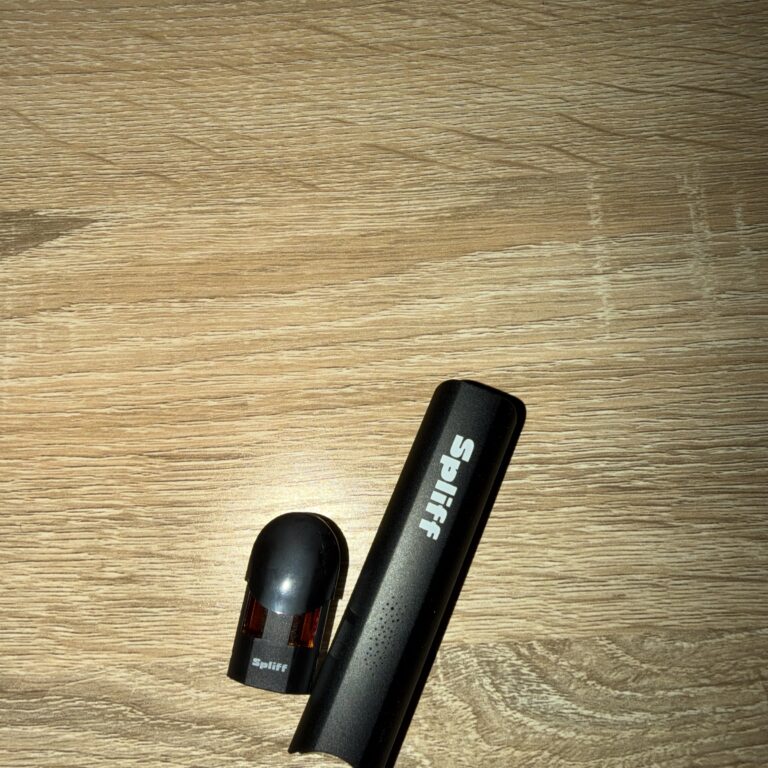
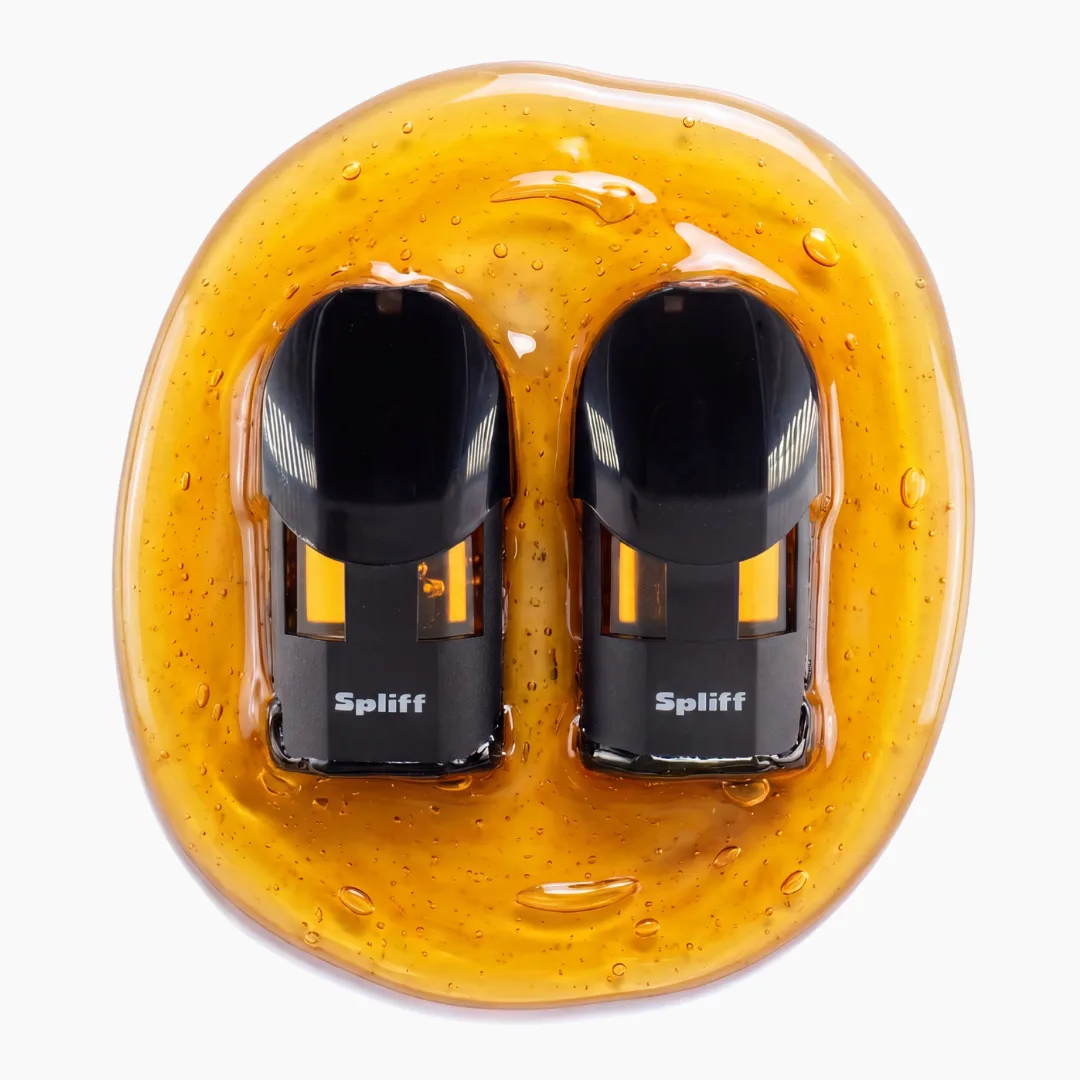
- Pod system: a reusable battery with swappable cartridges, like the Magic Pod Live Rosin x2. It’s the sensible middle ground if you want less waste without babysitting a tank.
- Refillable vape kit: use any CBD vape liquid you like (made for vaping, never a CBD oil meant for drops under the tongue), but you clean the tank and replace coils. Our range of CBD vape liquids fits here.
Which format keeps the flavour most consistent?
Sealed formats win on flavour consistency, because the liquid stays in the cartridge it was filled into, with a matched coil. A disposable or pod tastes much the same at the end as at the start.
A refillable tank depends on you. Residue from previous CBD vape liquids builds up on the wick, and a worn coil can flatten terpenes or add a burnt edge, especially when switching flavours.
That doesn’t make a vape kit worse, just more hands-on. Rinse the tank between fills and follow the manufacturer’s method for changing coils. Pick your format for taste and upkeep: that’s where the real difference lies.
How should you store vape juice and read its label?
Store cannabis vape juice in a cool dark place, upright and away from heat, because warmth and light break down terpenes and other aromatic compounds. Before buying, check four things on the label: extract type, base, declared cannabinoids and named terpenes. Vague or missing details are your cue to walk away.
Keep it out of direct sun, and never leave it in a car on a summer day, not even for a few minutes. Stand the device upright so the liquid sits where the design expects it, which keeps leaks rare.
For any new vape juice, run the label through this grid:
- Extract: distillate, live rosin or live resin, and whether the source plant (hemp or otherwise) is stated.
- Base: PG/VG, or none at all.
- Cannabinoids: which ones are declared (CBD, CBG, THC).
- Terpenes: named on the label, or hidden behind a vague “flavour” infused into the base.
This is how you sort serious CBD liquids from the rest, instead of trusting a glossy box. High quality vape juices spell out their composition, and the best CBD products never hide behind a “proprietary blend”. The lab analysis of each batch is available on request from customer service.
The bottom line
New to a refillable kit? Skip the glass dropper bottles of oil and pick a liquid that’s actually built for vaping from our CBD vape collection. Oils and vape liquids can look alike at times, but they’re made for very different jobs.
One honest note before you shop: when cannabidiol is used as a medicine, that means an authorised medical product such as Epidyolex, evaluated by the European Medicines Agency[3]. A vape liquid off a shop shelf is a different thing entirely, and the same goes for any THC vape juice. So a health question belongs with a professional, not a product page.
CBD is not a medicine and is not a substitute for medical advice or treatment. If in doubt, consult a healthcare professional.
Frequently asked questions
Does cannabis oil get you high?
This depends entirely on the extract and cannabinoid declared on the label. A product with CBD or CBG won’t produce intoxicating effects the way THC does. Spliff’s lab-tested range keeps THC content below 0.3%, and 0% for vapes and pods, so check the declared cannabinoids before buying.
Sources
- Epidyolex (cannabidiol) — European Medicines Agency, EPAR — www.ema.europa.eu
- Cannabis concentrate vaping chemistry — www.frontiersin.org