 Written by Sophie Clarke
 Contents7 sections
- What is a cannabinoids vape and how does it work?
- Plant-derived or synthetic cannabinoids: what's actually in your cartridge?
- How to vape cannabinoids, step by step
- Taste, aroma and texture: what can you expect?
- What effects do people report from cannabinoid vapes?
- CBD, live rosin or THCX: which cannabinoid vape should you choose?
- Conclusion: choosing your cannabinoids vape
A cannabinoids vape is a vape pen, cartridge or disposable that heats an extract of hemp cannabinoids and their terpenes until it turns into vapour, without ever burning the plant material.
Under the hood, all these vaping devices share the same basic anatomy:
- Battery: powers the whole thing.
- Atomiser: the heating element.
- Cartridge or tank: holds the cannabinoid and terpene extract.
- Mouthpiece: where the vapour comes out.
Think kettle versus barbecue. A barbecue chars whatever sits on the grill, while a kettle just turns water into steam. Vapes are the kettle: they heat rather than burn, which separates them from a joint and explains why they use a concentrated extract rather than dried leaves.
The term covers CBD vapes, live rosin style extracts and alternative cannabinoids, as opposed to smoked cannabis or marijuana flower. It has nothing to do with nicotine vaping either: nicotine e-cigarettes can look almost identical, but the liquid inside is a different product altogether.
Our take: the hardware is the easy part, the cartridge is where the real choice happens. Two pens can share the same battery and coil yet deliver completely different experiences, the way two espresso machines pull very different shots depending on the beans. So this guide focuses on what’s inside.
You’ll learn how to tell hemp cannabinoids from the synthetic cannabinoids in the headlines, how to read a label, how to use a vape pen and how to choose the format that suits you. One ground rule first: this is adult territory, and no vape of any kind is meant for adolescents.
The essentials in 30 seconds
A cannabinoids vape heats cannabinoid and terpene extracts into vapour without combustion, much like cigarettes nicotine vaping devices work: heating rather than burning. All vaping devices used share the same anatomy, but what you need to know is that composition varies widely, from hemp-derived extracts to synthetic compounds, which is why lab verification matters.
- A University of Bath study found seven vaporizers claiming cannabis actually contained a synthetic cannabinoid compound[5], unlike natural cannabis, frequently linked to seizures and fatal overdoses[5].
- THCX is a trade name, not a molecule: every batch is lab-tested for classified molecules and none are detected.
- The lab analysis of each batch is available on request from customer service, and Spliff products test below 0.3% THC, 0% for vapes and pods.
What is a cannabinoids vape and how does it work?
Every cannabinoids vape comes in one of three formats: disposable, cartridge or pod. The difference between them comes down to how you access the extract, not how the device works internally. Disposables, cartridges and pods just package it differently.
What does a cannabinoid vape pen look like?
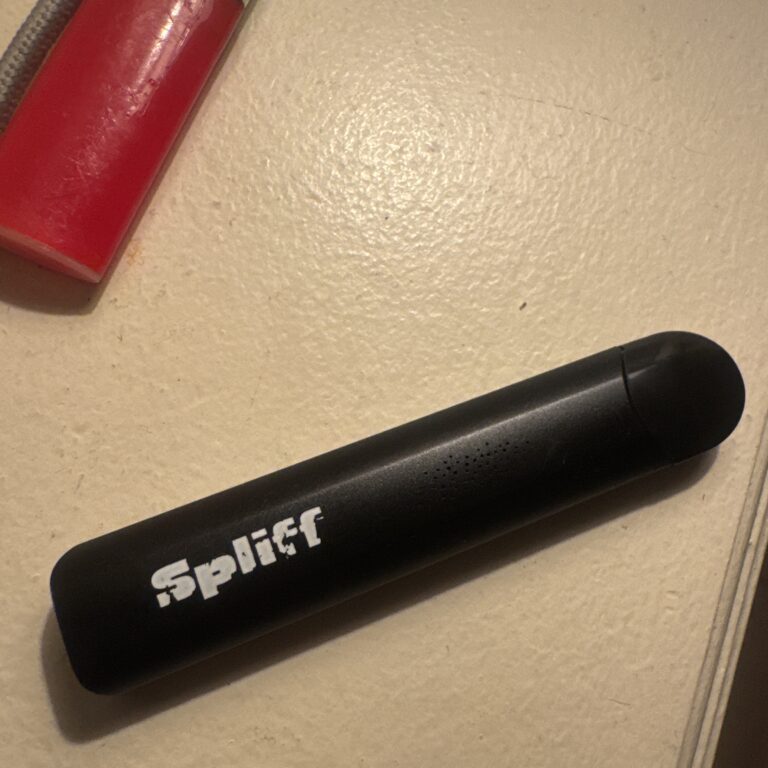
Most cannabinoid vape pens are slim tubes or small flat pods that slip into a pocket, and to most of the public they look a lot like the nicotine vaping devices sold next to regular cigarettes. The ones built for cannabinoids come in three main shapes:
- Disposable: one sealed, pre-filled unit with no refills or settings.
- Cartridge: a small tank that screws onto a standard threaded battery, which you keep for the long term while swapping cartridges.
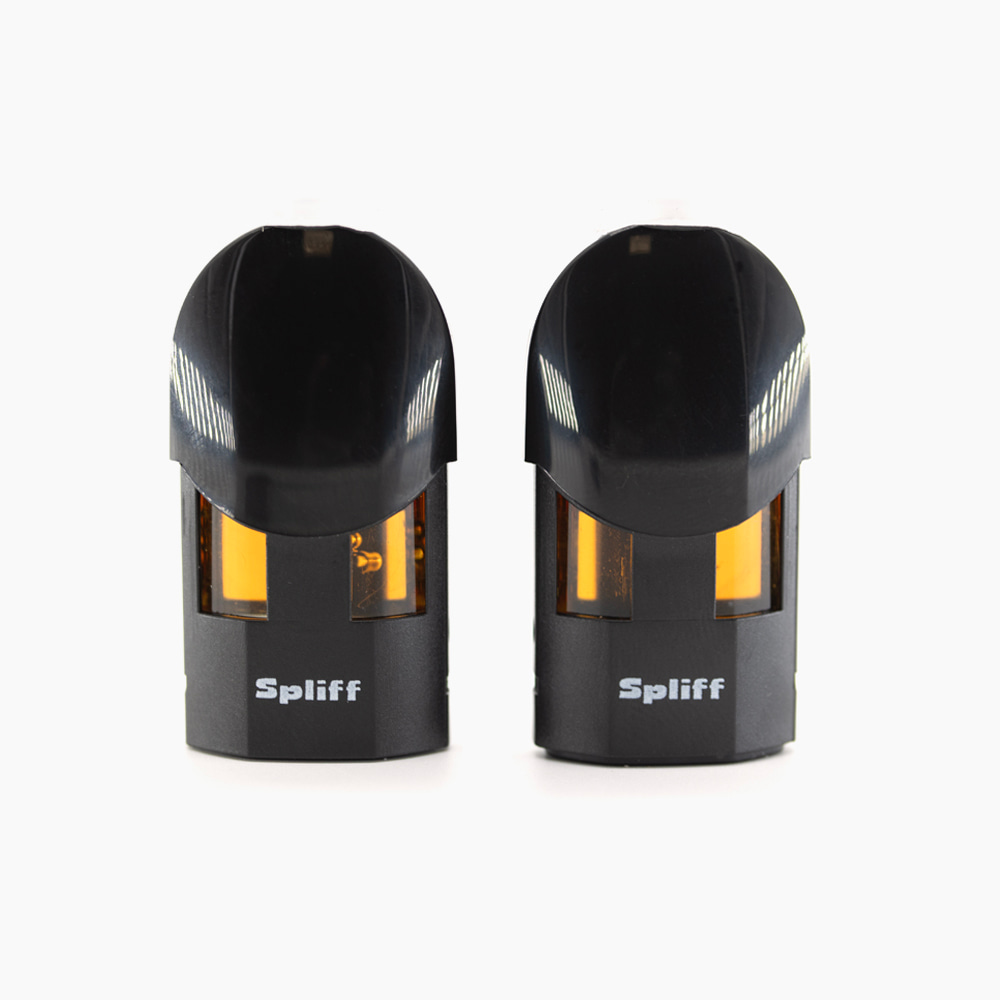
- Pod: a clip-in capsule that snaps into a matching battery, like a coffee capsule into its machine.
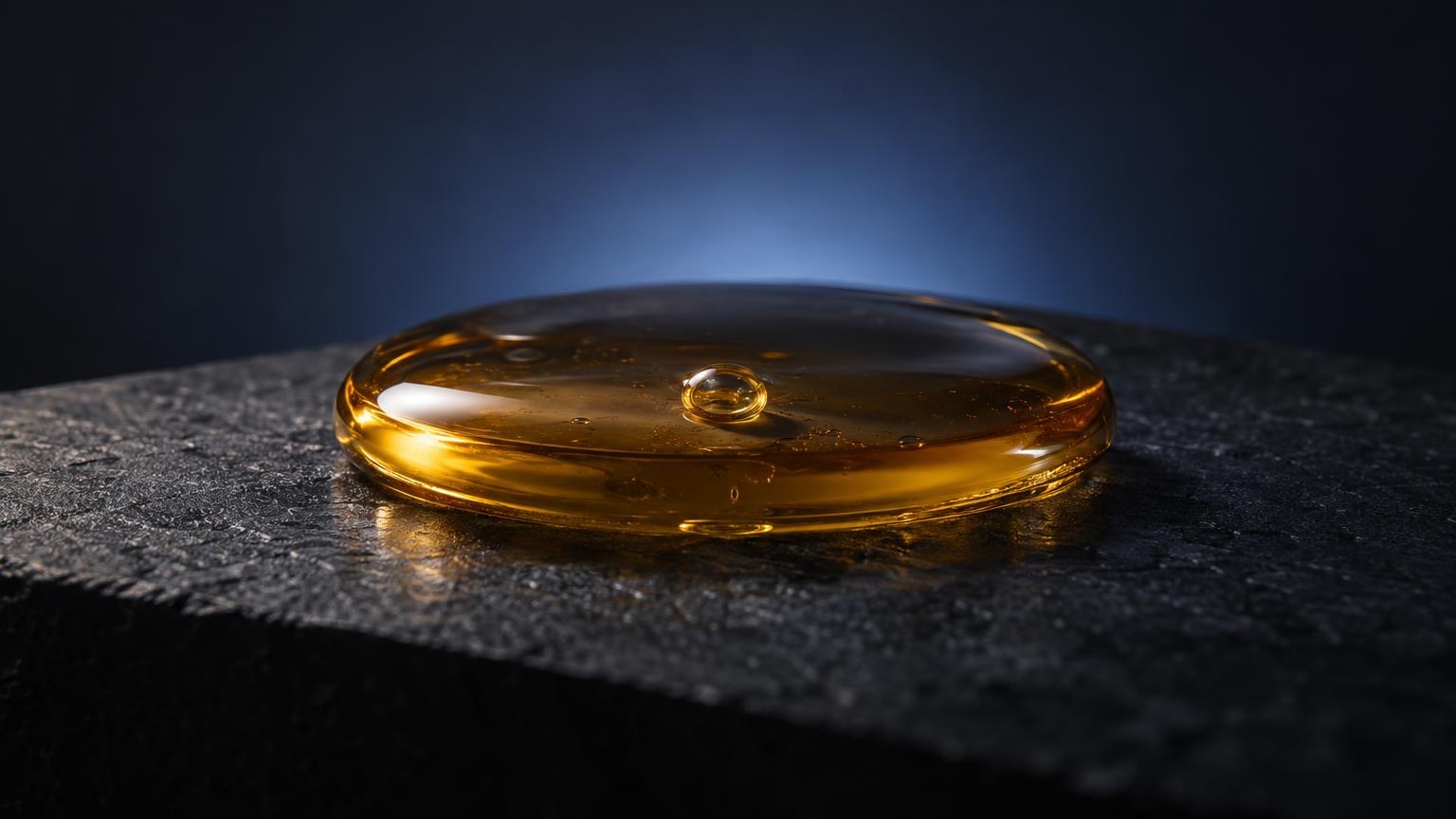
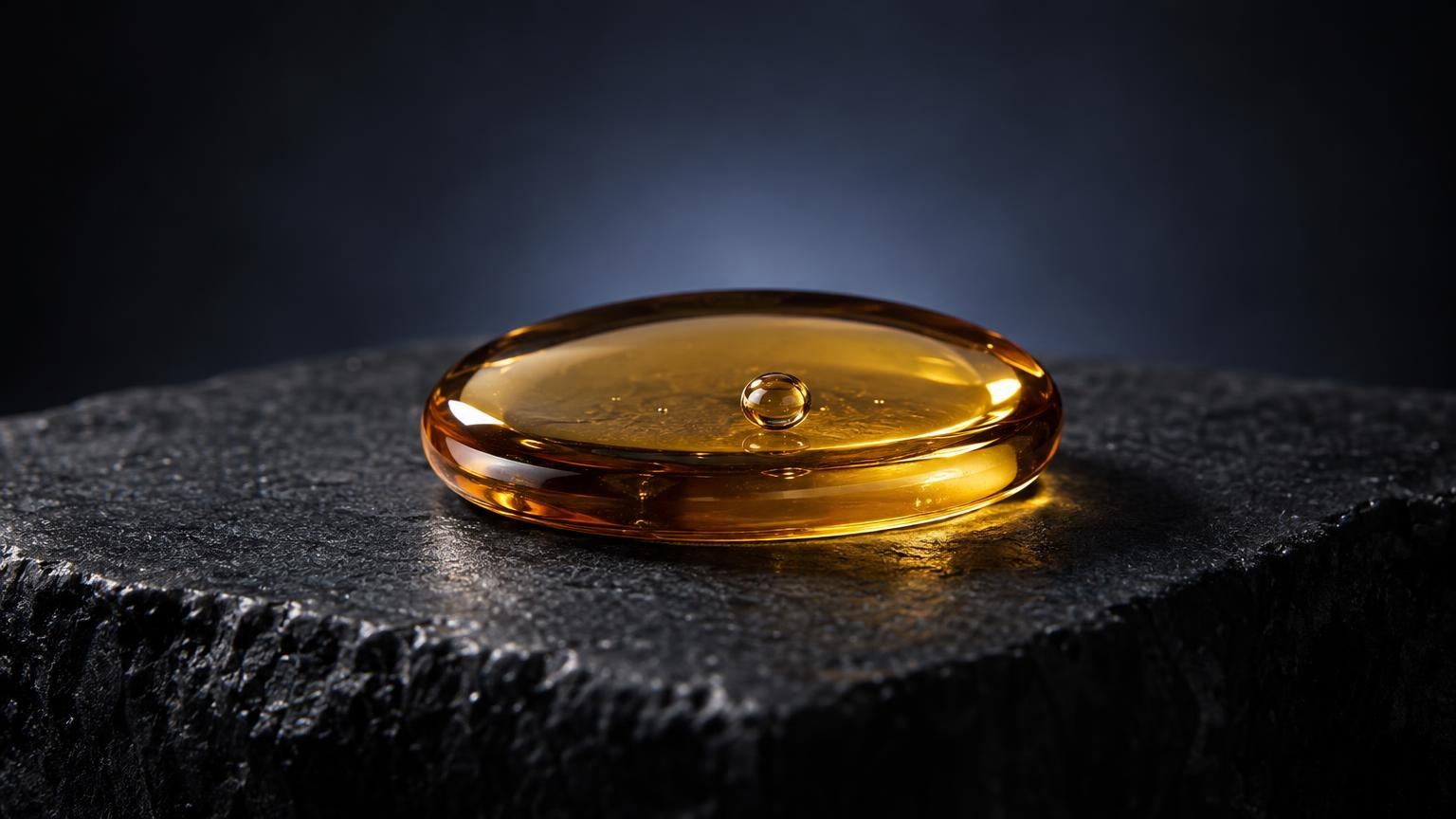
Hold it up to the light. A thick, amber or golden oil usually means a cannabinoid extract rather than a thin, clear e-liquid.
Why heating instead of burning changes the taste
Heating keeps the terpenes in play, so the vapour tastes like the extract rather than like smoke. Terpenes are the aromatic compounds behind citrus, pine or pepper notes, and they’re delicate.
Burning marijuana flower piles ash and char on top of that profile, like a steak left too long on the grill: the seasoning is still there, but the burnt crust does the talking. Vaping skips the flame, so the aroma comes through cleaner, closer to a well-mixed track where every instrument stays audible.
Plant-derived or synthetic cannabinoids: what's actually in your cartridge?
A hemp-based cannabinoids vape contains a named extract, such as CBD or live rosin, with a declared concentration you can check against a lab report. Synthetic cannabinoids are lab-designed substances sold under vague names. The reliable way to tell them apart is a batch-matched analysis.
That risk is real. A University of Bath study found that seven vaporizers sourced from the US and claiming to contain cannabis actually held a synthetic cannabinoid compound[5]. These vaping products look like any other cartridge, which is why prevention pages on substance use keep flagging them.
How to read a lab report before you buy
Start with the batch number: it has to match the one on your packaging, or the document tells you nothing about your cartridge. Then read the page line by line.
- Cannabinoid profile: the named cannabinoids and their measured amounts should match the label.
- Unidentified entries: a substance listed under a code name, or a profile with nothing identified, is a red flag.
- Lab and date: a named, independent laboratory and an analysis date.
- Contaminant panels: residual solvents, heavy metals and pesticides, each marked as passed.
If you’re shopping with us, here’s the rule: The lab analysis of each batch is available on request from customer service.
How to vape cannabinoids, step by step
Once you know what’s in the cartridge, using it is the easy part. Here’s the sequence that gets the most flavour out of a cannabinoids vape:
- Prep: charge the battery, check the cartridge sits snugly without leaks, and run the preheat setting if your device has one. Never refill it or mix in other drugs or oils.
- Draw: inhale slowly and steadily, like sipping tea rather than slurping a milkshake through a straw. A gentle pull gives round, aromatic vapour instead of a thin, harsh hit.
- Clean: wipe the mouthpiece and clear condensation now and then. When the terpenes fade and a flat, burnt note creeps in, the cartridge is empty.
Stick to sealed, lab-tested hardware and leave it as it came. This isn’t fussiness: as reported by The Guardian, an earlier University of Bath study found that over one in six vaporizers confiscated from schoolchildren also contained synthetic cannabinoids.[5]
Our rule of thumb: no clear brand, no lab testing, a bargain-bin price? Walk away. A cart you can’t trace is a cart you can’t trust, however nice the packaging looks.
The terpene-rich Magic Vape Live Rosin is a good one for learning that slow draw.
How should you store a vape pen between uses?
Store it upright, cool and dark. Standing the pen or cartridge vertically keeps the extract over the coil, so it doesn’t seep into the mouthpiece or flood the airflow.
Heat and light flatten terpenes, the way olive oil dulls near a stove, so a drawer or small case at room temperature beats a car dashboard or sunny windowsill.
- Keep cannabis products, devices and spare cartridges out of reach of children and pets, the same way you’d treat any drug in the house.
- Lock or disconnect the battery if your device allows it, so it can’t fire in a bag.
Taste, aroma and texture: what can you expect?
A cannabinoids vape tastes mostly of its terpenes: herbal, citrusy, piney or earthy notes, depending on the extract. The vapour feels lighter and smoother on the palate than smoke, with a soft, slightly warm texture. A live rosin extract usually comes across fuller and more plant-like than a refined CBD distillate.
Take slow, gentle pulls and the flavour has room to unfold. Terpenes carry the aroma: think of them as the high notes in a track, while the cannabinoid base is the bass line you sense more than hear.
The extract type shapes what lands on your tongue:
- CBD distillate: clean, light and almost neutral, so the terpene profile leads the taste.
- Live rosin: denser and slightly oilier in the mouth, closer to the fresh plant. Picture cold-pressed olive oil next to a refined one.
- Pods and disposables: a compact airflow that often gives a tighter, more concentrated draw.
Our take: if flavour is your priority, read the label for two things before the strain name. First, the extract type (distillate or rosin). Second, whether the terpenes are cannabis-derived or botanical blends, because a distillate with added terpenes tastes like a well-mixed cocktail, while a rosin tastes more like the fruit itself.
Heat matters as much as the oil. In short: gentler heat is kinder to delicate aromas.
Perceived intensity is personal: the same cartridge can read as bright and fruity to one person and earthy to another, the way two people describe the same coffee differently. Taste is the fun part, though. The real risks, like harmful fake cartridges, get their own sections in this article.
What effects do people report from cannabinoid vapes?
Reported effects depend on the cannabinoid. CBD vapes are generally described as non-intoxicating, so the experience centres on aroma and the ritual itself, while THCX vapes are presented as the option closer to THC. What you feel varies from one person to the next, and no cannabinoids vape can promise a specific result.
What people say they notice once the vapour settles splits along the cannabinoid on the label, whatever the latest trends suggest.
- CBD vapes: the appeal is mostly the terpene profile and a smooth, flavour-led session.
- THCX vapes: positioned as the stronger option, aimed at adults (never youth) looking for an experience closer to THC. THCX is a trade name, not a molecule: every batch is lab-tested for classified molecules and none are detected.
Same cartridge, different reactions.
CBD, live rosin or THCX: which cannabinoid vape should you choose?
Pick by what you’re after. A CBD vape is the easy entry point to discover the format and the aromatic profile of hemp. Live rosin suits flavour hunters who want the most plant-true terpenes. THCX is the one to save for experienced adults already comfortable with a cannabinoids vape.
Choosing here works differently from nicotine vapes, where strength is the main dial you increase or lower. With cannabinoid vapes, you pick the extract first. For a first try, the Magic Vape keeps things simple and lets you learn the format without surprises.
Our THCX vapes sit at the other end of the scale. THCX is a trade name, not a molecule: every batch is lab-tested for classified molecules and none are detected. They’re not where you start, even for young adults who already handle vape pens with ease.
What makes live rosin different from a standard extract?
Live rosin is pressed, not washed: fresh plant material is frozen after harvest, then squeezed with heat and pressure, so the resin comes out solvent-free.
That changes the aroma more than anything else, like cold-pressed juice versus concentrate. If flavour is your priority, the Magic Vape Live Rosin is the one we’d point you to.
Conclusion: choosing your cannabinoids vape
Once you’ve settled on a format, let the label be your final filter before buying. Check what’s legal where you live, too, because the rules shift from one EU country to the next.
Treat it as its own category, not as a nicotine refill or a stand-in for smoking: it’s a different substance entirely. For adults only (18+), never for adolescent users, and never before driving.
When you’re ready to put your choice into practice, the CBD vape collection has every cannabinoids vape side by side, so you can compare formats and labels in one place.