 Written by Sophie Clarke
CBD Flower at Spliff · from €0.65/g · ★ 4.9/5 (936 reviews)
72 h delivery in Europe · Free delivery from €99
Contents8 sections
- What's the difference between indica and sativa?
- Do indica and sativa strains really feel different?
- Why does the cannabinoid and terpene profile matter more than the label?
- How to read an indica, sativa or hybrid label when you shop
- Does indica or sativa mean anything in medical cannabis?
- Indica, sativa or hybrid: choosing your vape format at Spliff
- Conclusion
- Frequently asked questions
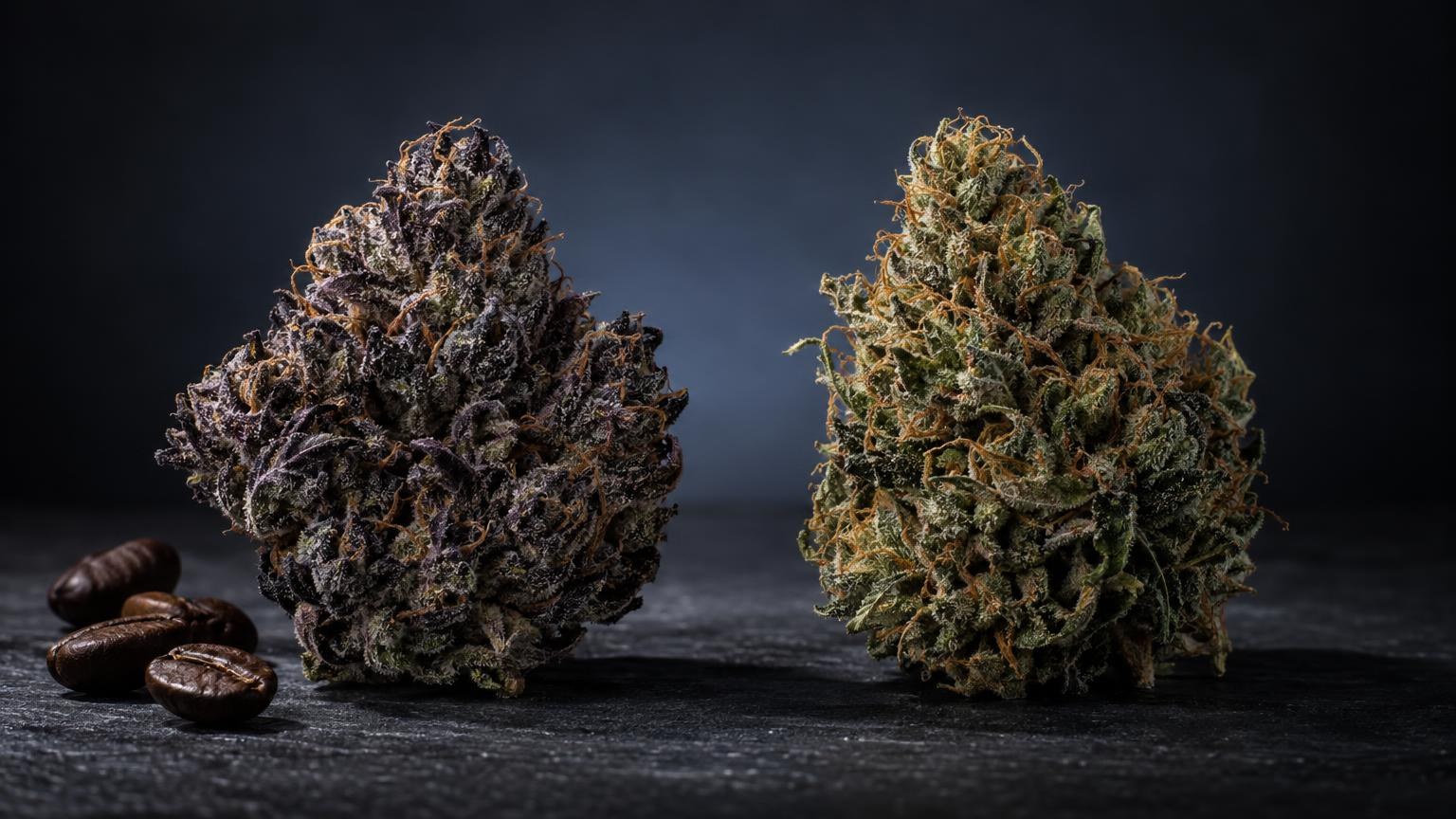
The indica sativa difference refers to how a cannabis plant looks and where its lineage comes from: cannabis indica plants are traditionally short and bushy with broad leaves, while cannabis sativa plants grow tall and slender with narrow, finger-like leaves.
The names began as geography. Indica is linked to the cooler, mountainous regions of Central and South Asia, where plants stay compact and dense. Sativa plants come from warmer, equatorial zones, where they stretch upwards with an airy, open structure.
Here’s the catch: most strains on today’s market come from hybridisation, crossed and re-crossed for generations. So when you compare indica sativa plants on paper, you’re mostly comparing ancestry. A product labelled indica sativa, or simply “indica”, tells you about family history, not about what you’ll feel.
This guide takes the indica sativa difference step by step, starting with the botany. Next comes the effects shorthand the market loves, followed by the cannabinoid and terpene profile that actually gives a product its character. You’ll finish with a simple label-reading method and a clear comparison of vape formats.
The essentials in 30 seconds
Indica versus sativa describes plant shape and lineage, not guaranteed effects: popular claims about strain classification and terpene-driven effects remain unsubstantiated[5][7]. Some medical cannabis users do report preferring indica for pain, sedation and sleep, and sativa for euphoria and energy[4]. What matters more is the cannabinoid and terpene profile printed on the product page.
- Indica (compact, broad leaves) and sativa (tall, narrow leaves) refer to plant structure and geographic lineage, while the cannabis industry often claims these labels produce distinct effects[6].
- Terpene profiles across sativa, indica and hybrid strains are heterogenous, with no statistical link between terpene profile and genetic classification[7].
- In a survey, users significantly preferred indica for pain management, sedation and sleep, and sativa for euphoria and energy[4], though perceived effects were also linked to feeling sleepy/relaxed with indica versus alert with sativa[6].
What's the difference between indica and sativa?
The indica sativa difference is botanical: cannabis indica describes a compact cannabis plant with broad leaflets, while cannabis sativa describes taller sativa plants with narrow leaflets. Both names classify plant structure and lineage. Today almost every strain sold is an indica sativa hybrid, so the label tells you about ancestry, not about THC or any other cannabinoid.
Where do the names indica and sativa come from?
Both names began as plant descriptions, written by botanists long before anyone printed them on a vape box. Cannabis sativa came first, used for the tall, fibrous hemp familiar across Europe.
The French naturalist Jean-Baptiste Lamarck later described broad-leaved plants from India as a different species and named them Cannabis indica, covering leaf width, height and branching. Nothing in those first descriptions said how the plants felt.
What does ‘hybrid’ mean on a strain name?
A hybrid is a cross between indica and sativa lines, and that’s what fills nearly every shelf today. Generations of crossing mean pure indica sativa plants are rare on the modern market.
“Indica-dominant” or “sativa-dominant” only means one side weighs more in the family tree. It doesn’t lock in character: terpene profiles of sativa, indica and hybrid strains are heterogeneous, with no statistical correlation to their genetic profile[7]. Two plants carrying the same label can smell nothing alike.
Do indica and sativa strains really feel different?
Shops and strain menus usually say yes: indica for a heavy, body-focused feel, sativa for uplifting energising effects in the head. Treat that as a market convention, not a rule. The label describes lineage, while how a product feels depends far more on its cannabinoid profile, the amount you take and your own body. That makes the indica sativa difference a weak predictor of effects.
The shorthand travels from dispensary menus in the United States to shop shelves across Europe. It runs deeper than retail habit: the cannabis industry frequently claims that indica and sativa cannabis produce unique effects[6].
The evidence is thinner than the marketing. Many popular cannabis claims, including strain classification and terpene content producing different subjective effects, are unsubstantiated[5]. The entourage effect, the idea that cannabinoids and terpenes boost each other, belongs in the same box: a popular talking point, never a guarantee.
Crossbreeding adds to the problem. Decades of hybridising mean two strains labelled indica can sit miles apart chemically. Ancestors from Africa or Asia tell you about heritage, not about what ends up in your product.
Why does the cannabinoid and terpene profile matter more than the label?
The cannabinoid terpene profile describes what’s actually in the product: how much THC and CBD it carries, the CBD:THC ratio between them, and which terpenes lead the aroma. Put the indica sativa difference next to that chemistry and the chemistry wins. That’s what you should compare.
A single THC percentage tells you less than the CBD:THC ratio. A full product cannabinoid terpene breakdown gives you a sharper read than the indica sativa difference ever will.
Which terpenes give a strain its aroma?
A handful of terpenes shape most of the aromas on a terpene list, each with a recognisable scent:
- Myrcene: earthy and musky, close to ripe mango.
- Limonene: bright citrus, like fresh lemon zest.
- Pinene: sharp and resinous, like pine needles.
- Caryophyllene: peppery and woody, like black pepper.
- Linalool: floral, with a lavender edge.
Read the terpene profile like tasting notes on a coffee bag: it tells you how a strain smells and tastes, nothing more. A cultivar named after the hills of India can lead with zesty limonene as easily as earthy myrcene, so let your nose decode the list.
How to read an indica, sativa or hybrid label when you shop
With the profile in mind, any jar or product page becomes a three-step read. The indica sativa difference still has a place, just at the bottom of the list.
- Cannabinoid first: spot the compound and its stated THC CBD content before you glance at the tag.
- Proof second: check that a lab analysis backs those figures.
- Aroma and format last: read the terpene notes, then pick flower, hash, oil or vape.
A page like Magic Pod states the format plainly, so you know it’s a pod before any strain tag enters the picture.
What should a lab report actually show you?
A lab report should show the cannabinoid figures for the exact batch in your hands, plus who tested it and when. If the report and the label disagree, trust the report.
- Content per cannabinoid (THC, CBD, minor ones), not one vague total
- A batch reference identical to the one on the package
- The lab’s name and the date of analysis
Whether a pack reads indica sativa hybrid or pure cannabis sativa, a lab sheet measures compounds, not the terms indica sativa. Every Spliff product is lab-tested: THC content below 0.3% (0% for vapes and pods). The lab analysis of each batch is available on request from customer service.
Does indica or sativa mean anything in medical cannabis?
Not much. In medical cannabis, the vocabulary centres on cannabinoid content: how much THC and CBD a product contains, and the ratio between them. Indica and sativa can still appear as lineage tags, but medical and research settings tend to describe cannabis by chemical composition rather than plant shape, as popular cultivar classification claims remain unsubstantiated[5].
Leaf width and ancestry don’t define these groups.
Patients still use the old words, though. In a web survey of medical cannabis users, respondents showed a statistically significant preference for indica for pain management, sedation and sleep, and for sativa for euphoria and enhancing energy[4]. That’s a reported preference, not proof of what a plant actually does.
Any medical cannabis prescribed by a doctor stays a matter between them and the patient. Adult-use shop products sit outside that framework, so a “sativa medical cannabis” strain name on a shop menu isn’t a clinical signal, and the indica sativa difference doesn’t become one in a medical context either.
Indica, sativa or hybrid: choosing your vape format at Spliff
Once the profile leads, picking a vape comes down to two questions: what the product page states, and which device carries it. At this point the indica sativa difference shrinks to a footnote, which is exactly where it belongs.
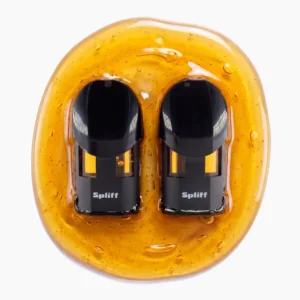
Magic Pod Live Rosin x2 is the pick if you shop by profile and care about aroma first. Before you choose, read what the product page lists. That’s where the real information lives, not in a strain tag.
Magic Pod x2 is the classic version of that pod format, for swapping pods and comparing strains side by side. Magic Vape is the ready-to-use device from our THCX range, with no pod to change. THCX is a trade name, not a molecule: every batch is lab-tested for classified molecules and none are detected.
That logic covers all the classifications indica sativa menus use, from a Kush name nodding to Afghanistan’s mountains to a citrus-forward hybrid. The effects cannabis buyers look for are read in the chemistry, not in the tag. For adults only (18+).
Conclusion
That’s the whole method in one move: once the extract and device are sorted, the tag on the box has nothing left to decide. The indica sativa difference tells you whether a strain’s lineage traces back to the Hindu Kush or to the lowlands of Southeast Asia, which is a good story but not a buying guide.
Read the profile, not the word. Check the stated THC and CBD figures, the CBD:THC ratio and the terpene notes, then pick the format that fits how you use it. If pain or any health conditions are part of the picture, that’s a conversation for a doctor, not a strain menu.
At Spliff, orders ship to Germany, Austria, the Netherlands and Belgium. When you browse the vape collection, let the profile lead and treat the indica or sativa tag as a footnote, not the headline.
Frequently asked questions
Which is stronger, sativa or indica?
Neither label indicates strength: cultivar classification claims like indica versus sativa are largely unsubstantiated[5]. What matters is the actual THC and CBD content stated on the product, not the plant lineage.
Is sativa an upper or downer?
In reported use, people were more likely to perceive feeling alert or energised after sativa, versus sleepy or relaxed after indica[6]. Sativa was also preferred for euphoria and enhancing energy in a medical cannabis user survey[4]. These remain reported perceptions, not proven pharmacological effects.
Can sativa get you stoned?
Any psychoactive effect depends on the cannabinoid content of the product, not whether it’s labeled sativa. The industry often claims indica versus sativa produces unique effects[6], but such strain-based effect claims remain unsubstantiated[5]. Check the stated THC level on the product page instead.
Sources
- a web survey of medical cannabis users — pubmed.ncbi.nlm.nih.gov
- An Ecological Examination of Indica Versus Sativa and … — pubmed.ncbi.nlm.nih.gov
- A cross-sectional survey of cannabis users – PubMed – NIH — pubmed.ncbi.nlm.nih.gov
- Classification of Cannabis Strains Based on their Chemical … — pubmed.ncbi.nlm.nih.gov