 Written by Sophie Clarke
CBD Hash at Spliff · from €3.50/g · ★ 4.9/5 (429 reviews)
72 h delivery in Europe · Free delivery from €99
Contents7 sections
“Effects of CBD” refers to what cannabidiol (CBD), a non-intoxicating, cannabis-derived compound, does in your body. Unlike THC, it doesn’t get you high, and it interacts with your endocannabinoid system and its receptors in a far subtler way.
Most guides blend approved medicine, lab hypotheses and forum enthusiasm into one long list of “benefits.” Here, every claim about the effects of CBD gets sorted into one of three levels. Then you’ll see how format changes timing and how to choose between CBD products.
- Established: what a recognised authority, such as a medicines regulator or the World Health Organization, has formally assessed. Think of a recipe that’s been tested and printed.
- Studied: what researchers are still investigating, with no settled answer. That’s the dish still being reworked in the test kitchen.
- Reported: what users describe. It’s the diner’s review: honest, sometimes useful, always personal.
That third level varies a lot from one person to the next. Format (oil, vape, hash), spectrum, terpene profile and your own body all shape how a cannabinoid feels, and those interactions are messy enough that no single receptor explains the whole picture. A user report tells you about an experience. It doesn’t prove a benefit.
One frame holds for everything that follows: CBD is not a medicine, and a report repeated a thousand times still sits on level three.
The essentials in 30 seconds
CBD effects range from established medical uses to studied and merely reported outcomes: only Epidiolex, approved by the Food and Drug Administration for seizures associated with Lennox-Gastaut syndrome, Dravet syndrome, tuberous sclerosis complex, is formally recognised, while side effects like nausea or fatigue are also documented.
- Established: Epidiolex is FDA-approved for Lennox-Gastaut syndrome, Dravet syndrome, and tuberous sclerosis complex seizures[4].
- Common side effects include nausea, fatigue, and irritability, plus possible interaction with blood thinners via liver enzymes[5][4].
- The lab analysis of each batch is available on request from customer service, since every Spliff product is tested with THC below 0.3% (0% for vapes and pods).
What are the effects of CBD?
The effects of CBD are subtle and not intoxicating in any marked way. Cannabidiol is a member of the cannabinoid family, and unlike the THC in marijuana it won’t get you high, although some sources note it can slightly shift your state of mind; it works indirectly on CB1 and CB2 receptors and other targets in your body. Only one medical use counts as established: in the US, the pharmaceutical drug Epidiolex is approved for certain types of epilepsy, such as Dravet syndrome, and for tuberous sclerosis complex (TSC)[4].
- Established: Epidiolex, a single pharmaceutical drug approved in the United States for seizures linked to Dravet syndrome and tuberous sclerosis. That approval covers one medicine, not the CBD oil or vape on a shop shelf.
- Studied: nausea, vomiting, pain that becomes chronic, psychiatric disorders, post-traumatic stress disorder, and questions around high blood pressure.
- Reported: what people describe after consumption of CBD products, from a mellow, unwound feeling to a shift in mood. It’s real to them, and it’s the tier that swings most from one person to the next, for the reasons set out at the top.
Whenever you read a claim about the effects of CBD, ask which tier it belongs to. A lot of marketing quietly promotes a reported feeling to the established tier.
What does the research actually say about CBD?
One prescription cannabidiol drug, taken at controlled doses under medical supervision, holds a regulatory approval from the US Food and Drug Administration. The rest is still being studied. These are open questions, not proven effects of CBD you can expect from a shop product.
That single approval, the Epidiolex file covered earlier, comes from the US drug regulator, so it doesn’t automatically apply to a reader in Germany, Austria, the Netherlands or Belgium. It also covers one prescription drug, not cannabidiol as an ingredient.
Is there “FDA approved CBD” on shop shelves? No, and our take is blunt: any product page that hints otherwise has lost your trust. A pharmacy drug and an over-the-counter oil differ in purity, dose control and supervision.
Researchers are exploring CBD’s potential in:
- chronic pain, including whether CBD can reduce chronic pain and how the body processes pain sensation
- seizure activity
- nausea and vomiting
- psychiatric disorders, including post-traumatic stress disorder
A result in a lab rodent is a lead, not a promise for your body. Read any headline about CBD and pain as a demo track, not the finished album.
Here’s how we sort it: one approved prescription drug sits in the “established” column, the list above sits in “studied”, and everything you read in a product description without a source sits in “reported”. If a claim can’t move out of that last column, treat it as marketing.
Does any finding matter right now? Yes, one pharmacological point. According to Harvard Health, CBD can raise the level of blood thinners and other medicines in your blood by competing for the liver enzymes that break them down[4].
Does CBD have side effects?
Yes. CBD does produce side effects for some people, including nausea, fatigue, and irritability[5]. The bigger concern is how it mixes with other medicines, so check with a doctor or pharmacist first if you take any regular treatment. Lab and animal findings are questions for researchers, not verdicts about your own body.
Non-intoxicating doesn’t mean inert, and the effects of CBD can include feeling flat or drowsy.
Context matters. Epidiolex, the FDA approved CBD drug, is taken at controlled doses under medical supervision. Its safety profile can’t be copied onto a shop oil or vape, a different product in a different setting.
Your medicine cabinet matters more than your mood. CBD can increase the level of blood thinning and other medicines in the blood by competing for liver enzymes[4], so any prescription deserves a quick conversation first.
Treat any animal result, male reproductive health included, as a question for researchers rather than a conclusion about humans.
How long do the effects of CBD oil last?
How long the effects of CBD oil last depends mostly on the route it takes into your body. Held under the tongue, oil is absorbed partly through the mouth lining, so it kicks in faster than swallowed CBD. Swallowed formats start slowest and linger longest, while inhaled CBD arrives first and fades first.
One rule covers them all: the faster it gets in, the sooner it leaves.
- Under the tongue (oils, tinctures): the mouth lining takes up part of the drop, the rest gets swallowed, putting oil in the middle on speed and duration.
- Swallowed (CBD gummies, capsules, edibles): the gastrointestinal tract and the liver get to it first, so it arrives later but stays longer.
- Inhaled (vapes, hash): it goes through the lungs, giving the quickest start and the shortest exposure.
Think of it like music: a vape is a short, loud track, capsules are a slow ambient album, and oil sits somewhere in between. Our take? If you want flexibility, oil is the smartest middle ground, because you control how long it sits under your tongue before it goes down.
Why does oil feel slower than a vape? Part of every drop still ends up swallowed, so it takes the longer digestive route. Does holding it under the tongue matter? Yes: swallowing straight away turns your oil into an edible, with the slower start that comes with it.
Does food change the timing? It can. Metabolism, a full or empty stomach, how often you use CBD and the concentration of your products all change how long CBD stays effective for you.
This is a timing rule, not a dose instruction, and it borrows nothing from the medical setting: it only describes how the route shapes when and for how long CBD can cause effects. CBD is not a medicine and is not a substitute for medical advice or treatment. If in doubt, consult a healthcare professional.
CBD oil, vape or hash: comparing the formats
Once you’ve matched a route to your rhythm, the label and the hardware decide the rest. The effects of CBD you notice depend on what’s actually inside the bottle or cartridge, so here’s how to read both before picking a CBD product.
What does full-spectrum mean on a CBD oil label?
Full-spectrum means the oil keeps a wide slice of the hemp plant’s natural compounds, including CBD, minor cannabinoids and terpenes, instead of CBD alone.
- Full-spectrum: the broader cannabis profile, cannabinoids and terpenes together, with the most earthy, herbal flavour.
- Broad-spectrum: a similarly wide profile, with THC removed.
- Isolate: purified CBD on its own, close to neutral in taste.
If you enjoy aroma, go full-spectrum. If you want nothing but cannabidiol, isolate is the cleaner pick, and the CBD oil collection lets you compare labels side by side.
Pod or refillable vape: what’s the practical difference?
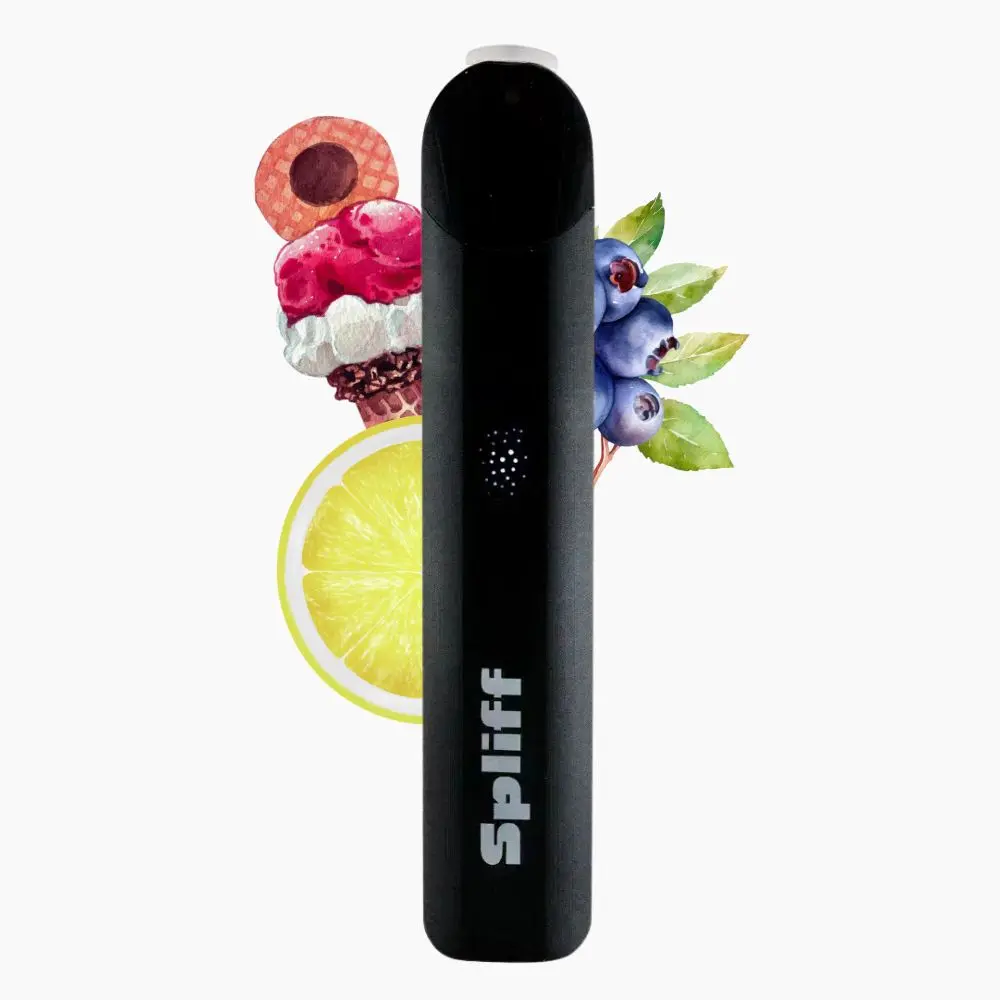
The difference comes down to upkeep: a pod is a sealed, prefilled cartridge you click in and swap, while a refillable vape asks you to top up the tank yourself. Pods win on zero mess and discretion; refillables give you more control, if a small cleaning routine doesn’t bother you.
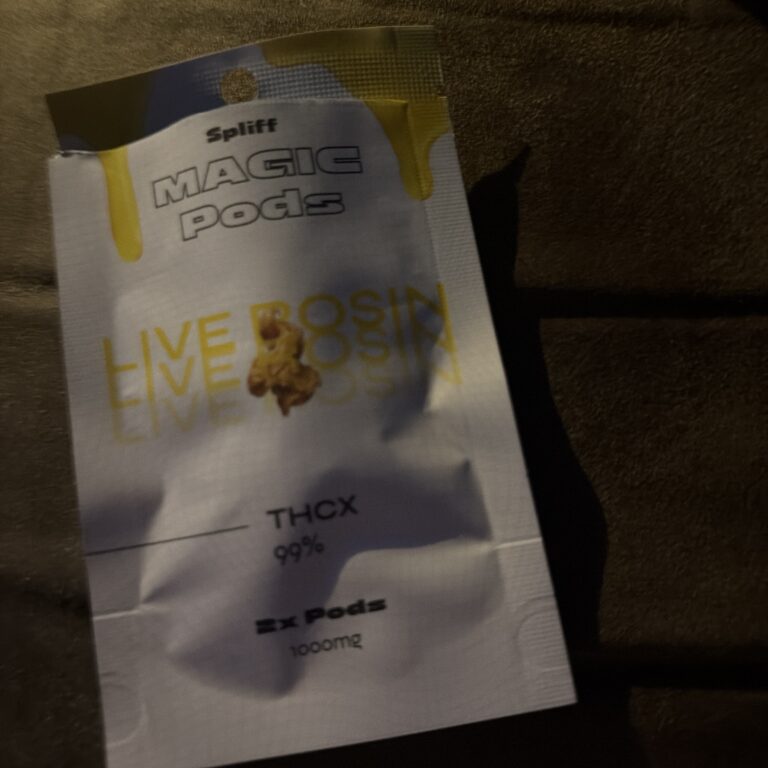
The Magic Pod x2 shows the plug-and-go approach, while the Magic Vape suits you if you’d rather have a dedicated device. Every Spliff product is lab-tested: THC content below 0.3% (0% for vapes and pods). The lab analysis of each batch is available on request from customer service.
How do you choose a CBD product you can trust?
You can trust a CBD product when you can verify it yourself: an independent lab report for the batch, a cannabinoid profile matching the label, a price per mg you calculate yourself, and no health promises on the pack. For consumers, a label claiming to fix a condition is the first red flag.
What should a CBD lab report show?
A lab report should link one specific batch to an independent lab’s measurements.
- Batch: the lot on the report matches the lot on your pack.
- CBD content: the measured cannabidiol (CBD) level is close to the label’s promise.
- Full profile: THC, minor cannabinoids and terpenes from the cannabis plant.
- Contaminants: pesticides, heavy metals and solvents, each with a pass result.
- Date and lab: a recent test, including the laboratory’s name.
Is a more expensive CBD product a better one?
Not automatically. Divide the price by the total mg of CBD in the pack. That price per mg is the fair way to compare an oil with a hash, whatever your preferred form of consumption.
Think of it like price per kilo at the market: the flashy jar isn’t always the better deal. A premium price only makes sense when the lab report backs up what the label says.
What red flags should make you walk away?
Our take is simple: if a brand can’t show you a batch analysis, skip it, however nice the packaging looks. The same goes for a label with no lot number, no CBD amount in mg, or vague wording like “pure extract” with nothing measurable behind it.
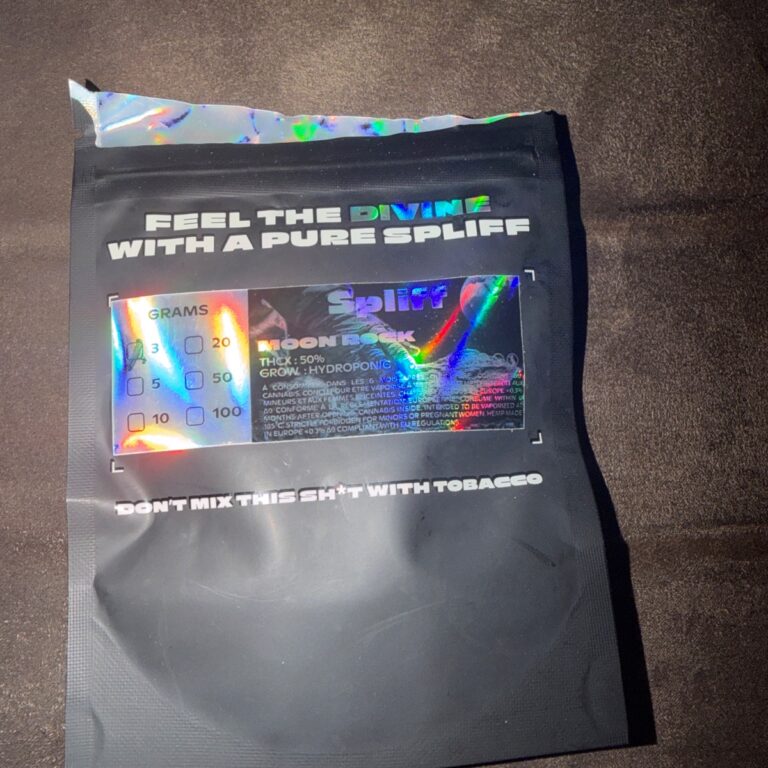
If hash is your format, the Afghan Hash is a good place to put this checklist to work. Pair it with a grinder and papers from our accessories, or compare drops in the CBD oil collection. The lab analysis of each batch is available on request from customer service.
The bottom line on CBD effects
Run every health claim past three checks: the format, the batch report and your own use. Do that and the hype falls away fast, leaving the evidence and an honest read of the effects CBD can actually have for you.
At heart, it’s simple: the format sets the rhythm, the batch report earns the trust, and your own use decides the real impact. Non-intoxicating isn’t the same as effect-free, and any regular medication still gets the final say.
No miracle promises, just clear labels and a format that fits how you actually like your CBD. New to it? When you’re ready to compare labels, start with the CBD oil collection.
Sources
- Cannabidiol (CBD): What we know and what we don''t – Harvard Health — www.health.harvard.edu
- CBD products are everywhere. But do they work? — www.health.harvard.edu