 Written by Sophie Clarke
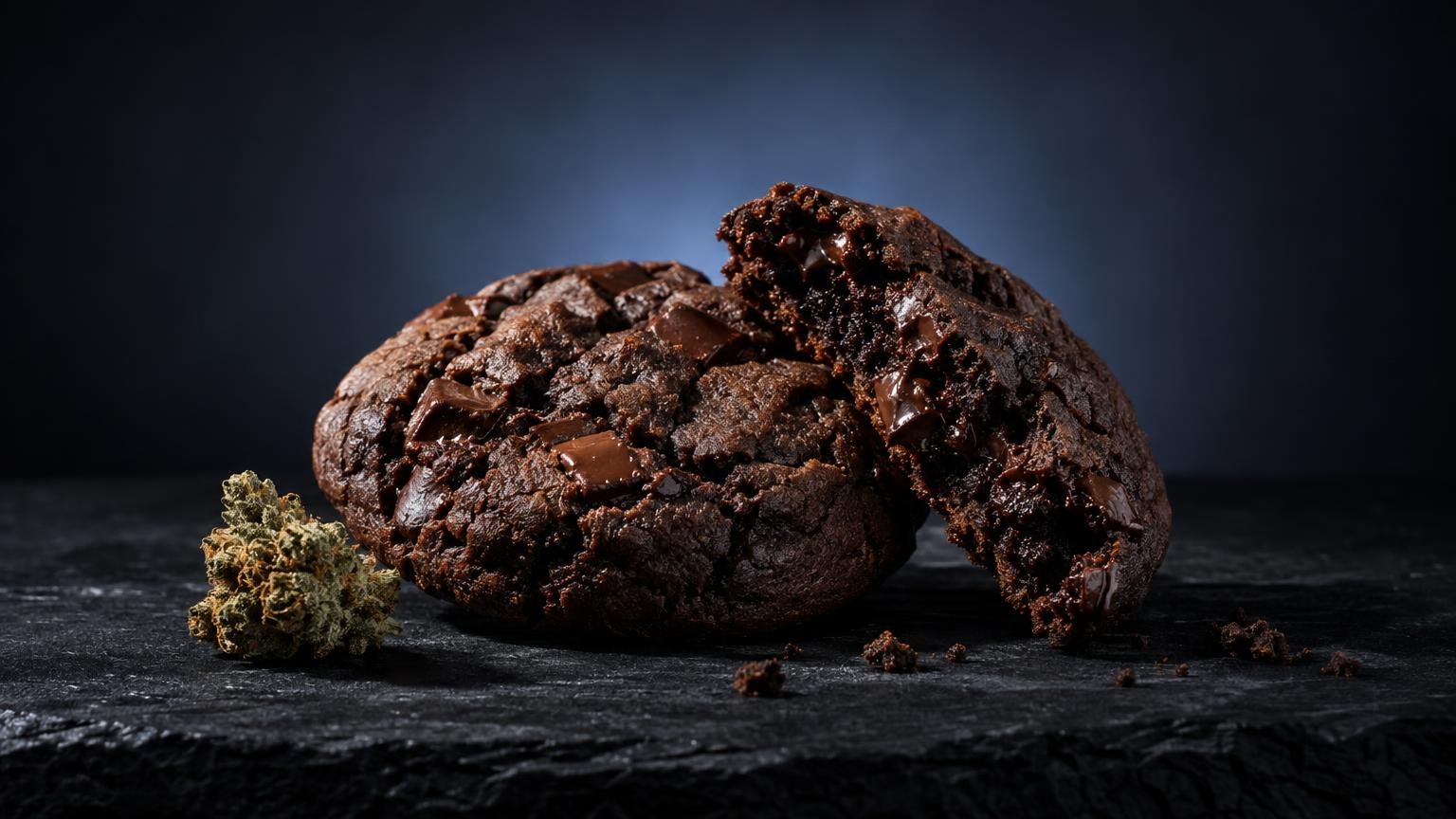
Edibles are cannabis-infused foods and drinks (gummies, chocolate, baked goods, candy or capsules) carrying THC, CBD or other cannabinoids from cannabis plants, absorbed through digestion rather than smoking or vaping. Effects cannabis edibles produce build slowly but can last up to 12 hours, making them useful for chronic pain or chemotherapy support[4].
Contents8 sections
- What are edibles, exactly?
- What's inside cannabis edibles: THC, CBD or other cannabinoids?
- Which edible formats can you choose from?
- How do edibles feel different from smoking or vaping?
- Are edibles considered drugs, and what are the rules in Europe?
- How to choose your first edible at Spliff
- The short answer
- Frequently asked questions
The term edibles refers to cannabis-infused food and drink: gummies, chocolate, baked goods, candy or beverages that carry THC, CBD or other cannabinoids and are swallowed rather than smoked or vaped.
Edibles come from the same plants as the flowers and hash you already know. Only the route into your body changes, and that one switch explains almost everything that follows. Whether you call it cannabis or marijuana, the cannabinoids are the same, but the digestive path shifts the effects, so the high from an edible behaves differently from a joint.
This guide answers what are edibles in practical terms. You’ll see what goes into them, how the THC from cannabis gets infused into butter or oil, which food and drink formats exist, and how the experience feels compared with inhaling, before we wrap up with a simple method for reading the label.
TL;DR: Edibles are cannabis-infused foods and drinks you swallow instead of smoking or vaping. They carry the same cannabinoids as flowers or hash, but digestion changes how and when the effects show up. Formats run from gummies and chocolate to drinks, and reading the label properly is your best tool for choosing one.
What are edibles, exactly?
So, what are edibles? A cannabis edible is any food or drink that has been cannabis infused, so you swallow the cannabinoids instead of inhaling them. THC edibles, CBD bites and mixed formats all count, from gummies and chocolate to cookies and syrups. Many people still search for them as marijuana edibles.
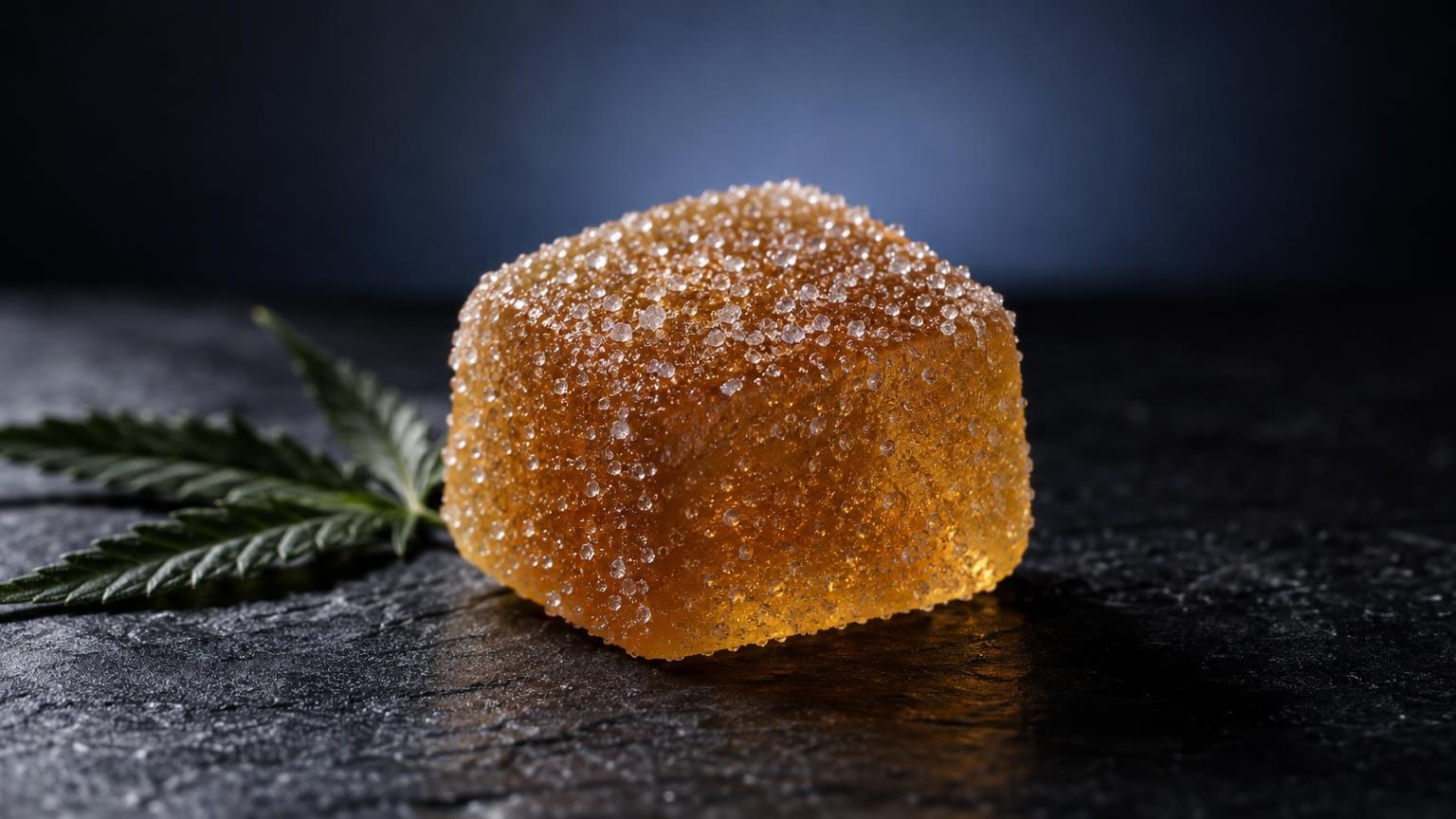
Why are gummies the format everyone pictures?
Gummies became the go-to image because they fix what other cannabis products leave vague. Each piece works like a pre-cut square of chocolate: one unit, one stated amount.
- Fixed portion: the mg per piece the label states is exactly what one gummy holds.
- Taste: fruit flavours cover the herbal note of the extract.
- Storage: sealed packaging keeps these cannabis edibles fresh longer than a home-baked brownie.
- Discretion: a gummy looks like ordinary confectionery, so a child could easily mistake it for a sweet. It needs a clear label and a place where children can’t reach it.
That fixed portion matters because swallowing changes how a body handles THC. Researchers at IUPUI and Indiana University Bloomington found that edible THC could cause mice to be less active and have lower body temperatures, with effects varying by sex[5]. Animal data isn’t a human guide, but it shows the effects of edibles follow their own path through the body.
THC gummies stay the easiest cannabis edible to read before you take one, because the label tells you what you need to know about each piece.

What's inside cannabis edibles: THC, CBD or other cannabinoids?
Most edibles carry THC Delta-9, CBD, or a blend of both. Delta-9 is the THC active ingredient behind the classic effects of cannabis, while CBD doesn’t bring that high. A clear label names the cannabinoid and its milligrams per piece. A sativa, cannabis indica or hybrid tag describes the source plant, not a guaranteed experience.
How does cannabis actually get into food?
In cannabis plants, THC and CBD are fat-soluble, not water-soluble, so they bind to fat instead. That’s why classic recipes start with infused butter or oil, which then goes into the brownie, chocolate or gummy base.
Modern THC edibles often skip the butter for a distillate (a refined, concentrated extract) or an isolate (a single cannabinoid in near-pure form). Both are far easier to measure than homemade butter, where cannabinoids can sit unevenly through the batch, a bit like chocolate chips clumping on one side of the dough.
Fat-based delivery also shapes the effects of cannabis edibles once swallowed. Harvard Health describes their main benefit as long-acting, up to 12 hours, helpful for chronic pain or chemotherapy[4]: clinical uses, not a European legal category for edibles.
That figure is about how long a single dose lasts, not about long term cannabis use. So when you compare effects, what keeps cannabis edibles longer-acting than smoking is the route: the cannabinoids travel with fat through digestion, not through your lungs.
Which edible formats can you choose from?
Edibles come in five main formats: gummies, chocolate, baked goods, candy, and drinks or capsules. They differ on portion precision, taste, shelf life and how easily you can split a dose. If an even, repeatable portion matters most to you, gummies and scored chocolate bars come out on top.
| Format | Portion precision | Taste | Shelf life | Splitting |
|---|---|---|---|---|
| Gummies | Fixed per piece | Fruity, recipe-led | Good if sealed | Easy |
| Chocolate | Scored squares | Cocoa masks herbal notes | Good, keep cool | Easy |
| Baked goods | Uneven | Buttery, herbal | Short | Hard |
| Drinks, capsules | Measured dose | Neutral | Long | By volume |
When you compare baked goods, candy and edibles THC gummies, portion precision is what separates them. Moulded formats, including gummies and scored bars, let you know what each piece holds. Whatever substance your edibles contain, a home-style brownie spreads it less evenly.
Compared with a brownie, drinks and capsules stay neutral in taste with consistent portions. Line up every format in the THC edibles collection, where Magic Choc – THC Chocolate shows the scored-bar approach. The range averages 4.9/5 across 458 customer reviews, as displayed on that Spliff collection page at the time of writing.
Is a space cake the same thing as an edible?
Yes, a space cake is an edible: it’s the original pastry format. The difference is precision. A space cake is one whole cake cut into slices, so each slice depends on how well the batter was mixed and where the knife lands.
A gummy is portioned piece by piece instead. If you love the idea of cake but want a printed portion, a scored chocolate bar is the closest modern equivalent.
How do edibles feel different from smoking or vaping?
Edibles feel different because you digest them instead of inhaling them. Whether you pick THC or CBD edibles, the cannabinoids pass through your stomach and liver before reaching your bloodstream, so the effects arrive later, build more gradually and often last longer than smoking or vaping. Your body, your last meal and the portion size all shape how strong it gets and how fast.
With a joint or a vape, feedback is almost instant: you feel it within minutes and adjust. An edible breaks that loop and stretches the wait from minutes to hours. The wait feels like nothing is happening, and that silence is where people get caught out.
The “start low, go slow” rule is printed on packs across the United States, and it travels well to Europe because digestion works the same way everywhere. Two people eating the same square of chocolate can have very different evenings.
Impairment also outlasts the buzz, so don’t judge your state by how you feel. Even with smoking, according to the World Health Organization, human performance on complex machinery can be impaired for up to 24 hours after smoking as little as 20 mg of THC[2].
If long-term cannabis use, its long term effects or a related issue like cannabis use disorder worry you, that’s a conversation for a doctor, not a product label.
Are edibles considered drugs, and what are the rules in Europe?
Whether an edible counts as a drug depends on two things: the cannabinoid it contains and the country you’re in. THC edibles and CBD edibles are often treated very differently, and national rules in Germany, Austria, the Netherlands and Belgium don’t line up and can change. Your national authority has the final word.
Knowing how an edible makes you feel is half the picture. How your country classifies it is the other half. When you ask what are edibles in legal terms, there’s no single European rulebook to point to.
The term “edible” says nothing about what’s inside, and what cannabis edibles contain is the first thing any regulator looks at. A gummy with THC and a chocolate square with CBD can look identical on the shelf, yet sit in completely different categories once the rules are applied.
Keep one distinction sharp: medical cannabis is a separate, regulated channel. It runs through healthcare systems under national rules, which is a completely different way of getting cannabis. Edible cannabis products sold in shops are not medical products, and they shouldn’t be seen as a stand-in for any treatment a doctor handles.
How to choose your first edible at Spliff
If you came here asking what are edibles, this is where the answer turns into a choice. Picking your first one comes down to a short routine: read the pack, match the format to your priorities, then plan storage and a self-check.
Why does the label matter more than the flavour?
Flavour is a taste call. The label is where the real information lives: which cannabinoids are inside and in what amount.
- Cannabinoid: THC, CBD or both, named in plain words.
- Pack total vs per serving: both figures should be printed, clearly separated.
- Pieces per pack: divide the total by this and check it matches the per-serving figure.
- Lab report: The lab analysis of each batch is available on request from customer service.
- Ingredients and allergens: gelatine, nuts, dairy, sugar.
Once the numbers add up, use the format comparison above to match chocolate, gummies or drinks to what you care about most. The THC edibles collection lets you weigh cannabis edibles against exactly those priorities.
The short answer
So, what are edibles? Cannabis you eat instead of inhale, whether it’s a gummy, a chocolate or an infused oil stirred into food: a format, a cannabinoid and a milligram figure you can read before you buy. Whether you lean THC, CBD or a THC CBD blend for recreational use, the label check covered above tells you more than the wrapper ever will.
If you’re looking at edibles because of muscle spasms, pain, worries about addiction or any other health concern linked to a psychoactive substance, that’s a conversation for a healthcare professional, not a shop shelf. CBD is not a medicine and is not a substitute for medical advice or treatment. If in doubt, consult a healthcare professional.
Ready to put that habit to work? Browse the THC edibles collection, read the label first, and you’ll potentially save yourself the guesswork of a homemade brownie.
Frequently asked questions
What are the pros and cons of using edibles compared to smoking?
Edibles are digested rather than inhaled, so effects arrive later, build gradually and can last up to 12 hours, which suits chronic pain or chemotherapy[4]. By contrast, smoking as little as 20 mg of THC can impair performance on complex machinery for up to 24 hours[2], a risk worth weighing against the delayed, longer-lasting edible experience.
Sources
- Cannabis — World Health Organization — www.who.int
- Cannabis is medicine — don't make it taste good — www.health.harvard.edu
- Health effects of eating marijuana is subject of a new study — news.iu.edu