NewsSpain

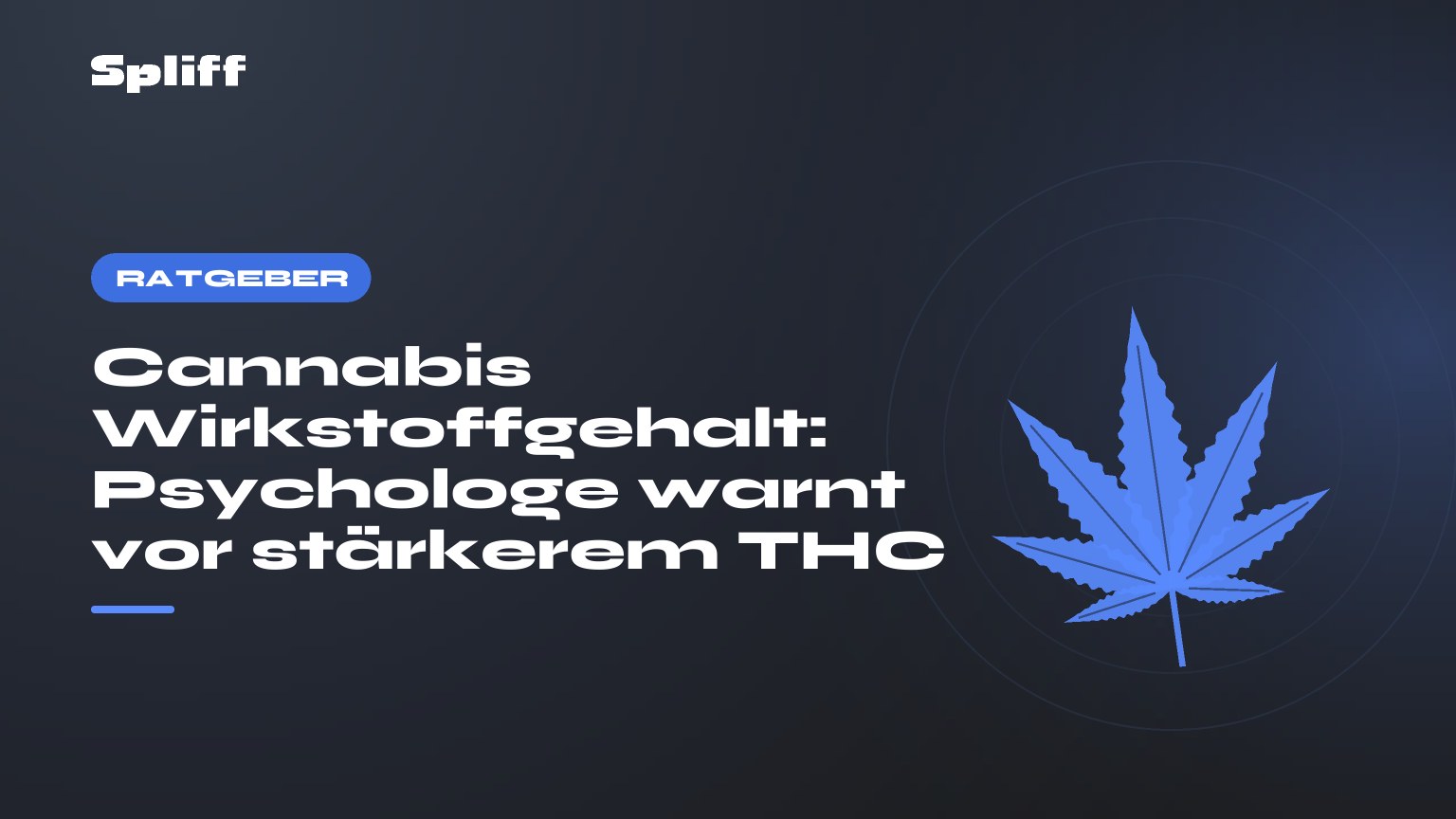
Clinical psychologist Elisardo Becoña warned in Spain on 17 November 2026 that cannabis potency and THC levels are higher than before. He links stronger hash and marijuana to greater risks of addiction and psychosis, according to EL PAÍS.
Key points
- Hash in Spain contains about 30% THC, against 13% for marijuana, according to Becoña.
- He says selective breeding produced varieties with two to four times more THC.
- He calls for prevention programmes, especially for young people.
Hash THCX at Spliff · from €5.90/g · ★ 4.9/5 (695 reviews)
72 h delivery in Europe · Free delivery from €99
Elisardo Becoña, a clinical psychology professor at the University of Santiago de Compostela, gave his warning in an interview with EL PAÍS. He also directs the university’s unit for smoking and addictive disorders. Our earlier report on Becoña’s potency warning covers the first reactions.
Hash and marijuana: the figures
In Spain, hash contains around 30% THC, while marijuana sits at about 13%, the interview states. Becoña says plant breeding over recent decades has produced varieties with two to four times more THC.
He adds that synthetic cannabinoids are stronger still. Europe counted 281 types in 2025.
A product shaped by industry
According to Becoña, what people consume today is generally not the natural product but one strengthened by industrial processes. He describes cannabis as a silent epidemic drug.
He also argues that the legalisation movement and the industry behind it feed a low perception of risk.
Addiction, psychosis and motivation
The psychologist ties higher potency to a greater risk of addiction and psychotic episodes. He says heavy users can develop an amotivational syndrome, marked by procrastination and apathy.
Mixing marijuana with tobacco, he adds, creates a double dependence. Daily use concerns 2.8% of the adult population, per the same source.
- Hash: about 30% THC in Spain
- Marijuana: about 13% THC
- Synthetic cannabinoids: 281 types recorded in Europe in 2025
Legalisation and medical use in Spain
Becoña says that where cannabis has been legalised, use, road accidents and other health problems have risen. Cannabis-based medicines began to be dispensed in Spanish hospitals in October 2026, according to the article.
The interview also notes that the plant contains more than 100 cannabinoids. THC is mainly responsible for psychoactive effects, while CBD has no addictive potential.
Ancient use, modern strength
The oldest evidence of cannabis use dates back at least 2,800 years, found in a Siberian tomb and described in Science in November 2026. Our piece on the Siberian tomb finding gives details.
What this changes for you
Nothing in this interview changes the rules where you live. It may, however, help you read labels with more care, since potency varies widely between forms such as flower and resin. Our guides to hash and resin types and to the long-term effects research offer background.
If you prefer a hemp-based range, you can browse the CBD flower collection. Every Spliff product is lab-tested: THC content below 0.3% (0% for vapes and pods). The lab analysis of each batch is available on request from customer service.
Prevention is the next step
Becoña recommends developing prevention programmes, notably aimed at young people.
FAQ
How strong is cannabis in Spain according to Becoña?
He says hash contains about 30% THC and marijuana about 13%. Selective breeding has produced varieties with two to four times more THC.
What risks does he link to stronger cannabis?
He links higher potency to greater risks of addiction and psychosis. He also describes an amotivational syndrome among heavy users.
Are synthetic cannabinoids stronger?
Becoña says they are more potent than natural ones. Europe recorded 281 types in 2025.
Sources
- EL PAÍS — Elisardo Becoña, psicólogo clínico: “El hachís y la marihuana son hoy más potentes, lo que aumenta el riesgo de adicción y brotes psicóticos”
- Diario Que! on MSN — El cannabis actual es más potente: alerta por el aumento de adicción y brotes psicóticos