 Written by Sophie Clarke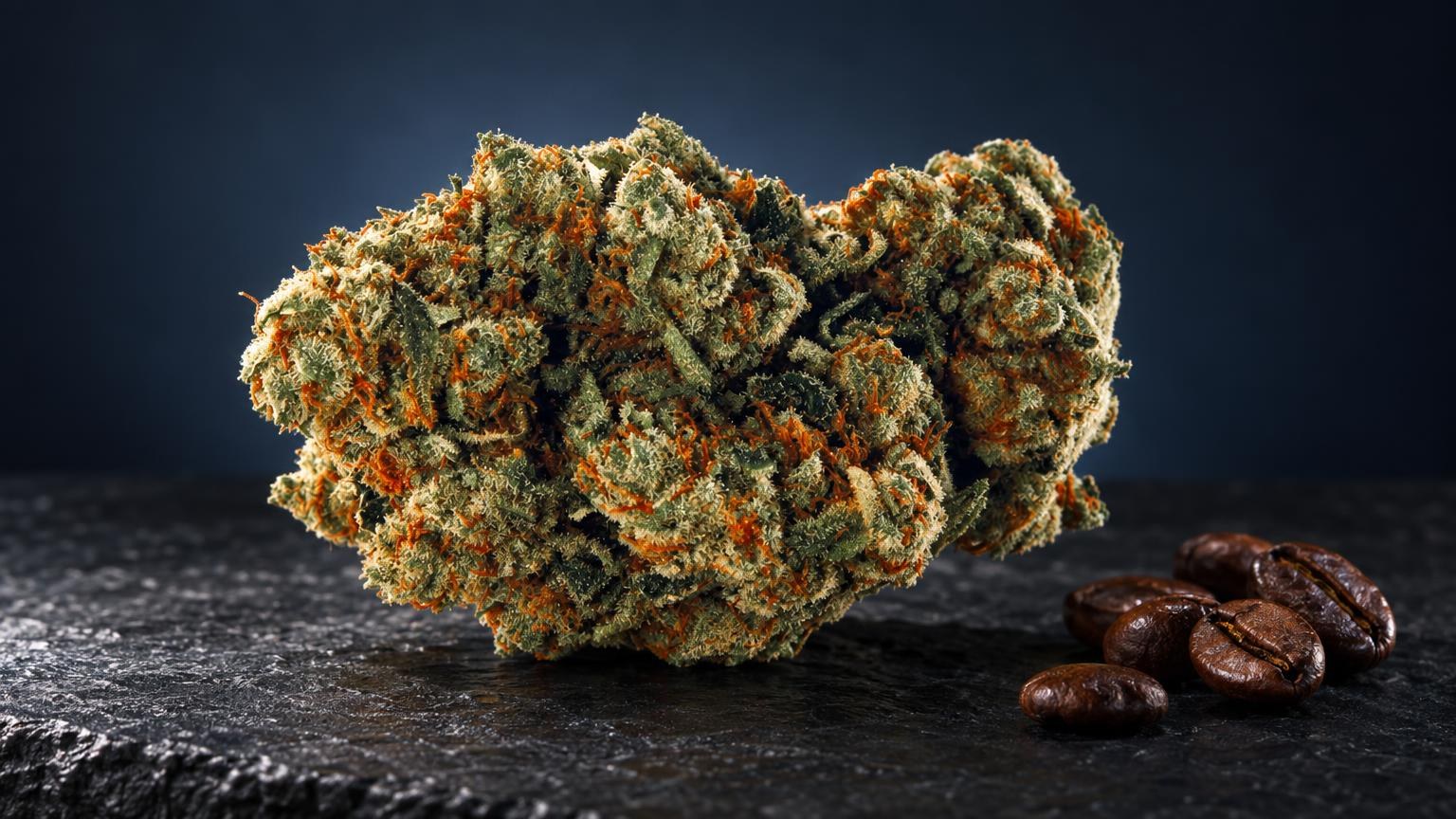
Trichomes weed are the resin-packed glands covering cannabis flowers, where cannabinoids and terpenes form and give buds their frosty look. Beyond general tasting hints, understanding trichomes buds leaves, the types trichomes cannabis display, and the factors affect trichome quality helps you judge a flower’s freshness without relying on numbers alone.
THCX flowers at Spliff · from €2.80/g · ★ 4.9/5 (490 reviews)
72 h delivery in Europe · Free delivery from €99
Contents6 sections
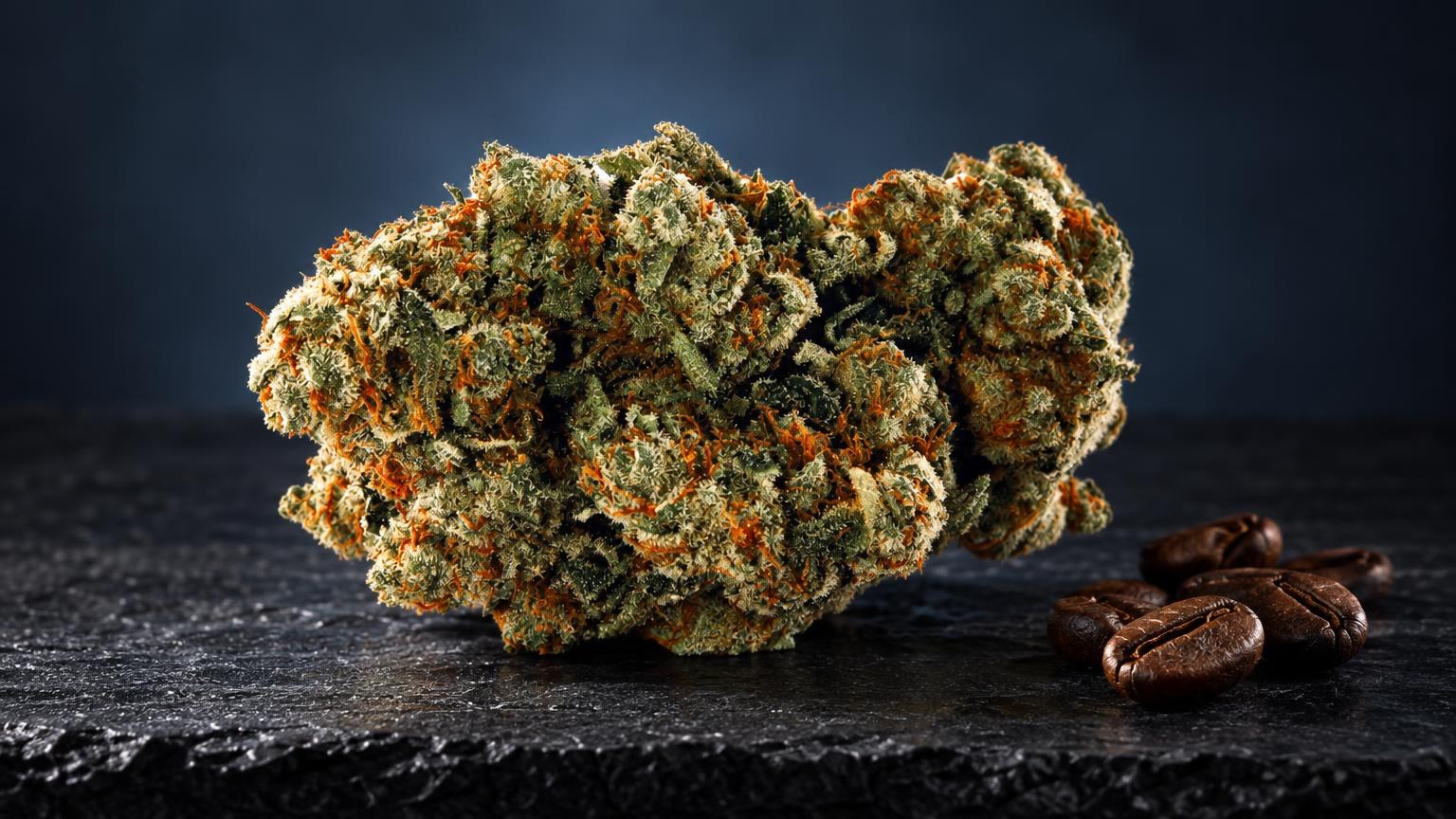
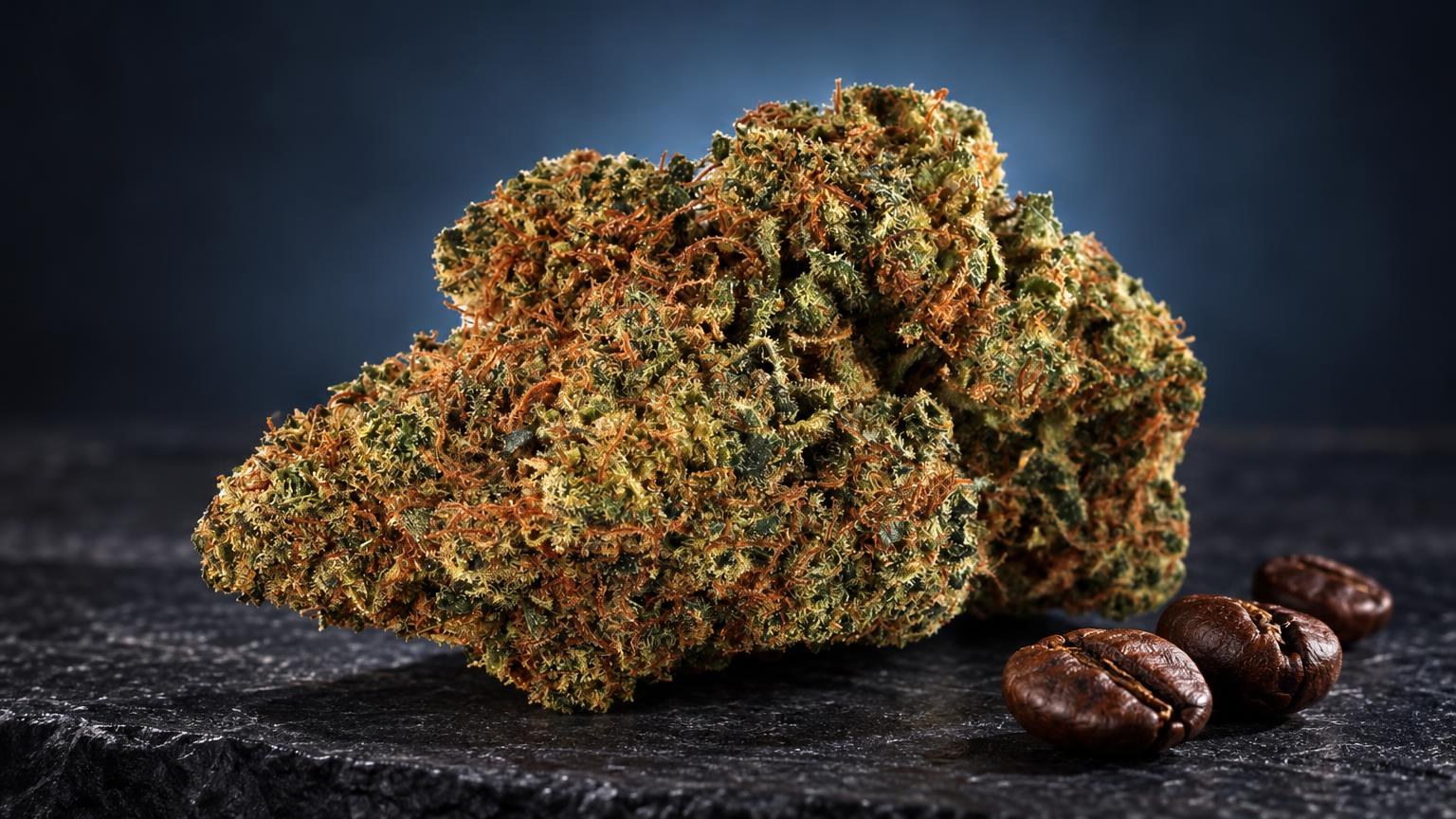
Trichomes weed refers to the frosty resin glands covering Cannabis sativa flowers, where the plant produces cannabinoids such as THC and CBD, plus the terpenes behind its aroma. More intact frost usually points to a richer, more aromatic bud, though it’s never proof on its own.
Below, you’ll learn the different gland types, how to inspect them with a jeweller’s loupe or how to read close-up pictures from a phone macro clip, why their condition beats their quantity, and how hash, pollen and moonrocks fit into the picture.
Not everything fuzzy on cannabis plants is resin. Non-glandular trichomes just protect the surface, while the glandular ones hold the compounds the plant is famous for:
- Bulbous: the tiniest of the three, barely visible even up close.
- Capitate sessile: a round head sitting flat on the leaf, with no stalk.
- Capitate stalked: a stalk topped by a round head, like crystal lollipops or miniature mushrooms. These stalked trichomes are what make buds look sugared, and they hold most of the cannabinoids and terpenes.
Inside each head, specialised cells build THC, CBD and other compounds alongside the terpenes. Think of the resin as a flower’s recipe card: its cannabinoid terpene profiles are written right there. Pistils, the orange or brown hairs, are a different thing: they catch your eye but contain almost no resin.
That’s why growers favour resinous genetics. The trichomes that breeders chase produce the aroma and the sticky texture, and their mix of terpenes, cannabinoids and resin is the raw material for cannabis extracts and resin products like hash.
What are trichomes on weed, and why do they matter?
Trichomes are microscopic resin glands on the surface of the Cannabis sativa plant, packed most densely on the flowers and the small leaves around them. Their heads produce and store cannabinoids such as THC, CBD and CBG, along with the terpenes behind the aroma. That resin gives a bud its frost, its stickiness and most of its value.
Not all of that frost is the same, though. Botanists split the types of trichomes in cannabis into non-glandular ones, which are plain protective hairs, and secreting glandular trichomes, the tiny resin factories you care about as a buyer.
- Bulbous: the smallest of the three, scattered across the whole plant and hard to spot even under a loupe.
- Capitate sessile trichomes: found mostly on leaves.
- Capitate stalked trichomes: the type that frosts a bud, taking over on mature flowers.
Cannabinoids are primarily synthesised in the glandular trichomes found on female floral buds[4].
How do you see trichomes on weed?
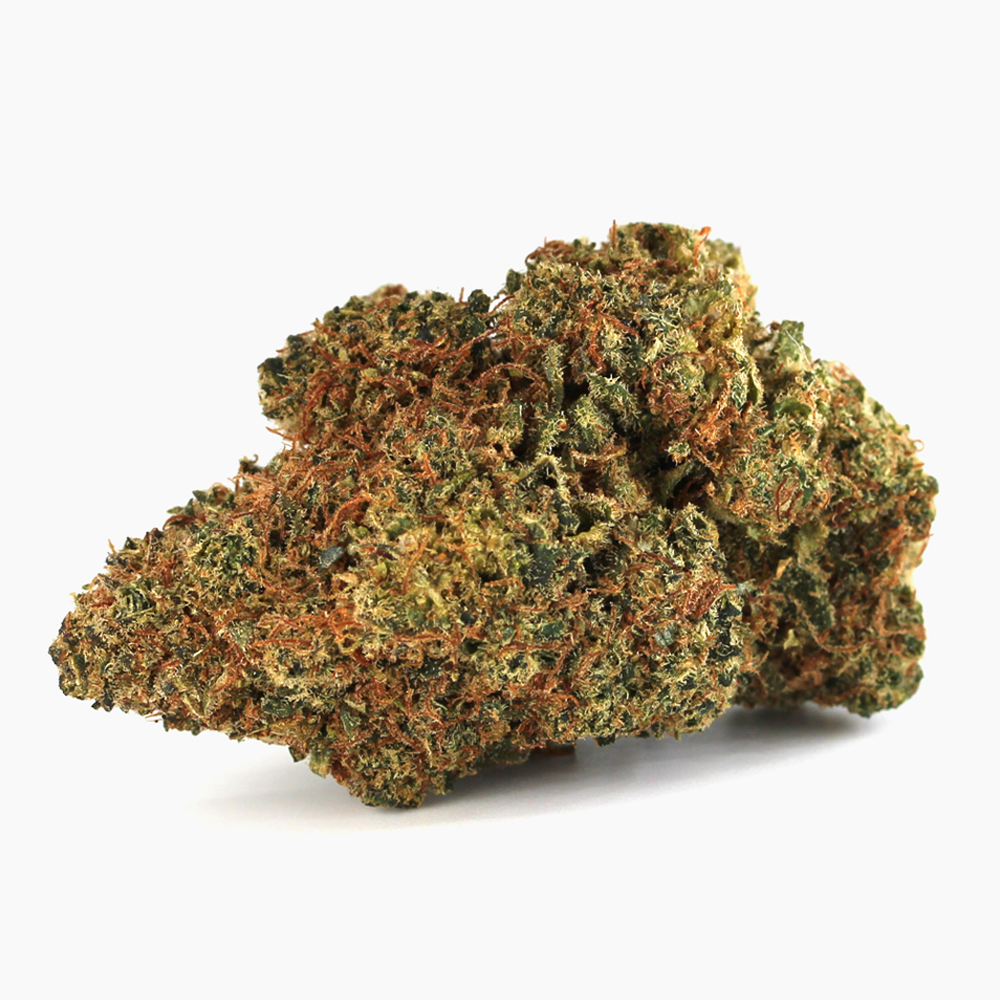
To see trichomes on weed, start with your naked eye: a good bud shows a sugary, glittering frost. To tell individual heads apart, you need magnification from a jeweller’s loupe, a pocket microscope or a macro clip on your smartphone. Then check the shape and colour of the heads, and where the frost sits on the plant.
Spotting the gland types on a real bud is a different skill from naming them. A study on cannabis glandular trichomes indexed on PubMed places the production of cannabinoids and terpenes in these glands[5].
- Pick your tool. A jeweller’s loupe, pocket microscope, or clip-on macro lens.
- Use soft daylight. Harsh light flattens the shine and makes every head look the same.
- Hold the bud by its stem. Fingertips crush resin.
- Focus slowly. Move the lens a millimetre at a time until stalks and round heads snap into view, like salt crystals on a pretzel.
- Read the heads. Clear heads that turn milky white, then amber, hint at maturity. Round, glossy heads mean preserved resin, while bare stalks mean broken trichomes.
Don’t expect your view to match the pictures of cannabis trichomes you find on Google: those are usually staged macro photography, so a loupe view at home will look rougher.
Here’s how the coverage of trichomes on buds, leaves and stems compares:
| Plant part | Trichome coverage | What it tells you |
|---|---|---|
| Calyxes of cannabis buds | Very dense, mostly stalked heads | The best place to judge quality |
| Sugar leaves | Abundant | A useful secondary check |
| Large fan leaves | Sparse | Little to read |
| Stems | Few, mostly small | Never a quality signal |
So yes, weed stems carry a thin scattering of small trichomes. The frost can’t reveal THC levels either. Only a lab analysis measures cannabinoid content.
Does more trichomes mean better weed?
Not automatically. More trichomes usually mean more resin, but their condition matters more than their number. Coverage shows how generously a strain can produce trichomes. Integrity shows how much of that resin actually reached you, which is the part worth checking before you judge a bud by its sparkle alone.
Once the loupe is in your hand, the useful question stops being “how much frost?” and becomes “what shape is it in?” Capitate-stalked heads are the main production sites for cannabinoids and essential oils, so every one that snaps off takes resin and aroma with it[6]. A sugary bud with flattened, smeared heads is like icing sugar that has melted into a cake: still sweet-looking, but the texture is gone.
Frost won’t reveal the balance of terpenes, cannabinoids and everything else packed into a flower: whether it’s CBD-dominant, whether it carries CBN, or how much tetrahydrocannabinolic acid (THCA) sits in the resin. For actual content, ask the seller for a lab analysis and treat each trichome you see as a clue, not a measurement.
High quality cannabis rarely gives itself away through one sign alone, so look for frost alongside these:
- Aroma: a clear, distinct scent the moment you open the bag, not a flat or hay-like smell.
- Texture: slightly sticky between your fingers, a sign the terpenes haven’t evaporated.
- Density: buds that feel firm and compact but never damp or spongy.
- Colour: lively greens rather than dull, faded or browned tones.
When all four line up with intact, glittering heads, you’re looking at the kind of flower that separates high quality products from ordinary ones. Plenty of frosty products miss on scent or texture, and that gap tells you more than the sparkle does.
From frosty buds to hash: choosing and keeping trichome-rich products
Once you can read a head under the loupe, the shelf starts to make sense: every resin format is a different way of packaging trichomes. The real choice is how concentrated you want them, and which texture and aroma you’re after.
| Format | What happens to the trichomes | Texture and aroma | Kitchen comparison |
|---|---|---|---|
| Frosty cannabis buds | Left on the flower, in place | Full terpene bouquet, airy to dense | Whole grain |
| Hash and resins (piatella style included) | Separated from the plant, then pressed | Dense and malleable, spicy or earthy notes | Praliné |
| Pollen | Sieved off as loose heads | Fine, fragrant powder | Flour |
| Moonrocks | Flower coated with extra resin | Sticky, heavy, loud nose | Doughnut rolled in sugar |
| Trim | Sugar leaves still carrying some frost | Lighter, leafy, softer aroma | Bran |
For the complete terpene profile of a strain, flower is the best starting point, since it keeps trichomes on buds and leaves exactly where the plant grew them. Our Amnesia is a handy reference for generous trichomes weed coverage: visible, abundant frost on calyxes and sugar leaves.
Prefer something denser with spicier notes? Hash fits: pressing gathers the heads, with their cannabinoids and terpenes, into one compact block, while pollen keeps those heads loose for a softer, more perfumed feel.
The lab analysis of each batch is available on request from customer service.
Careful work on the trichomes while the plant grows only pays off if the resin survives your cupboard too.
A word on where we stand: CBD is not a medicine and is not a substitute for medical advice or treatment. If in doubt, consult a healthcare professional.
Conclusion
Store resin like essential oils in a spice drawer: sealed, cool, away from air and UVB light. The less oxygen and light your flowers see, the longer that frost keeps its aroma. Whatever the THC CBD balance on the label, sparkle is a freshness cue, not a promise of strong body effects.
Next step: take your loupe to the flower and resin collection, plus related formats like hash, and judge the frost for yourself.
Frequently asked questions
What do trichomes look like when they are ready to harvest?
Mature heads turn from clear to milky white and then amber as resin develops, which signals freshness and ripeness. Round, glossy, intact heads indicate well-preserved resin, while flattened or bare stalks without a head point to broken or degraded trichomes rather than a ready harvest.
Which weed strain has the most trichomes?
Trichome coverage varies by genetics, since cannabis growers select resin-heavy strains for their frost. Among Spliff’s flowers, Amnesia offers visibly abundant frost across its calyxes and sugar leaves, making it a useful reference point for what generous trichome coverage looks like.
Do white pistils mean the bud is still growing?
Pistil colour tracks the flower’s reproductive stage, not trichome maturity, so check the resin heads separately.
Sources
- Generation of a Comprehensive Transcriptome Atlas and … — pmc.ncbi.nlm.nih.gov
- Cannabis glandular trichomes alter morphology and … — pubmed.ncbi.nlm.nih.gov
- Analysis of cannabinoids in laser-microdissected trichomes … — pubmed.ncbi.nlm.nih.gov