 Written by Sophie Clarke
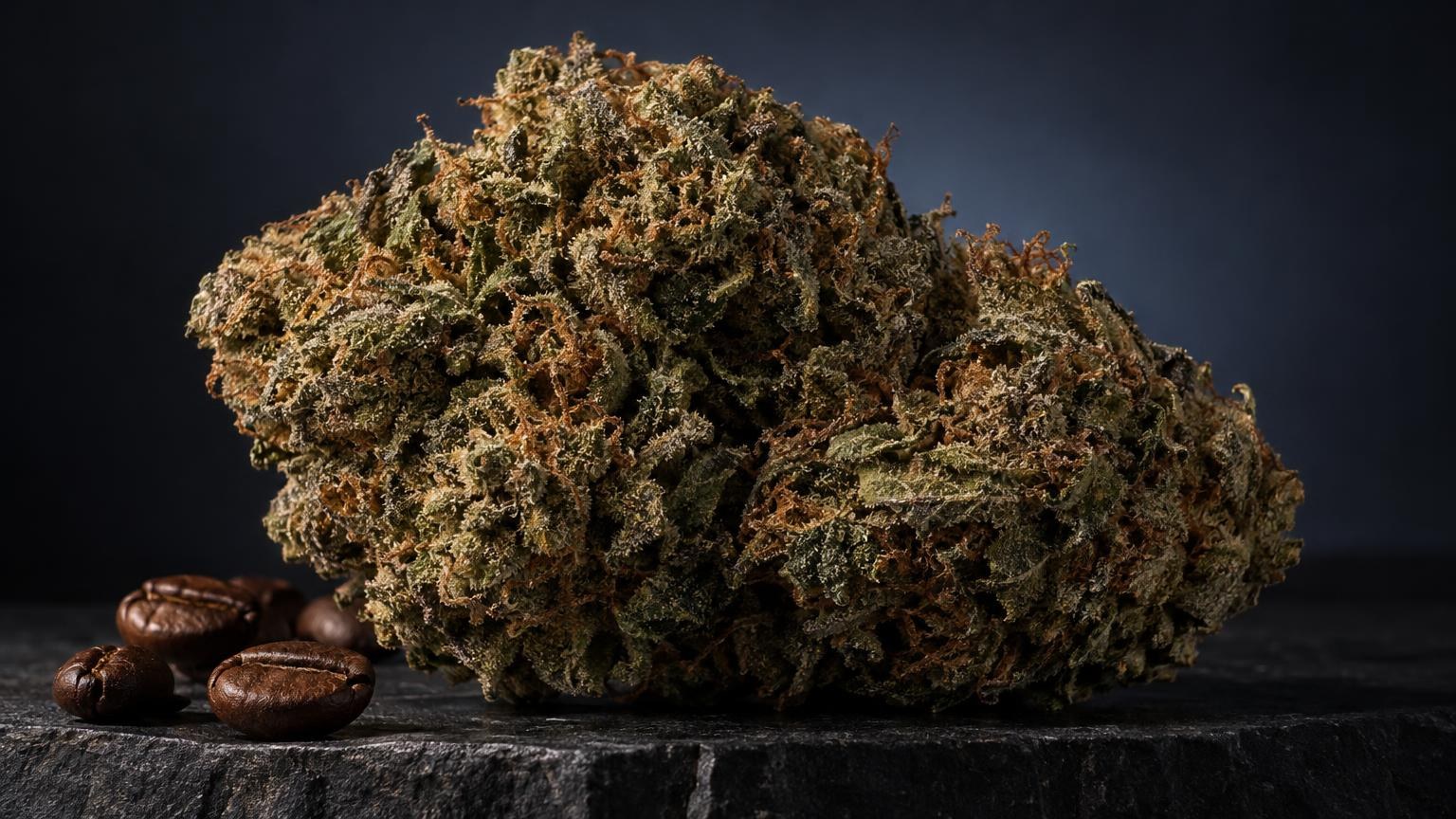
Spanish weed laws split cannabis into separate tracks: private use, non-profit cannabis social clubs open only to members, a medical track overseen by the Agencia Española de Medicamentos y Productos Sanitarios, and a hemp market apart. Public consumption of illicit drugs still carries administrative fines[5].
Contents7 sections
Spanish weed laws refers to how Spain organises cannabis in practice: a split between private consumption and public space, non-profit cannabis social clubs instead of shops, a separate medical track and a hemp market of its own. It runs on associations, not retail.
Here’s the verdict up front: private possession isn’t penalised in itself in Spain, but public consumption is still sanctioned administratively under Organic Law 4/2015 (Ley Orgánica 4/2015).[5] If you picture Amsterdam with sunshine, this guide resets that image: you get the mental map first, then the sourced rules behind it.
The model stands on four pillars, each unpacked later:
- The private sphere: the line between private spaces and the street is the backbone of everything else.
- Cannabis social clubs: members-only, non-profit associations, not shops.
- The medical cannabis framework: a separate track with its own rules and its own authority.
- Hemp and CBD: a market that sits apart from the other three.
If you read this from Germany, Austria, the Netherlands or Belgium, think of it like this: the Dutch coffeeshop is a shop window, while a Spanish club is closer to a members-only supper club. That’s an image, not a legal reading. The “is cannabis legal in Spain” question gets dated, sourced facts in the next section, never slogans.
What makes Spain's cannabis model so different?
Spain’s cannabis model stands apart because its four pillars never merge into one system. Under spanish weed laws, cannabis use sits in the private sphere, clubs follow their own collective logic, medical cannabis runs on a laboratory-based track, and hemp forms a separate market. No part of it is built around tourists buying over a counter.
What trips up readers from Germany, Austria, the Netherlands or Belgium is that each pillar runs on its own logic, like a four-channel mixing desk where every fader controls something different.
- Private sphere: a line between home and street, about where cannabis use happens, not where you get anything.
- Cannabis social clubs: collective by design, sitting outside both the medical register and the hemp shelf.
- Medical cannabis framework: pharmacy logic, not club logic. The decree creates a public register managed by the AEMPS for standardized cannabis preparations manufactured by laboratories[4].
- Hemp and CBD: a product market with its own rules, closer to what you already know from elsewhere in the EU.
No channel is wired for a visiting buyer, which is why Spain is not a tourist cannabis market. Clubs don’t feed the medical register, and the hemp shelf has nothing to do with either.
A question like whether a hotel balcony counts as private depends on the legal texts themselves, the job of the next section.
The same goes for debates in the Spanish Congress or rulings from the Supreme Court: each slots into one of these four channels, never into a fifth “coffeeshop” channel that Spain doesn’t have.
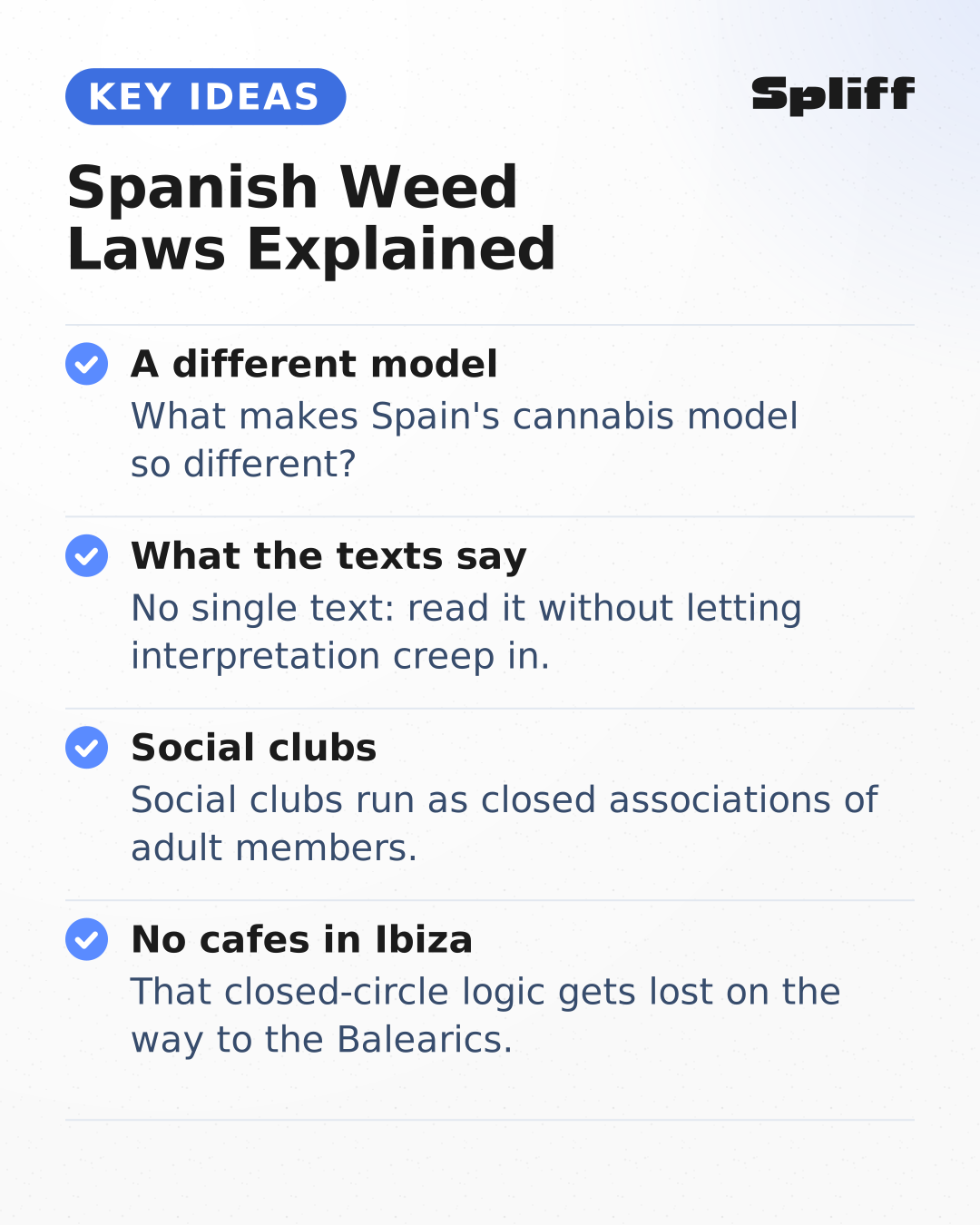
Spanish weed laws in brief: what the texts actually say
Spanish weed laws aren’t one single text, so read them without letting anyone’s interpretation creep in. They sit across criminal law, public-space rules and health regulation, each answering a different question.
- The Penal Code: Spain’s criminal law, the layer tourist blogs paraphrase most loosely. Read the article itself on an official site before trusting any summary.
- Public possession and consumption: rules that apply even to small amounts carried for personal use. Quote the act that sets any penalty or amount, never a forum thread.
- The medical track: the royal decree on cannabis preparations, run through the Agencia Española de Medicamentos y Productos Sanitarios (AEMPS).
Enforcement isn’t theoretical. One research paper analysed data from 748 cannabis plantations seized by Spanish police in 2013[6], describing police activity on cultivation, not how any individual case ends.
You’ll also see “medical scientific purposes” quoted in club and travel articles. Treat it like a label on a jar you haven’t opened: check the actual text before repeating it. A phrase lifted out of context is not a rule.
These rules evolve and are enforced locally, so read this as information, not legal advice.
How do cannabis social clubs in Spain work?
Cannabis social clubs in Spain run as closed associations of adult members. You register with the association first, and shared consumption then happens only inside that circle of people already signed up. Membership comes before everything else, so there’s no walk-in route.
The grey area shows up in the case law. The Supreme Court’s criminal chamber set out its position on clubs in plenary judgment 484/2015 of 7 September. How that applies to any single club is a question for lawyers, not for a blog.
Why did Barcelona become the capital of cannabis clubs?
In media coverage and on travel forums, Barcelona tends to get cast as the showcase of the association model. That reputation is why Barcelona cannabis clubs keep popping up in online threads, and why “cannabis clubs Barcelona” is what so many visitors type before a city break. Fame isn’t regulation, though.
How does the Basque Country scene compare with Barcelona?
San Sebastian has no cannabis rulebook of its own: the national texts from “Spanish weed laws in brief” apply there as anywhere else in Spain. What changes is exposure, with press and travel coverage focused more on Catalonia and Basque cities.
Same genre, different volume. Whether you look at Catalonia, Basque Country associations or social clubs elsewhere, the format stays members-only, and no region turns spanish weed laws into a tourist counter.
Is there a weed cafe in Ibiza?
That closed-circle logic is exactly what gets lost on the way to the Balearics.
Not in the way most visitors picture it. When people talk about a “weed cafe” in Ibiza, they usually mean a cannabis social club, so access depends on membership, not on walking in off the street. That model is what people point to when they discuss spanish weed laws, and a venue marketed as an open marijuana cafe for tourists doesn’t match it.
The confusion has three sources: the island’s party image, online lists that rank “weed spots” like beach bars, and the habit of calling any cannabis club a cafe. Swap “cafe” for “association” and the picture changes.
Public space doesn’t fill the gap either. On an Ibiza beach, the Citizen Security rules covered in “Spanish weed laws in brief: what the texts actually say” still apply: Organic Law 4/2015 of 30 March sets administrative sanctions for consumption or possession of illicit drugs in public places, with fines from €601 to €30,000[5].
Why does the Dutch coffeeshop comparison mislead?
Because the two models start from opposite ends: one sells over a counter, the other controls who gets in. Readers from the Netherlands, Belgium and Germany reach for the shop image first.
| Point | Dutch coffeeshop | Spanish cannabis club |
|---|---|---|
| Access | Shop front open to adult walk-in customers | Members already registered |
| Purpose | Retail counter | Shared use among members |
| Visibility | Recognisable storefront | Private premises, no public shop |
Cannabis in Spain has no tourist market built in. Whatever the political noise around the island, an open-door weed cafe isn’t part of the model spanish weed laws describe.
Where do hemp and CBD flowers fit into the picture?
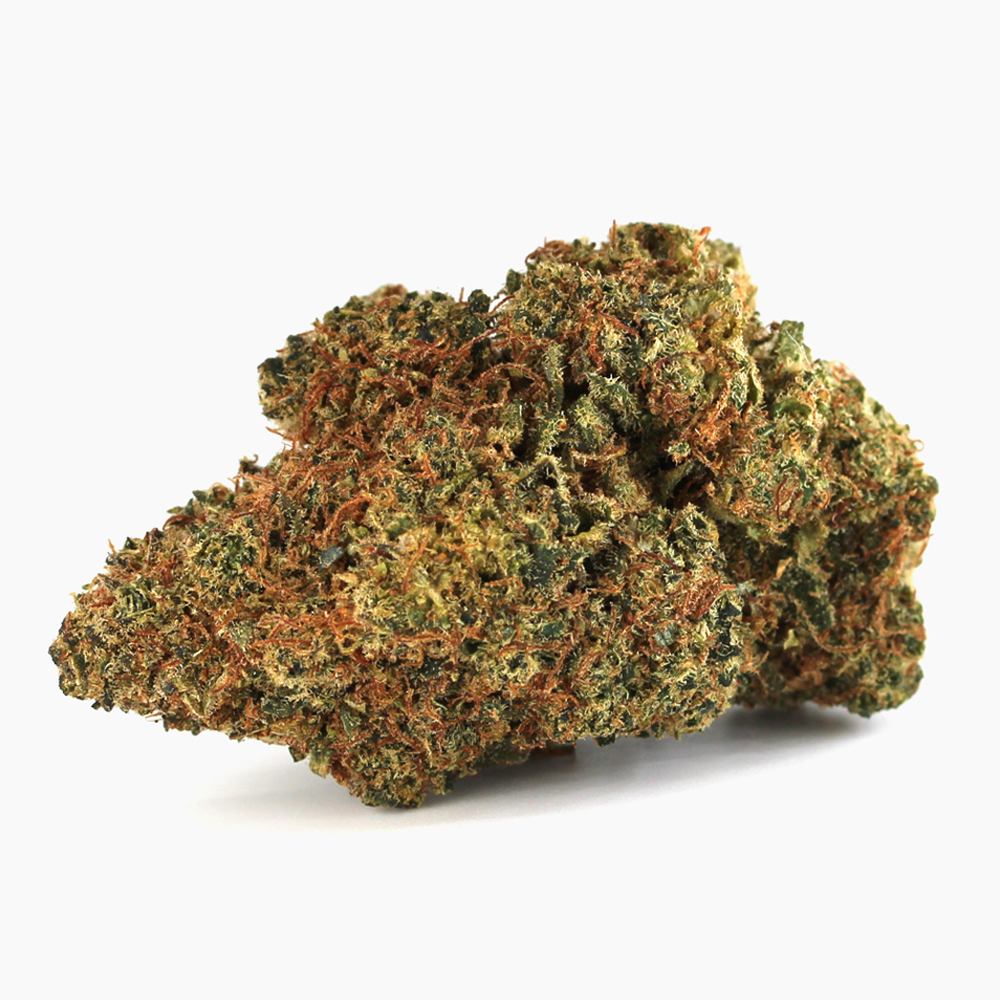
Hemp and CBD flowers sit outside everything described so far. They aren’t club cannabis or medical cannabis, but a separate hemp market, governed by its own legal texts in each country. Within Spanish weed laws, they form a parallel lane, not a back door into the club model.
Think wine versus alcohol-free wine: same grape culture, different shelf and rules. Hemp comes from cannabis plants too, but neither the AEMPS track nor the club case law defines what a hemp flower is, and none of it changes the public-space rules on illegal drugs and their consumption.
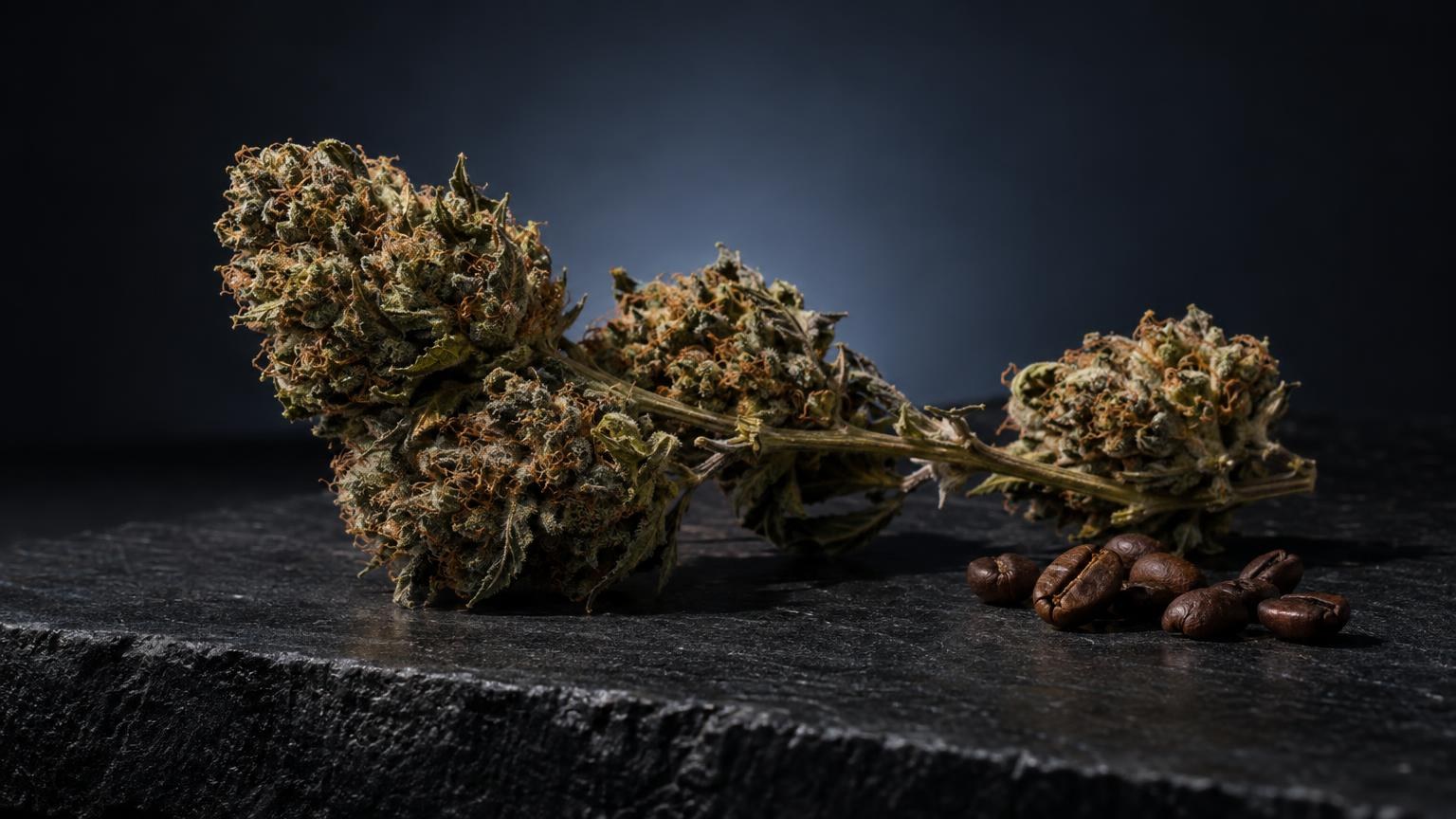
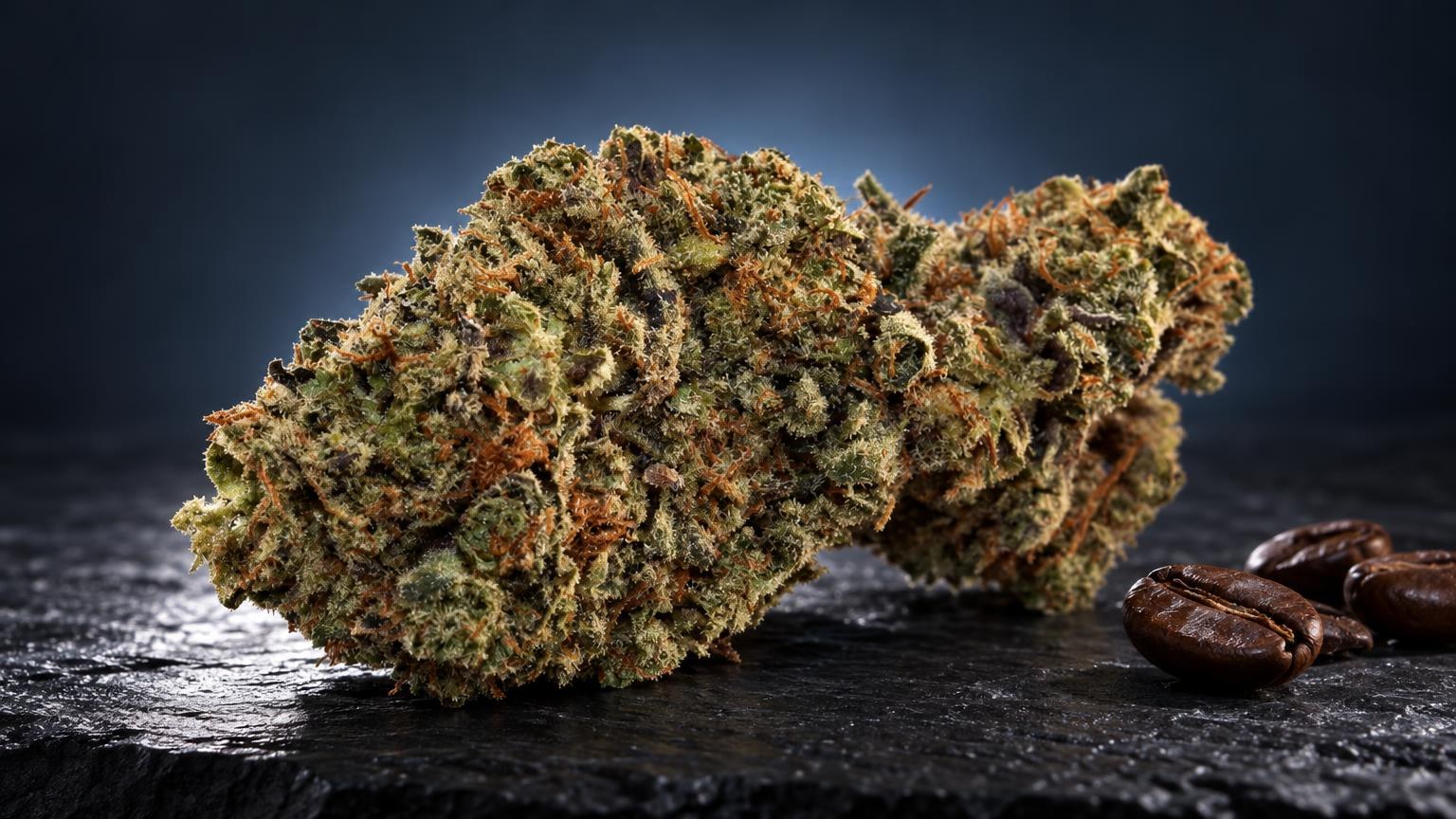
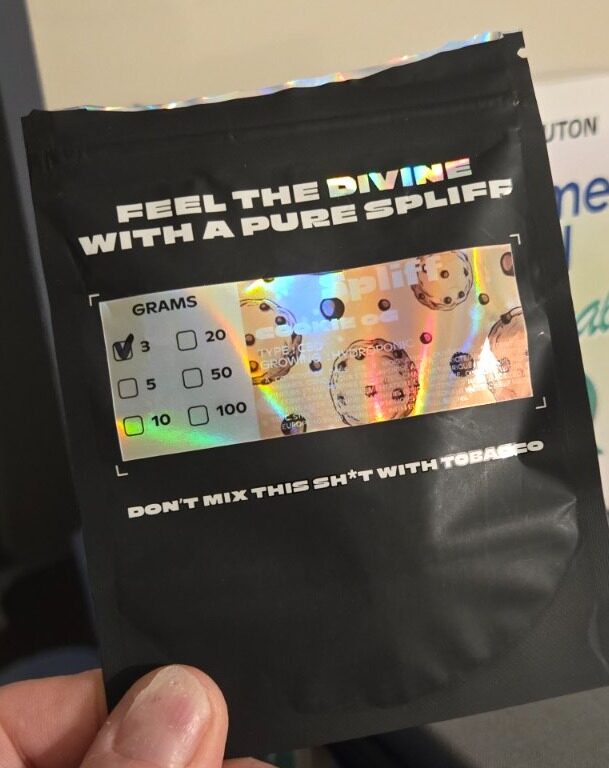
Edibles raise their own European questions, novel food status being the obvious one. Flowers are a different product family, judged by nose and texture across Europe, from Madrid to Munich. Every Spliff product is lab-tested: THC content below 0.3% (0% for vapes and pods).
What sets Amnesia apart on aroma and terpenes?
Amnesia stands out for its bright citrus top note and peppery finish, a bit like lemon zest cracked over black pepper. The citrus side is the kind of aroma usually linked to limonene, the spicy edge to caryophyllene, both found in everyday fruit and spices.
That combination gives Amnesia a sharper, cleaner profile than the sweet, dessert-style strains. If those strains are a slow jam, this one is a crisp guitar riff. Hemp flowers in the range come in sizes from 3 g to 100 g. The Amnesia product page shows the price of the day, the rating and the number of reviews.
The lab analysis of each batch is available on request from customer service.
One distinction worth keeping straight: the cannabidiol medicine assessed by the European Medicines Agency, Epidyolex, went through clinical studies in specific rare epilepsy syndromes, reviewed in its official assessment report[3]. A hemp flower has been through none of that process, so it isn’t a medicine.
Conclusion
The hemp shelf closes the loop: it’s the one lane in this picture where product culture (terpenes, aroma, texture) takes the lead. Everything else in Spanish weed laws, from club membership to cultivation and the administrative fine for public use, keeps the verdict from the top intact. Amsterdam habits don’t travel south, whatever English-language travel hype suggests.
If you’d rather explore low-THC hemp flowers from home, the hemp collection is a good place to keep browsing. Each product page shows its current customer rating, so you can compare aromas, textures and formats before you pick.
Frequently asked questions
Is weed legal in San Sebastian?
Spain’s legal framework doesn’t vary city by city. Private consumption isn’t penalised in itself, but consumption or possession in public places is sanctioned under Organic Law 4/2015 of 30 March on Citizen Security, with fines from €601 to €30,000[5]. This applies across Spain, not just specific tourist cities.
Where is it legal for tourists to smoke weed?
No part of the Spanish model is built for visiting buyers or tourist consumption. Private spaces are one thing, public spaces another: Organic Law 4/2015 of 30 March sanctions consumption or possession in public places administratively, with fines from €601 to €30,000[5]. There’s no tourist-facing legal smoking venue described in Spanish weed laws.
Can I smoke weed in Ibiza?
Public space rules apply on Ibiza just as elsewhere in Spain: Organic Law 4/2015 of 30 March sets administrative sanctions for consumption or possession of illicit drugs in public places, with fines from €601 to €30,000[5]. Cannabis social clubs exist as members-only associations, not open venues, so walking in off the street isn’t the model.
Sources
- Epidyolex (cannabidiol) — European Medicines Agency, EPAR — www.ema.europa.eu
- Medical use of cannabis approved — eurohealthobservatory.who.int
- Cannabis: España — Delegación del Gobierno para el Plan Nacional sobre Drogas, Ministerio de Sanidad (Spain) — pnsd.sanidad.gob.es
- Cannabis cultivation in Spain: A profile of plantations … — www.sciencedirect.com