 Written by Sophie Clarke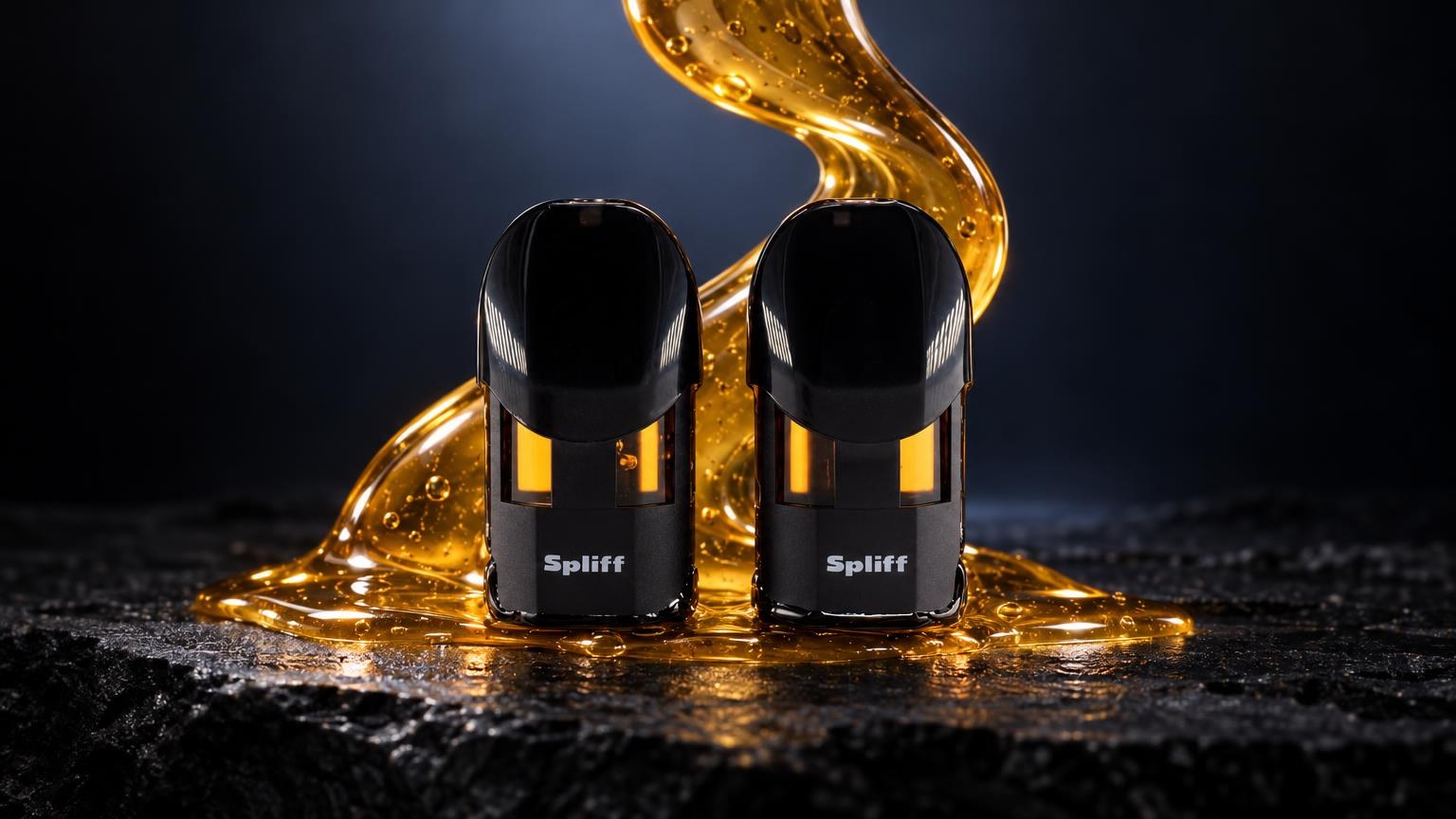
Contents7 sections
THCP, short for tetrahydrocannabiphorol, is one of the lesser-known cannabinoids. It occurs naturally in cannabis plants in trace amounts, set apart from classic delta THC by one structural detail: a seven-carbon alkyl chain where THC carries a five-carbon one.[1]
The compound was first isolated and described by Citti et al. (2019), a team of Italian researchers who identified it while profiling a medicinal cannabis variety[1].
That’s the short answer to “what is t h c p”. The rest of this guide explains why that detail matters, how THCP compares with THC, THCA and CBD, and what to make of the loud headlines around it.
Picture the alkyl chain as the blade of a key. A longer blade grips the lock in a different way, and that’s the simplest way to see how THCP binds receptors. It fits the body’s cannabinoid receptors with its own distinctive shape, not as a copy of delta THC.
THCP is usually described as a trace compound in the plant, and solid published figures on its natural concentration are still thin, so treat any exact percentage you see online with caution. That trace status is exactly why the THCP found naturally in cannabis and the marketing claims made about products are two different stories. If a label sounds too precise for a compound this rare, read it with a sceptical eye.
What is THCP, exactly?
So, what is THCP? Its defining feature is a seven-carbon alkyl side chain, where delta-9 THC carries a five-carbon one. Because the plant holds so little of it, most THCP on the market is hemp derived rather than a direct plant extract.
In fresh flowers, THCP sits mostly in its acid form, THCPA, as Linciano et al. (2021) note in an analysis of 49 cannabis samples[2].
Picture that side chain as the blade of a key. Delta-9 THC and THCP share the same head and the same core, but THCP’s blade is two notches longer. That longer seven carbon alkyl tail is the whole structural difference, and it’s the detail every THCP label leans on.
That longer tail is where the “stronger, longer lasting” marketing copy comes from. Treat it as a sales pitch, not a settled fact.
Knowing that THCP occurs naturally in cannabis doesn’t mean a bud gives you a useful amount of it. It’s a minor player, far behind THC or CBD, so pulling it straight from flowers in meaningful amounts isn’t realistic.
That’s why derived THCP exists. Producers start from hemp derived cannabinoids and process them, so derived THCP is made in a lab rather than pressed from a flower. Calling THCP naturally occurring is accurate, but THCP on a product label depends on that processing step.
How does THCP compare to THC, THCA and CBD?
THCP belongs to the same family as delta-9 THC: both are psychoactive and share the same core, but THCP’s longer chain appears to grip the body’s CB1 receptors more tightly in early in-vitro tests[1]. THCA is the non-intoxicating acid form of THC found in raw flower. CBD is a non-intoxicating cannabinoid. Of the four, only THCP is a trace compound.
Here’s how the four line up side by side.
| Cannabinoid | Natural abundance | Side chain | Psychoactive | How products are made |
|---|---|---|---|---|
| THCP | Trace | Longer than THC’s | Yes, reported | Mostly hemp derived |
| Delta-9 THC | Major in many strains | Standard | Yes | From the cannabis plant |
| THCA | Major in raw flower | Standard | No, until heated | Present in fresh flower |
| CBD | Major in hemp | Standard | No | Extracted from hemp |
Those “times stronger” headlines come from binding affinity for CB1 receptors, which measures how readily a molecule latches on in a lab setting. In early in-vitro binding work, THCP is reported to have bound far more readily than delta-9 THC. Treat that as a preliminary, lab-only finding, not a person using a product.
That’s why a “times stronger THC” label oversimplifies. How a vape feels depends on how much cannabinoid it holds, what else sits in the formulation (terpenes, other cannabinoids) and on your own body. A stronger grip in a test tube does not translate one-to-one into a stronger experience.
So skip the multiplier. Lab affinity also says nothing about how a cannabinoid shows up on standard drug tests. If you want to know what you’re buying, the formulation and the product sheet tell you far more than any headline or any “hemp derived THCP” tag on the box.
What effects do people report with THCP?
People who talk about THCP describe it as psychoactive: they report effects similar to THC, the main intoxicating compound in marijuana, and often call them more intense. These are user accounts, not established findings, and they vary widely. The same product can feel mild to one person and overwhelming to another, so treat any description as anecdotal, never as a forecast of your own experience.
Here’s the honest bit: no user account can tell you how a specific vape will land for you.
So read any account of what THCP feels like the way you’d read a tasting note on a wine you haven’t opened yet. It’s a description, not a guarantee. What people mention depends on the person, the formulation and the format.
Before buying anything, check the current rules with the official authorities in your own country.
Is THCP legal in Europe?
On this point, official sources are the reference: your national health ministry, medicines agency or official law gazette, with the name and date of the text.
Once you know what is t h c p and how it behaves, the legal question comes next, and that’s where online answers mislead most. A quick search for “THCP legal” mostly returns content written for the United States, often focused on individual states such as Texas. None of it tells you anything about the rules in Germany, Austria, the Netherlands or Belgium.
Labelling derived THCP products as hemp derived doesn’t settle the question on its own either. Regulators can review newer cannabinoids at any time, so a status that holds one season may not hold the next. And legal status says nothing about drug tests: whether something can be sold and whether it could show up on a screening are two separate questions.
THCP vapes, pods and other formats: how to choose
Once you know what is t h c p and where the rules stand on purchasing and possessing THCP, the format decides the rest. Most THCP products on the market are sold as vapes and pods: a liquid formulation can be measured precisely, the hardware is discreet, and a refill takes seconds instead of a full grinder session.
The potency printed on a label tells you less than how the formulation is built. Two cartridges can look identical, one can even sound more potent on paper, and they’ll still taste nothing alike. The extract style is usually the reason.
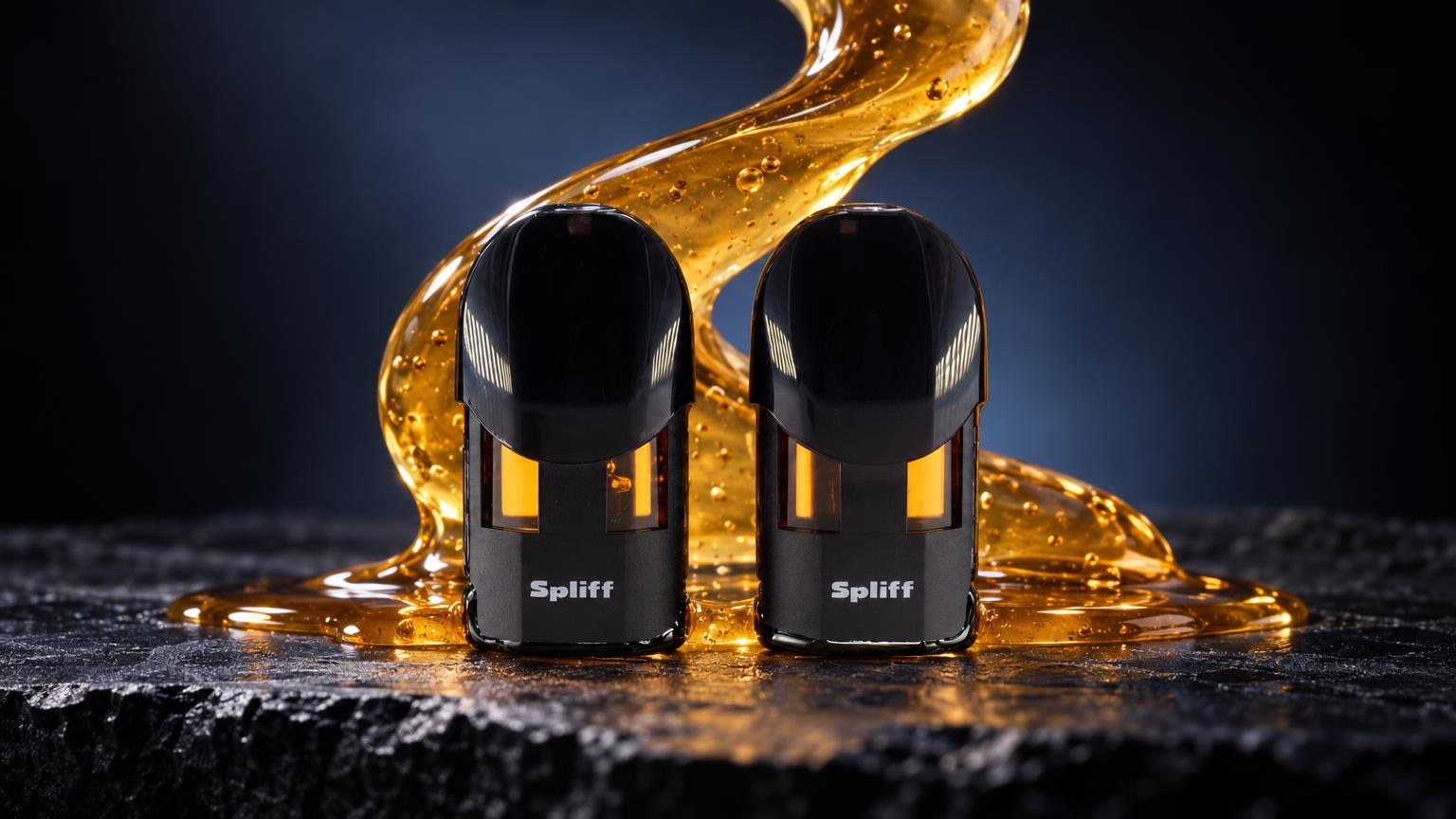
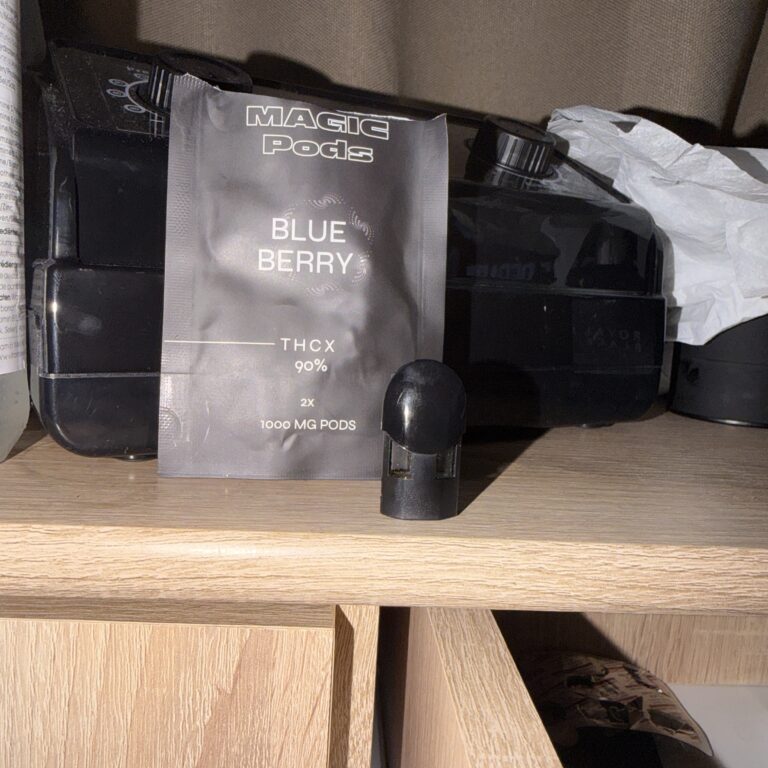
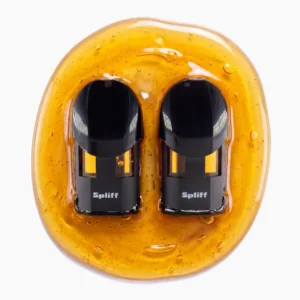
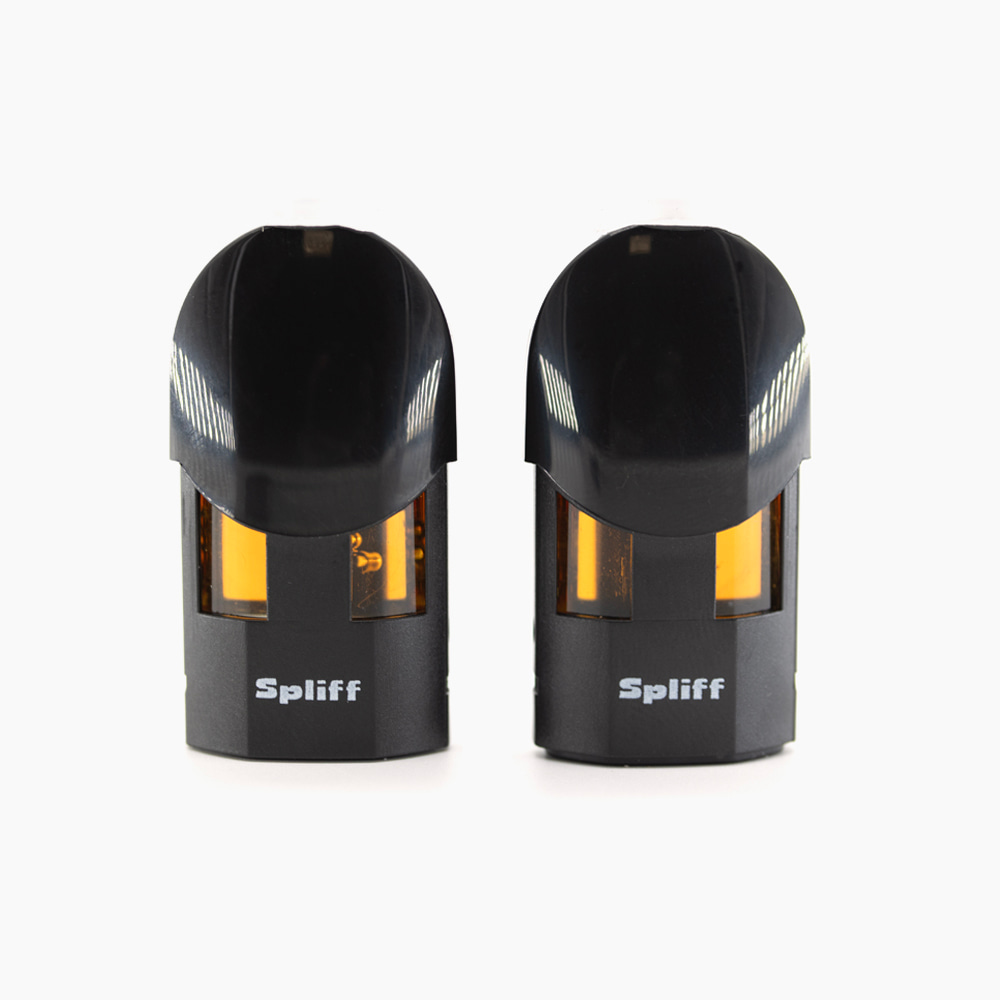
Think cold-pressed juice versus a classic blend. A live rosin pod like Magic Pod Live Rosin x2 is built around the cannabis plant’s own terpene profile, so aroma and flavour come through with more depth. A standard pod such as Magic Pod x2 is cleaner and more consistent, the everyday option you don’t have to overthink.
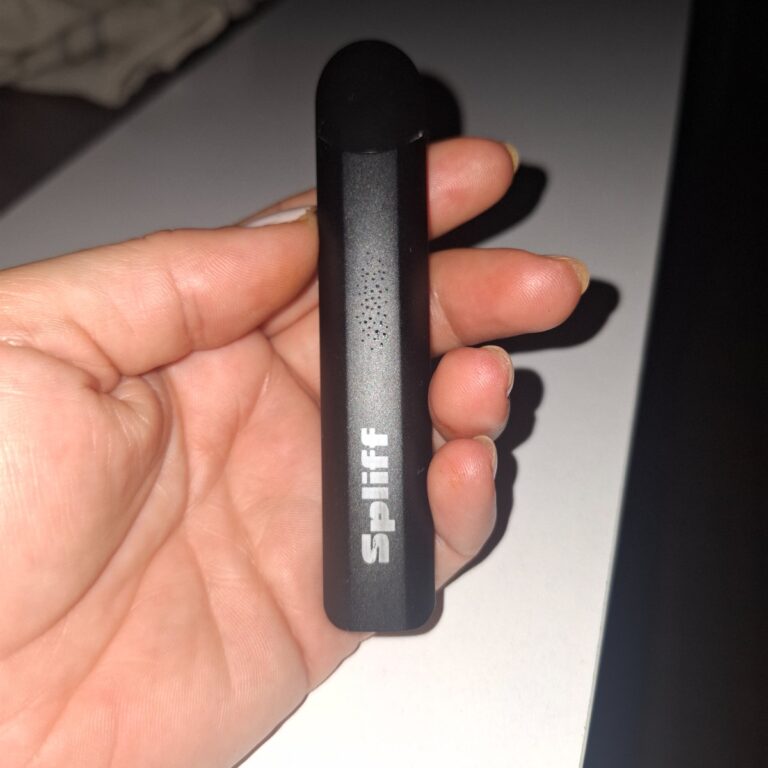
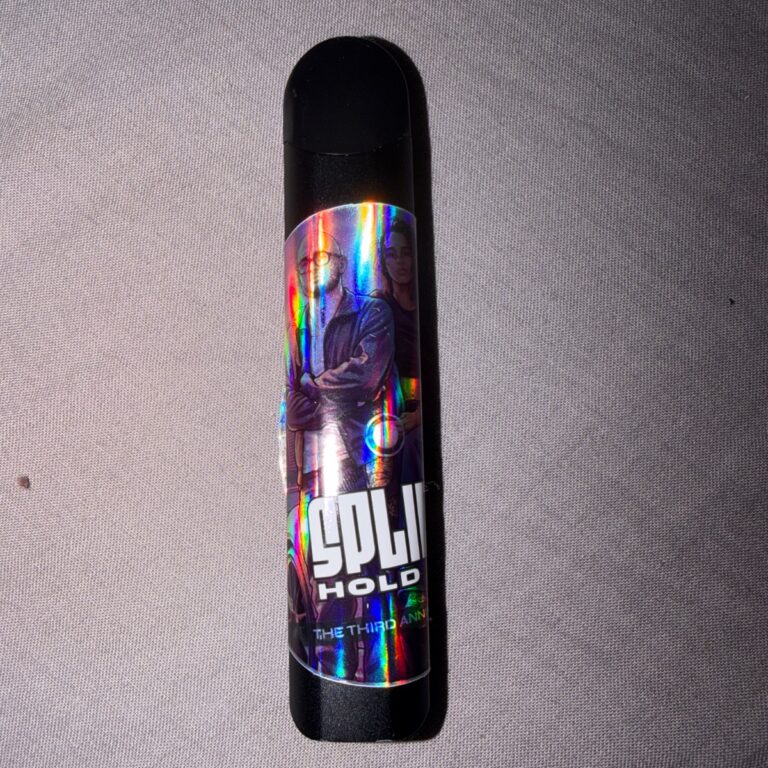
If you’re exploring newer cannabinoids beyond THCP and CBD, Magic Vape is Spliff’s pick from the THCX range. THCX is a trade name, not a molecule: every batch is lab-tested for classified molecules and none are detected.
Whatever you shortlist, run through the same few checks before you buy, whether you’re comparing THCP vapes or any other cannabinoid product:
- Read the product sheet: format, capacity and the type of extract used.
- The lab analysis of each batch is available on request from customer service.
- Check the price of the day on the product card.
- Look at the displayed rating and number of reviews, then read a few of them.
Conclusion
Once the format is sorted, the rest comes down to perspective.
- Judge products by their formulation and their product sheet, never by a multiplier printed on the box or a promise about lower doses.
- Check the current rules in your country before you order.
Spliff is a Montpellier-based brand, and we ship across Europe, including Austria, Belgium, Germany and the Netherlands. Wherever you order from, the same rule applies: choose on formulation and clear product information, not on hype.
When you’re ready to compare, the vape and pod collection is the natural next step.
Frequently asked questions
What is haptic feedback, and does it relate to THCP vapes?
Haptics refers to touch-based technology, such as vibration feedback on a device, it has no connection to THCP. If you’re researching THCP vapes and pods, focus instead on the product sheet, the extract type, and the formulation details, which actually determine the experience.
What is a CAPTCHA, and why might I see one while browsing a CBD or THCX shop?
A CAPTCHA is a security check websites use to confirm a visitor is human rather than automated software, often shown before checkout or account access. It’s unrelated to THCP itself, but you may encounter one while browsing Spliff’s product pages or completing an order.
Sources
- A novel phytocannabinoid isolated from Cannabis sativa L. with an in vivo cannabimimetic activity higher than Δ9-tetrahydrocannabinol: Δ9-Tetrahydrocannabiphorol (Scientific Reports, 2019) — pubmed.ncbi.nlm.nih.gov
- The novel heptyl phorolic acid cannabinoids content in different Cannabis sativa L. accessions (Talanta, 2021) — pubmed.ncbi.nlm.nih.gov