 Written by Sophie Clarke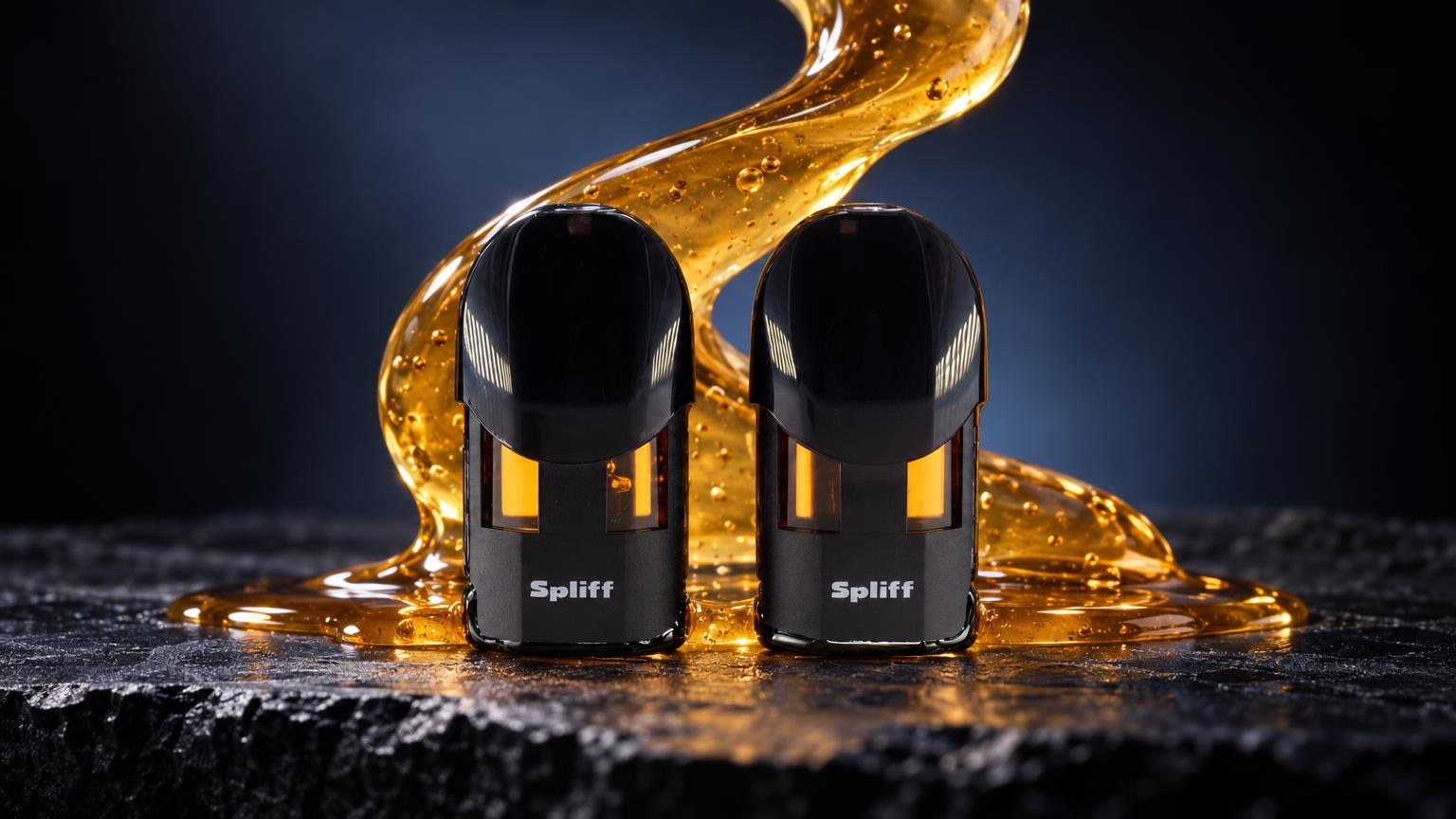
Delta 9.0 refers to the Δ9-THC percentage shown on a lab report, a share of total weight rather than a strength score; like checking a web development stack where html css javascript each play a defined role, reading a COA means matching each row to its purpose before comparing formats such as flower, extract or vape liquid.
THCX at Spliff · from €5.30/g · ★ 4.9/5 (967 reviews)
72 h delivery in Europe · Free delivery from €99
Contents5 sections
Delta 9.0 refers to delta-9 tetrahydrocannabinol (Δ9-THC), the main THC compound in cannabis, and the figure printed next to it on a label or lab report is a concentration by weight: a share of the whole product, not a strength score. Once you see it that way, the rest of the sheet starts to make sense.
The main content of a lab report is built like the nutrition label on a chocolate bar. Each line is a percentage of the total weight, and a batch number ties the package in your hands to the report behind it. Same structure, different ingredients.
This guide decodes the complete notation (Δ9-THC, THCA, total THC, ND and LOQ) so you can read any version of a cannabis lab report, also called a COA, on your own. Then you’ll see how these delta percentages stack up in real terms, and what they mean when you compare vape and pod formats.
What does delta 9.0 or 0.3% delta 9 THC mean on a label?
“Delta 9” on a label refers to Δ9-THC. Whether the sheet says “delta 9.0”, “D9” or “Δ9”, you’re looking at the same row on the lab report, and that row sits inside a larger notation worth learning to read in full.
Most people trip on the row itself, not the concept. On a full COA, each compound gets its own line, and you read it left to right like a recipe card: the name of the analyte, the result, the unit, then the lab’s reporting limit.
Here’s what you need to decode each part of that line, plus the abbreviations that sit around it. Think of it as a short learning curve, not a chemistry course:
- Δ, “delta”, “D9”: three spellings of the same thing. The Greek letter is just the formal way to write it, so a symbol and a word on two different sheets point to one compound.
- The unit: % means share of the total weight. Some labs add a mg/g column next to it, which is the same result written at a different scale.
- THCA: the acid precursor of Δ9-THC. It isn’t Δ9-THC yet, so the lab reports it on its own row instead of folding it into the delta 9 line.
- The result cell: a number, ND or <LOQ. Read it together with the limit column beside it, never on its own.
- ND: short for “not detected”. The method didn’t pick up the compound in that sample.
- LOQ: the limit of quantification. Below it, the lab cannot give a reliable figure, so a <LOQ result means "too low to put a trustworthy number on", which isn't quite the same as ND.
- Total THC: a calculated line, not a measured one. It’s worked out from the Δ9-THC and THCA rows, so when a label quotes a single THC figure, check whether it matches the Δ9-THC row or the total row.
Rule of thumb: if the THCA row shows a real number, the Total THC line will sit above the Δ9-THC line. That gap is the whole reason the two figures exist side by side, and it’s where most label confusion starts.
A lot of what you’ll find online about “0.3 delta 9” is written for U.S. readers, so those explainers jump straight to American rules instead of the sheet in front of you. The notation itself doesn’t change across borders: a European lab report uses the same rows, symbols and units.
The health effects of cannabis in general are also something international bodies come back to. According to the WHO Expert Committee on Drug Dependence (ECDD) critical review report, the Commission on Narcotic Drugs noted in Resolution 52/5 that the health effects of cannabis hadn’t been recently reviewed, and requested that the WHO ECDD provide an updated report[1]. On a well-built lab report, Δ9-THC always sits on its own clearly named row, never lumped into a vague cannabinoid total.
Is 0.3% delta 9 THC a lot, and how strong is it?
0.3% delta 9 THC means Δ9-THC makes up 3 parts per thousand of the product’s total weight, a small ratio that describes composition rather than how strong something will feel. The same figure reads differently depending on the base material, and reported effects vary from person to person.
Think of a pinch of salt in a whole pot of soup: it’s there and measurable, but it isn’t the dish. The base material changes what that pinch means:
- Flowers: the share is taken from dried plant material, so most of the weight is plant matter, other cannabinoids and terpenes.
- Extracts: the base is already concentrated, so that small Δ9-THC share sits beside much larger cannabinoid rows on the same sheet.
- Vape liquids: the figure describes the liquid itself, a different base again, so only compare it with other liquids.
A delta 9.0 number only makes sense against products in the same format. Comparing a flower’s figure with a liquid’s is like comparing a recipe’s salt content with a stock cube’s: same word, different base.
Live rosin pods vs THCX vape: comparing the formats
Reading the label is one skill. Choosing a format is where it pays off. According to the World Health Organization, cannabis oil is a concentrate obtained by solvent extraction of crude plant material or resin[2]. Live rosin skips that solvent and works with heat and pressure, a bit like cold-pressed juice next to concentrate.
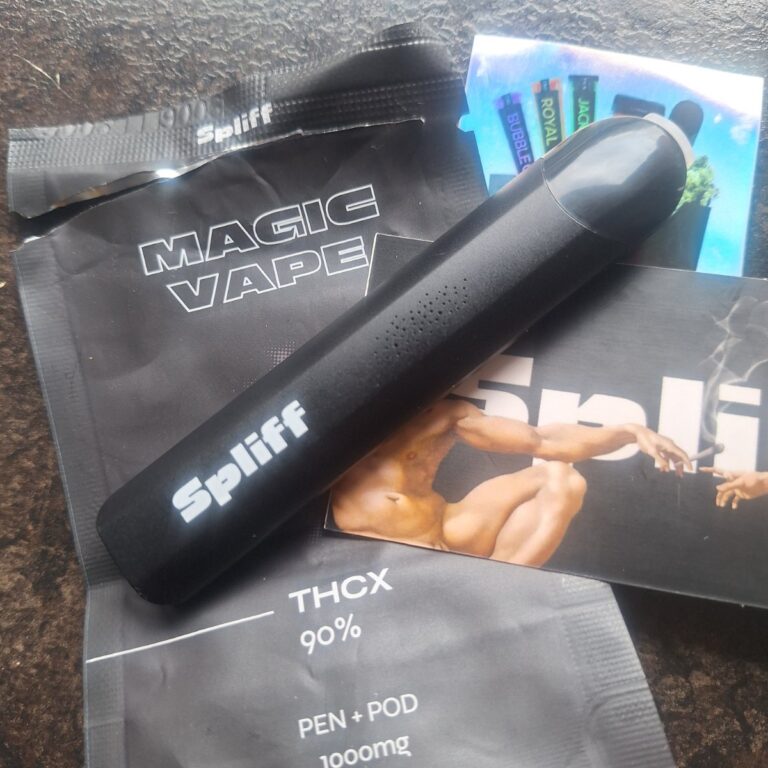
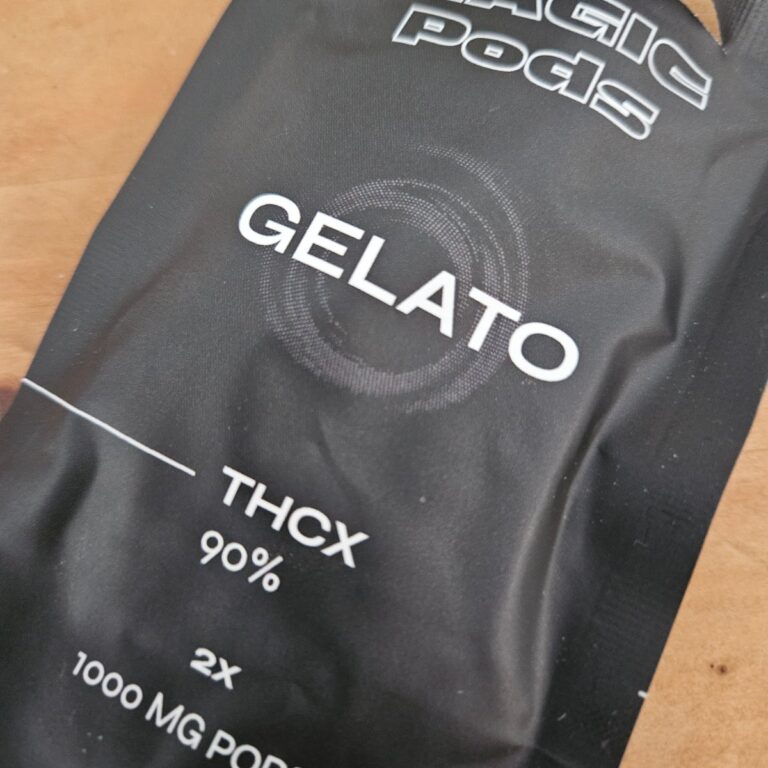
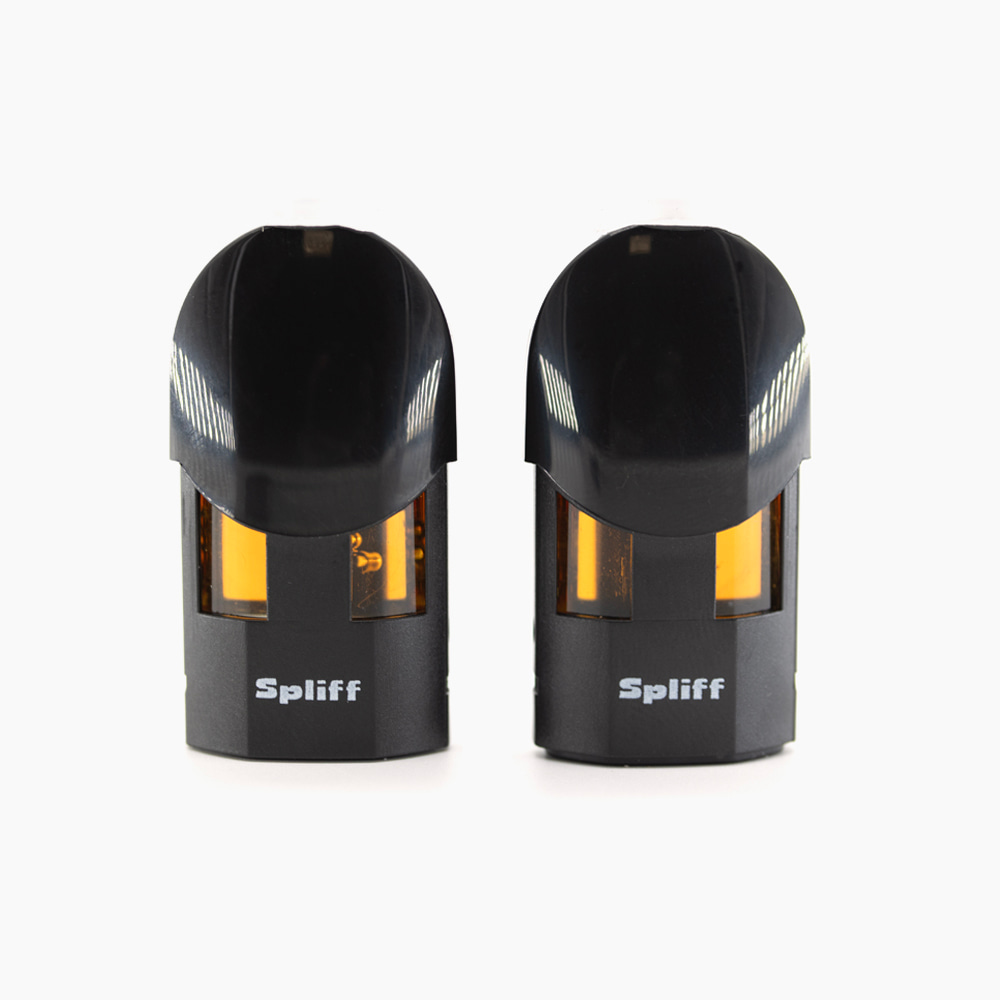
That’s the idea behind the Magic Pod Live Rosin x2: a pod format built to keep the aroma and terpene profile people like in fresh flower. Want the same pod format without the live rosin angle? The Magic Pod x2 is the one to look at.
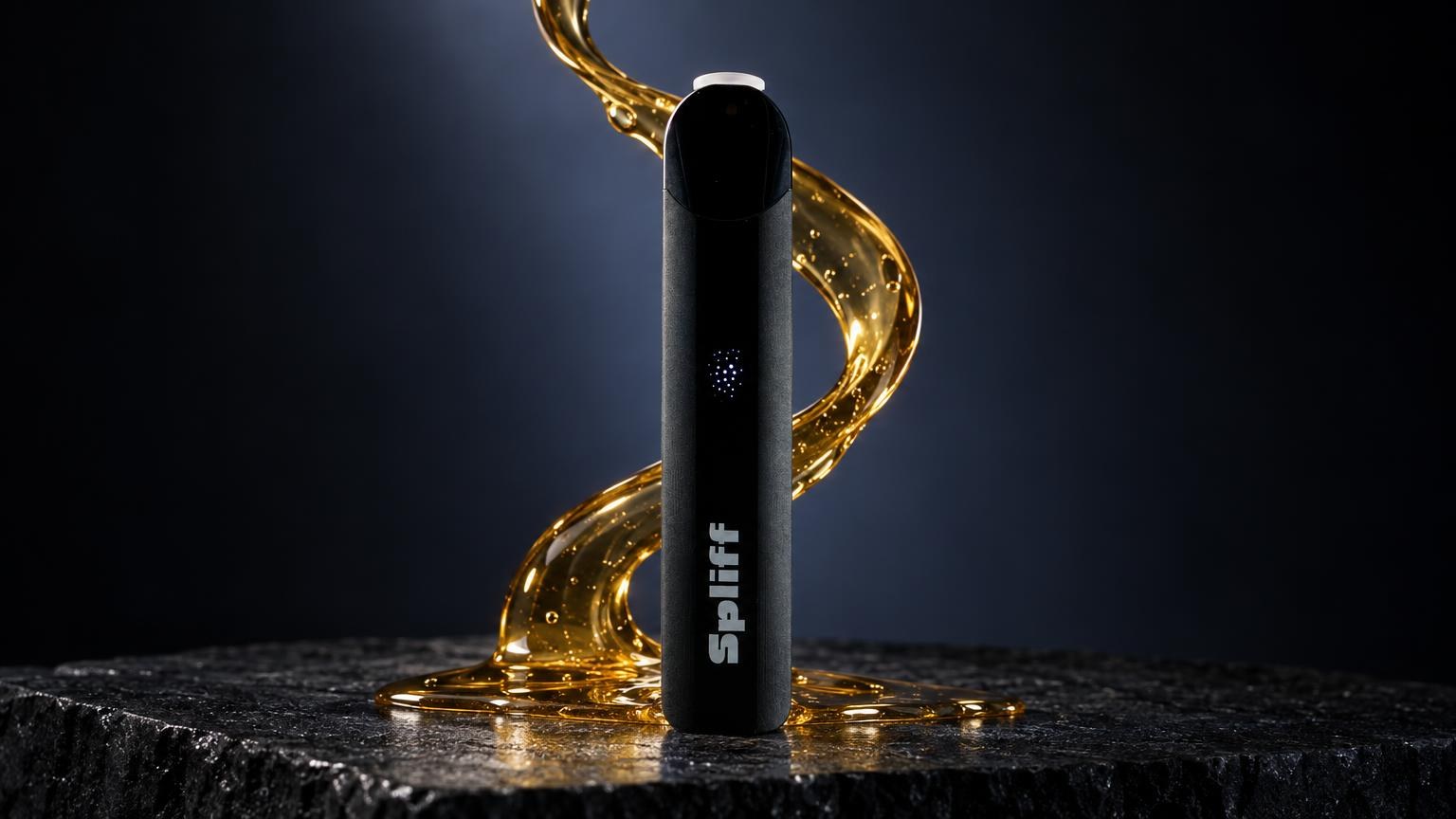
THCX is a trade name, not a molecule: every batch is lab-tested for classified molecules and none are detected. The lab analysis of each batch is available on request from customer service.
Price of the day, displayed rating and review count change over time, so check them on each product page before you pick.
Our take: if aroma comes first, go live rosin. If you want an all-in-one device with nothing to swap, the THCX vape fits better.
Conclusion
Choosing a format is the fun part, but the habit worth building is simpler: every time you see delta 9.0 on a label, find the Δ9-THC row, compare it with the total THC line, then match the batch number to the report. Three checks, and any COA reads like an ingredient list.
At Spliff, the products linked to this topic come with customer reviews, so you can build a shortlist before you pick a format. Order preparation starts quickly after payment, and we ship to Austria, Belgium, Germany and the Netherlands.
CBD is not a medicine and is not a substitute for medical advice or treatment. If in doubt, consult a healthcare professional.
Frequently asked questions
How much is 0.3% delta 9 THC in practical terms?
0.3% delta 9 THC means Δ9-THC makes up 3 parts per thousand of the product’s total weight. It’s a composition ratio, not a potency score, and its meaning shifts depending on the base material (flower, extract or vape liquid) rather than staying a fixed amount across formats.
Is 0.3% delta 9 THC a lot compared to other cannabinoid levels?
On its own, 0.3% is a small share of total weight, comparable to a pinch of salt in a pot of soup. Whether it reads as “a lot” depends on the base product and the other cannabinoid rows on the same lab report, so it should always be checked against the total THC line rather than judged in isolation.