 Written by Sophie Clarke
Contents6 sections
The essentials in 30 seconds
A herb grinder is a cylindrical tool with two halves fitted with sharp teeth, blades, or pegs that shred dry herb when turned[4], and herb grinders come in a variety of sizes and colors. Metal types of grinders, effectively Santa Cruz models included, come in aluminum stainless steel or other finishes, with aluminum the most common[4], explaining why herb grinders remain so popular for everyday rolling and loading.
- Metal grinders are generally made from zinc, aluminum, or stainless steel, aluminum being the most common choice[4].
- Common aluminum grades (6063, 6061) can be anodized for extra strength, while 303 or 304 stainless steel is the typical grade machined into herb grinders designed for durability[4][4].
- Piece count (2, 3 or 4) determines kief separation, while sharp teeth or blades and grinder size shape how fine and how easily the herb is ground.
A herb grinder (some people just call it a shredder) is a small toothed tool that turns dry herb into an even, fluffy grind, and whether it has 2, 3 or 4 pieces decides if it catches kief and how easy it is to load. This guide takes you through the choice step by step: what each layer adds, metal versus wood or acrylic, how fine to grind for a joint, blunt or vaporizer, and which size suits your stash.
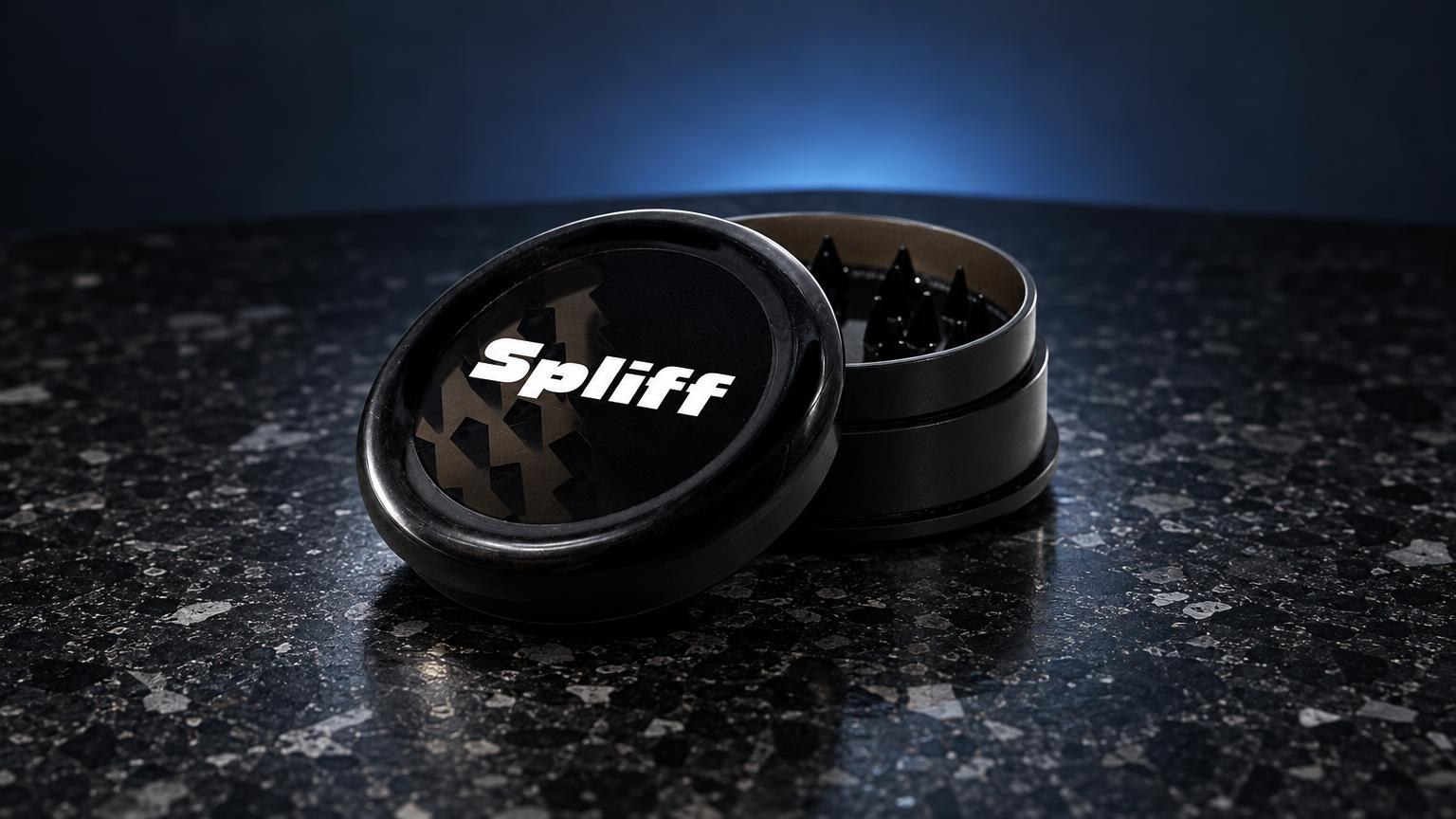
Picture a pepper mill, only flatter. Two discs with interlocking teeth sit face to face, you twist the lid (on many metal models a magnetic closure keeps it snug), and the herb gets sliced every time the teeth pass each other.
Tooth shape matters more than most people think. Rounded pegs crush, while sharp blades cut in a diamond profile slice cleanly, which is why a well-machined alloy grinder needs fewer turns. Even on an entry-level grinder, metal diamond teeth beat moulded plastic pegs.
An even grind is the whole point: it burns consistently in a joint, heats evenly in a vaporizer and rolls cleaner than buds torn apart by hand, without the sticky fingers.
What a herb grinder does
Under the lid, the design is simple. As Wikipedia’s entry on herb grinders describes it, a herb grinder is a cylinder with top and bottom halves fitted with sharp teeth, blades or pegs that shred the material inside when you turn them[4]. Tearing buds apart by hand leaves uneven chunks and resin-coated fingertips, while a weed grinder does the job in a few twists and keeps your hands clean.
How much effort that takes depends on the teeth or blades doing the cutting. Most grinders for dry herbs use either diamond-cut teeth, whose pointed edges slice through plant matter, or rounded pegs that crush and tear it. Sharp metal diamond teeth get through dense buds in fewer turns, which is why you’ll find them on most serious metal models, whatever the grinder metal (materials get their own section further down).
Using one takes about ten seconds once you know the routine:
- Break the bud into pea-sized pieces and pick out any stems.
- Drop the pieces between the teeth around the outer edge, not on the central pin.
- Close the lid and twist back and forth until the resistance fades.
- Open it, tap the body lightly on a surface, and collect your grind.
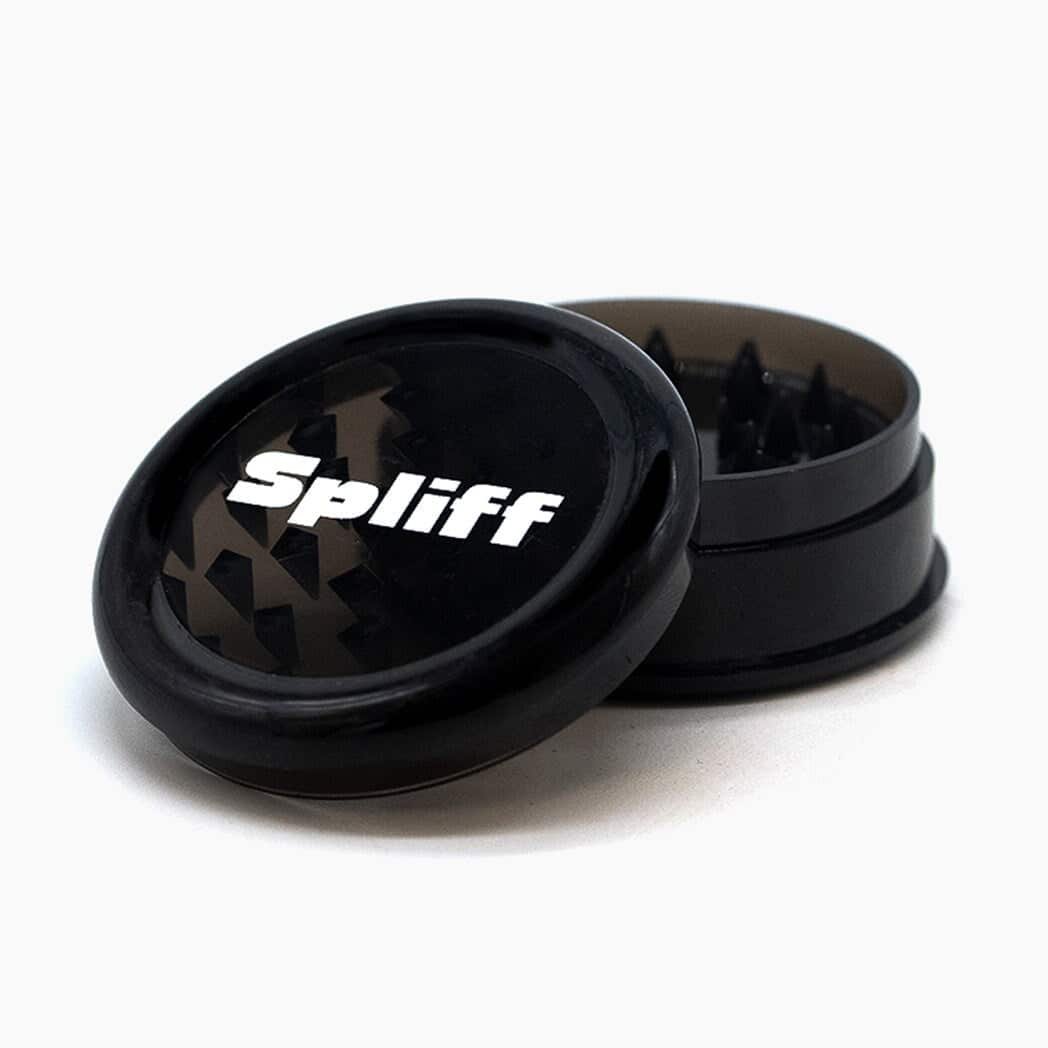
2, 3 or 4 pieces: what each layer adds
Once the teeth have done their work, the real choice between 2, 3 and 4 piece grinders is how many layers you stack around them. Each extra grinder piece adds one job and one more surface to clean.
- 2-piece: a lid and a toothed base, the most basic of all shredders. You pick the dry herb straight out of the teeth. Compact, but no kief separation.
- 3-piece: holes under the teeth drop the grind into a collection chamber, so loading a paper is cleaner. For most people, this is the grinder best suited to everyday rolling.
- 4-piece: adds a mesh sifter and a kief catcher at the base.
What does a 4-piece grinder actually do?
A 4-piece grinder sorts your grind into two layers. Shredded herb lands in the collection chamber, which sits on a fine mesh sifter. The smallest particles, the kief, fall through that screen into a separate catcher at the bottom. You end up with loose flower for rolling and the fine powder kept apart.
Kief is the fine, trichome-rich powder that shakes loose as buds break up. In a 2- or 3-piece it just coats the herb and the walls. The sifter works like a flour sieve: coarse material stays on top, dust drops through.
Is a kief catcher worth it for you?
Only if you’ll actually collect and use the kief. Otherwise the fourth layer is extra height and one more part to clean, and the 3-piece stays the herb grinder best matched to your routine.
The screen is also the fussiest part. Fine mesh clogs with resin over time and needs a soft brush now and then. Coarser mesh clogs less, but lets small herb bits slip down with the kief.
For a concrete example, check the Grinder Max in our range. Its product page shows the format and the price of the day.
Metal, wood or acrylic
With your layer count settled, the next call is what those layers are made of. Material decides how long the teeth stay sharp, how heavy the grinder feels in your bag and how you’ll clean it.
Is a metal grinder better?
Usually, yes. Among the types of grinders, metal holds up far better over time than wood or acrylic, survives drops and can be cleaned with alcohol. Metal grinders are generally made from zinc, aluminum or stainless steel, with aluminium the most common[4]. Build quality still matters as much as the metal itself.
Between the two big metal options, think bike frames: anodised aluminium is light and handles daily use well, while a stainless steel herb grinder weighs more but is close to indestructible. For the premium end of the market, the Santa Cruz Shredder is effectively the reference most people know.
Wood looks great on a shelf, but it can’t take fine screens, so keep it to a simple 2-piece. A plastic grinder is a stopgap: it’s cheap and colourful, but its teeth dull fast and can shed fragments into your herb.
Electric herb grinders: handy or a novelty?
An electric herb grinder is worth it if twisting is hard on your hands or you grind large batches. For everyone else, it’s closer to a gadget. Battery models such as the Wakit electric grinder work at the press of a button, quickly and with no wrist effort.
The trade-offs are real, though. You get another device to charge, a motor housing you can’t soak, and a price well above a solid manual metal grinder. Some electric models also give you less control over texture, so whether electric grinders are a novelty or a fix depends on your hands, not on the hype.
How fine to grind: joint, blunt or vaporizer
Once the material is settled, texture is the last variable. The same herb grinder can turn out espresso-fine dust or French-press chunks, depending on the grinding.
For most vaporizers, grind dry herb to a medium texture, close to filter coffee. It should be fine enough to expose surface area but coarse enough to leave gaps for hot air to pass through. Powder packs tight and blocks airflow, while chunks heat unevenly: the outside is done and the core is barely touched.
| Use | Target grind | Coffee comparison | Why it works |
|---|---|---|---|
| Joint | Medium-fine, fluffy | Between espresso and filter | Rolls evenly and burns at a steady pace. Powder clogs, and chunks burn unevenly. |
| Blunt | Slightly coarser | Filter, leaning coarse | The thicker wrap and longer roll need more airflow. |
| Vaporizer | Medium | Filter | Heats evenly through the chamber while air still moves. |
Twists are your main dial: fewer turns keep the grind coarse, more turns push it toward fine. A tap on the side loosens what sticks in the teeth. With electric grinders, run time replaces your wrist, but the rule stays the same: shorter runs, coarser result.
Tooth sharpness matters just as much as how long you twist. A grinder brand new out of the box bites hard and reaches medium-fine in very few turns. Dull teeth crush rather than cut, so you twist longer for a muddier result, which is why you should check the tooth cut on popular herb grinders before the grinder brand itself.
The fine dust in a kief catcher is a separate texture. It packs down in a vaporizer chamber and smothers airflow, so keep it apart and save it for a pollen press if you collect it.
Choosing the right size
Size is the last filter. The right herb grinder depends on where it lives: in your pocket or on your table.
- Compact: palm-sized, slips into a pocket or pouch, holds enough for a session or two.
- Mid-size: the everyday format, roomy enough to grind without overfilling the teeth.
- Large: made for batch grinding at home, too bulky to carry around.
Height follows piece count. Every layer makes the cylinder taller, so a 4-piece grinder in a compact diameter trades pocket comfort for kief collection. A slim profile trims that trade-off down to size.
| Your profile | Pieces | Material | Size |
|---|---|---|---|
| Occasional joint roller | 3 | Metal | Mid-size |
| Regular vaporizer user | 3 | Sharp metal | Mid-size |
| Kief collector | 4 | Metal | Mid-size or large |
| Budget or backup | 2 or 3 | Acrylic or wood | Compact |
Pick color after specs, not before: nice finish, but the frame is what you ride. For a high-quality metal grinder that ships brand new, the Grinder Max is the larger sibling of our Grinder Mini.
At the time of writing, Spliff grinders hold a 5/5 average from 16 reviews, and the product page shows the current score.
Our verdict
For most buyers, a sharp-toothed metal grinder in mid-size, 3-piece for everyday rolling or 4-piece for kief collection, beats acrylic or wood on durability and grind consistency. Pick diameter by where it lives (pocket versus table), adjust twist count for joints, blunts or vaporizers, and keep expectations purely mechanical: airflow and even shredding, nothing else. The lab analysis of each batch is available on request from customer service.
- For occasional joint rollers → a 3-piece metal mid-size grinder with sharp teeth for a fluffy, even grind.
- For regular vaporizer users → a sharp metal mid-size grinder set to a medium, coffee-ground texture for proper airflow.
- For kief collectors → a 4-piece metal grinder, accepting the extra height for the sifter and catcher layers.
Conclusion
Size, layers, materials and texture all lead back to one question: what happens to the flower after it’s ground. Whether you’re new to rolling, packing a Pax-style dry-herb vape or retiring a tired weed grinder (or that kitchen spice mill you borrowed), start from your use and let the specs follow.
- Default pick: a sharp 3-piece metal herb grinder in mid-size. A window lid is a nice bonus, not a must.
- 4-piece: worth the extra layer only for kief collectors.
- Wood or acrylic: a backup, and keep the teeth free of raw resin.
Ready to pick yours? Browse the Spliff grinder collection and check the product page for current ratings and delivery details.
CBD is not a medicine and is not a substitute for medical advice or treatment. If in doubt, consult a healthcare professional.
Sources
- Herb grinder – Wikipedia — en.wikipedia.org