 Written by Sophie Clarke
 Hash THCX at Spliff · from €5.90/g · ★ 4.9/5 (458 reviews)
72 h delivery in Europe · Free delivery from €99
Contents6 sections
Blunt spliff refers to two formats people often merge into one: a spliff is cannabis mixed with tobacco in rolling paper, while a blunt is cannabis rolled in a thick tobacco leaf wrap or a hemp wrap.[4]
The joint is the baseline. Joints consist of cannabis rolled in rolling papers, hemp or otherwise, with nothing else inside. So the rule is short: the wrap makes the blunt, the mix makes the spliff.
In everyday cannabis use the two words blur, which is why “blunt spliff” ends up in a search bar. Our take: a blunt isn’t a fat spliff, and a hemp wrap keeps the blunt format without any tobacco leaf.
A spliff stays a spliff whatever the cannabis-to-tobacco ratio, and a resin spliff simply adds crumbled hash to the mix. Some people reach for a spliff because they describe the tobacco as giving it more energetic, buzzy effects. Pre rolled joints follow the same naming as when you roll a joint yourself, just ready-made.
Below, you’ll see blunts, spliffs and joints compared by wrap, filling and size, then by taste, aroma, burn and feel in hand. Think of it like coffee: same beans, but an espresso and a filter brew are not the same drink.
The essentials in 30 seconds
Joints, spliffs and blunts get lumped together under “blunt spliff”, but each format is defined differently: a joint holds only cannabis, a spliff mixes cannabis with tobacco, and a blunt is rolled in a thick tobacco or hemp wrap. The real difference between joints, blunts and spliffs lies in the wrap and the ratio of cannabis to tobacco, not the rolling paper used.
- A joint’s filling is all weed, while a spliff is a joint with tobacco mixed into the cannabis[4].
- Blunts use tobacco or hemp wraps, and the filling itself usually doesn’t contain tobacco[4].
- Choosing a format often comes down to taste and wrap preference rather than any cannabis use disorder concern, since hemp wraps and rolling papers let you keep the thick or thin feel without tobacco.
What's the difference between a spliff and a blunt?
A spliff and a blunt differ on two separate axes, which is why “blunt spliff” trips so many people up. According to Leafly, a spliff is a joint with tobacco mixed in with the weed, while blunts are rolled using tobacco wraps[4]. A blunt is defined by its wrap, which can also be hemp today. The joint stays the baseline: its filling is all weed, nothing else inside.
Whether a blunt contains tobacco depends on the wrap. A classic leaf wrap does, while a hemp wrap keeps the same thick, slow-burning format without any tobacco leaf. A blunt is never just a big spliff: one is about the wrapping, the other about the filling.
The mix-up behind “blunt spliff” is easy to understand. From California to Berlin, people swap blunts, joints and spliffs almost interchangeably. Our take: once the wrap changes from paper to leaf, it’s a blunt, whatever is inside.
That’s the core difference: joints, blunts and spliffs split on wrap and filling. A few more terms come up alongside them:
- Resin spliff: hash or crumbled resin replaces part of the cannabis used in the mix, or goes in alongside the flower.
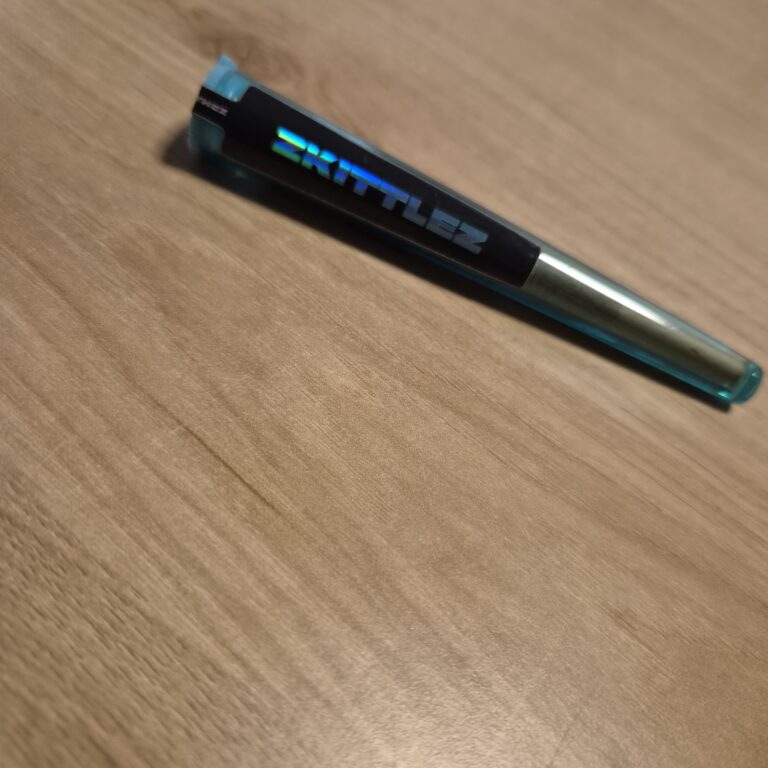
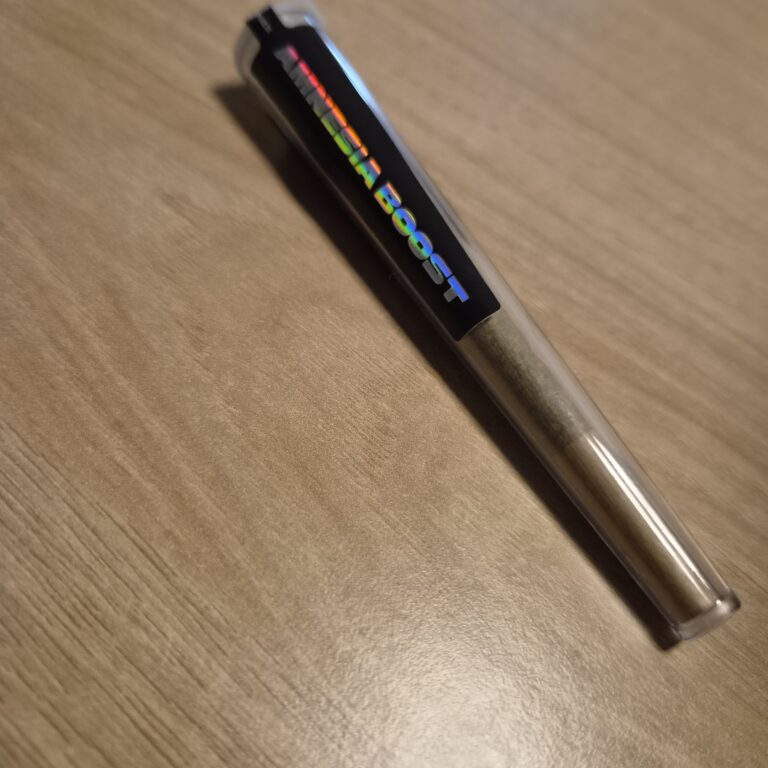
- Pre rolled joints: ready-made cones, sold already filled, where the papers and the filling are chosen for you.
- Weed spliff / spliff weed: two ways of searching for the same rolled mix of cannabis and tobacco.
And yes, Spliff is also the name of the shop you’re reading. On this page, the word refers only to the rolling format.
Joints, spliffs and blunts compared: wrap, size, burn and taste
With the definitions settled, what matters is what each format does once it’s in your fingers: how the joint, blunt, spliff trio differs, from the wrap to the last note on the palate.
| Criterion | Joint | Spliff | Blunt |
|---|---|---|---|
| Wrap | Thin rolling paper (hemp, rice or wood pulp) | The same thin rolling paper | Thick tobacco leaf paper or a hemp wrap |
| Filling | Cannabis only | Cannabis mixed with tobacco | |
| Typical size | Single wide to king size | Close to a joint, often cone-shaped | Cigarillo size and up, the largest of the three |
| Burn | Fast and light | Steadier, more even | Slow and thick |
| Aroma | Clean, flower-forward terpenes | Terpenes plus a dry, toasty note | Earthy, sweet, cigar-like edge |
| Feel in hand | Light and flexible | Like a joint, slightly firmer | Dense and sturdy |
The wrap does most of the talking. A rolling paper weighs next to nothing, so the flower leads and thin papers burn fast. A tobacco leaf wrap carries the tobacco itself while the filling usually stays tobacco-free, adding its own flavour layer and slowing things down, like swapping a crisp cracker for a thick, toasted crust[4].
That’s why the blunt spliff mix-up matters: change the wrap and you change the profile. Guides comparing joints, spliffs and blunts often tag the blunt as ideal for sharing, but read that as a note on capacity, nothing more.
Then there’s a third route: a hemp wrap gives you the blunt’s thickness, slow burn and sturdy feel, minus the tobacco leaf. If that’s the texture you’re after, Blunt Juicy Hemp Wraps are a good example of the format (the product page displays the price of the day).
Where do spliffs and blunts come from?
Spliffs are commonly traced to Jamaica, where the word for cannabis and tobacco rolled together is said to have spread worldwide through reggae culture. Blunts are widely reported to come from New York City in the United States, where people hollowed out cheap cigars and refilled them with cannabis. Hemp wraps later kept the blunt format and dropped the cigar leaf.
Each format is tied to a specific place and scene.
The usual story goes that in Jamaica, “spliff” was everyday street vocabulary long before reggae records and sound systems carried it abroad. Across Europe today, people who use cannabis say spliff without a second thought, and the word covers any rolled mix from Amsterdam to Vienna.
Blunts are usually told as a New York story. The trick was simple: split a cheap cigar, empty it, refill it with cannabis and roll it back up. Hip-hop then turned that thick, slow roll into a visual signature, as recognisable on an album cover as a pair of box-fresh sneakers.
The story didn’t end with the cigar. The format outlived its original wrapper: hemp wraps and flavoured wraps now copy the thickness and slow burn that made blunts iconic, without any tobacco leaf. It works like a classic album reissued on new vinyl, with the same shape and a different material.
That split history explains why searches for blunts, spliffs and the hybrid “blunt spliff” keep blending two traditions. The two formats grew up in different scenes, and they still carry different codes.
Do you smoke spliffs or blunts? Picking your format and rolling kit
Once you know where each format comes from, the choice gets personal. For most cannabis smokers, the joint blunt decision comes down to two things: how you like the smoke to taste, and how much handling you enjoy before smoking. If you want the clearest read on your flower’s terpenes, roll a joint in thin hemp rolling papers; if you prefer a thick, slow burn, pick the blunt.
Our take: if the only reason you’d mix cannabis and tobacco is the spliff format itself, skip the tobacco and keep the format you actually like. A hemp wrap gives you the blunt’s heft with cannabis alone inside, so smoking cannabis stays about the flower’s own aroma. Choose your format by the wrap, not by the mix.
Rolling a blunt takes a different touch than a thin paper, and since a wrap can hold more grams of cannabis, the filling deserves extra care. Moisten the wrap lightly so it bends without cracking, spread your ground flower evenly along its length, then tuck, roll and seal the edge firmly. Most smokers trip over the same three points:
- A wrap that’s too dry: it splits along the fold before you’ve sealed it.
- Uneven filling: lumps and gaps make one side burn ahead of the other.
- A rushed seal: the seam lifts and the wrap slowly unrolls.
The kit stays short. A Spliff Tray catches every crumb while you grind and fill, and Blunt Juicy Hemp Wraps cover the tobacco-free blunt side. Add an ashtray and you’re equipped for blunts, spliffs and joints alike, with a smoking experience that starts tidy and stays that way.
For adults only (18+). CBD is not a medicine and is not a substitute for medical advice or treatment. If in doubt, consult a healthcare professional.
Conclusion
With your kit sorted, the rule itself is the one thing worth keeping. Whenever “blunt spliff” pops up in a search bar, split it in two: the wrap decides whether it’s a blunt, and the mix decides whether it’s a spliff. Marijuana slang loves to blur the words, but the formats stay distinct once you look at the outside.
If you like the blunt’s thick, slow-burning body but want it completely free of tobacco, hemp wraps are the cleanest route, and hemp papers do the same job for a joint. Thin papers tend to burn quicker than a thick wrap, so pace matters too. Pick the wrapper first, and the format you use follows from it.
At Spliff, we aim to get your order out the door quickly once payment clears, and parcels head to readers across Europe, including Austria, Belgium, Germany and the Netherlands.
Frequently asked questions
Is a blunt bigger than a joint?
Size isn’t the defining factor. A blunt is distinguished by its wrap, made from tobacco leaf or hemp, while a joint uses rolling paper[4][4]. A blunt’s thicker wrap often makes it bulkier than a joint, but the real distinction lies in the wrapping material, not the size.
Does a blunt give a stronger effect than a joint or spliff?
The wrap and filling define the format, not any effect comparison. A joint’s filling is all cannabis, a spliff mixes in tobacco, and a blunt is wrapped in tobacco leaf or hemp[4][4]. Choosing between them comes down to taste and burn speed rather than strength.
Sources
- Joints vs. blunts vs. spliffs: What''s the difference? | Leafly — www.leafly.com